Key Points
- Homeowners replace ornamental lawns with productive edible gardens that yield fresh fruits, vegetables, and herbs throughout the seasons.
- Edible landscaping merges aesthetic appeal with functionality, converting front yards into convenient sources of homegrown produce.
- Experts highlight how foodscaping lowers grocery expenses, bolsters pollinator habitats, and strengthens community bonds.
- Thoughtful design ensures edible yards rival the visual elegance of conventional landscapes.
The Cultural Shift Behind Foodscaping
Traditional lawns represent tidiness and prestige, but they require significant water, fertilizers, and labor with little return. Rising environmental concerns and escalating food prices prompt many homeowners to reconsider the value of expansive grass areas. Edible landscaping offers a compelling alternative by promoting sustainability and independence.
Overcoming Neighborhood Resistance
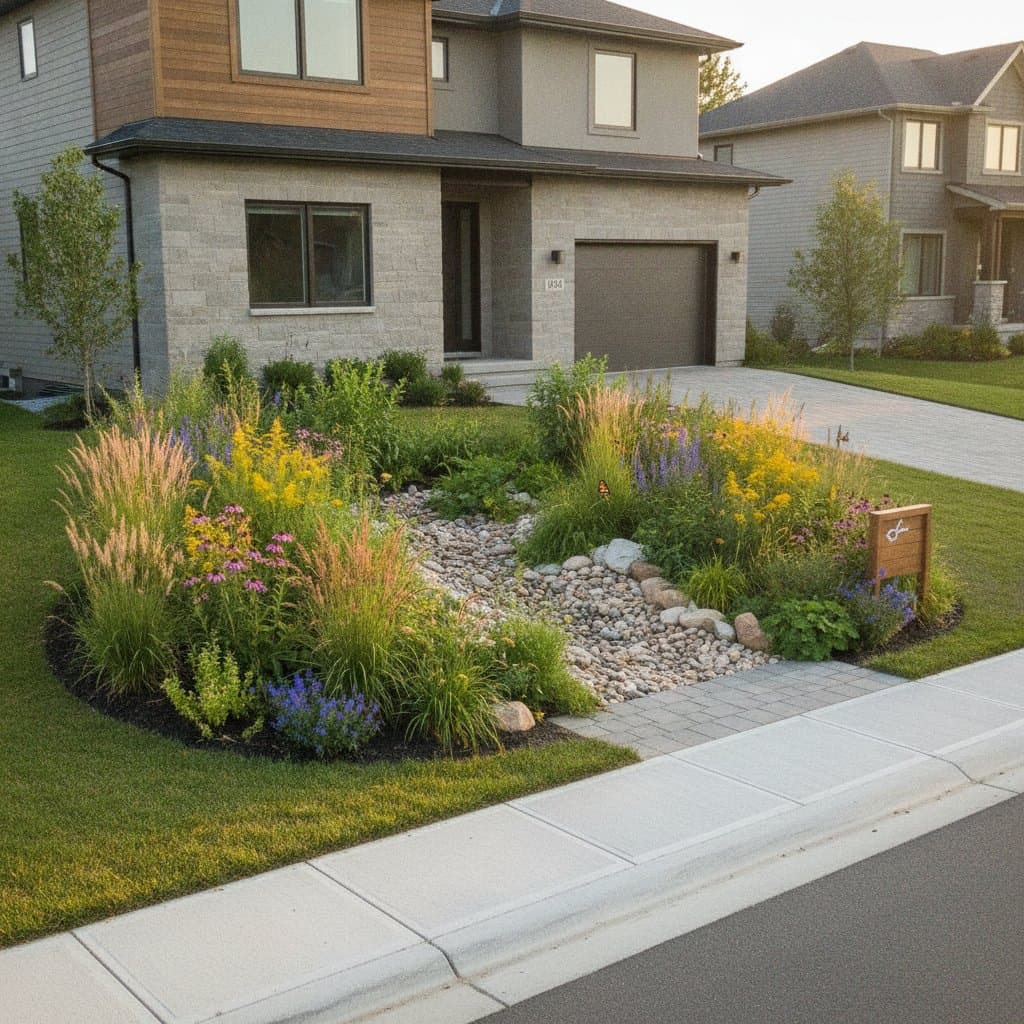
Initial pushback arises in some areas, particularly from homeowners associations enforcing visual consistency. Front-yard vegetable plots occasionally face scrutiny for deviating from established norms. However, perspectives evolve as communities recognize that refined edible landscapes elevate property values and infuse unique character.
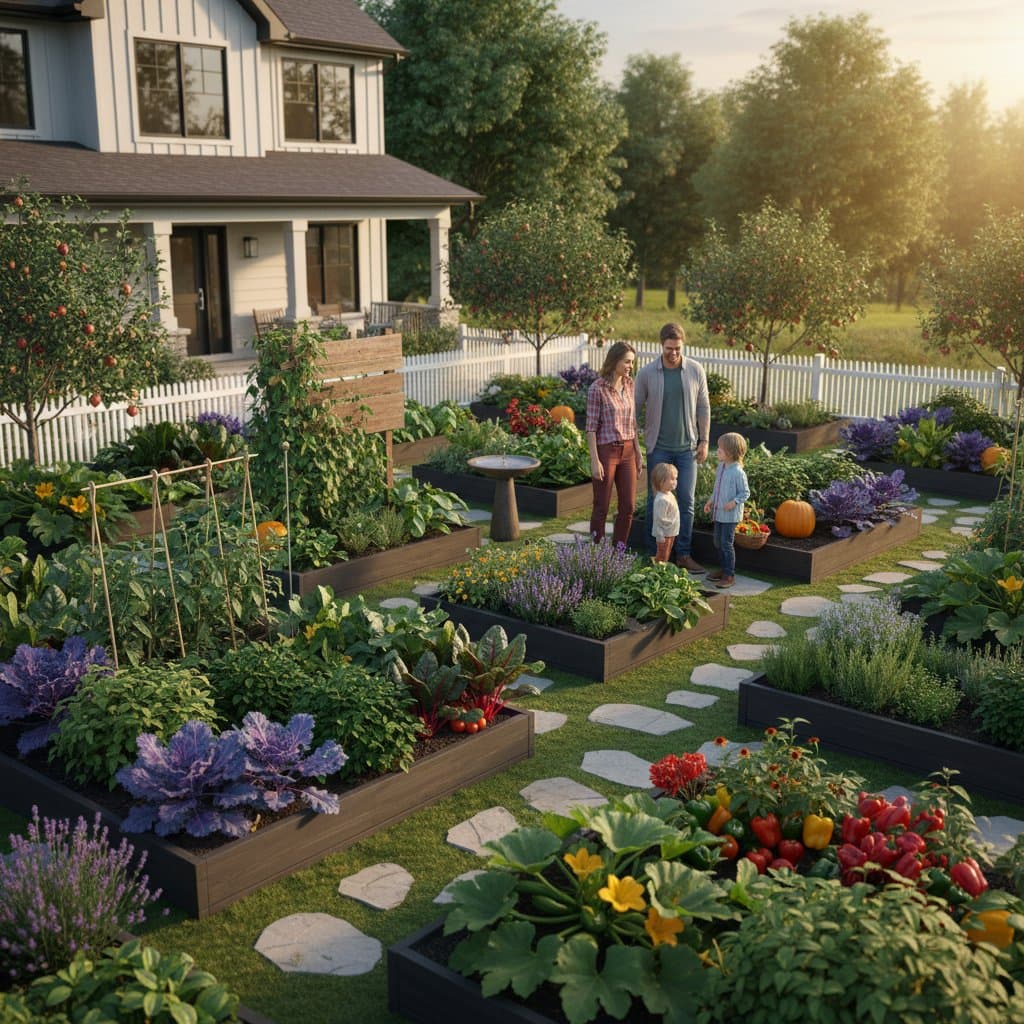
Landscape architect Miguel Torres guides clients to view foodscaping as sophisticated artistry. An edible yard need not resemble a rural plot; it can emulate a professional garden that incidentally sustains the household, he advises. He recommends interspersing edibles with ornamentals for harmony. Purple basil complements the golden blooms of marigolds, while scarlet runner beans ascend trellises to accent doorways much like decorative climbers.
Local governments increasingly endorse these efforts via community gardening initiatives and eco-friendly policies. Initiatives that once seemed defiant now signal progressive stewardship.
The Design Approach
Developing an edible yard demands imagination paired with methodical preparation. Begin by evaluating sunlight exposure, as most edible plants thrive with a minimum of six hours of direct sun daily. Sketch your yard's light patterns across the day to identify optimal planting zones. Then, establish framework through raised beds, which provide defined contours and simplify soil access and weeding.
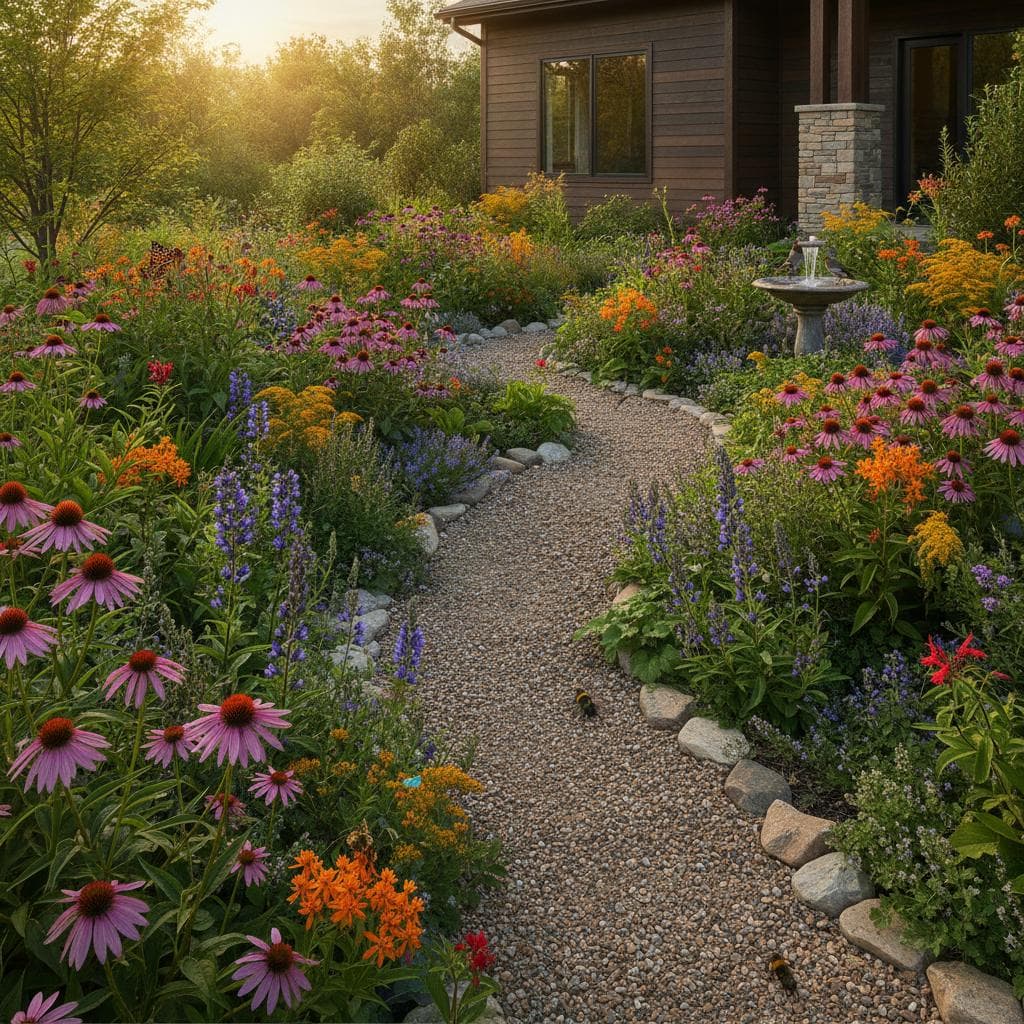
Incorporate pathways using gravel, mulch, or flat stones to guide movement and protect soil from trampling. Prioritize color and texture for enduring allure. Layer lush greens with blooming herbs like lavender or dill. Position upright elements such as kale or sunflowers alongside low-growing options like alpine strawberries. Employ trellises for vining crops like peas or vertical planters for herbs in compact areas.
Apply mulch layers of bark or straw to retain moisture, deter weeds, and enrich soil as they decompose. For watering, install drip irrigation lines or soaker hoses to target roots precisely, minimizing evaporation. Integrate composting to foster nutrient-rich earth, diminishing reliance on synthetic inputs. Aim for a self-sustaining cycle that appears organic yet meticulously crafted.
Soil testing reveals pH levels and nutrient deficiencies, allowing amendments like lime for acidity or compost for fertility. Select hardy, low-maintenance varieties suited to your climate, such as everbearing strawberries for steady yields or perennial herbs like rosemary that return annually.
Community Connection Through Gardens
Edible yards frequently draw attention and spark interactions. Passersby pause to inquire about heirloom tomato varieties or the presence of a dwarf citrus tree amid perennials. These exchanges often expand into collaborative activities, including seed trading sessions, shared cooking tips, or group harvesting events. Food cultivation bridges gaps and cultivates camaraderie.
Urban sociologist Leila Grant explains how edible landscaping influences social patterns. Visible gardening exemplifies sustainable practices firsthand. It transforms personal endeavors into communal statements of environmental responsibility, she states. This openness demystifies home food production and motivates neighbors to experiment.
Certain communities coordinate group planting events, where participants collaboratively shape front yards into unified edible zones. These efforts yield not only visual continuity but also ecological advantages, such as linked foraging paths for bees and butterflies. The collective outcome enhances walkability and instills shared pride.
Sustaining and Evolving Your Edible Yard
Established edible yards demand ongoing adaptation to flourish. Implement crop rotation by season to maintain soil health and visual interest. Tender spring lettuces transition to robust summer peppers, followed by hearty fall pumpkins and resilient winter kale. This cycle integrates seamlessly into routines, supplanting lawn care with purposeful engagement.
Monitor for pests using natural deterrents like companion planting, where nasturtiums repel aphids from brassicas. Prune fruiting shrubs annually to encourage bountiful yields and tidy forms. Harvest regularly to stimulate regrowth, ensuring a steady supply that offsets grocery spending by 20 to 50 percent, depending on garden scale.
Over time, these spaces mature into resilient ecosystems that demand less intervention. The rewards extend beyond savings: heightened biodiversity, reduced carbon footprints from fewer store trips, and a profound sense of accomplishment. Edible yards ultimately redefine outdoor living as a harmonious blend of nourishment, beauty, and connection.