Key Points
- Enzyme sprays employ biological agents to target and decompose organic stains and odors at their source, rather than concealing them.
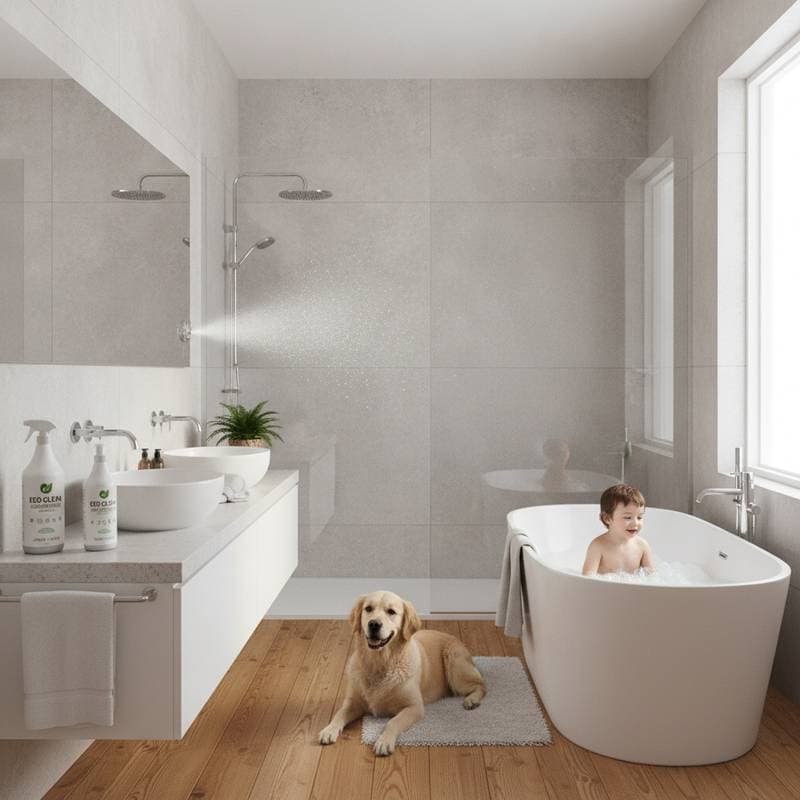
- Non-toxic formulations provide safety for homes with children, pets, or individuals with sensitive skin.
- These versatile sprays substitute for numerous conventional products, thereby decreasing chemical exposure and waste.
- Knowledge of enzyme mechanisms empowers informed decisions for sustainable cleaning.
- Demand for natural cleaning options grows as consumers prioritize efficacy alongside safety.
A Common Household Challenge
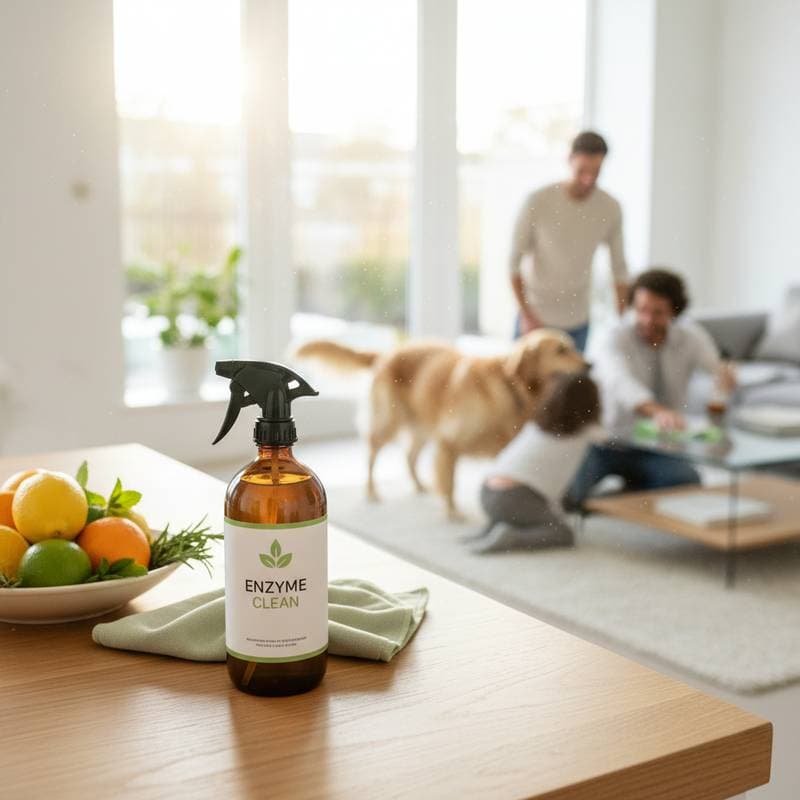
Food spills on the kitchen floor prompt a quick grab for a paper towel and a bottle from under the sink. Labels boast deep cleaning and instant freshness, yet the result often involves a pungent synthetic aroma that raises concerns about lingering residues. This routine highlights the appeal of non-toxic enzyme sprays, which deliver thorough sanitation through biological processes rather than artificial compounds.
How Enzymes Function in Cleaning
Enzymes serve as proteins that function like precise molecular tools, dismantling complex organic substances into simple, inert elements. In cleaning formulations, they focus on prevalent household contaminants, including food residues, pet waste, grease accumulations, and perspiration.
Specific enzymes handle distinct challenges:
- Protease degrades proteins in substances such as eggs, blood, and dairy.
- Amylase processes starches found in sauces and grains.
- Lipase breaks apart lipids from cooking oils or bodily secretions.
- Cellulase releases embedded particles from textiles.
Formulated together, these enzymes initiate a persistent breakdown process that persists beyond initial application. They eradicate odor origins completely, surpassing the temporary effects of fragrances.
The Importance of Non-Toxic Formulations
Conventional cleaners frequently incorporate bleach, ammonia, or synthetic scents, which may cause irritation to skin, eyes, and respiratory systems, particularly in confined areas. Households with young children or animals encounter heightened vulnerabilities due to frequent contact with treated surfaces.
Enzyme sprays eliminate these hazards by cleaning without toxic remnants or vapors. Most rely on biodegradable, plant-derived components, resulting in minimal ecological impact throughout their lifecycle.
This choice extends beyond utility to embody commitments to health and environmental stewardship. Cleaning routines evolve into secure practices that avoid the need for ventilation or apprehension.
Broader Trends in Natural Cleaning
Interest in natural cleaners aligns with societal emphases on wellness and product transparency. Shoppers seek comprehensible ingredient profiles, paralleling preferences for organic groceries, ethical beauty items, and eco-friendly apparel.
Online platforms accelerate this trend through demonstrations by advocates who showcase enzyme sprays on diverse surfaces, from upholstery to appliances. Such visuals affirm that natural methods match or exceed traditional performance.
Stores now feature dedicated natural product zones. Established companies update recipes to exclude irritants, and innovative firms gain traction with enzyme solutions in sustainable packaging.
Evidence of Performance
Doubts about the potency of gentle cleaners persist, yet empirical data reveals their strength against organic residues in high-traffic zones like kitchens, restrooms, and wash areas.
Operating on a microscopic scale, enzymes excel at neutralizing persistent scents from animals or dampness, often surpassing chemical alternatives in duration and completeness. Their activity endures post-application for sustained results.
Industry professionals integrate enzyme products for targeted applications. For instance, upholstery specialists use them to eliminate animal waste odors that other methods merely disguise. Similar benefits appear in commercial settings like dining facilities, medical centers, and educational institutions, balancing sanitation with safety.
Perspectives from Specialists
Ecological authorities highlight that enzyme cleaners spare waterways from disruptive pollutants present in standard runoff. Their decomposition yields benign byproducts with negligible harm to wildlife.
Skin experts observe reduced allergic responses and conditions like dermatitis with enzyme options, free from aggravating additives and scents.
Cleaning advisors suggest combining sprays with microfiber tools or durable applicators to prolong enzyme-surface interaction and enhance outcomes.
Applications for Enzyme Sprays
Versatility defines enzyme sprays, allowing one product to serve multiple purposes and streamline storage.
Consider these targeted uses:
- Kitchen surfaces: Dissolve grease, beverage marks, and meal remnants near preparation zones.
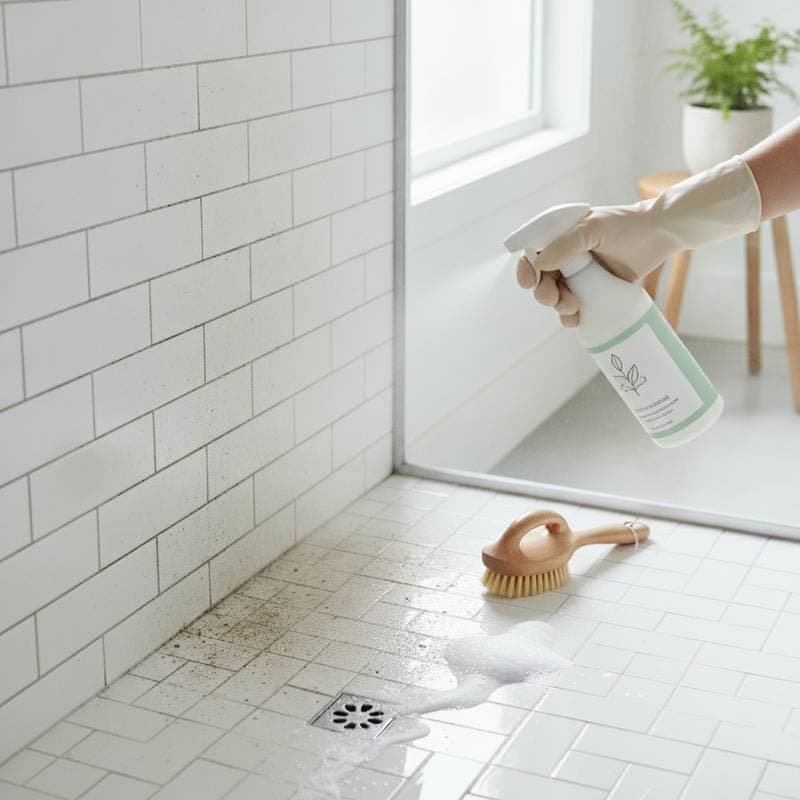
- Bathroom fixtures: Clear mineral deposits and biological films absent noxious gases.
- Fabric pretreatment: Spot-apply to blemishes prior to laundering for intensified removal.
- Pet zones: Decompose accident traces and aromas thoroughly.
- Vehicle interiors: Extract organic deposits from upholstery and flooring.
Allow several minutes for reaction time before removal to optimize efficacy. This approach yields enduring freshness.
The Well-Being Benefits of Cleaner Spaces
Sanitation influences emotional states profoundly. Residue-free environments foster tranquility and security.
Former associations of chemical scents with purity now evoke unease. Enzyme sprays introduce subtle, trustworthy alternatives that align cleanliness with nurturing.
Parents appreciate surfaces safe for infants or companions. Household maintenance transforms into an affirming ritual.
Steps to Adopt Enzyme Cleaning
Adopt enzyme sprays incrementally without disrupting routines. Begin in a single space, like the kitchen, by substituting an existing product with a reputable enzyme variant.
Evaluate its efficacy, aroma, and surface results. If satisfactory, extend to additional areas while opting for refillable concentrates to curb packaging and costs.
Favor all-purpose formulas to simplify organization. This progression cultivates spotless, secure homes attuned to modern values.