Edible Yards: Replacing Lawns with Food Gardens
After relocating from a bustling Manhattan apartment to a cottage near London, our family faced the novelty of a yard. The children reveled in the open space, but the responsibility of lawn maintenance soon weighed heavily. Endless mowing, rising water costs, and a landscape that offered little beyond visual greenery prompted a change. We transformed that grass into an edible garden, yielding fresh produce and lasting satisfaction.
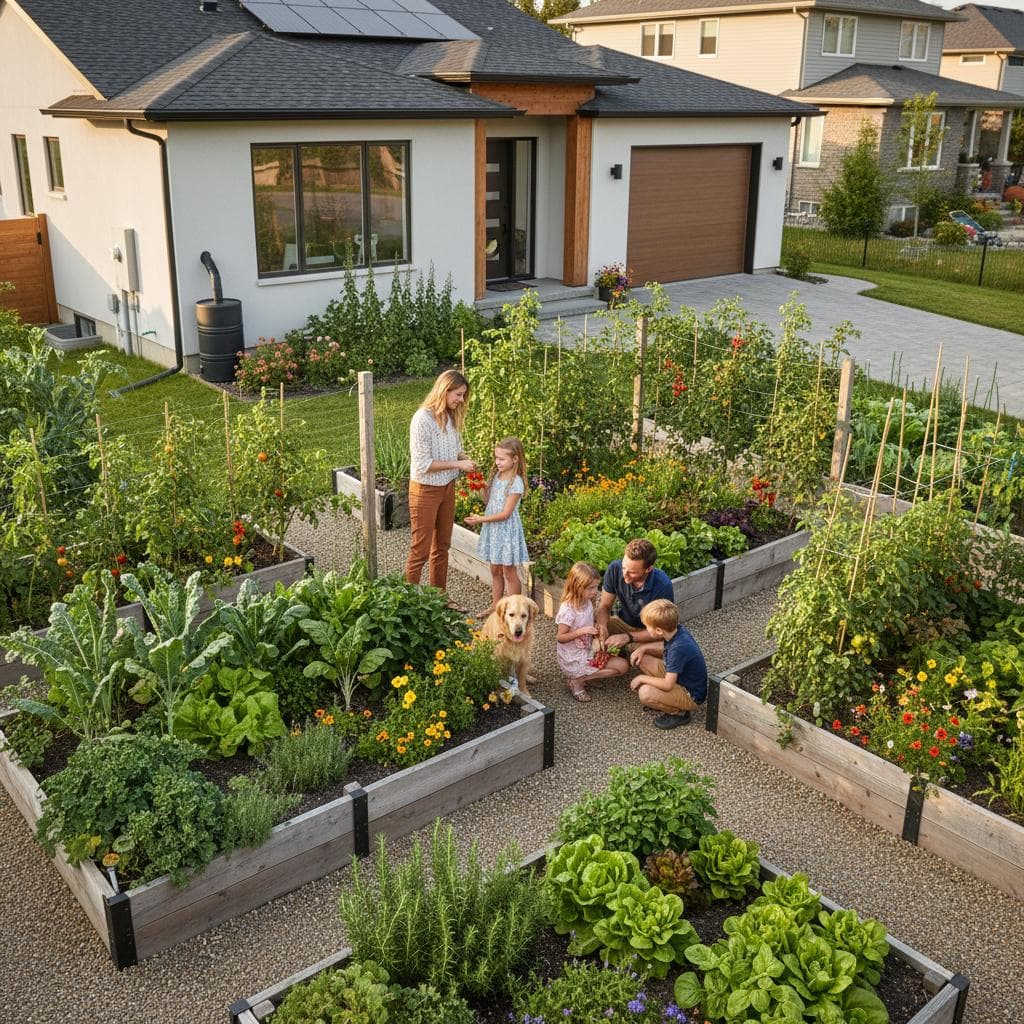
This trend extends beyond our experience. Homeowners in urban centers, suburban neighborhoods, and rural areas increasingly opt for edible gardens over conventional lawns. This choice emphasizes functionality, visual charm, and ecological responsibility. Such gardens deliver nutritious food, strengthen community ties, and instill purpose in outdoor spaces.
Key Takeaways
- Edible yards minimize water and chemical requirements while fostering sustainable, yield-producing environments.
- Food gardens integrate aesthetic elements like color, texture, and form to boost property appeal.
- Families gain access to fresh vegetables, encourage physical activity, and facilitate educational interactions.
- Urban and small-space residents apply these concepts through pots, wall-mounted planters, and elevated setups.
- International designs inspire approaches, from herb-focused Mediterranean layouts to efficient Japanese companion planting.
The Appeal of Edible Landscaping
Edible landscaping merges decorative elements with food-producing plants to craft spaces that delight the eye and palate. Rather than uniform turf, envision borders of aromatic herbs, fruit-laden bushes, and blooms that summon pollinators.
Horticulturalist Daniel Singh views edible yards as dynamic ecosystems sustaining humans and soil alike. He advises treating gardens as seasonal entities that adapt and flourish over time.
In our front yard, we substituted a narrow lawn strip with rosemary, lavender, and kale, bordered by gravel walkways. The herbal aromas greet visitors at the entrance, surpassing the fleeting scent of mown grass. These selections also invite bees and butterflies, infusing the area with natural vitality.
Practical Steps to Begin the Transition
Converting a lawn to an edible yard demands planning, yet incremental progress makes it achievable.
Step 1: Start Small
Target one yard section or install two raised beds initially. This method reveals local soil traits and climate influences. A compact plot often surprises with substantial harvests, such as enough lettuce for weekly salads from a single bed.
Step 2: Improve Your Soil
Robust soil underpins successful growth. Incorporate compost, apply mulch layers, and blend in organic materials prior to sowing. For grass removal, cover the area with cardboard topped by soil to suppress turf organically, bypassing synthetic herbicides.
Step 3: Choose Easy Crops
Opt for resilient varieties like loose-leaf lettuce, quick-maturing radishes, determinate tomatoes, and robust herbs such as basil or chives. Build expertise before tackling perennials like apple espaliers or heat-tolerant peppers.
Step 4: Incorporate Perennials
Select enduring options including rhubarb crowns, asparagus ferns, and blueberry shrubs to lessen yearly labor. These establish enduring frameworks, providing consistent yields and structural anchors in the layout.
Step 5: Plan for Irrigation
Install drip lines or soaker hoses to deliver water efficiently at root levels. Cluster plants by hydration demands, such as drought-resistant lavender near moisture-loving kale, to optimize resource use.
Step 6: Maintain Appearance
Prune regularly, refresh mulch annually, and harvest promptly to preserve neatness. Approach upkeep as you would for flower beds, weeding weekly and dividing overcrowded perennials every few years.
Adapting Edible Landscaping for Small Spaces
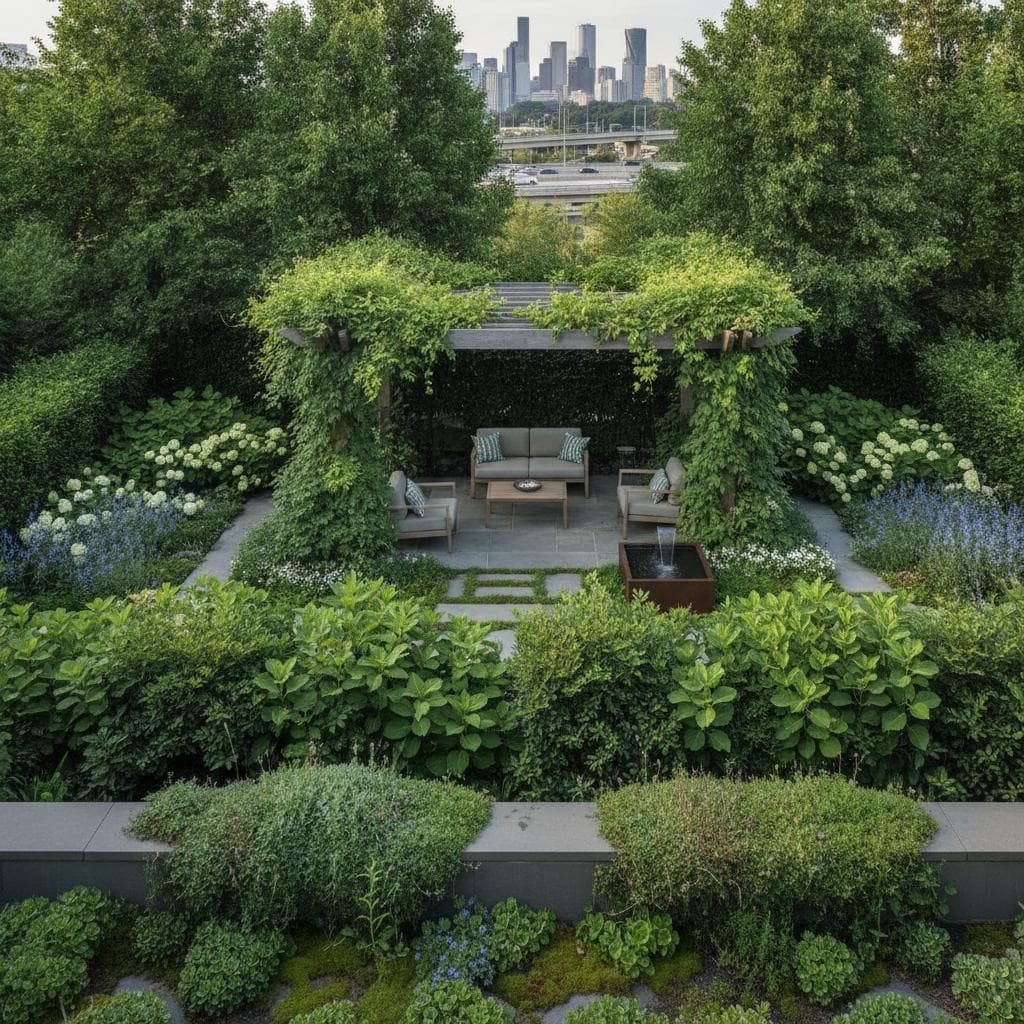
Limited outdoor areas need not deter participation. Lessons from compact New York balconies demonstrate that targeted strategies yield herbs, greens, and berries effectively.
1. Container Gardens
Employ terracotta pots, galvanized troughs, or repurposed crates for flexibility. Arrange by stature and hue for visual harmony, using potting mixes enriched with perlite for drainage and coir for moisture retention.
2. Vertical Gardens
Mount pocket planters or trellis systems on railings or exterior walls. Train vining crops like pole beans, snap peas, or zucchini upward to exploit vertical planes without encroaching on floor space.
3. Window Boxes
Position sun-loving herbs such as oregano, sage, and chives in sill-mounted boxes. Their scents permeate living areas, bridging indoor comfort with outdoor productivity.
4. Shared Community Gardens
Apartment dwellers can collaborate in collective plots. Our London allotment evolved into a social nexus, where participants exchanged heirloom seeds and prepared dishes from communal yields.
Overcoming Common Challenges
Shifting to edible gardening involves hurdles like insect issues, variable outputs, or aesthetic critiques from locals. Targeted strategies resolve these effectively.
- Neighborhood Aesthetics: Select orderly configurations blending edibles with natives, such as edging berry rows with low-growing flowers, to satisfy community standards.
- Pest Management: Attract beneficial insects like lacewings or install bird feeders. Employ row covers or neem oil sprays to safeguard crops without ecosystem harm.
- Time Constraints: Prioritize self-sustaining species and timer-based irrigation. Dedicate one hour biweekly for essential tasks like staking or fertilizing.
- Soil Deficiencies: Perform pH and nutrient tests using home kits. Elevate problematic zones with custom beds filled with balanced loam.
Gardens mature through experimentation, gaining resilience that demands minimal oversight.
Integrating Edible Gardens into Daily Life
An established edible yard transcends mere provision, embedding itself in family routines. Savor morning routines amid dew-kissed foliage, craft dinners from midday picks, or guide children through seed germination basics.
Guests frequently remark on the profusion during visits. Sharing sprigs of fresh basil for pesto or surplus zucchini fosters connections, extending the garden's influence outward.