Key Points
- Replacing traditional lawns with edible landscaping conserves water, lowers maintenance demands, and supplies fresh produce directly from your front yard.
- Begin projects on a modest scale with careful budgeting to manage costs effectively while building expertise over time.
- Success hinges on thorough soil preparation, suitable crop choices, and thoughtful layout to create both functional and visually appealing spaces.
- Delegate complex tasks like irrigation setup or retaining wall building to professionals to ensure safety and optimal results.
- A balanced edible front yard enhances property value and bolsters household food security through practical design and ongoing care.
The Rise of Edible Front Yards
Traditional front lawns have long represented homeowner pride through their manicured appearance. However, increasing environmental concerns and escalating maintenance expenses prompt many to redefine curb appeal. These grass expanses demand frequent mowing, excessive watering, and chemical fertilizers, often yielding little beyond aesthetics.
Project Overview
Working Time: 15 to 25 hours for initial setup, scaled to yard dimensions
Total Time: 2 to 4 weeks, encompassing soil work and planting phases
Skill Level: Intermediate DIY
Estimated Cost: $300 to $1,200, varying by yard size, materials, and plant varieties
Tailor the scope of your edible front yard to your available time and resources. Prioritize planning to avoid setbacks from poor drainage or inadequate soil. Divide the work into phases, such as preparing one section before advancing, to accommodate schedules and test plant combinations.
Deciding Between DIY and Professional Assistance
Homeowners with basic gardening knowledge can manage soil amendment, planting, and layout independently. These steps emphasize steady effort over specialized tools. Yet, certain elements benefit from expert involvement to prevent issues:
- Irrigation Systems: Drip lines promote water efficiency in edible gardens, but faulty setup leads to leaks or inconsistent coverage. Professionals guarantee secure connections to your water source and reliable performance.
- Retaining Walls or Hardscaping: Sloped terrains require stable structures; consult specialists to avoid collapses that damage property or pose hazards.
- Electrical or Lighting Installations: Ambient lighting improves evening access and highlights features, but all wiring must comply with local codes. Engage a licensed electrician for safe implementation.
This discernment safeguards your project and investment.
Mapping Out Your Edible Front Yard
Observe your yard's conditions before any digging. Track sunlight patterns from morning to evening, identify drainage patterns, and assess wind and shade influences. These factors guide crop viability and placement.
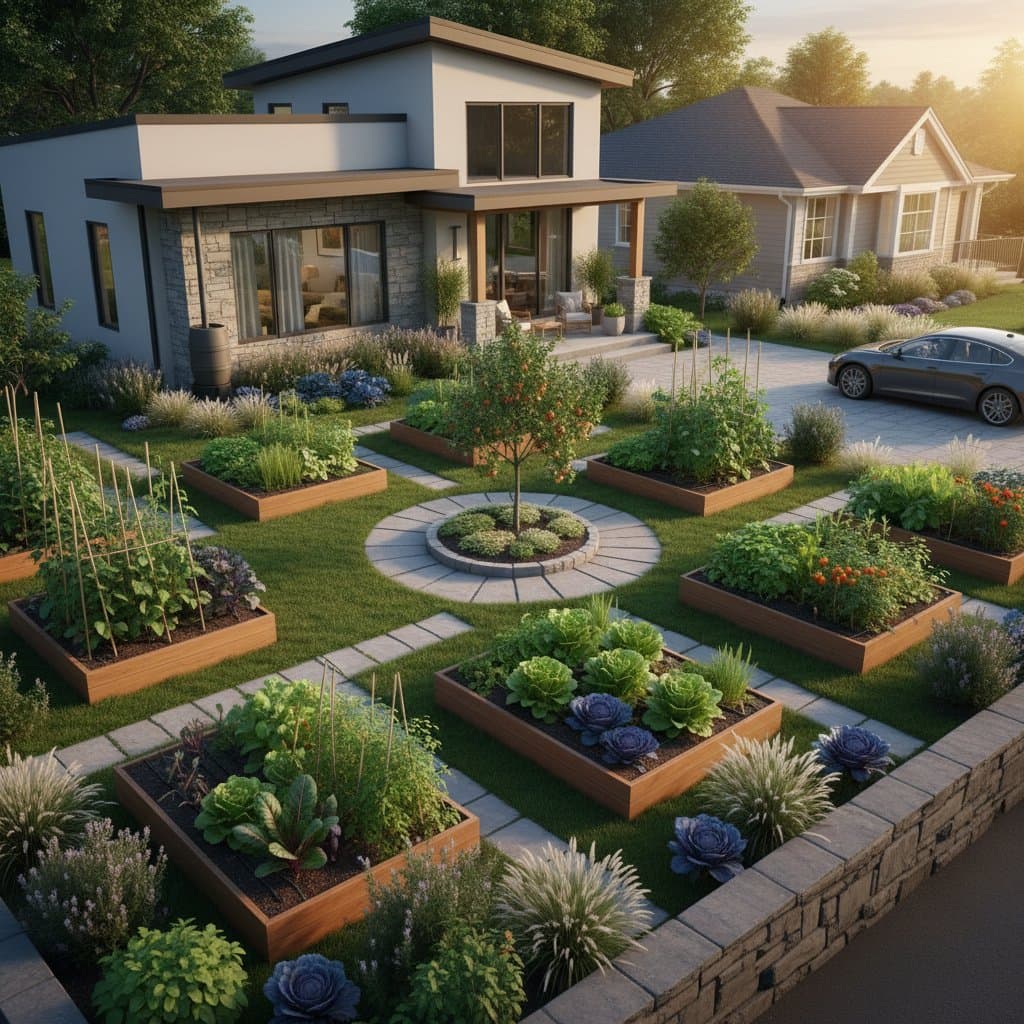
Sketch a yard diagram to outline paths, raised beds, fruit trees, and accents. Maintain clear views to foster an welcoming atmosphere. Use borders and edges to integrate the design seamlessly with surrounding properties.
Essential Design Strategies
- Layering Plants: Position tall options like sunflowers or fruit trees at the back, mid-level vegetables such as tomatoes or beans in the center, and ground covers like herbs or berries along edges. This vertical approach optimizes space and echoes natural ecosystems.
- Symmetry in Layout: Employ balanced arrangements to convey order, easing concerns from those unaccustomed to front-yard food production.
- Varied Colors and Textures: Incorporate vibrant elements like red peppers, violet eggplants, or multicolored Swiss chard alongside greens for dynamic appeal.
- Convenient Access: Site high-yield plants near paths and doors to simplify harvesting routines.
Such principles yield a deliberate, harmonious landscape that elevates rather than disrupts your home's facade.
Essential Tools and Materials
Core Tools:
- Shovel and garden fork for digging and turning soil
- Wheelbarrow for transporting amendments
- Rake and hoe for leveling and weeding
- Pruning shears for trimming growth
- Watering can or hose with nozzle for precise hydration
Recommended Additions:
- Soil testing kit to assess pH and nutrients
- Lumber or kits for raised beds
- Mulch and compost for soil enhancement
- Drip irrigation components
- Edging stones or bricks for definition
Key Materials:
- Organic compost or well-rotted manure
- Organic mulch like straw or bark
- Climate-appropriate seeds or starts
- Gravel or pavers for pathways
Maximize existing resources to control expenses. Salvage wood for frames or reuse stones for borders, infusing the space with unique character.
Step-by-Step Implementation
1. Soil Preparation
Clear turf by manual removal or solarization: cover grass with cardboard topped by compost to smother weeds and build soil as it breaks down. Test soil pH and nutrients using a kit; aim for 6.0 to 7.0 for most edibles. Incorporate 2 to 4 inches of compost to boost organic matter, structure, and water retention.
2. Layout Design
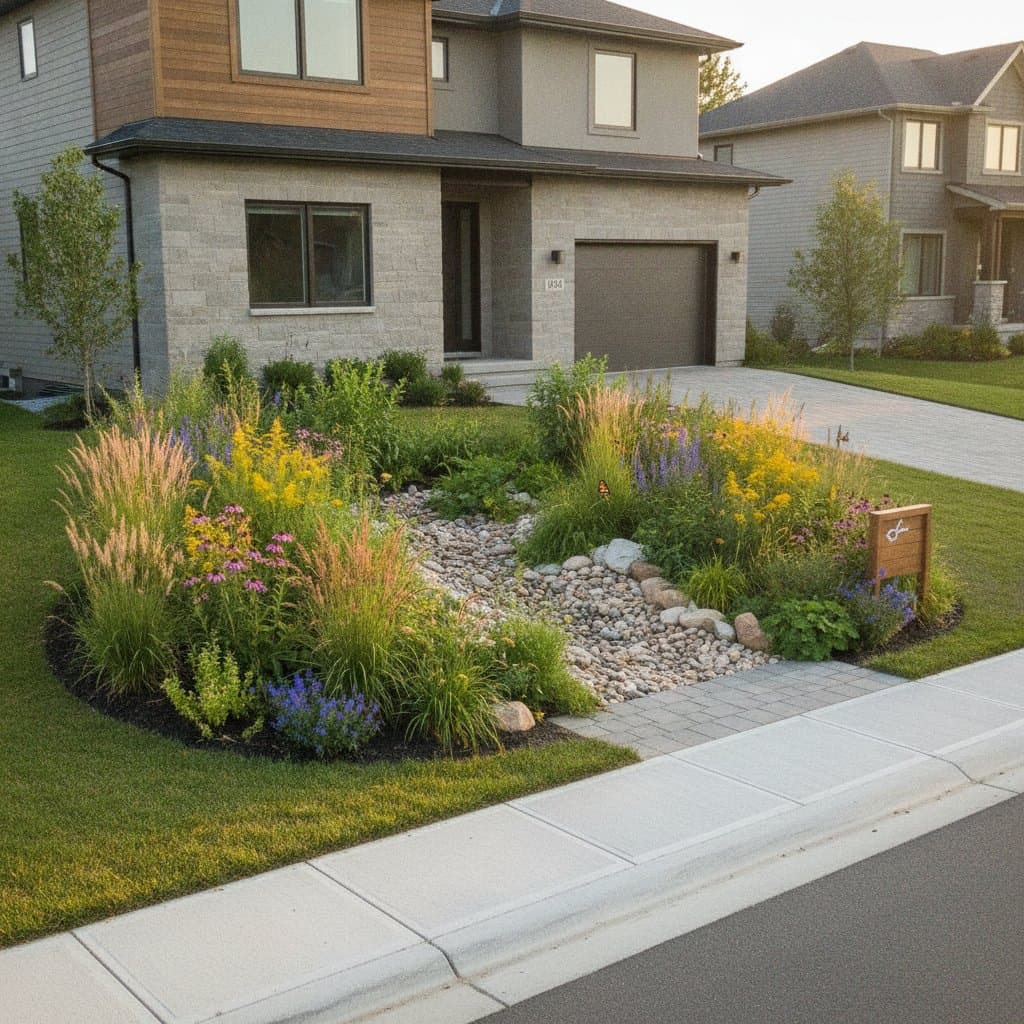
Outline beds with stakes and string, ensuring 24-inch minimum path widths. Opt for gentle curves for organic flow or straight lines for modern precision paired with gravel surfacing.
3. Plant Selection
Prioritize resilient, attractive varieties:
- Perennials: Asparagus, rhubarb, perennial herbs like sage, and berry bushes for ongoing yields.
- Annuals: Quick-growers including radishes, zucchini, basil, and leafy greens for variety.
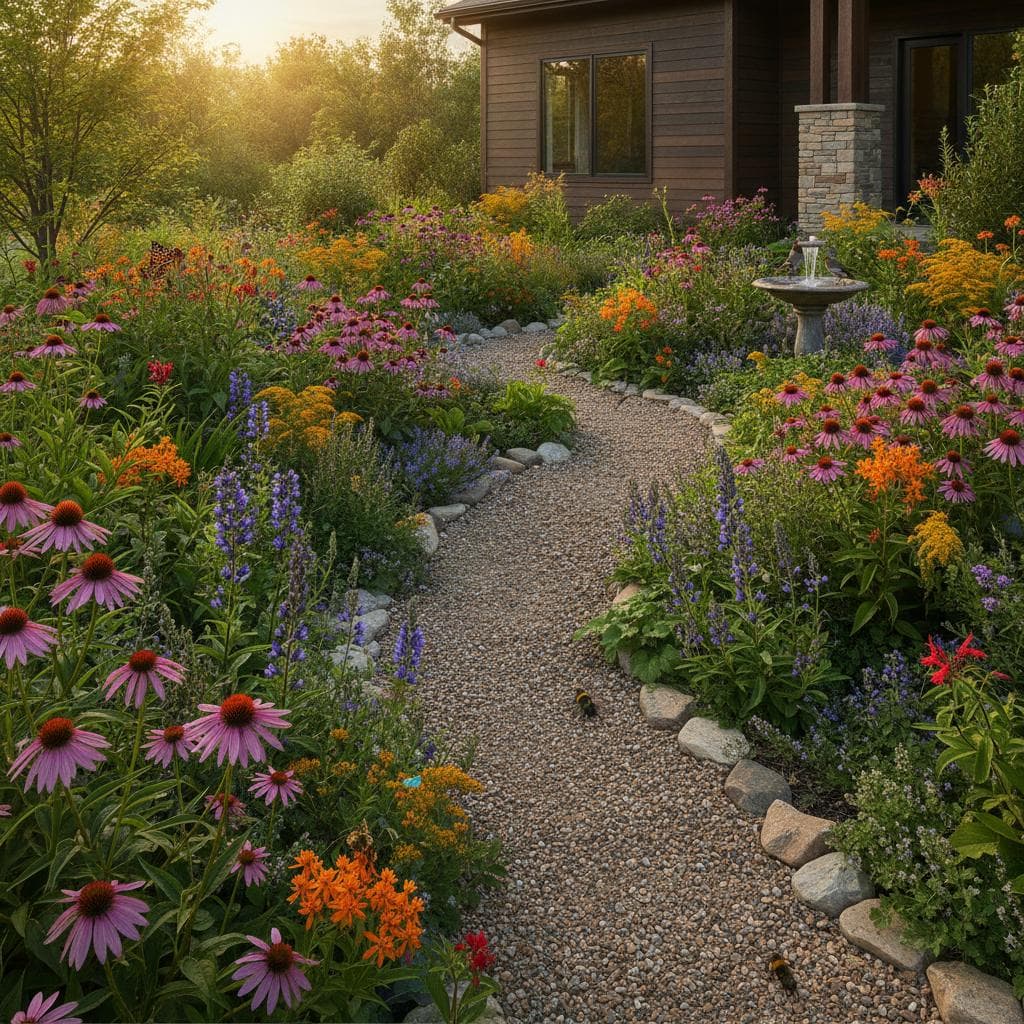
- Edible Flowers: Violas, borage, or squash blossoms for color and pest deterrence.
- Compact Fruits: Dwarf citrus, stone fruits, or espaliered apples to suit limited areas.
Position taller plants northward to prevent shading; blend types for year-round interest and reduced replanting.
4. Irrigation and Mulching
Install drip tubing or soaker hoses pre-planting to target roots and minimize evaporation. Follow with 2 to 3 inches of mulch, keeping it 2 inches from stems to deter rot.
5. Planting and Upkeep
Set seedlings at recommended depths, press soil firmly, and water thoroughly. Use markers for variety tracking. Throughout growth, inspect for aphids or wilting; apply neem oil or hand-pick pests, and rotate plant families annually to sustain soil health.
6. Finishing Elements
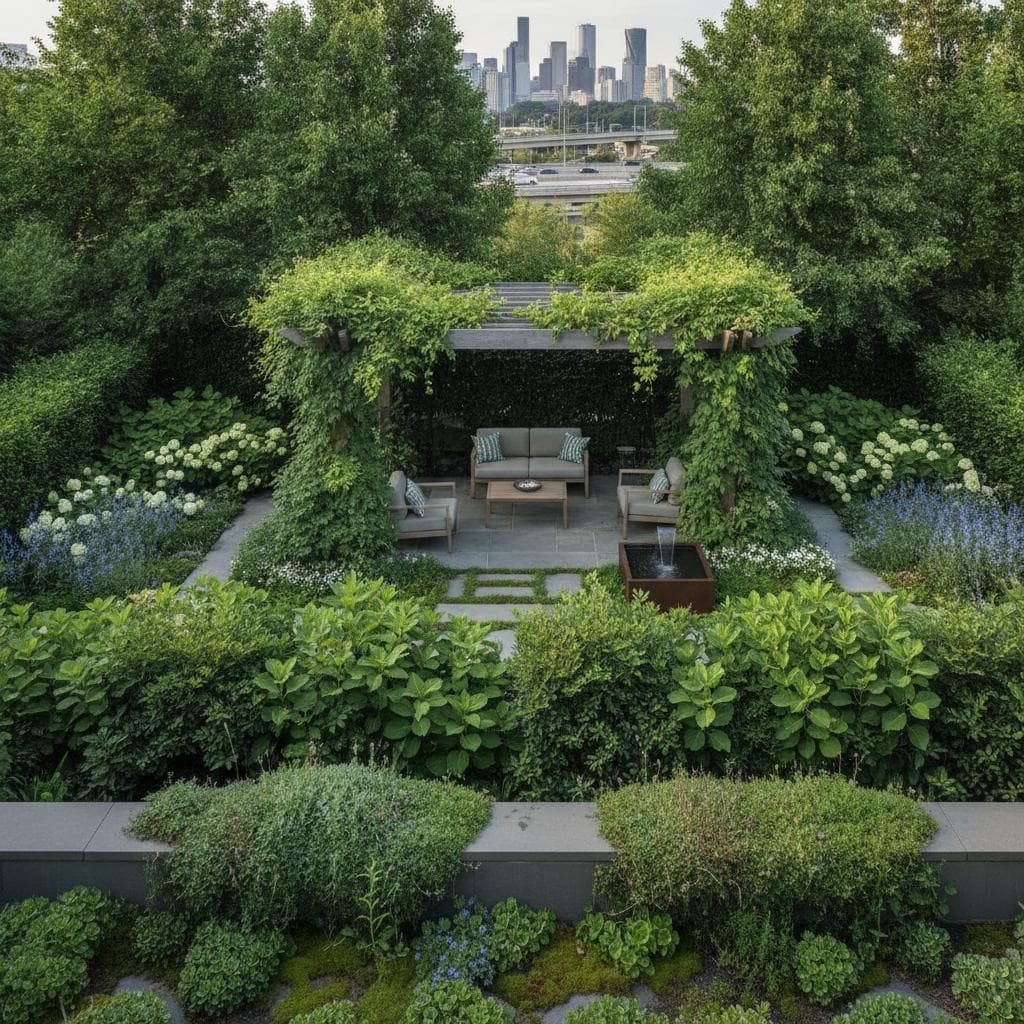
Define beds with low walls or hedges. Incorporate seating or arbors for vining crops like peas, adding height and utility without overwhelming the space.
Sustaining Your Edible Yard
Consistency distinguishes vibrant gardens from faltering ones. Water based on soil moisture probes, increasing during dry spells and reducing in rain. Apply compost biannually and prune selectively to promote vigor.
Monitor for deficiencies: add potassium-rich amendments for fruiting issues or nitrogen for pale foliage. Foster biodiversity with companion planting, such as marigolds near tomatoes to repel nematodes. Prompt weed removal via mulching or pulling maintains tidiness.
Cost-Effective Strategies
- Scale Gradually: Develop one 4x8-foot bed initially, then replicate successes.
- Seed Starting: Sow indoors for $0.50 per packet versus $3 per transplant, nurturing under grow lights.
- Community Exchanges: Join local groups to swap divisions of perennials or excess starts.
- Repurposing: Convert pallets into beds or tires into planters for zero-cost innovation.
Allocate funds to foundational elements like quality soil and efficient watering for enduring returns.
Pitfalls to Sidestep
- Overplanting: Adhere to 12-18 inch spacings for tomatoes to ensure air circulation and harvest ease.
- Soil Oversight: Annual testing prevents imbalances; amend with bone meal for phosphorus boosts.
- Aesthetic Neglect: Weekly edging keeps borders sharp, averting unkempt perceptions.
- Impulsive Placement: Sun maps avoid leggy growth in shaded spots.
- Chemical Reliance: Opt for row covers or beneficial nematodes over pesticides to preserve ecosystem balance.
Refine techniques through trial, turning challenges into refined practices.
Harvesting Rewards and Expansion
An established edible yard transcends utility, fostering independence and community ties. Regular picking encourages production, while shared bounty sparks conversations. Observe seasonal shifts to fine-tune care, deepening your bond with the space.
Advance by installing gutters to collect rainwater for irrigation or hoop houses to extend seasons. Integrate guilds of mutually supportive plants, like nitrogen-fixing beans with corn. These enhancements amplify yields, conserve resources, and position your yard as a model of sustainable living.