Key Points
- Moss walls add natural texture and subtle color variations to boost curb appeal with very little ongoing maintenance.
- These features cost less than full landscaping overhauls because they require no irrigation systems or seasonal trimming.
- Homeowners with moderate skills can handle DIY moss walls for small panels, while experts handle larger or structural projects.
- Proper site preparation and regular moisture control ensure the moss stays healthy and attractive over time.
- Moss walls fit modern and traditional home styles, blending craftsmanship with eco-friendly practices.
The Rise of Moss Walls in Front Yard Design
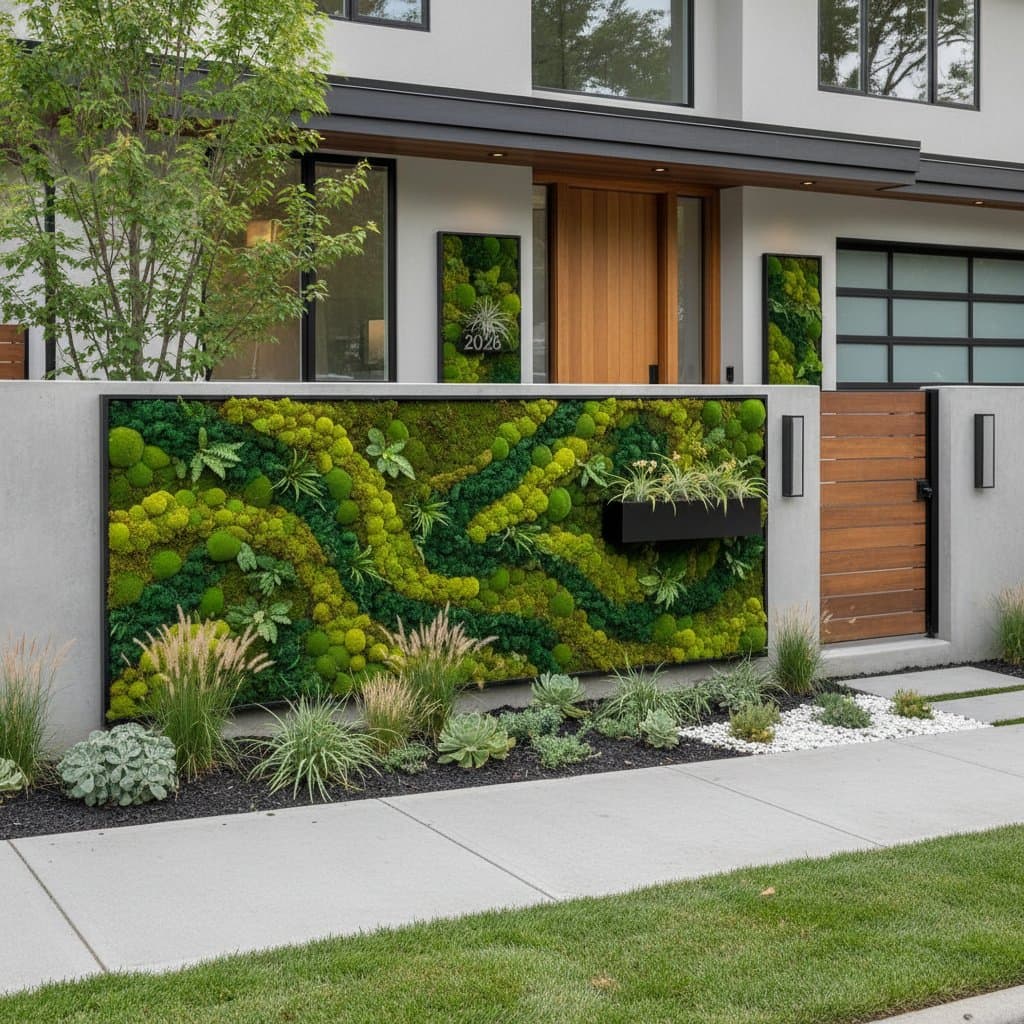
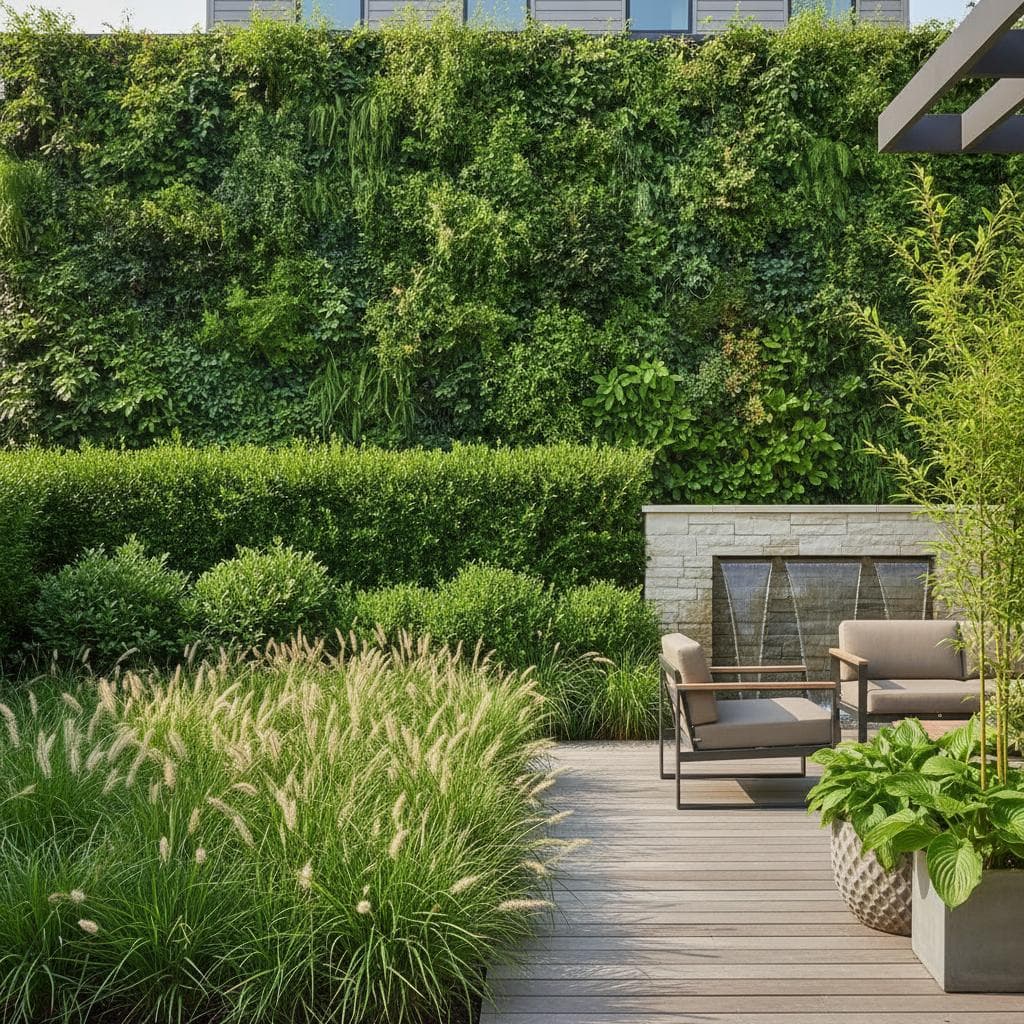
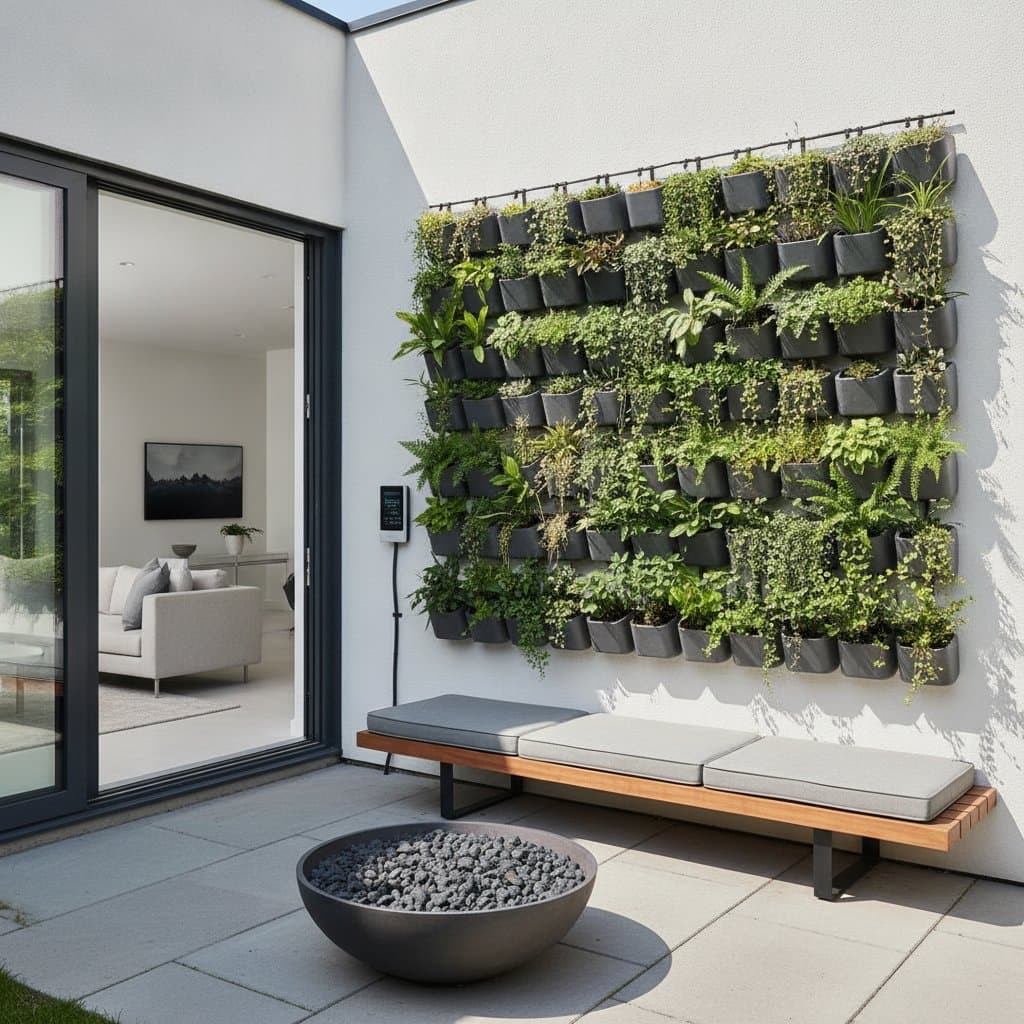
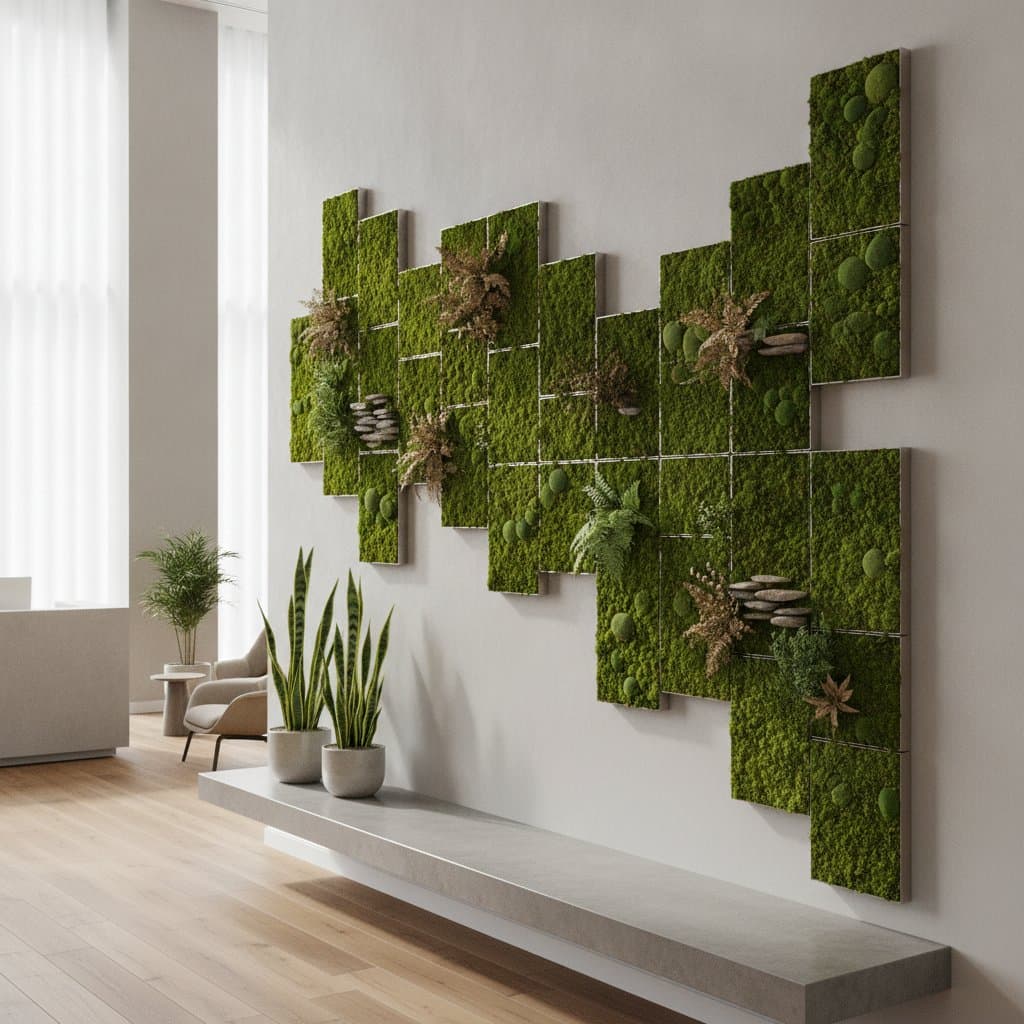
Traditional front yards rely on manicured lawns, colorful flower beds, and shaped hedges to welcome visitors. These classics remain popular, but more homeowners choose living moss walls for unique texture and depth that set their spaces apart. A moss wall acts as a vertical garden that brings organic beauty without constant watering or clipping.
Project Basics
Working Time: 4 to 6 hours for a small panel
Total Time: 1 to 2 days, including prep and mounting
Skill Level: Intermediate
Estimated Cost: Moderate, based on size and materials
Moss walls in front yards become lively centerpieces that shape the home's look. They attach to fences, walls, or custom frames and adjust to different outdoor spots.
Choosing DIY or Professional Help
Homeowners can manage small moss walls, like a framed piece on a porch or fence, if they take time with measurements and careful work. Bigger projects with automatic watering or stone ties need pros for safety and accuracy.
Moss walls weigh less than heavy planters, but they add moisture and weight to supports. Poor installation can cause water damage or weakness, so check the wall's material and load limits first.
Materials and Tools Needed
Materials
- Preserved or live moss, such as sheet, cushion, or reindeer varieties
- Plywood or weather-resistant backing board
- Chicken wire or fine mesh
- Staple gun with stainless steel staples
- Strong brackets or French cleat hardware
- Spray bottle or misting system
- Optional: Wood frame for a finished look
Tools
- Measuring tape
- Handsaw or circular saw
- Drill with bits and screws
- Spirit level
- Gloves and safety glasses
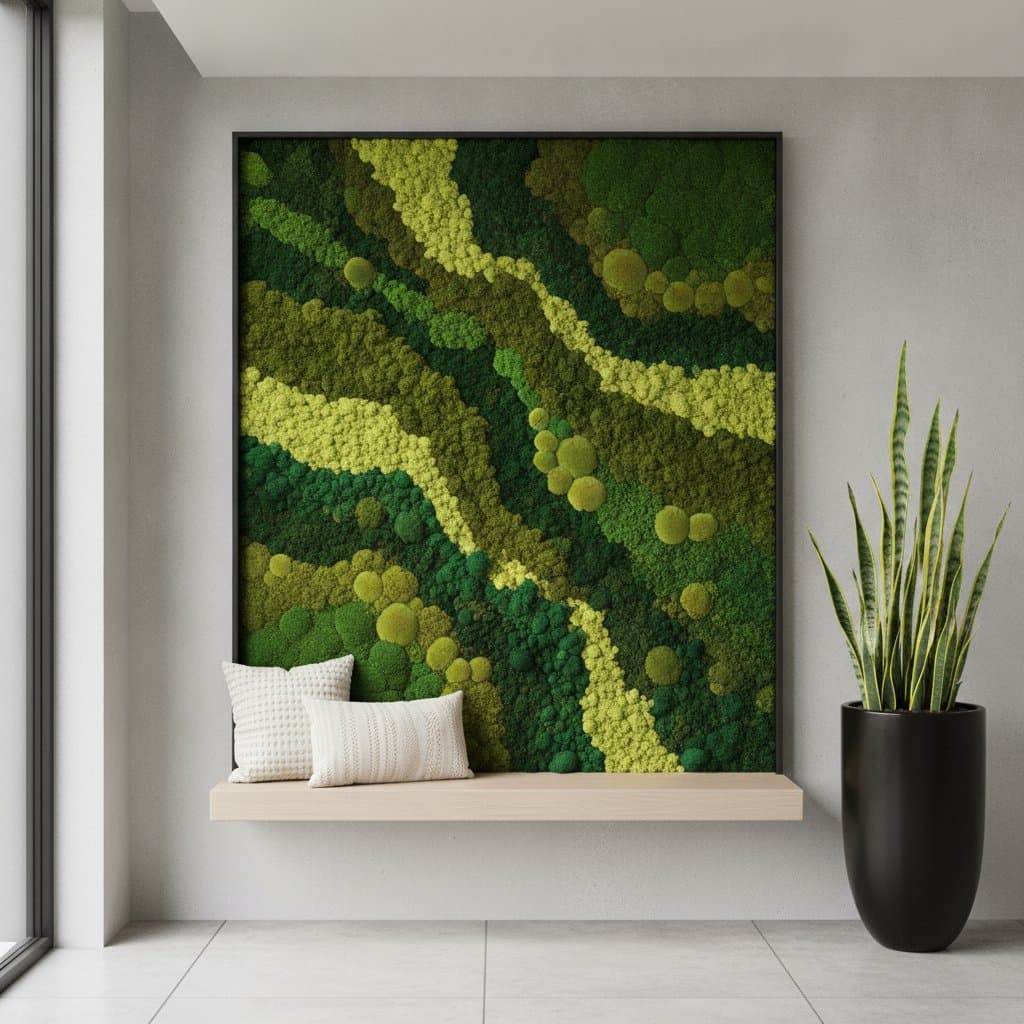
Preserved moss looks real without any care, perfect for shaded porches or displays. Live moss grows slowly and stays fresh but needs regular water and indirect light.
Step-by-Step Installation
1. Build the Base
Measure and cut the backing board to size, then sand rough edges. For fences or stone, drill pilot holes ahead. In outdoor areas, seal the back and edges with exterior paint to block moisture.
2. Attach the Grid
Lay chicken wire or mesh over the board and staple it around the edges. This holds the moss in place. Use staples sparingly to avoid weakening the board.
3. Add the Moss
Push moss into the grid, starting from the bottom and working up. Overlap pieces slightly to hide gaps. For live moss, mist it lightly while placing to keep it pliable.
4. Frame and Mount
Add a wood border for a clean edge if wanted. Use brackets or cleats to hang it. Confirm the surface can hold the weight before securing.
5. Set Up Care
Mist live moss weekly or as needed to keep it damp, not soaked. Preserved moss needs no water but stays out of strong sun to keep colors bright.
Tips for Long-Term Success
A moss wall lasts with good setup and smart placement. Choose shaded spots away from hot sun. Balance water to avoid dryness or rot.
Check every two weeks for mold or wear. Remove bad spots and replace with new moss right away. In rainy areas, tilt the panel slightly forward for drainage.
For preserved moss, brush off dust with a soft tool or use canned air from a distance. Skip chemicals that could fade or damage it.
Saving Money on Materials and Setup
Start small with a 2-by-3-foot panel for big impact at low cost. Mix preserved and live moss to match budget and effort levels.
High-quality preserved moss costs more upfront but holds color longer. Get live moss from local sustainable sources when allowed, following harvest rules.
Use marine plywood or cedar for humid spots. Pick rust-proof screws and staples to prevent stains or breaks over time.
Fitting Moss Walls to Different Home Styles
Moss walls work beyond trends and match cozy cottages, craft bungalows, and solid farmhouses. Their texture softens stone or metal for a calm feel that lasts.
Builders see them as balanced designs that mix structure with nature. Like a well-built deck, their appeal comes from careful details and solid build.
Pro Tips for Best Results
- Water Management: Test drainage before hanging. Add a small gap at the bottom to stop water buildup.
- Sun Control: Place in soft light for health. Full sun harms both types.
- Regular Checks: Inspect twice a year for fading or damage. Refresh parts early to keep it lively.
- Wind Protection: In breezy areas, add extra hardware around edges to reduce sway.
Building Curb Appeal with Eco-Friendly Options
Moss walls cut landscaping costs over time and create green spaces that change with the seasons. Low-impact materials and easy care give pro-level style that holds up to weather. This method turns basic front yards into standout spots of design and care.