Noise-Reducing Plants: Trending Garden Sound Walls
Key Points:
- Noise-reducing plants serve as natural sound barriers in urban and suburban gardens.
- Strategic planting absorbs, deflects, and masks noise from streets, neighbors, or businesses.
- Dense foliage, layered textures, and evergreen species excel in acoustic landscaping.
- Pairing plant walls with hardscape elements like fences or berms boosts noise control.
- This trend supports sustainable, design-forward approaches to peaceful outdoor spaces.
A Garden Interrupted by Noise
Picture yourself on the patio with coffee in hand as morning light filters through leaves. You anticipate calm, yet traffic hums, a neighbor's leaf blower drones, and a distant dog barks. The hoped-for serenity dissolves into inescapable background noise.
This common frustration drives a rising landscaping trend. Gardeners, designers, and renovators use noise-reducing plants to restore quiet naturally and attractively. These living sound walls function sculpturally, promote eco-friendliness, and foster restoration.
The Shift Toward Acoustic Gardens
How Plants Reduce Noise
Sound waves travel through air and lose energy upon hitting leaves, branches, or soil. Denser, more textured surfaces scatter and absorb sound effectively.
An acoustic garden employs layered vegetation to trap and diffuse noise:
- Ground cover dampens reflections from patios or driveways.
- Shrubs and hedges offer mid-level density for voices or machinery.
- Tall trees or climbers block distant noise at higher levels.
Soil and mulch beneath plants minimize reflections. Treat the garden as a holistic system, not a lone hedge.
Top Plants for Garden Sound Walls
Dense vegetation aids noise reduction, but specific plants stand out for structure, leaf shape, and coverage. Experts recommend these for effective sound walls.
Bamboo
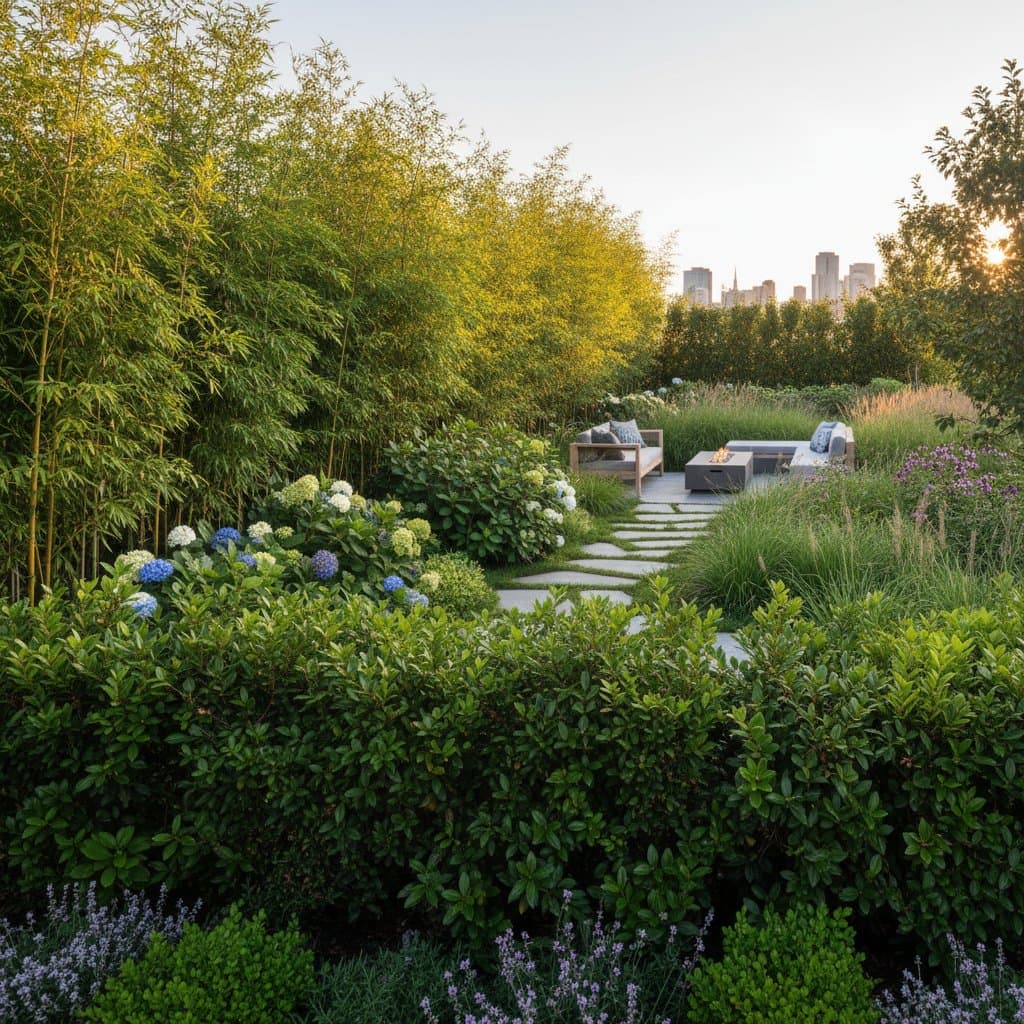
Bamboo grows quickly and offers striking architecture. Vertical canes and dense foliage diffuse sound well. Select clumping varieties to limit spread. This plant suits modern urban gardens.
Italian Cypress and Arborvitae
These evergreens create tall, narrow columns. Plant them closely for dense coverage. Packed needles trap sound while providing elegant lines for classical or contemporary settings.
Hollies and Boxwood Hedges
Hollies and boxwoods deliver year-round absorption with thick leaves and compact forms. They excel at muting neighbor conversations.
Leyland Cypress and Thuja Green Giant
These fast-growers form privacy screens along boundaries. Dense foliage blocks traffic noise and enhances quiet perception.
Climbing Ivy and Dense Vines
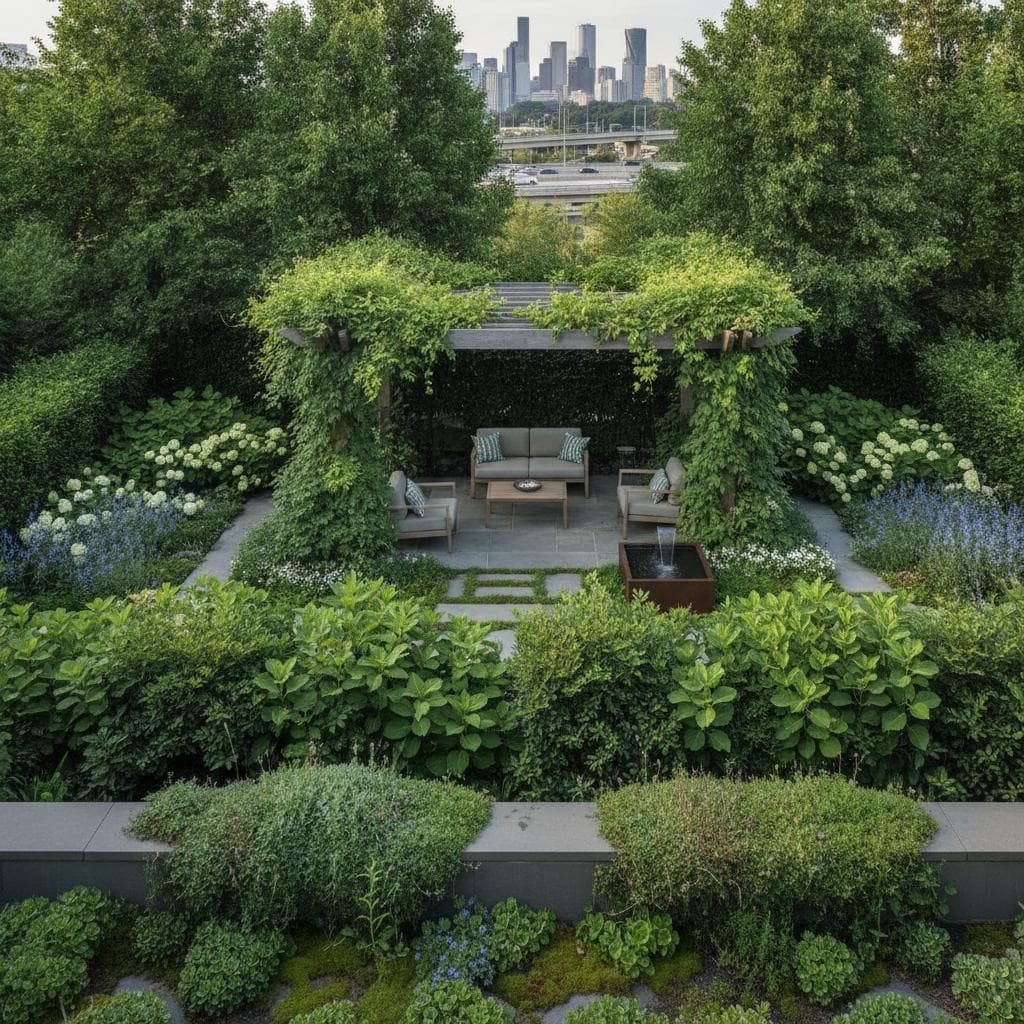
In tight spaces, cover walls or fences with ivy, jasmine, or wisteria. They soften reflections and absorb rebounding sound, yielding a lush, layered look.
Ornamental Grasses
Tall grasses like miscanthus or pampas add movement and rhythm. Flexible stems diffuse noise, especially in mass plantings within layered designs.
Layering Plants for Optimal Results
Designers liken acoustic planting to musical composition, emphasizing balance and harmony. A single hedge appears neat but limits control. Layered plantings trap noise across textures.
Consult a landscaper to evaluate disruptive frequencies:
- Broadleaf shrubs soften high-pitched voices.
- Dense trees with thick bark handle low-frequency traffic rumbles.
- Varied heights and textures manage random urban sounds.
Arrangement proves crucial. Close plantings prevent leaks; solid greenery ensures uniform surfaces. Curved layouts outperform straight ones by scattering waves better.
Integrating Hardscape with Plants
Effective soundproofing combines plants and structures. A solid fence or stone wall blocks low frequencies, while plants diffuse higher ones that pass through.
Position thick hedges or vines in front of walls for added impact. Earth berms, soil mounds with vegetation, absorb noise and add topography.
Incorporate water features like fountains to mask remaining sounds with natural ambience.
Environmental Benefits of Acoustic Gardens
These gardens extend beyond quiet to ecological gains:
- Dense foliage purifies air by filtering dust and pollutants.
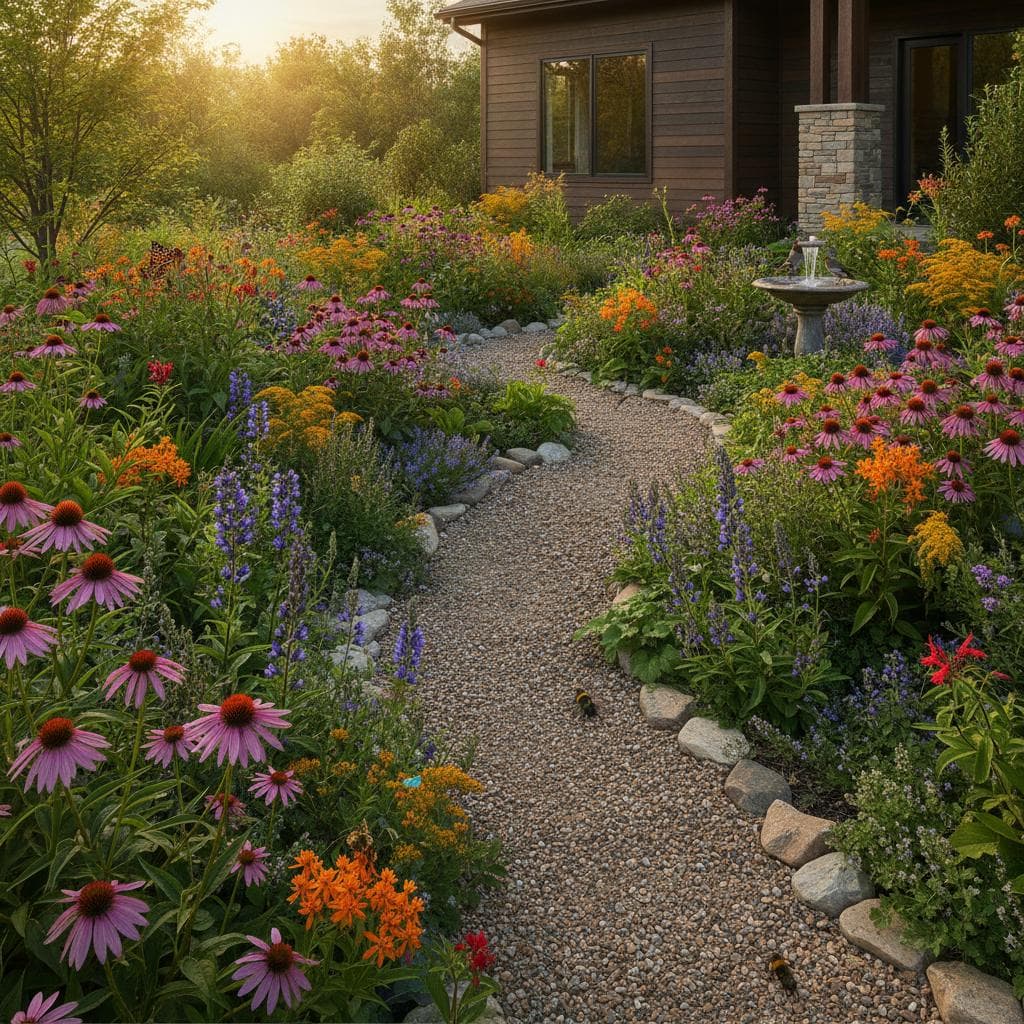
- Layered plantings draw birds, insects, and pollinators to bolster ecosystems.
- Green barriers shade areas and cut heat reflection for natural cooling.
- Trees and shrubs capture carbon dioxide and release oxygen.
This blend of wellness, design, and sustainability positions acoustic landscaping as a forward-thinking choice.
Examples in Urban and Suburban Settings
City dwellers craft vertical gardens in courtyards as sound walls and art. Ivy on trellises behind seating pairs with bamboo planters, converting noisy balconies to sanctuaries.
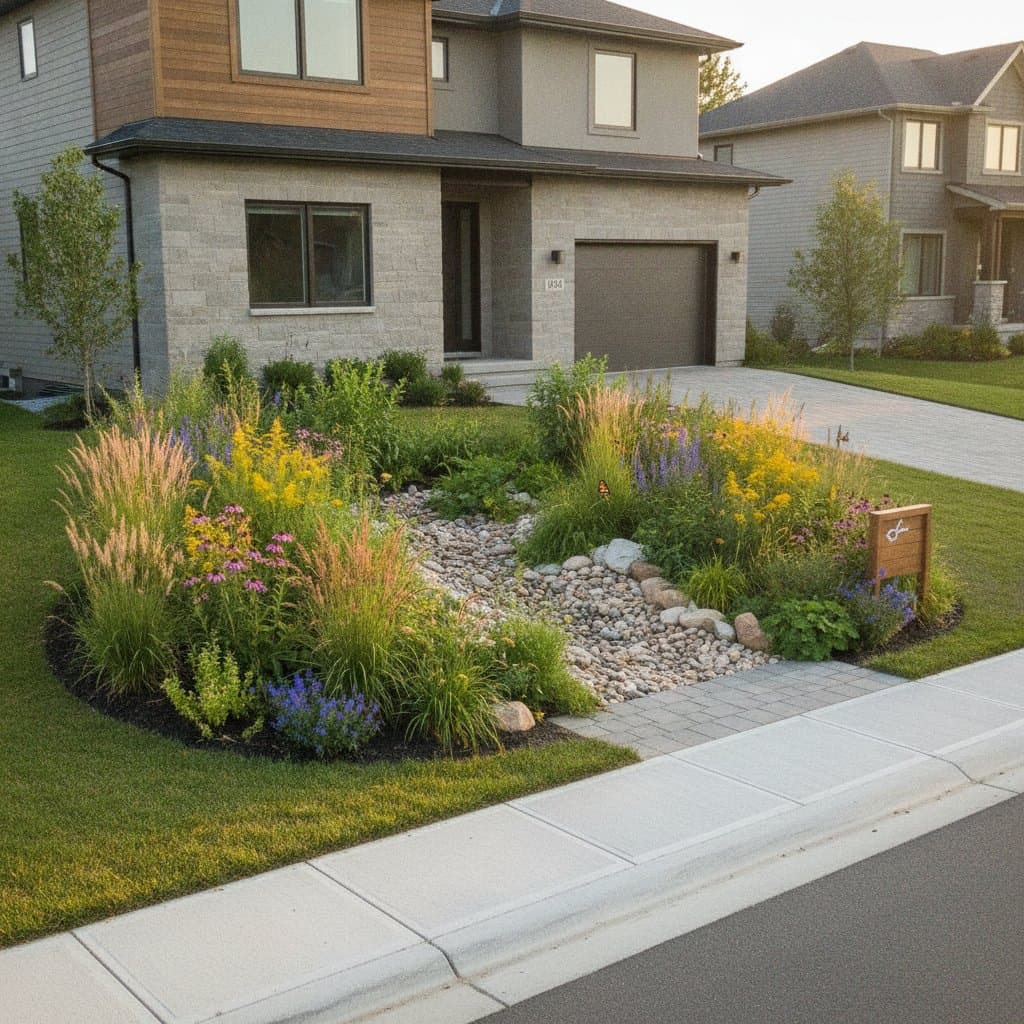
Suburban yards layer fences with evergreens outside and shrubs plus grasses inside. This creates private, rich boundaries that reduce sound without isolation.
Luxury hotels and spas use greenery to separate relaxation areas from services, merging aesthetics with acoustic ease.
Steps to Build Your Sound-Reducing Garden
Start with observation and planning, regardless of budget.
- Identify noise sources and paths into your property.
- Measure space for suitable plant heights and depths.
- Select layered mixes of trees, shrubs, and ground covers.
- Schedule pruning to sustain barrier density.
- Include evergreens for consistency and deciduous plants for variety.
A simple hedge noticeably lowers perceived noise, amplified by details like gravel paths or textured walls.
Maintaining Acoustic Performance
An established garden transforms home experiences, swapping mechanical sounds for leaf rustles.
Preserve effectiveness by:
- Pruning to keep density.
- Replacing unhealthy plants to seal gaps.
- Refreshing mulch and soil for acoustic health.
- Monitoring growth to balance heights.
This ongoing care ensures lasting tranquility and vitality.