Transform Your Home Repairs with DIY Mycelium Insulation
Lena Torres dismissed the idea at first. A friend mentioned using mushrooms for wall insulation during a late-night viewing of eco-home documentaries, and the concept seemed far-fetched. Months later, she stood in her garage wearing gloves, surrounded by bags of sawdust and white, fuzzy growth resembling overgrown cotton candy. The outcome proved effective: an insulation panel that warmed her drafty studio without relying on synthetic materials or industrial chemicals.
This scenario grows familiar among homeowners exploring mycelium insulation. This biodegradable, low-cost option serves as an alternative to traditional foam or fiberglass. Originating from sustainable architects, the practice now empowers DIY communities in green home repairs.
Why Mushrooms Are Taking Over the Toolbox
Inside the Science of Mycelium Insulation
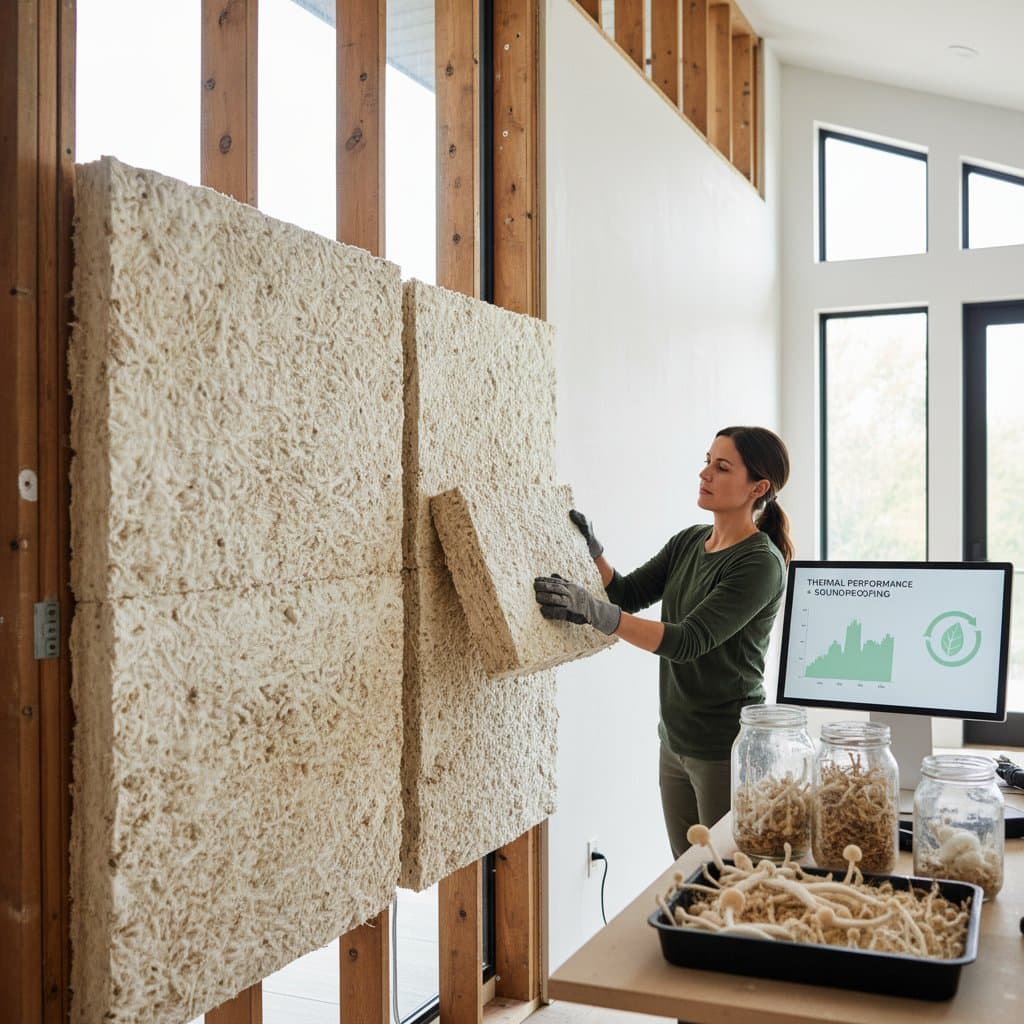
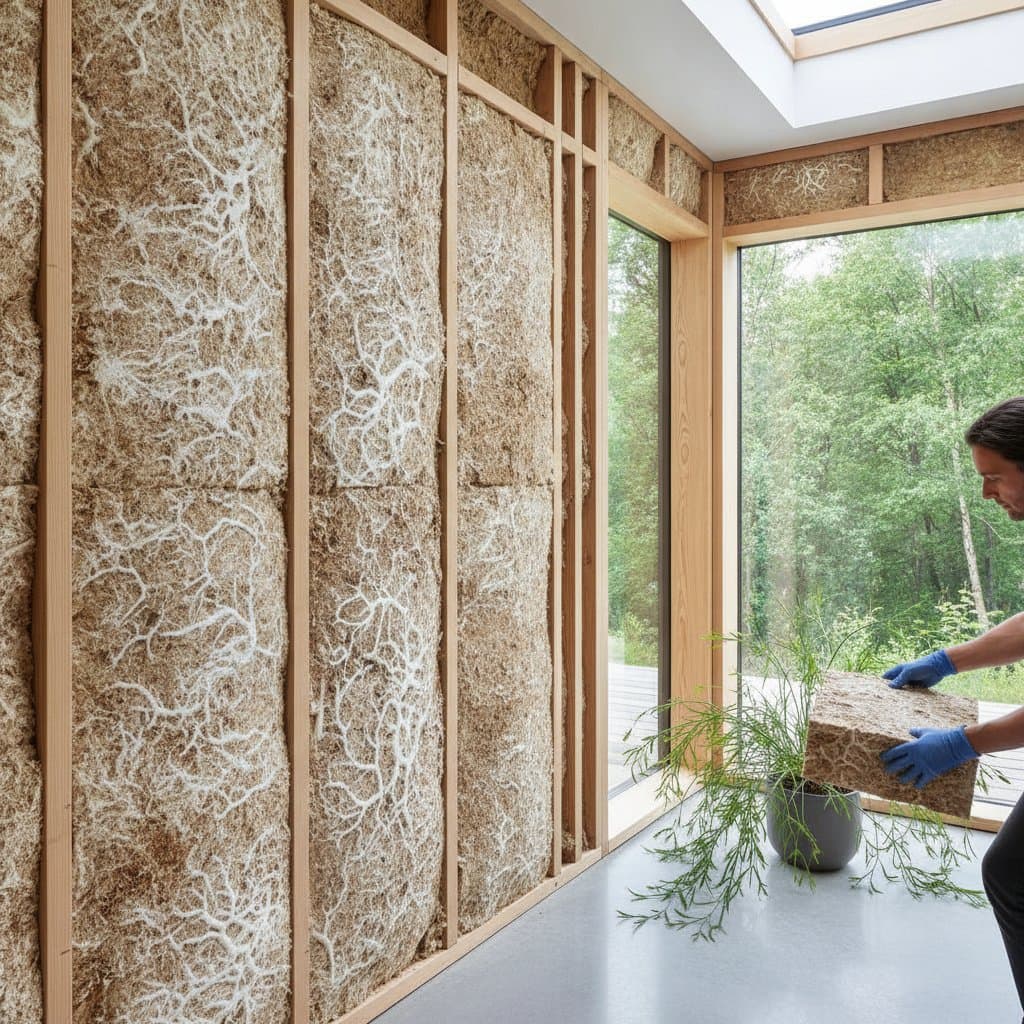
Mycelium insulation operates through biological processes. Fungal threads extend microscopically to bind particles, forming a dense, foam-like structure over several days. Heat treatment kills living cells, stopping growth while retaining the material's form and integrity.
Thermal Performance
The structure traps air effectively, achieving insulation values similar to standard materials. It moderates temperature fluctuations by limiting heat transfer, fostering stable indoor conditions.
Acoustic Properties
Porous design absorbs sound waves, minimizing echoes and external noise. This feature suits studios and urban apartments facing soundproofing demands.
Fire Resistance
Cured mycelium chars instead of igniting fully, impeding flame progression. This property enhances safety compared to petroleum-derived foams.
Moisture Control
Post-drying, mycelium resists mold when sealed appropriately. It withstands humidity without degradation, fitting for interior walls or ceiling applications.
Repairing with Mycelium
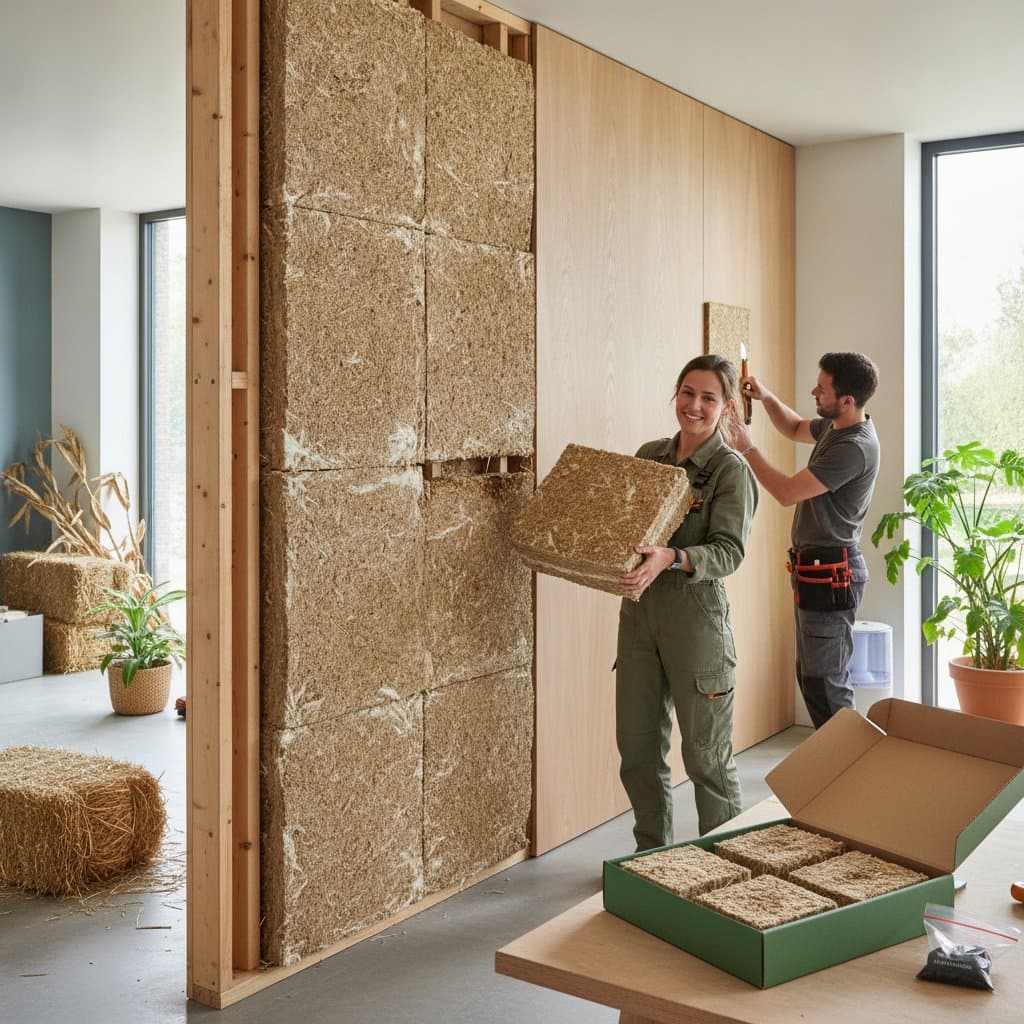
Apply mycelium insulation in diverse scenarios, such as complete wall panels or targeted patches on existing setups. It seals gaps near windows, doors, or attics prone to air infiltration.
For minor fixes, prepare a mixture and allow growth in situ. The material adapts to uneven surfaces for a tight seal. After curing, it adheres naturally to wood, plaster, or brick.
Enthusiasts employ it as soundproofing filler between floors or in recording spaces. Its versatility invites innovative uses, from mending deteriorated walls to substituting outdated foam.
Expert Insights from the Field
Architectural pioneers have investigated mycelium for years, yet the DIY surge propels real-world applications. A sustainable design researcher notes, “What excites is the democratization of material science. People do not merely purchase eco-products; they cultivate them.”
Professionals highlight the learning curve. Unlike synthetics, mycelium responds to environmental factors like temperature, humidity, and sterility, demanding attentiveness. This engagement shifts perspectives, viewing materials as dynamic systems rather than static goods.
An architect developing mushroom-based housing prototypes states, “Growing insulation transcends creating a panel. It weaves a narrative of regeneration.”
Safety and Longevity
Cured mycelium demonstrates stability despite organic roots. Proper sealing guards against decay and infestations. It complies with standards for fire resistance and low toxicity.
Position it thoughtfully to maximize benefits. Steer clear of prolonged water contact, and apply protective coatings in humid zones. Ideal for interiors, attics, or ceilings, it excels in controlled settings.
Conduct yearly inspections for cracks or dampness. Damaged portions compost easily, allowing replacement with new growth. Handling avoids skin irritation or airborne hazards associated with fiberglass.
Cost and Accessibility
Costs vary by method. Pre-made panels from suppliers carry premium prices. Home cultivation slashes expenses, with substrate bags and spawn producing ample material for repairs at minimal outlay.
Time represents the primary commitment. Growth and curing span days, integrable into broader projects. For many, the observational process delivers empowerment and a sense of innovation.
Community expansion among makers, farmers, and builders broadens resources. Online forums and workshops dedicate segments to mycelium techniques, easing entry.
Cultural Resonance and Aesthetic Appeal
Mycelium insulation fulfills a yearning for organic authenticity beyond utility. Its soft texture and natural hues promote tranquility and harmony absent in conventional builds. Designers expose sections as focal points, elevating concealed elements to artistic expressions.
In a synthetic-heavy era, mycelium's organic variations refresh. It embodies cycles of growth, decay, and renewal, echoing natural rhythms.
This bond fuels builder enthusiasm. The choice blends sustainability with creativity, akin to baking or pottery, now applied to living spaces.
Getting Started with Mycelium Repairs
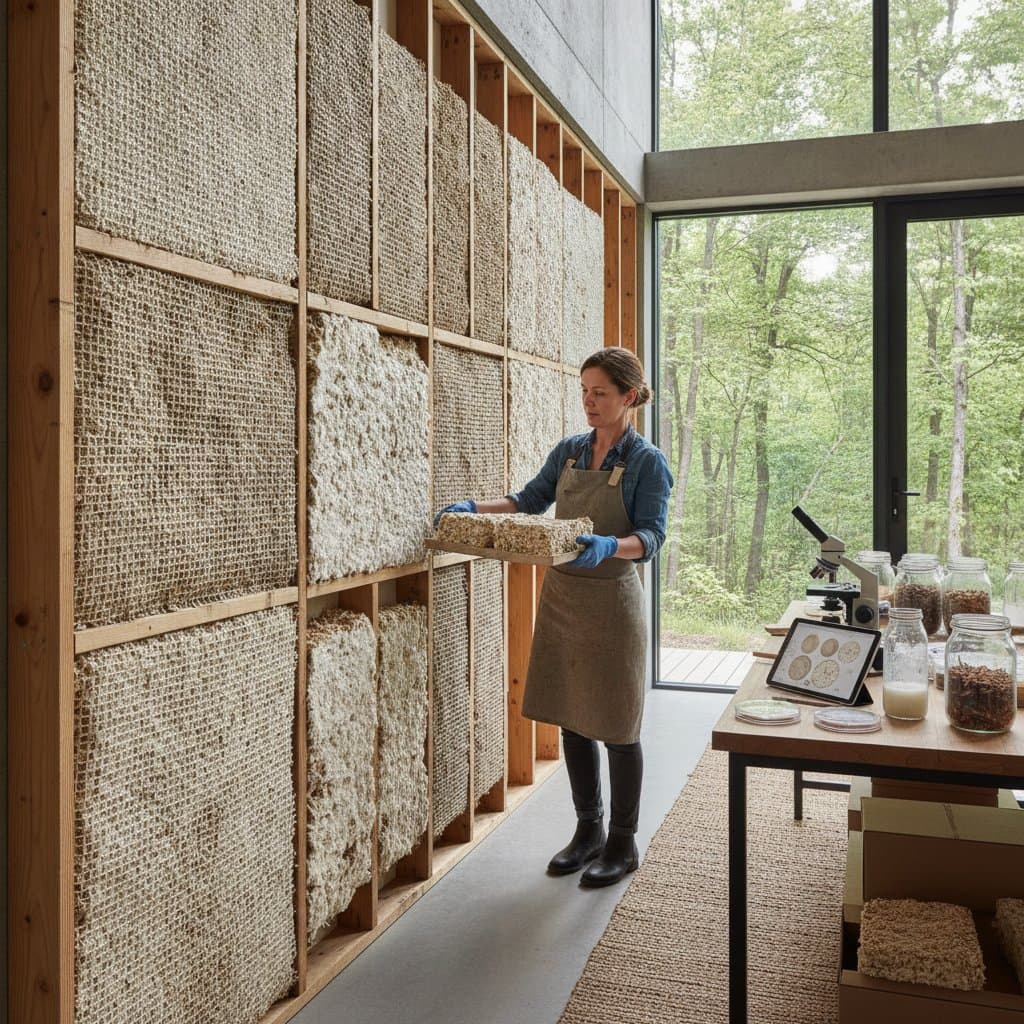
Begin modestly with a test panel or patch. Gather supplies: fungal spawn, substrate like sawdust or straw, a mold or form, and a controlled space. Sterilize tools and workspace to prevent contamination.
- Mix spawn with moistened substrate in a breathable bag or container.
- Incubate at 70-80 degrees Fahrenheit for 5-7 days, monitoring for even growth.
- Transfer to mold, allow 7-10 days for expansion, then bake at 180 degrees Fahrenheit for 2 hours to cure.
- Seal with natural varnish for protection.
Record conditions and outcomes to refine techniques. Each attempt reveals insights into growth and durability, building confidence for larger projects. This hands-on approach not only insulates homes but cultivates a deeper environmental stewardship.