Mycelium Insulation: A Sustainable Alternative to Foam
Mycelium insulation represents a breakthrough in bio-based building materials. Derived from the root-like structure of fungi, this material combines renewability with impressive durability, appealing to homeowners committed to environmental responsibility and practical performance. For renovations, repairs, or efficiency upgrades, mycelium provides an option that aligns ecological goals with everyday comfort.
This article examines the composition of mycelium insulation, its advantages over traditional options, and practical applications for integrating it into home projects. Readers gain insights into selection, installation, and long-term benefits to inform their next building decision.
Understanding Mycelium Insulation
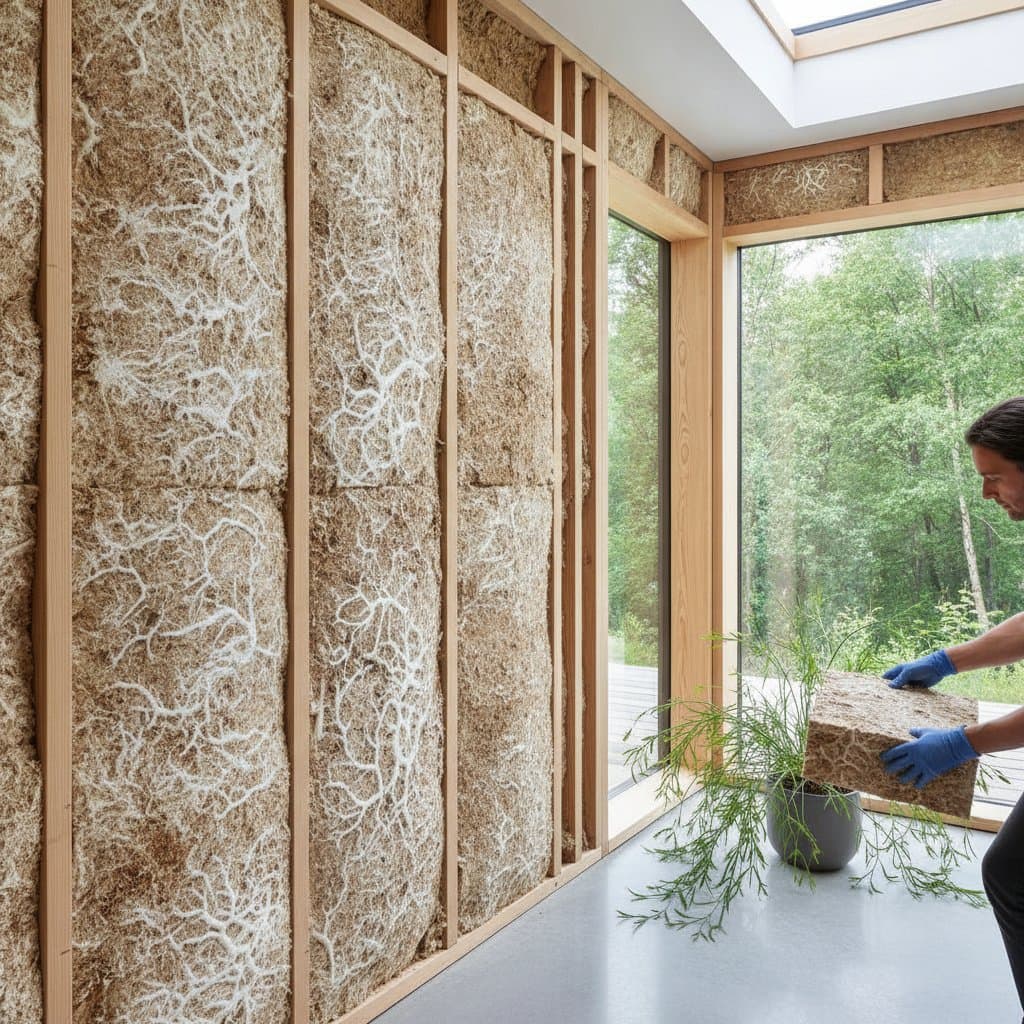
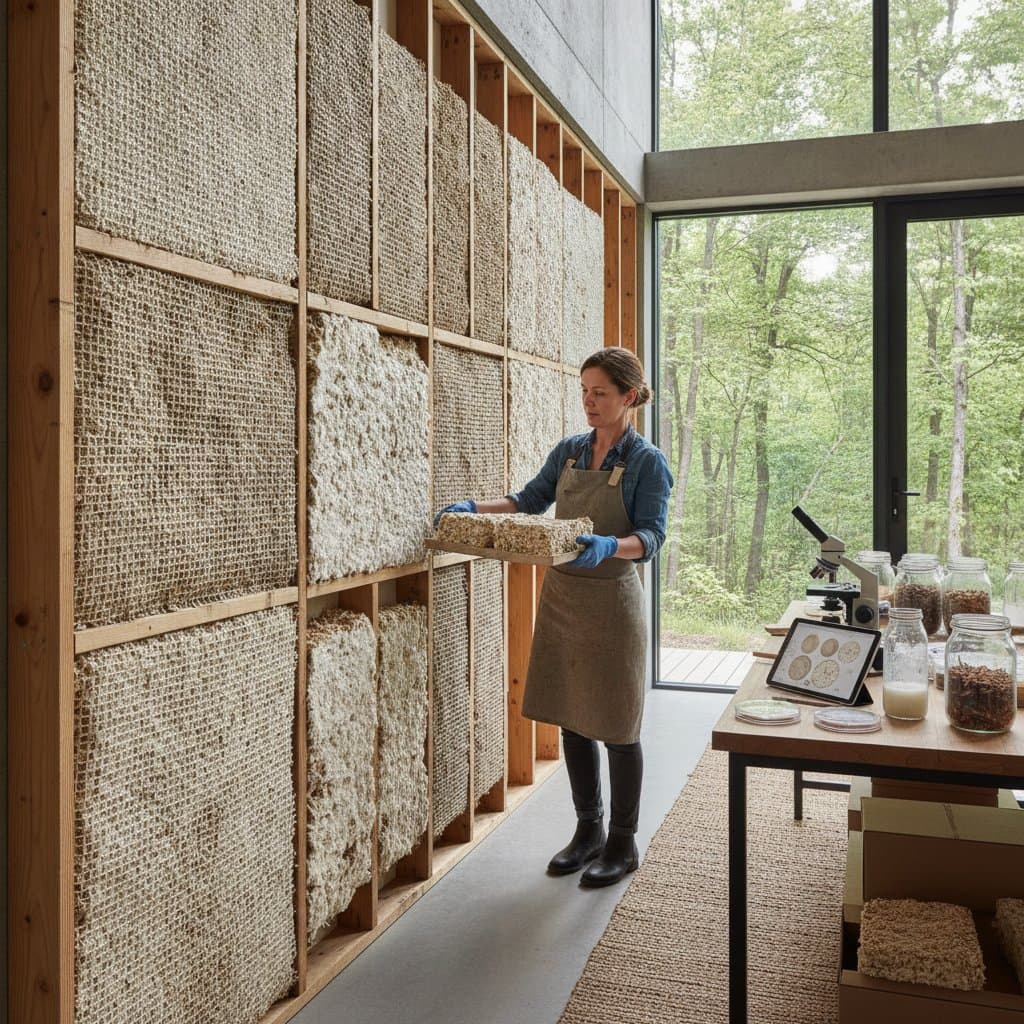
Mycelium forms the vegetative part of fungi, a network of thread-like cells that grows rapidly on organic substrates such as agricultural waste. To create insulation, manufacturers inoculate materials like corn stalks or wood chips with mycelium spores, allowing the fungus to bind the substrate into a solid form over several days. The result is a lightweight, rigid panel or loose fill that hardens without requiring high heat or chemicals.
Environmental and Performance Advantages
Traditional insulation contributes significantly to landfill waste, as petroleum-based foams resist breakdown for centuries. Mycelium, by contrast, returns to the earth through composting, closing the loop on material use. During repairs, this means less debris from demolition and simpler disposal of old sections.
Performance-wise, mycelium delivers R-values comparable to foam, typically ranging from R-3 to R-5 per inch, depending on density. It excels in moisture regulation, allowing walls to breathe and preventing mold growth in humid climates. Fire resistance adds another layer of safety; the material chars rather than melts, meeting building codes in many regions without added treatments.
Acoustic benefits further enhance livability. In noisy urban settings, mycelium absorbs sound waves effectively, reducing echoes in rooms or vibrations through floors. These qualities make it suitable for comprehensive repairs addressing both energy loss and comfort issues.
Applications in Home Repairs and Renovations
Mycelium insulation adapts to various spaces, offering flexibility for targeted fixes or full upgrades. Its modular nature supports precise installations, minimizing disruption during projects.
Interior Walls and Ceilings
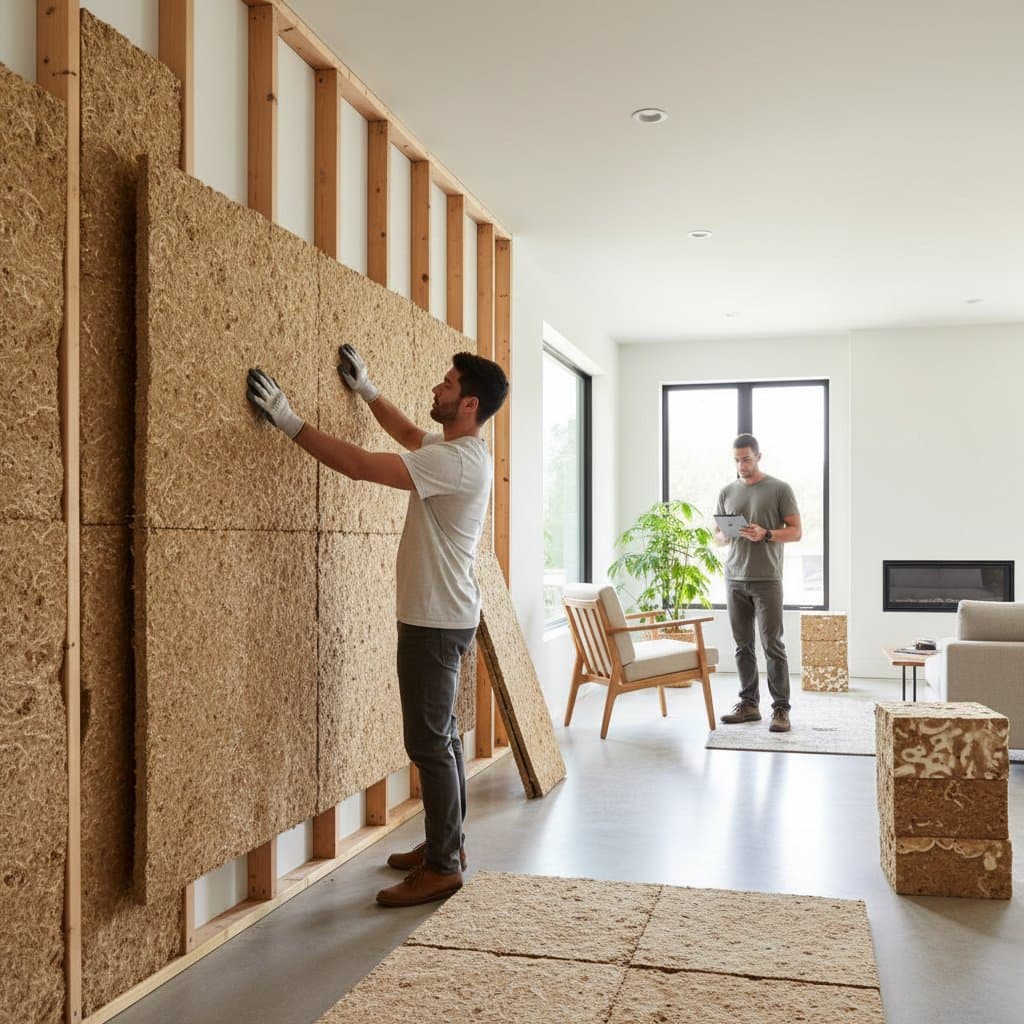
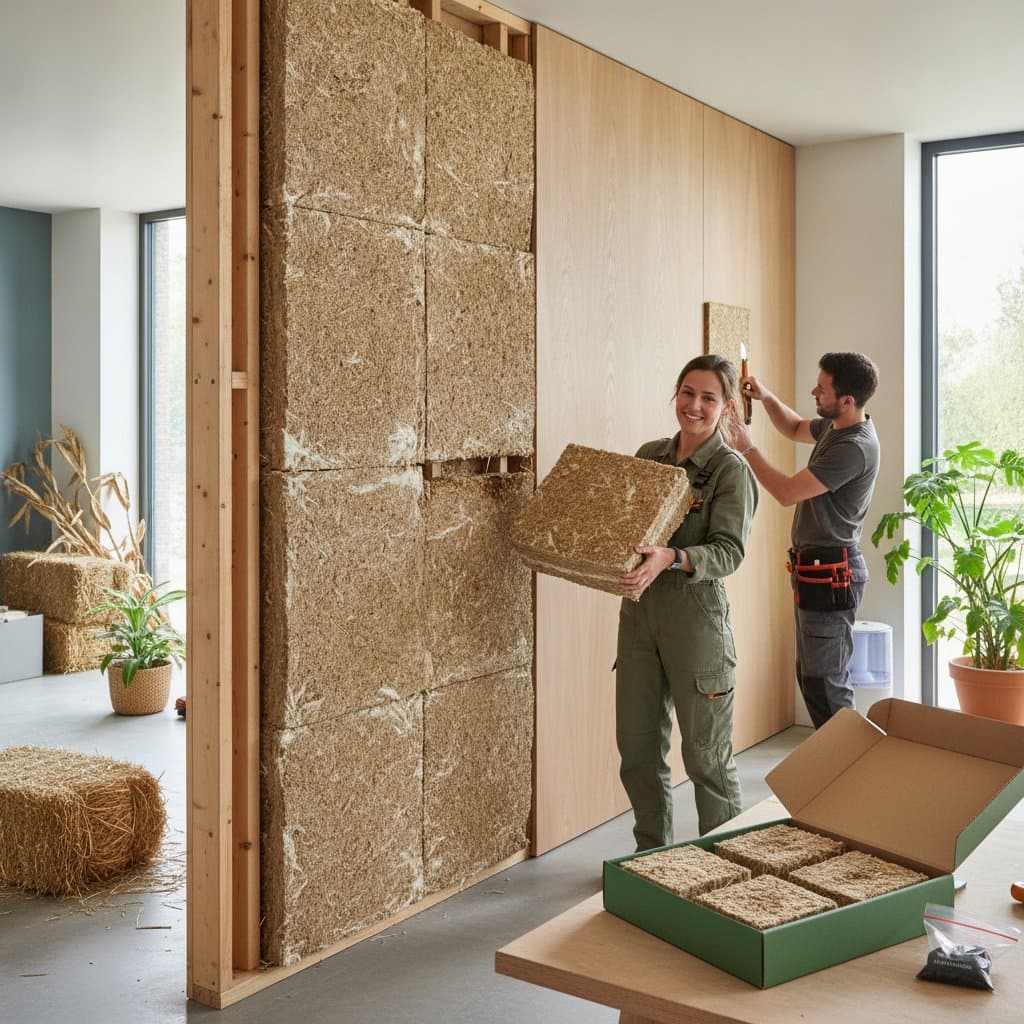
For interior walls, install mycelium panels between studs after removing damaged sections. Measure the cavity, cut panels to fit using a utility knife, and secure with adhesive or mechanical fasteners. In ceilings, place panels across rafters before adding drywall, ensuring even coverage for optimal thermal barriers.
This approach works well for patching water-damaged areas. After drying the structure, fill voids with mycelium to restore integrity without synthetic fillers that could trap moisture.
Floors and Substructures
Beneath hardwood or tile floors, lay mycelium boards over joists to dampen sound transmission from below. The material's density provides cushioning, ideal for multi-story homes where footsteps echo. Secure boards with screws spaced every 12 inches, then cover with subflooring for a seamless finish.
In basements prone to drafts, mycelium serves as a rigid underlayment, combining insulation with minor leveling to address uneven concrete.
Exterior and Outbuildings
For sheds or garages, attach mycelium sheets to framing before siding. Its lightweight profile reduces structural load, making it practical for additions or retrofits. In exterior walls, pair it with vapor barriers to enhance weather resistance without compromising breathability.
Small-scale repairs, such as filling cracks in foundations, benefit from loose-fill mycelium. Pour it into gaps, where it expands slightly to conform, then tamp down for stability.
Installation Considerations and Tools
Most mycelium products arrive ready-to-use, but some DIY options involve growing batches at home. Start with a kit containing spores and substrate; mix in a mold, maintain humidity at 80 percent for five to seven days, and dry the formed block in sunlight. This method suits experimental users but requires ventilation to manage minor odors during growth.
Essential tools include a tape measure, straightedge, and safety gear like gloves and masks. Panels cut cleanly, reducing waste compared to brittle foams. For larger projects, consult local suppliers for custom sizes to streamline the process.
Professional installation follows standard framing practices, often taking less time due to the material's workability. Verify compatibility with existing systems, such as HVAC, to maximize efficiency gains.
Cost Analysis and Sourcing
Initial costs for mycelium insulation range from $1.50 to $3 per square foot, higher than basic fiberglass at $0.50 to $1. However, energy savings of 10 to 20 percent on heating bills recoup the difference within three to five years. Durability extends lifespan beyond 50 years, eliminating frequent replacements.
Availability has improved with suppliers like Ecovative Design and regional eco-builders offering online and in-store options. Search for certified products to ensure quality. For budgets, prioritize high-impact areas like attics, where returns on investment prove quickest.
Bulk purchases or project kits lower per-unit prices, and incentives from green building programs may offset expenses. Track local initiatives for rebates on sustainable materials.
Embracing Mycelium for Lasting Home Improvements
Adopting mycelium insulation transforms routine repairs into opportunities for resilience. Homeowners report noticeable differences in stable indoor temperatures and quieter environments after integration. This material not only performs but also connects living spaces to natural cycles.
Begin with a single application, such as an attic retrofit, to experience the shift. Measure energy use before and after to quantify benefits. As familiarity grows, expand to whole-home systems, fostering a legacy of thoughtful stewardship.
Sustainable choices like mycelium build equity in properties, appealing to future buyers valuing eco-features. Each project reinforces the principle that effective design harmonizes human needs with planetary health.