How Mycelium Insulation Revolutionizes Sustainable Home Repairs
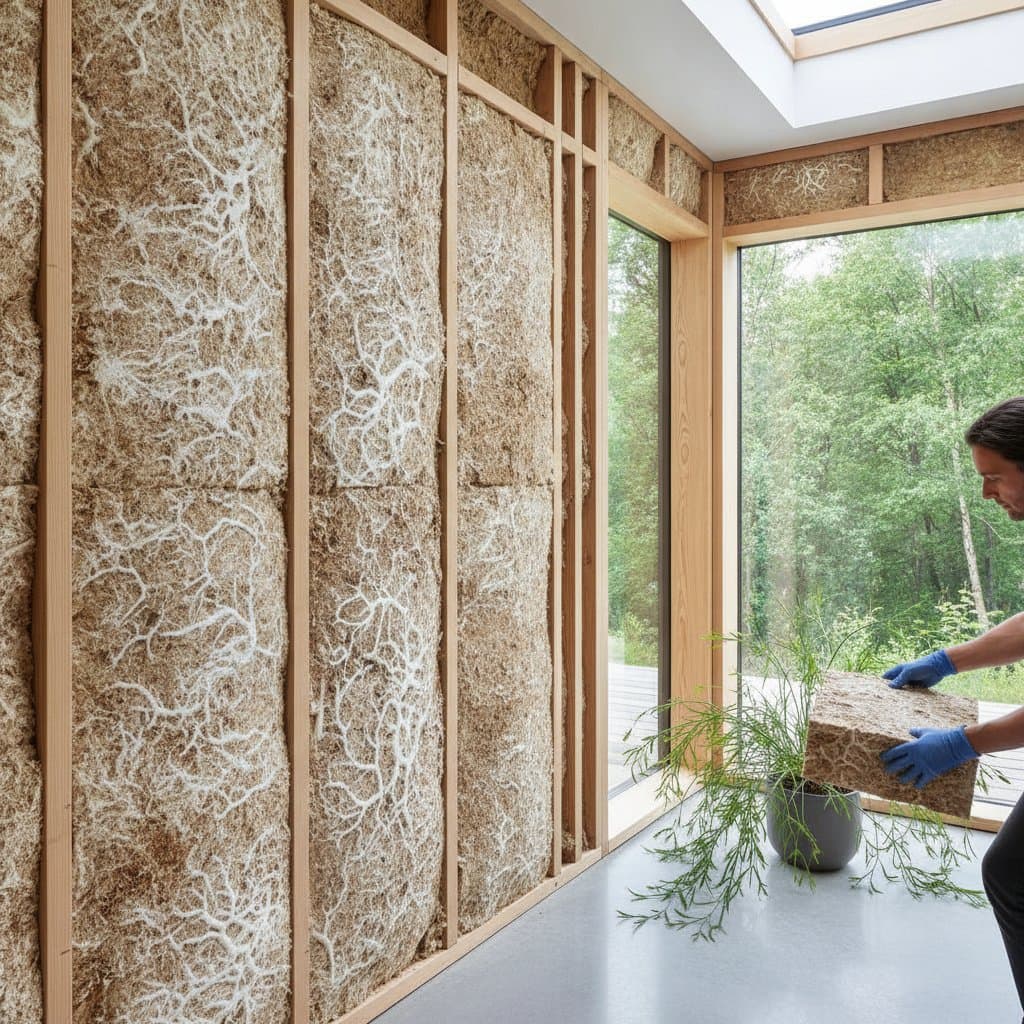
Imagine tracing your fingers over a newly repaired wall, aware that a dynamic fungal network resides within. This mycelium structure serves as insulation while enhancing your home's efficiency and environmental harmony. It positions nature as an active participant in construction, managing temperature, reducing noise, and improving air quality.
Mycelium insulation emerges as a key innovation in sustainable building and repair practices. Visually similar to dense foam or compressed cork, it challenges conventional material paradigms. Grown instead of produced, it adapts to needs without depleting resources and decomposes without environmental harm.
Understanding Mycelium's Biological Foundation
To appreciate its impact on home repairs, consider mycelium's essence. It forms the subterranean web of fungi, facilitating nutrient exchange, organic decomposition, and ecosystem support. In controlled settings, this web develops into lightweight, robust forms that rival polystyrene or fiberglass in insulation performance, yet avoid ecological drawbacks.
Limitations of Conventional Insulation Options
Traditional materials prevail in the market, but their drawbacks grow evident. Fiberglass production demands high energy and poses health risks through irritation. Petroleum-based foams emit volatile compounds and complicate disposal.
Mycelium insulation adopts a contrasting approach. Cultivation replaces manufacturing, and partnership with natural resources supplants extraction. It utilizes renewable inputs, consumes little energy, and integrates back into soil cycles. This method bridges timeless ecological principles with contemporary demands.
Transforming Home Repairs Through Eco Principles
Repairs typically patch outdated systems with mismatched materials, weighing performance against ethics. Mycelium restores equilibrium by aligning with eco-repair strategies that emphasize renewal over substitution.
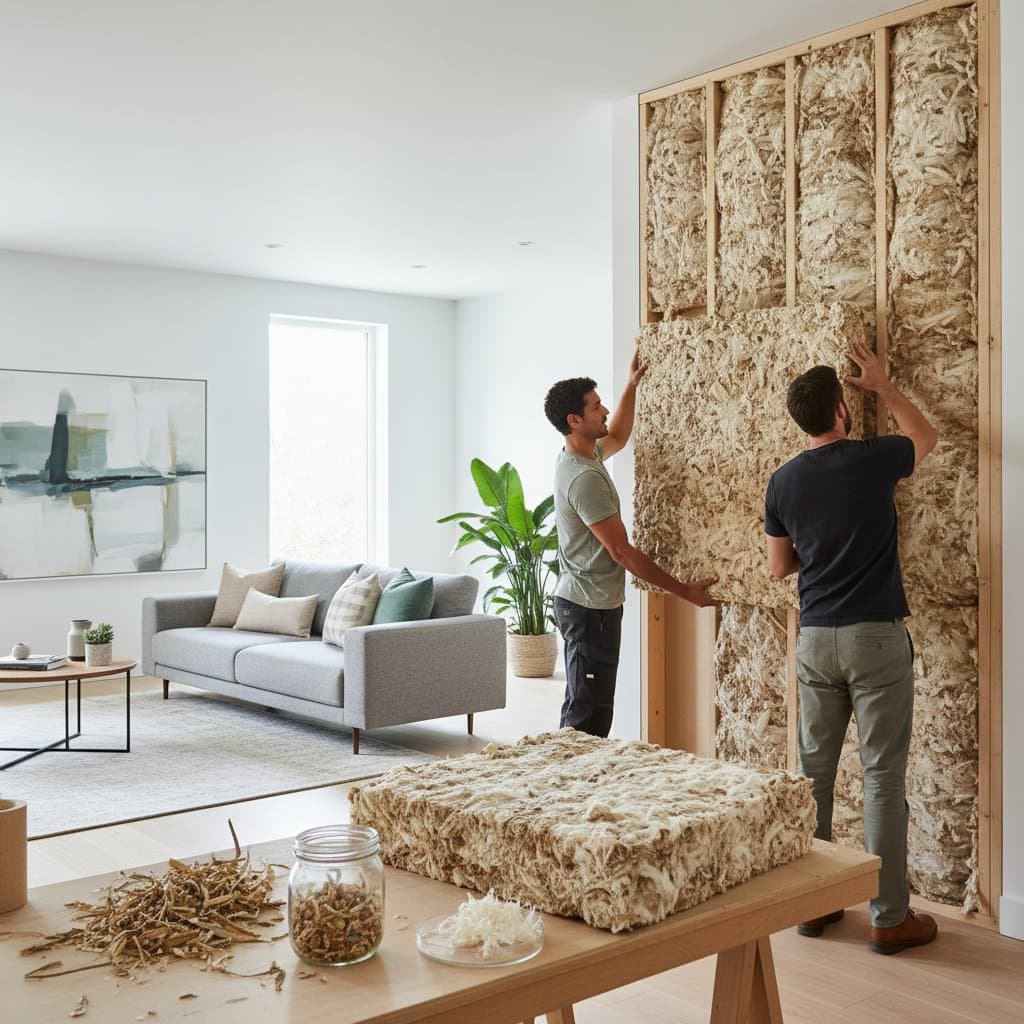
Envision installing panels cultivated locally from waste products. These lightweight, compostable units install seamlessly and permit natural vapor exchange to avert mold. They maintain stable temperatures and elevate indoor air by sequestering pollutants and moderating humidity.
Superior Performance from Natural Origins
Mycelium excels in diverse functions. Its thermal resistance conserves energy by retaining heat in winter and deflecting it in summer. The porous design dampens sound for tranquil spaces. Fire exposure causes charring without toxic release or melting.
Environmentally, it minimizes carbon emissions. Fungal growth sequesters CO2 during waste processing, and end-of-life composting fuels new cycles. Homeowners gain a versatile solution that balances efficacy, safety, and planetary stewardship.
Integrating Mycelium into Everyday Residences
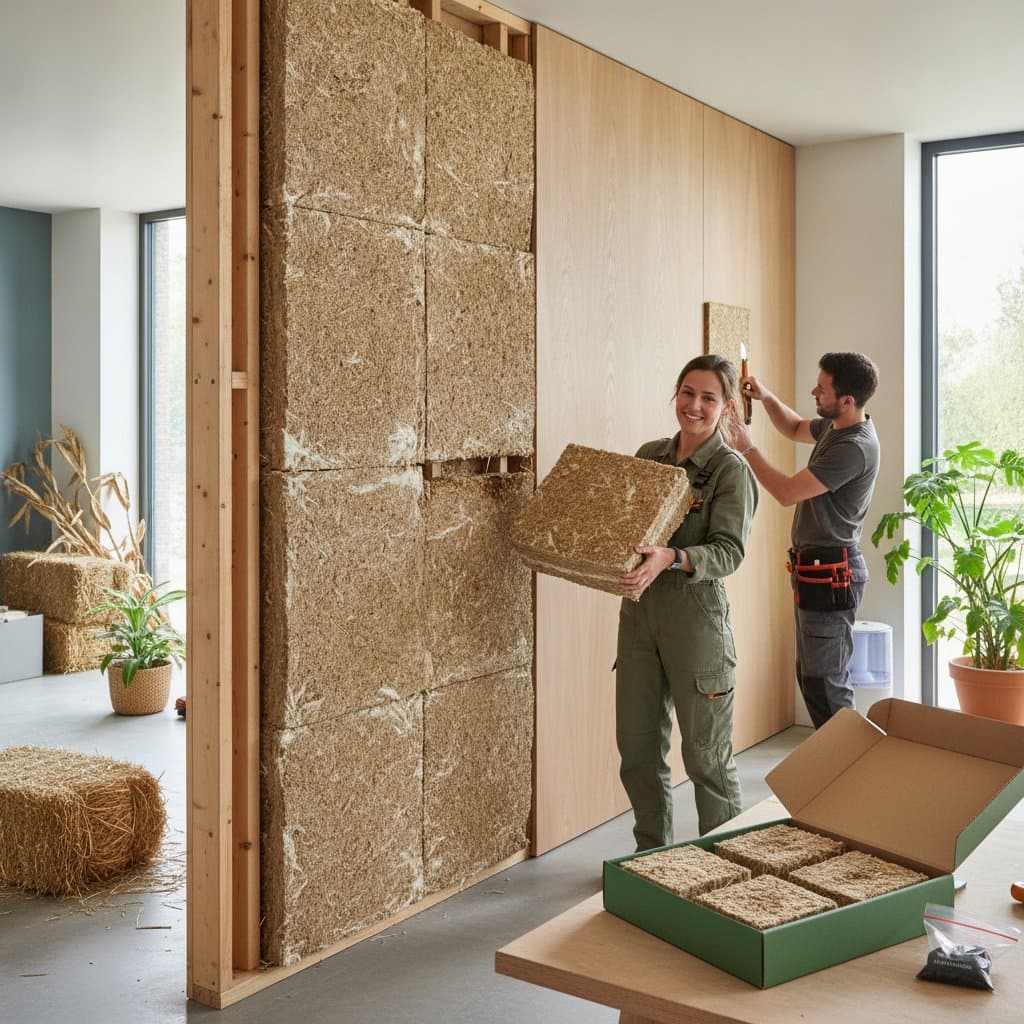
Though innovative, mycelium proves practical for standard applications. Panels conform to conventional dimensions for stud bays or serve as fill for attics, walls, and floors with few modifications.
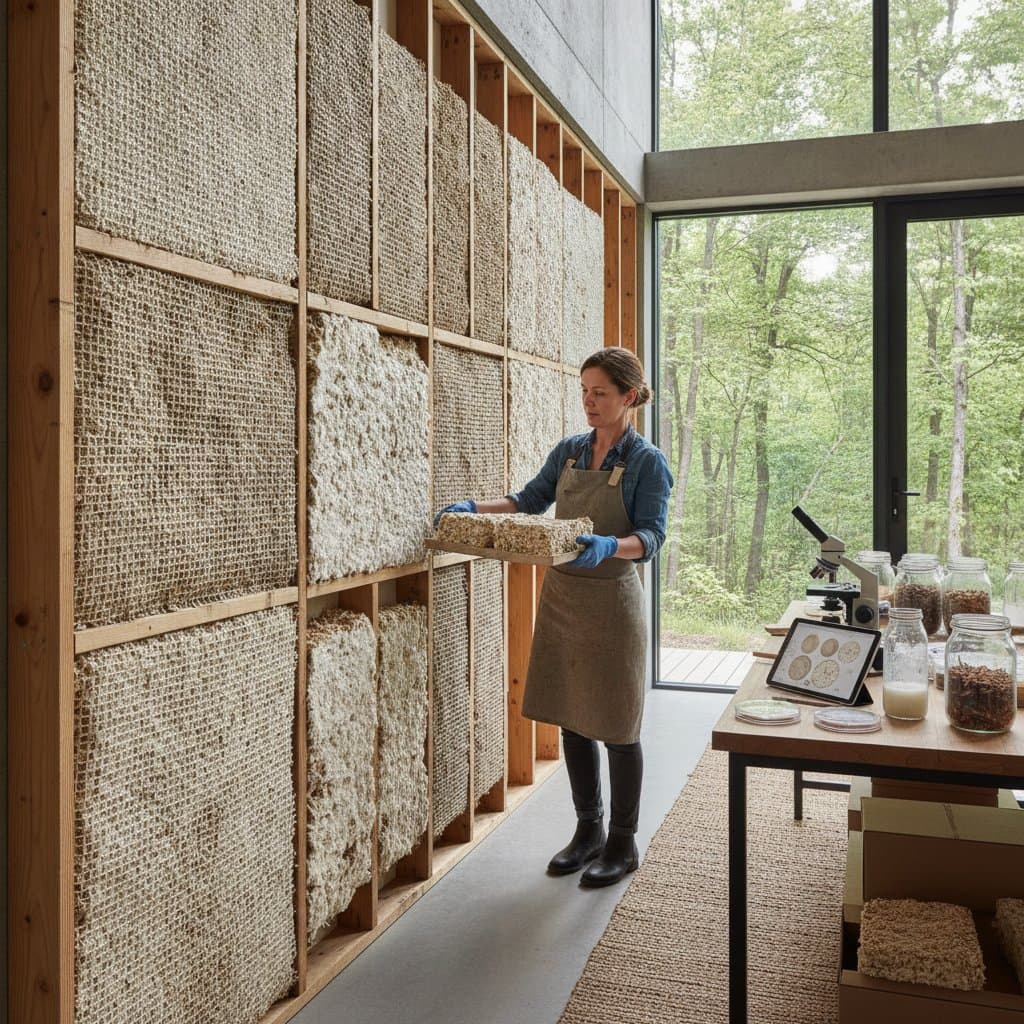
For minor fixes or personal projects, starter kits enable home cultivation of blocks using provided spores and substrates. In a few days, individuals produce custom materials, blending repair with educational engagement.
Enhancing Spaces with Organic Aesthetics
Mycelium's irregular, earthy texture infuses authenticity into interiors. Designers expose it for visual interest, harmonizing with biophilic or minimalist aesthetics to foster warmth.
Choosing such materials fosters a sense of connection to natural rhythms. Repairs evolve into dialogues with the environment, enriching daily living.
Ensuring Longevity and Safety in Use
Durability concerns arise with biological materials, yet evidence affirms reliability. Post-treatment, mycelium remains stable and non-proliferating, enduring compression like cork.
In humid settings, integrate with vapor-permeable systems and apply bio-coatings for protection. Proper installation extends service life comparable to synthetics.
Boosting Local Economies Through Regional Production
Mycelium's reliance on local byproducts enables community-scale manufacturing. Facilities process nearby straw or husks, converting discards into assets and cutting transport emissions.
This model fosters partnerships among agriculture, construction, and design sectors, promoting resilient networks.
Advancing Regenerative Repair Practices
Regenerative repairs seek holistic restoration. Mycelium embodies this by upcycling waste, binding carbon, and enabling renewal.
Drywall replacement with mycelium panels not only mends but purifies air and lowers emissions. Attic retrofits save energy while curbing resource demands, amplifying individual efforts toward global balance.
Practical Incorporation Strategies
Incorporate mycelium through targeted projects for tangible benefits.
-
Wall Upgrades: Substitute synthetic batts with fitting panels to enhance breathability and eliminate moisture risks.
-
Sound Management: Install textured tiles for dual acoustic and decorative roles in living areas.
-
Custom Furnishings: Form composites into functional items like lighting or seating for sustainable flair.
-
Home-Grown Patches: Cultivate blocks for spot repairs, minimizing waste in storage or walls.
-
Exterior Uses: Apply treated variants in dry outdoor structures for efficient climate control.
These initiatives cultivate mindful, inventive habitats.
Perspectives from Industry Leaders
Experts in architecture and ecology view mycelium as a pivot to cultivation economies. It liberates design from extractive limits, enabling growth attuned to nature.
As adoption rises, economies of scale will lower costs, positioning it against established alternatives for widespread use.
Toward Widespread Adoption in Construction
Mycelium transitions from prototype to staple in green building. It equips homeowners to lessen impacts while preserving livability.
This material infuses purpose into structures, allowing homes to adapt symbiotically. Each installation advances a vision of harmonious, resilient living.