Self-Healing Materials: Effortless Repairs for Everyday Home Surfaces
Homes endure significant wear from daily activities. Floors withstand constant foot traffic, walls accumulate scuffs from furniture and movement, and countertops face spills, cuts, and heat. Traditional maintenance involves frequent repairs and cleaning, which demand time and effort. Self-healing materials offer a solution by automatically addressing minor damage, allowing surfaces to recover without intervention.
These materials integrate advanced polymers and microcapsules into everyday finishes. When damage occurs, such as a scratch or dent, the embedded agents activate to fill and seal the affected area. This technology transitions from laboratory research to practical home applications, enhancing durability while reducing the need for ongoing upkeep.
Practical Applications in Home Settings
Self-healing materials integrate into common home elements, providing targeted benefits. Availability increases in consumer products, with options that balance aesthetics and functionality. The following sections detail key areas for implementation.
Countertops Designed for Resilience
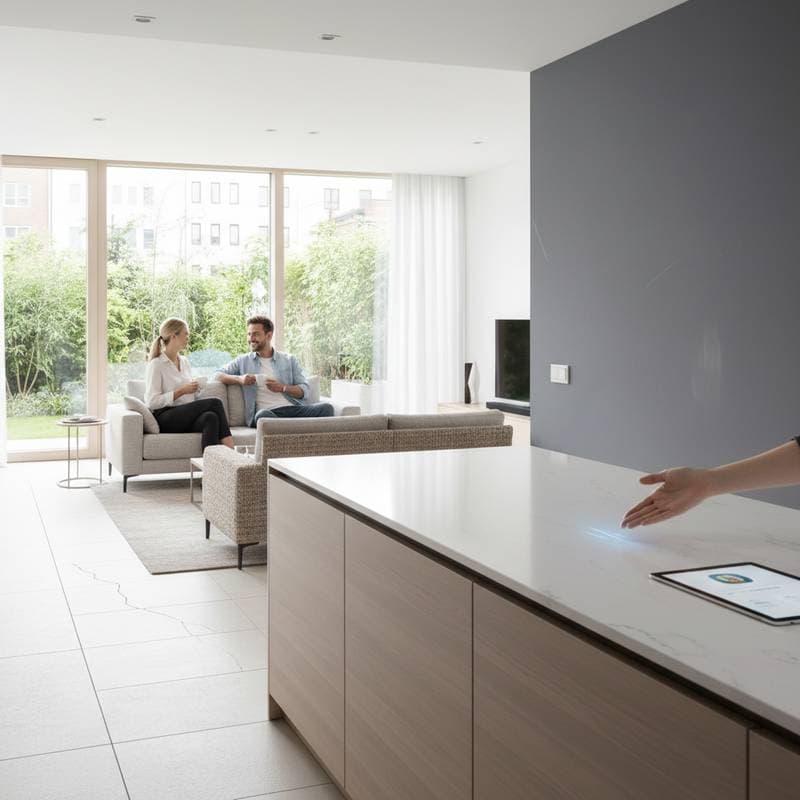
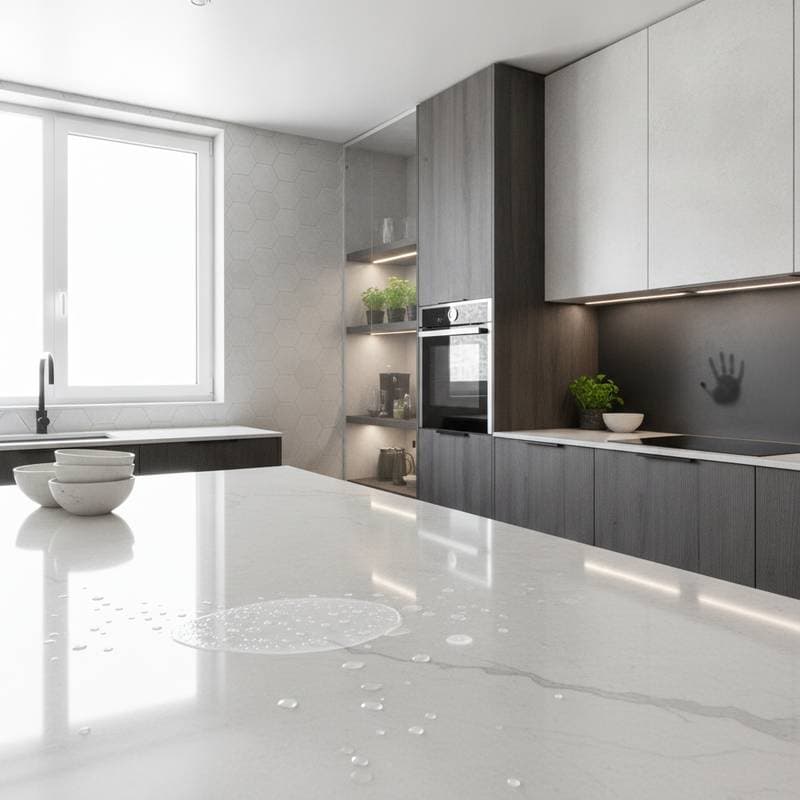
Kitchen countertops encounter intense daily use, including knife scratches, hot cookware, and liquid spills. Self-healing laminates incorporate microcapsules containing healing agents that rupture upon impact, releasing substances to mend cracks. For deeper marks, apply a warm cloth at around 40 degrees Celsius to facilitate the repair process, restoring the surface within minutes.
Interior designer Leah Cortez observes that these countertops extend usability by several years in high-activity kitchens. Select varieties mimicking natural stone, matte quartz, or polished concrete to match existing decor. Initial costs exceed standard laminates by 20 to 30 percent, yet they offset expenses through avoided refinishing.
Paints That Restore Wall Integrity
Walls in hallways, playrooms, and living areas often develop scuffs and marks from daily contact. Self-healing paints employ elastic polymers that deform under pressure and rebound to their original shape. Advanced formulations include microcapsules that dispense matching pigment and sealant upon abrasion, camouflaging damage seamlessly.
Renters appreciate this feature for maintaining pristine appearances without frequent repaints. Homeowners invest in it to preserve freshness between full renovations. Opt for satin or eggshell sheens in traffic-heavy zones; apply two coats for optimal performance, allowing 24 hours between layers.
Flooring Solutions for High-Traffic Zones
Vinyl planks and engineered hardwood now feature self-healing topcoats that respond to thermal activation. Scratches from furniture or pet claws trigger molecular realignment when exposed to mild heat, such as from a hairdryer set to low for 30 seconds. This process smooths imperfections without altering the floor's texture or color.
Designer Mark Ellis from Urban Grain Interiors recommends these for homes with children or animals, noting reduced anxiety over accidental damage. Installation involves standard underlayment and adhesive; choose click-lock systems for easy replacement of individual planks. Maintenance requires only damp mopping with neutral pH cleaners to preserve the healing mechanism.
Furniture Finishes for Lasting Appeal
Wooden tables, cabinets, and chairs benefit from self-healing varnishes that resist smudges, light scratches, and minor heat exposure. These coatings use reversible chemical bonds that reform under ambient conditions or slight warmth, eliminating small blemishes. Finishes retain a natural wood grain appearance in matte or low-luster options.
For upcycling thrift finds, apply self-healing polyurethane in thin layers, sanding lightly between coats for adhesion. This approach preserves patina while enhancing resistance. Mid-range furniture lines incorporate these at no premium, extending piece lifespan by 50 percent compared to untreated wood.
Bathroom Materials That Prevent Moisture Issues
Bathrooms endure humidity fluctuations and frequent cleaning, leading to cracks in grout and sealants. Self-healing caulks contain expanding agents that fill fissures upon water contact, blocking leaks. Mirror treatments include hydrophobic layers that self-clean fingerprints through subtle surface tension adjustments.
Home maintenance expert Jaya Patel highlights their role in averting hidden deterioration. Select silicone-based products for shower surrounds and tiles; reapply every two years for sustained efficacy. Pair with ventilated fixtures to maximize preventive benefits.
Incorporating Self-Healing Features Affordably
Adopting self-healing materials requires no comprehensive renovation. Targeted updates yield immediate advantages within budget constraints.
- Begin with spot treatments using repair kits, such as pens filled with polymer blends for walls or counters. Test on inconspicuous areas to evaluate activation time, typically 10 to 15 minutes.
- Upgrade high-wear zones like entryways with self-healing vinyl tiles, costing 15 percent more than basic options but lasting twice as long.
- Explore hybrid products that merge conventional durability with selective healing properties, available from brands like Sherwin-Williams or Armstrong Flooring.
- Integrate into appliances, such as self-repairing refrigerator panels, to extend utility without altering cabinetry.
Performance Expectations in Routine Scenarios
Self-healing surfaces operate seamlessly in daily environments. Activation occurs passively through environmental factors or minimal user input, with repairs completing in hours. Routine care mirrors traditional methods, including light dusting and spill removal.
The primary advantage emerges in reduced vigilance over minor incidents. Homes maintain uniform aesthetics, fostering a sense of order. Extended material life contributes to lower environmental impact by decreasing disposal rates.
Strategies to Optimize Self-Healing Performance
Maximize effectiveness through informed care practices.
- Select pH-neutral cleaners to avoid degrading embedded agents.
- Employ indirect heat sources, like steamed cloths, for activation without risking surface integrity.
- Adhere to product guidelines, including a 48-hour curing period post-application.
- Integrate preventive measures, such as coasters and rugs, to minimize damage frequency.
Implementing Self-Healing Upgrades Step by Step
Self-healing materials deliver unobtrusive reliability, ensuring surfaces recover from typical wear. Minor imperfections resolve quietly, preserving the home's polished state. This approach aligns with contemporary demands for low-maintenance living.
To integrate these innovations, assess priority areas like kitchens or playrooms. Source samples from local suppliers to verify compatibility with current styles. Track performance over months to inform future expansions, ultimately creating a resilient, welcoming space.