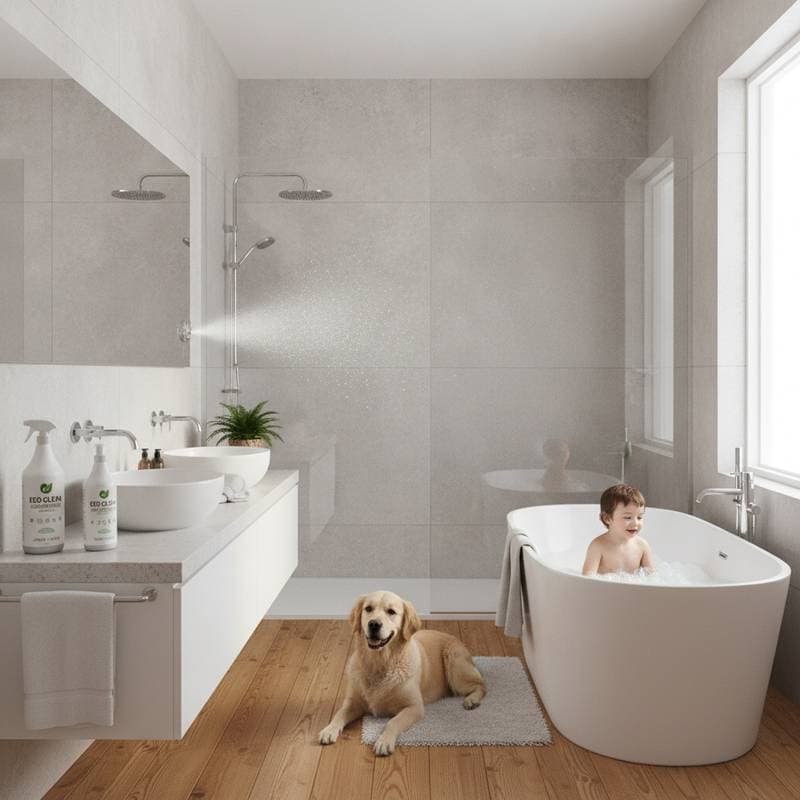
Grout-Free Tile Systems Reduce Upkeep in Bathroom Projects
Homeowners frequently dedicate weekends to removing mildew from grout lines. Traditional tile installation requires precise leveling, careful adhesive work, and repeated sealing of joints that collect moisture. Grout-free systems replace these seams with large interlocking panels that resist water and install in far less time.
After twenty years of bathroom renovations, these panel systems have proven effective for projects that demand a clean finish without ongoing maintenance.
Challenges of Traditional Tile
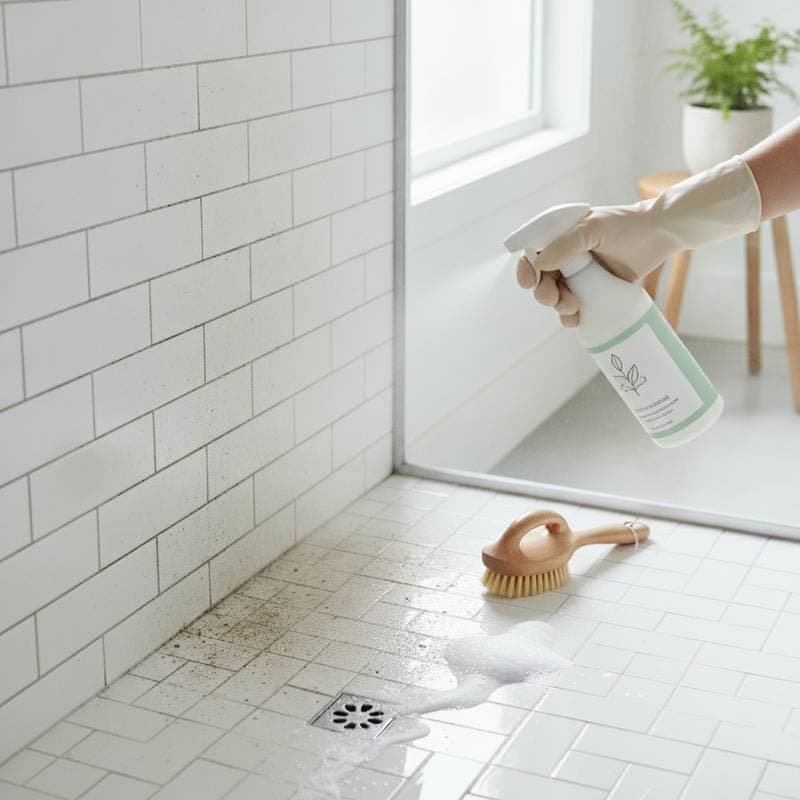
Ceramic and porcelain tiles need a perfectly flat base, uniform adhesive spread, and exact spacing between pieces. Small mistakes lead to uneven surfaces or cracks that appear later. Grout stays porous, absorbs soap residue, and supports mold unless homeowners reseal the joints on a regular schedule.
Grout-Free System Overview
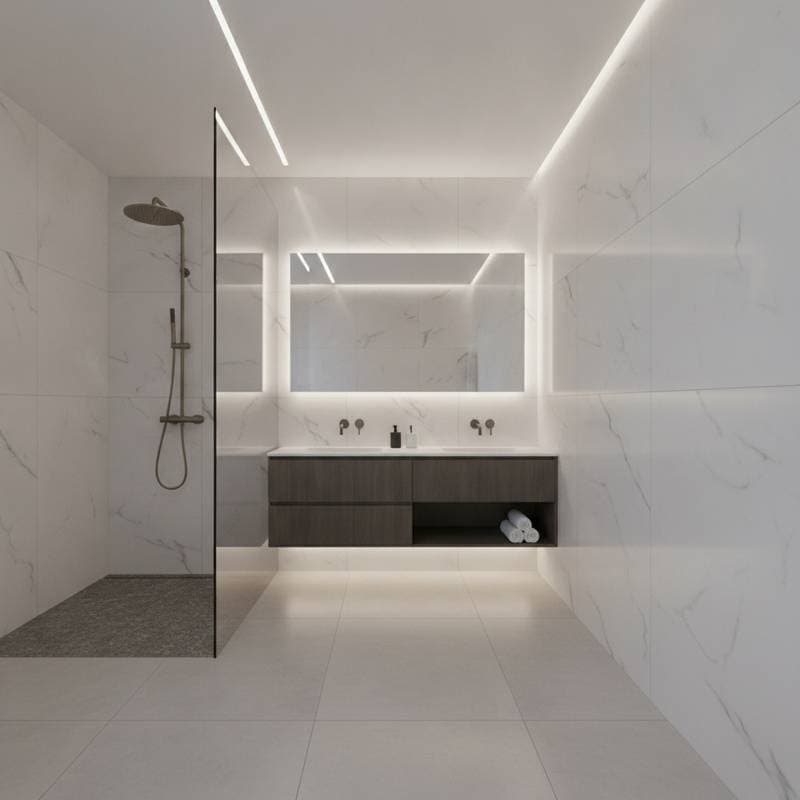
Grout-free products consist of solid panels made from acrylic, fiberglass, or composite materials. Interlocking edges form watertight seals without added filler. Printed or molded surfaces copy the appearance of marble, stone, or subway tile. Panels fasten directly over existing walls or backer board, which limits demolition.
Project Requirements
These systems shorten labor by roughly one week, yet they still require careful preparation. Walls must stay flat and stable. Panels need accurate cuts made with a circular saw or jigsaw. Large sections often weigh enough to require two people for positioning. Adhesive must cover the entire back surface to avoid air pockets.
Homeowners who handle basic carpentry and power tools can complete the work themselves. Uneven walls, complex plumbing, or older construction usually require professional help to preserve alignment and waterproofing.
Required Tools and Materials
- Measuring tape and level
- Circular saw with fine-tooth blade or jigsaw
- Drill with hole saws for plumbing openings
- Construction adhesive rated for wet areas
- Silicone sealant and caulk gun
- Painter's tape, shims, and plastic spreader
- Safety glasses and gloves
Most shower enclosures require three large panels plus corner trim and edge caps. Confirm that adhesive and sealant match the panel material before purchase.
Installation Sequence
- Remove loose coverings and confirm the substrate stays dry and smooth.
- Dry-fit panels to mark cutouts and check alignment.
- Spread adhesive evenly with a notched trowel, keeping material away from edges.
- Position the back wall panel first and verify it sits level.
- Fit side panels tightly and secure temporary tape while adhesive cures.
- Apply silicone to all seams and corners after curing, then smooth the finish.
- Attach trim pieces and fixtures once sealant dries.
The full process often finishes in one day.
Time and Cost Advantages
Skipping grout stages removes multiple drying periods. Professional tile work typically costs twice as much once labor and materials combine. Grout-free panels carry a higher initial price yet eliminate ongoing purchases of grout, spacers, and sealers. A nonporous surface cleans with mild soap and water, which shortens weekly routines.
Installation Pitfalls to Avoid
Uneven walls cause gaps or separation. Measure each panel twice and account for trim width. Apply sealant to every joint regardless of how tight seams appear. Use only manufacturer-recommended adhesive in moisture-prone zones. Maintain bathroom ventilation to limit condensation on surrounding surfaces.
When Professional Installation Makes Sense
Multiple fixtures, built-in niches, or window cutouts increase complexity. A professional ensures watertight joints and precise alignment. Inspect any existing water damage before covering surfaces, because hidden issues will worsen over time.
Material Options
Acrylic panels offer light weight and low cost yet scratch under abrasive cleaners. Fiberglass provides durability at moderate prices but may fade gradually. Solid surface composites deliver a premium stone appearance and greater strength at higher weight. PVC tongue-and-groove panels suit budget projects and resist water, though they lack the refined finish of solid surface options.
Long-Term Maintenance
A quick wipe after each shower prevents mineral deposits. Inspect seams every few months and reseal any separation immediately. Panels can be removed later with limited wall damage if future changes become necessary. Proper ventilation protects adjacent paint and trim.
Selecting Materials for Lasting Results
Grout-free panels combine visual appeal with reduced upkeep. Proper surface preparation and careful adhesive application produce lasting results whether completed as a do-it-yourself project or with professional support.