Grow Your Own Insulation From Mushroom Mycelium
Picture this scenario. Your attic feels like a sauna in summer and an icebox in winter. You dream of insulation that keeps your home comfortable without chemical odors or synthetic fibers. Growing insulation from mushrooms offers a realistic solution for homeowners and DIY enthusiasts who seek sustainability alongside creativity.
The Magic of Mycelium
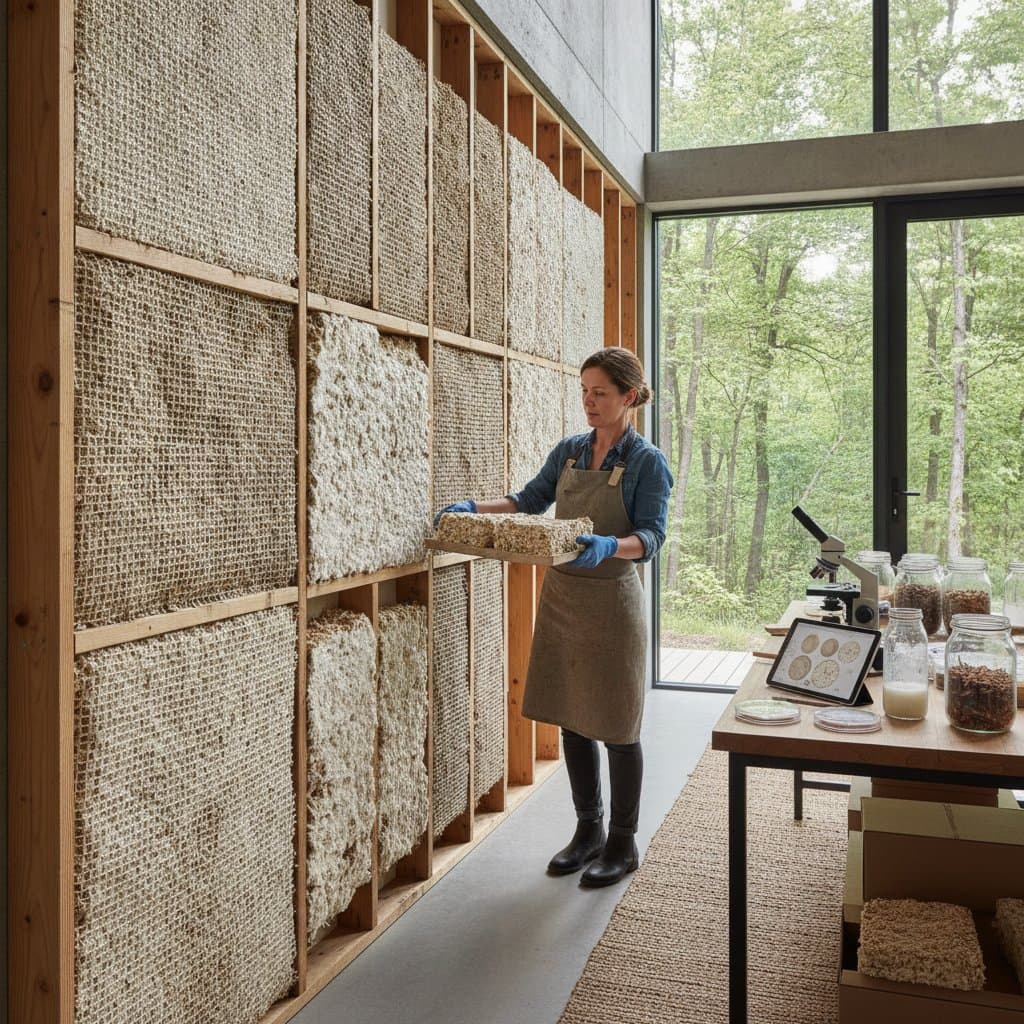
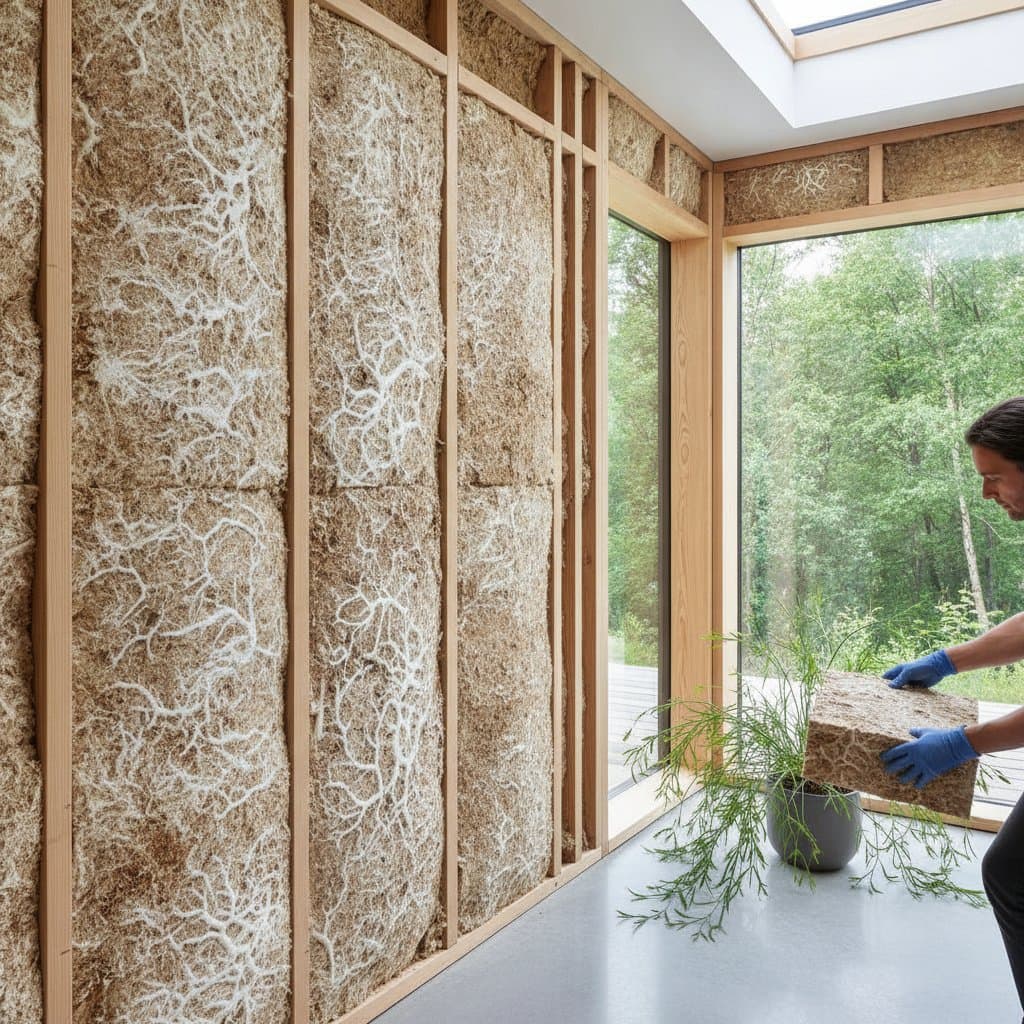
Mycelium forms the root-like network that constitutes the living body of fungi. This network binds soil, wood, and organic matter. When cultivated under controlled conditions, mycelium develops dense, foam-like structures that can be molded, dried, and applied as building materials. The outcome is lightweight, fire-resistant, and biodegradable insulation.
Mycelium insulation relies on agricultural waste such as corn stalks, hemp hurds, or sawdust as a substrate. The fungi colonize this material within days and create a cohesive mass. After drying, the material stops growing and becomes stable, lightweight, and strong enough for practical use.
Performance Advantages Over Traditional Options
- Thermal efficiency through trapped air pockets that stabilize indoor temperatures.
- Fire resistance that causes charring rather than ignition.
- Sound absorption from the porous structure, useful for shared walls.
- Natural resistance to mold and pests once the material is fully dried.
These traits support comfort without reliance on synthetic additives.
Steps to Grow Insulation Panels at Home
The cultivation process resembles a combination of gardening and basic crafting. Cleanliness and patience remain essential throughout.
- Gather a mycelium culture, a substrate such as sterilized sawdust, and molds sized for panels or blocks. Ready-to-grow kits from sustainable suppliers simplify the first attempt.
- Sterilize the substrate through boiling or heating to remove competing microbes.
- Combine the cooled substrate with the mycelium culture in a clean container so colonization can begin.
- Transfer the mixture into molds and store them in a dark, humid space for one to two weeks until full colonization occurs.
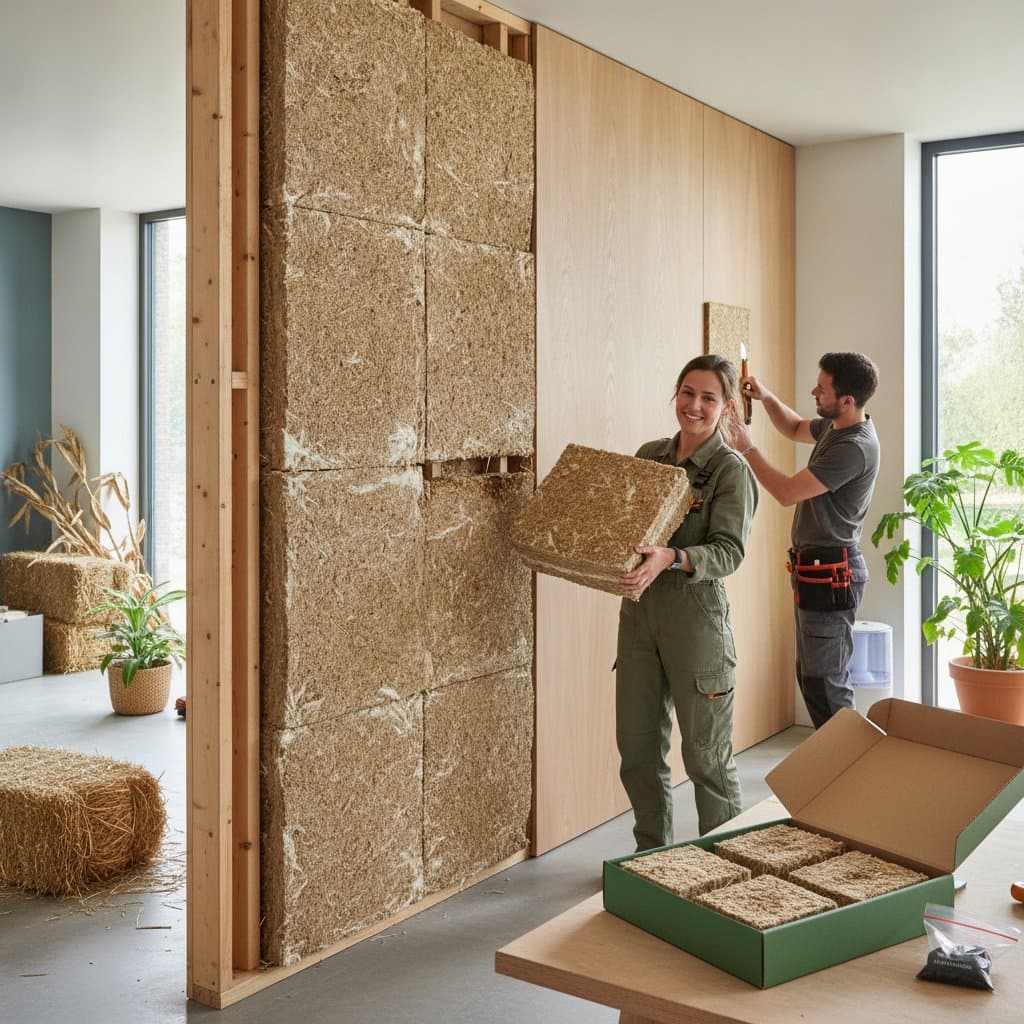
- Remove the colonized material and dry it thoroughly to halt growth and produce a durable, inert panel.
Smaller projects such as acoustic tiles or garden-shed insulation serve as low-risk entry points before larger applications.
Current Applications and Expert Perspectives
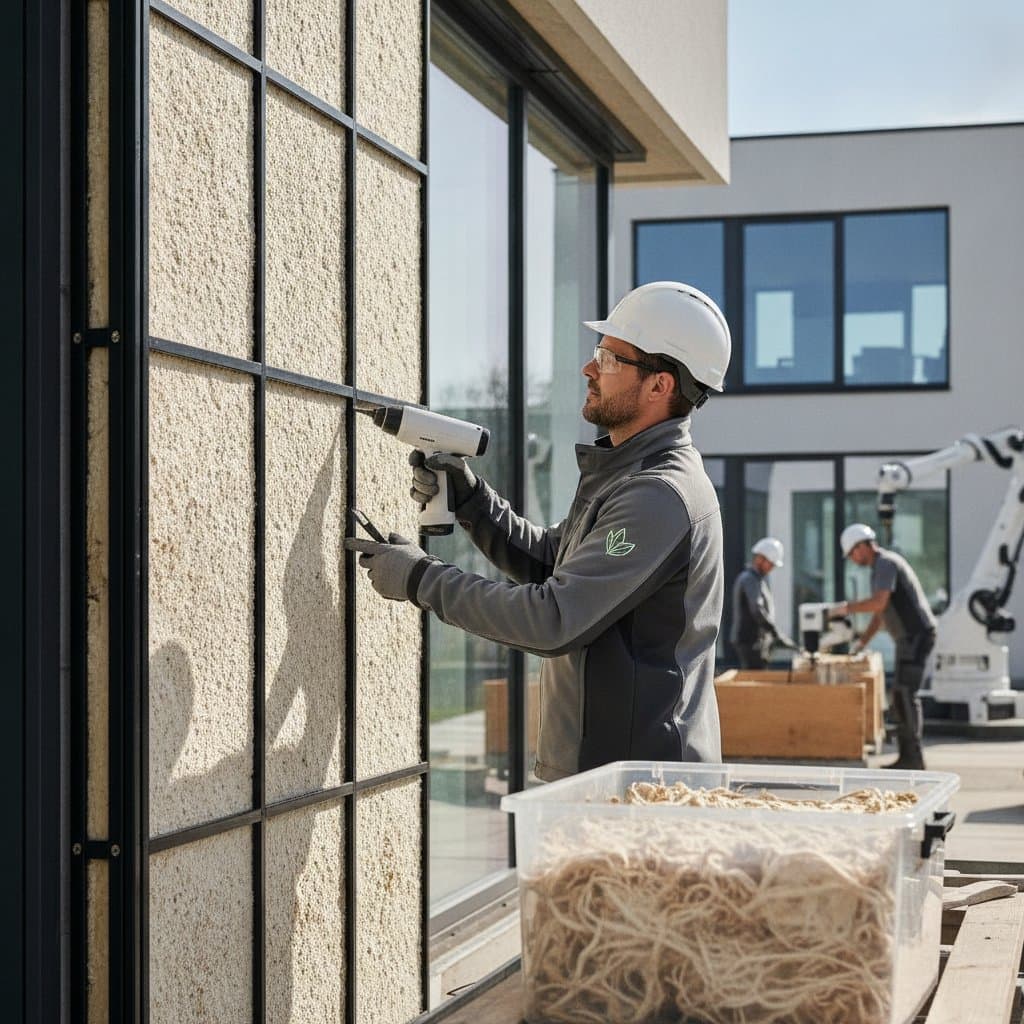
Architects already employ mycelium composites for furniture, packaging, and experimental structures. The material accepts custom shapes during growth, which supports tailored designs.
Sustainable building specialist Lila Moreno notes that mycelium composites alter design thinking. Designers move from extraction toward cultivation, creating a collaborative relationship with natural systems rather than a purely industrial one.
Limitations to Consider
Strength and water resistance still vary with growing conditions, so mycelium insulation does not yet suit every structural role. Thorough drying prevents secondary mold, and current output remains more artisanal than mass-produced. These constraints encourage incremental experimentation rather than wholesale replacement of existing materials.
Starting Your Mycelium Project
Small-scale trials in a kitchen corner or garage demonstrate the material properties without major commitment. Acoustic panels, lightweight bricks, or compostable planters provide immediate functional results while revealing the organic texture and scent of the finished product. This approach turns home improvement into a direct partnership with living systems.