Mycelium Insulation Upgrades Exterior Walls Sustainably
Every homeowner wants a comfortable and efficient house. Insulation plays a central role in that outcome. Most exterior walls still depend on materials that degrade over time or impose heavy environmental costs. Fiberglass, spray foam, and rigid boards perform adequately yet bring drawbacks such as off-gassing, difficult disposal, and high embodied energy. Homeowners focused on sustainable living now have access to a growing alternative known as mycelium insulation.
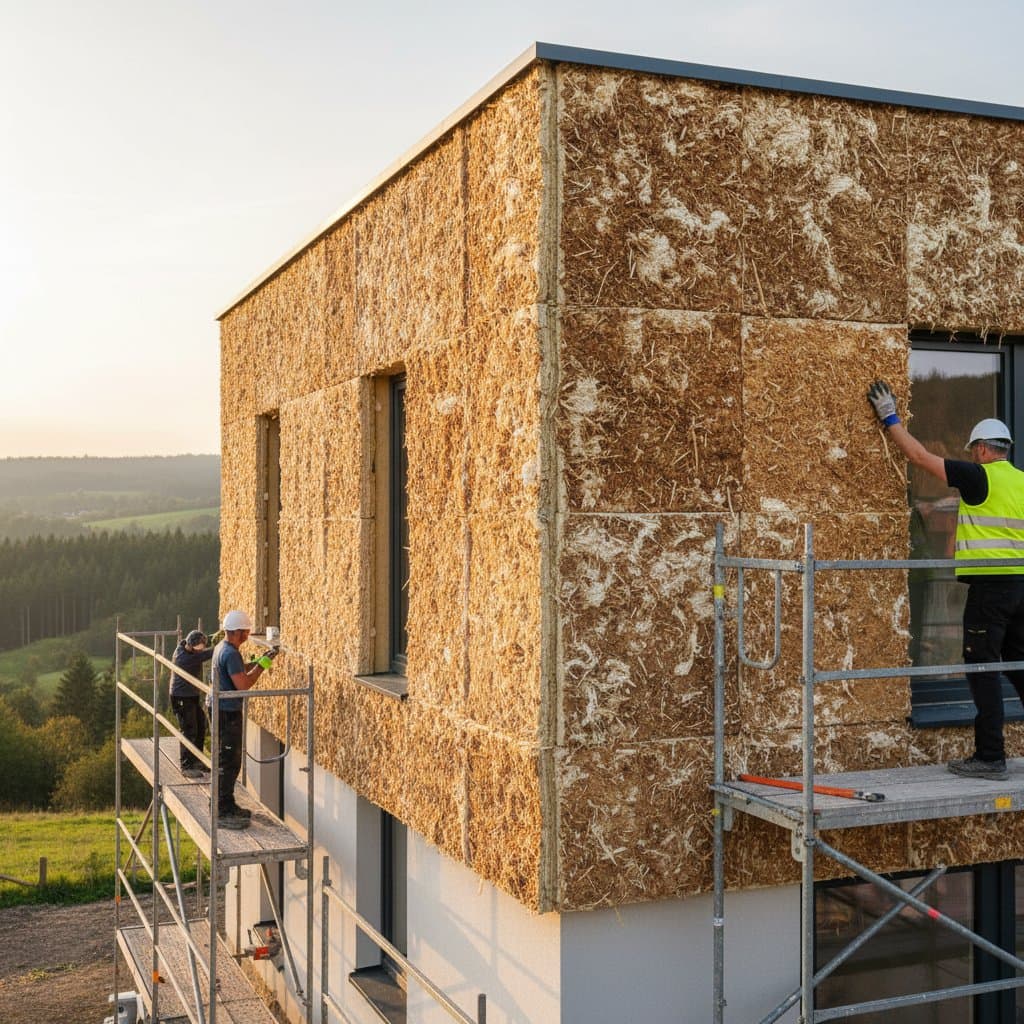
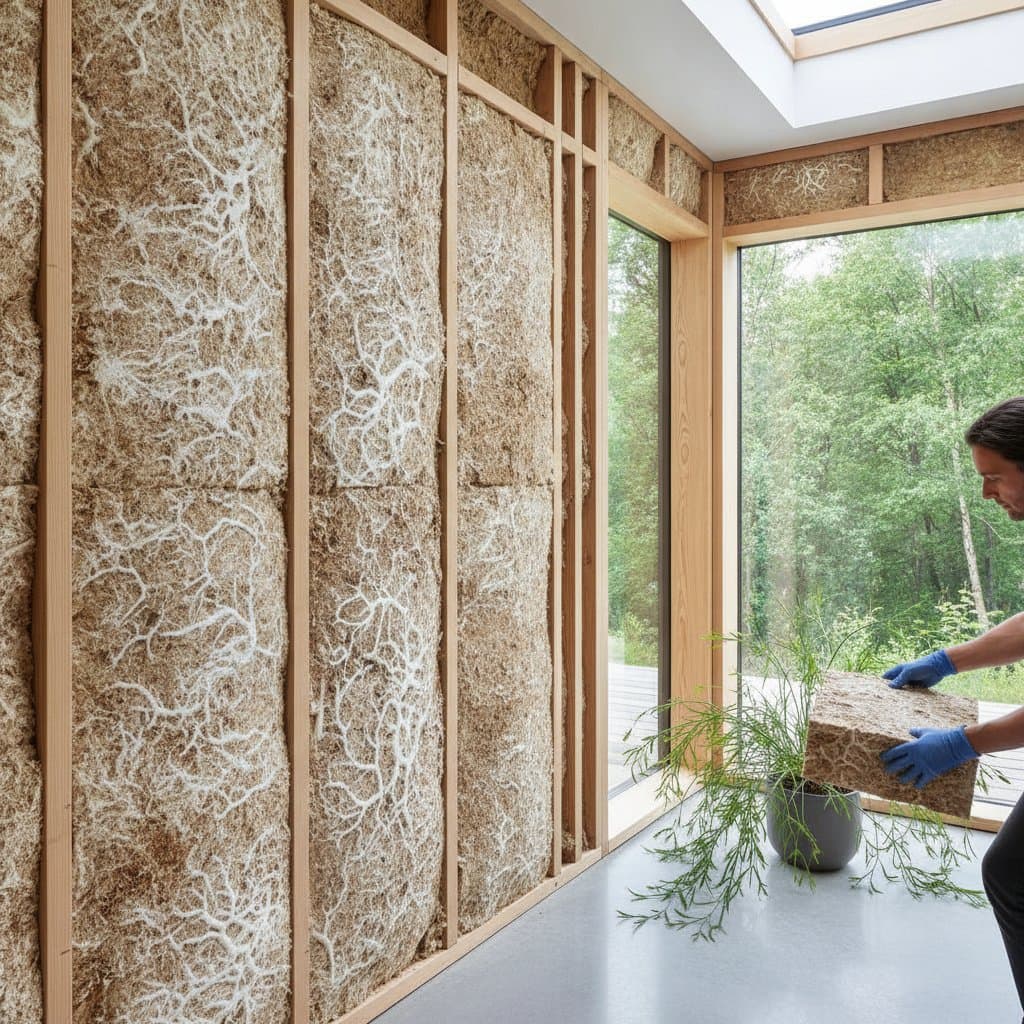
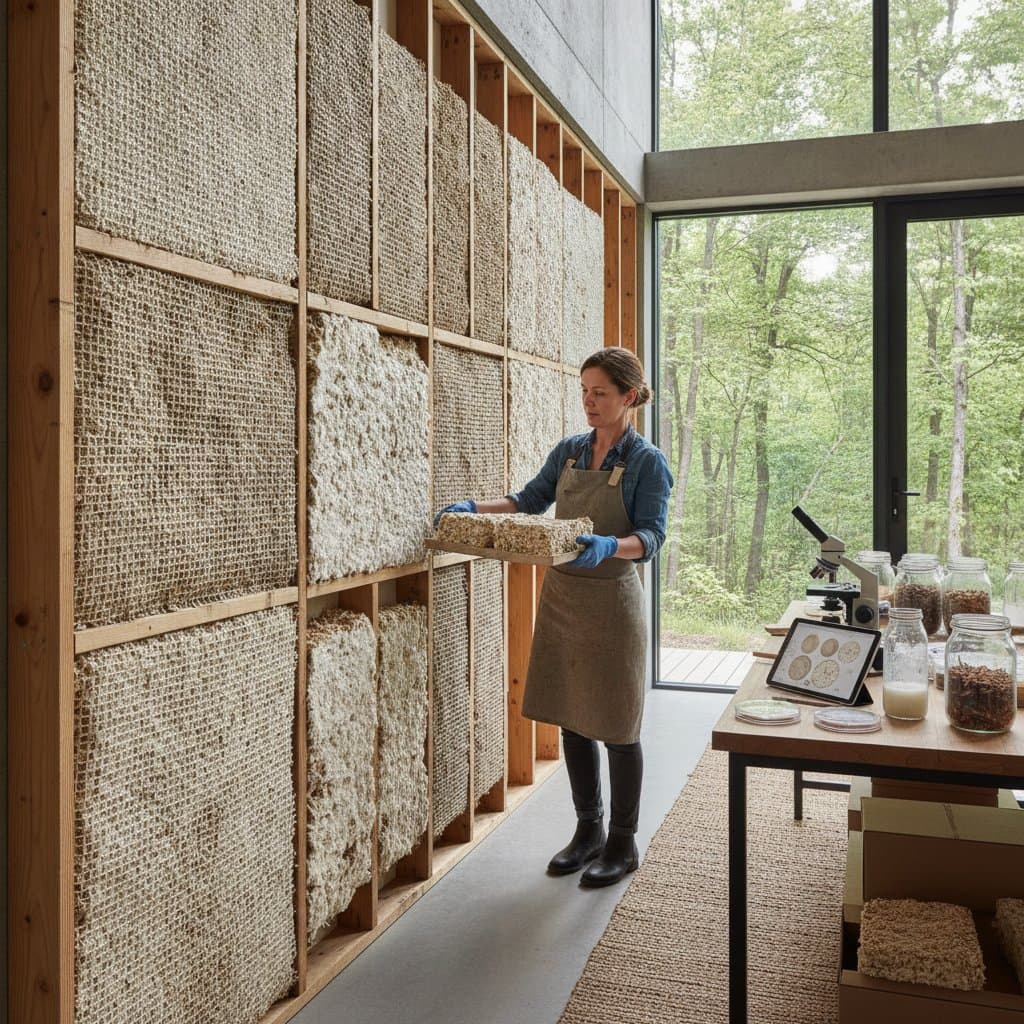
Mycelium insulation is produced from fungal root networks. It offers performance comparable to conventional products while eliminating synthetic additives. This material grows rather than being manufactured, which reduces emissions and allows full composting at end of life.
What Makes Mycelium Different
Honest Assessment: What This Project Involves
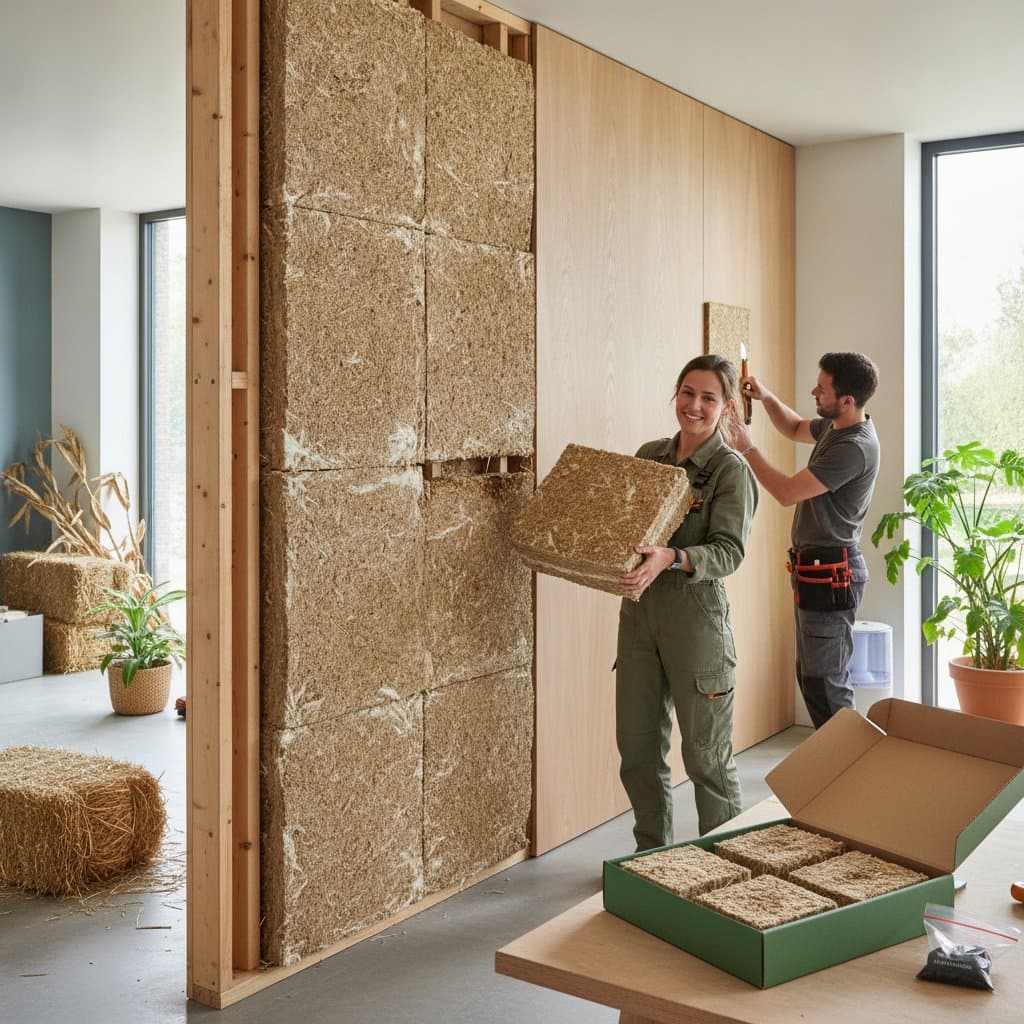
Replacing exterior wall insulation with mycelium panels requires more preparation than standard fiberglass installation. The material arrives in blocks or sheets that must fit precisely within stud cavities. Panels tolerate moderate handling yet can crumble under rough treatment. Moisture management remains essential because repeated wetting weakens the structure.
This project suits homeowners who can remove siding or drywall. Walls showing moisture intrusion or poor flashing need repair before installation. Mycelium performs best in dry, breathable assemblies.
Before You Begin
- Skill Level: Intermediate to advanced DIYer
- Time Estimate: Two to three weekends for an average room or small exterior section
- Tools and Materials Needed: Pry bar and hammer, tape measure, utility knife, straightedge, hand saw, construction adhesive or mechanical fasteners, vapor-permeable membrane, mycelium panels, safety glasses, gloves, and dust mask
Wear protective gear during removal of old insulation. Follow local regulations for disposal. Suspected asbestos or lead paint requires professional abatement.
Step-by-Step Installation Process
1. Inspect and Prepare the Wall
Remove siding or drywall to expose the cavity. Check for moisture damage, pest activity, or mold. Replace compromised framing or sheathing before proceeding.
2. Measure and Cut the Panels
Cut mycelium panels to match each stud bay. Aim for a snug fit without compression. Overly tight cuts risk edge damage while loose fits reduce thermal efficiency.
3. Install a Vapor-Permeable Membrane
Place a vapor-permeable membrane on the exterior side. This layer permits moisture escape while blocking bulk water. Avoid interior plastic barriers that trap vapor and shorten material life.
4. Fit and Secure the Mycelium Panels
Position panels against the studs. Use low-VOC adhesive or mechanical fasteners according to manufacturer guidance. Fill gaps with natural fiber caulk or compressed cellulose to preserve thermal continuity.
5. Reinstall Sheathing or Drywall
Reattach sheathing or drywall once panels are secure. Verify flashing integrity on exterior applications. Finish interior drywall seams and apply primer and paint as usual.
Troubleshooting Common Issues
Uneven fit can be corrected with narrow mycelium strips. Avoid expanding foam that blocks breathability. Condensation inside the cavity signals inadequate vapor control. Repair leaks and confirm ventilation. Crumbled edges usually result from forcing panels. Patch minor damage with mycelium fibers mixed with flour paste or casein glue.
Professional Decision Points
Large exterior retrofits often benefit from professional assistance. Specialists can assess moisture levels and specify appropriate membranes. New construction or major remodels require review by local building inspectors for material compliance.
Why Mycelium Is Worth Considering
Mycelium insulation addresses thermal performance, sound absorption, and end-of-life disposal in one material. It avoids fossil-based inputs and chemical additives. Fire resistance adds further value because the material chars slowly and self-extinguishes rather than melting or releasing fumes.
Pro Tips for Success
- Store panels indoors until installation to prevent humidity softening.
- Design wall assemblies that permit gradual vapor exchange.
- Pair mycelium with wood fiberboard or lime plaster for compatible natural systems.
- Conduct annual inspections for moisture or pest issues after heavy rainfall.
Achieving Long-Term Wall Efficiency
Correct installation of mycelium insulation delivers steady interior comfort and reduced energy demand. The material supports healthier indoor environments by eliminating synthetic off-gassing. Homeowners who complete this upgrade gain a wall assembly that performs reliably while aligning with environmental priorities.