Mycelium Insulation: A Sustainable Upgrade for Exterior Walls
Homeowners seek insulation that balances comfort, efficiency, and environmental responsibility. Traditional materials often fall short in sustainability, prompting innovation in natural alternatives. Mycelium insulation emerges as a compelling solution, derived from the root-like structure of fungi that underpins ecosystems. This material integrates into exterior wall systems, offering durability and performance aligned with contemporary building practices.
The Composition and Production of Mycelium Insulation
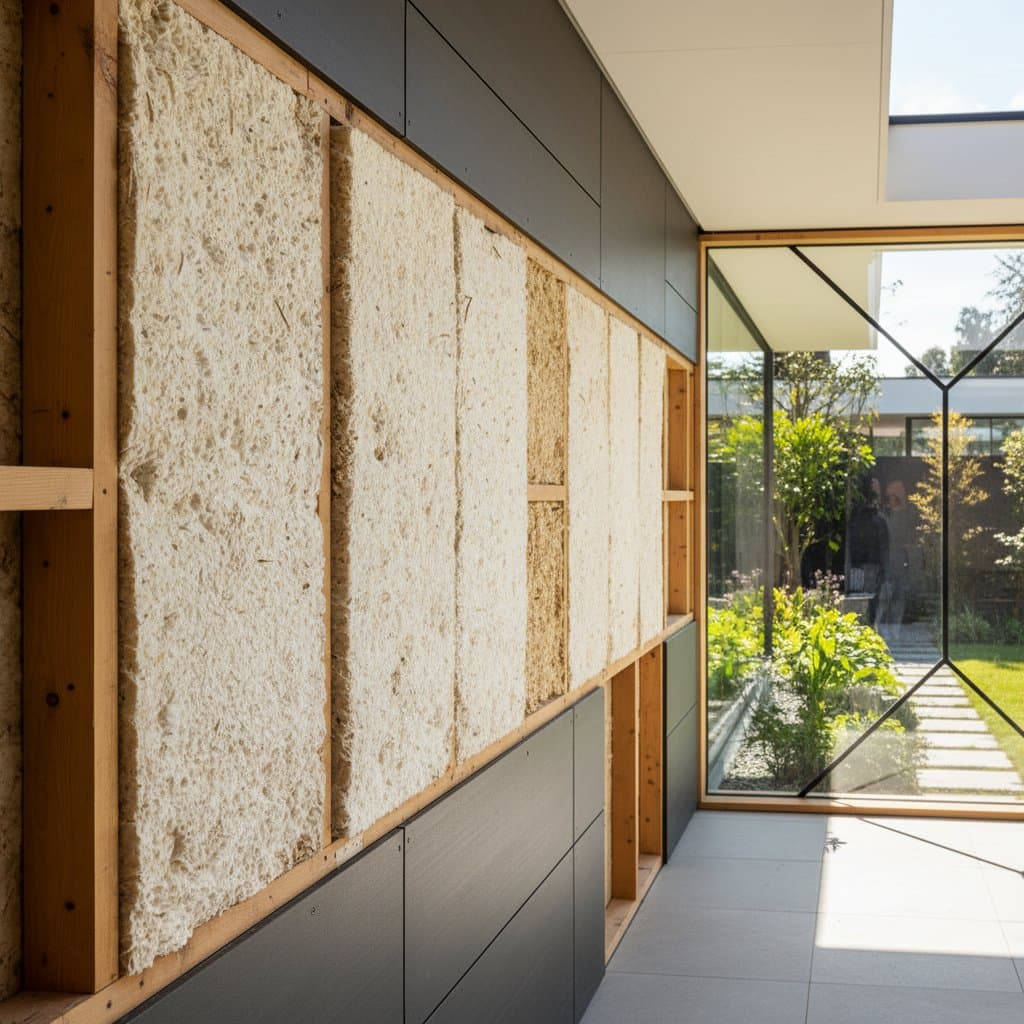
Mycelium insulation forms through a biological process using agricultural byproducts such as hemp hurds or straw. Mycelium spores inoculate these substrates in controlled environments, where the fungal network binds the particles into a cohesive mass over several days. The resulting structure undergoes heat treatment to halt growth, yielding rigid panels that resist fire and decomposition.
Superior Thermal and Acoustic Properties
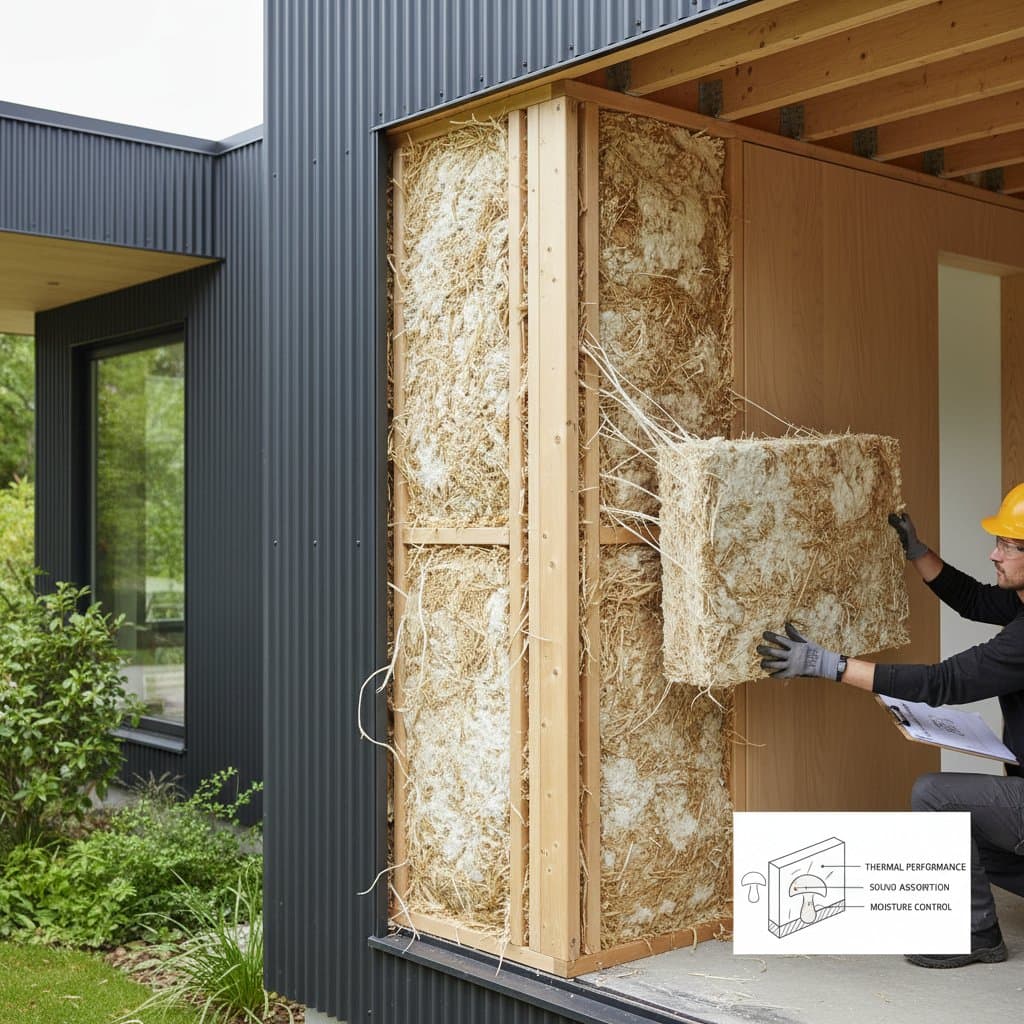
Mycelium insulation delivers thermal resistance comparable to fiberglass or cellulose, with R-values typically ranging from 3.5 to 4.5 per inch of thickness. It captures air pockets within its matrix, reducing heat transfer and maintaining stable indoor temperatures across seasons. In cold climates, this property minimizes heat loss; in warmer regions, it blocks solar gain effectively.
Acoustically, the material absorbs sound waves due to its porous structure, achieving noise reduction coefficients up to 0.8. This makes it ideal for urban settings or homes adjacent to roadways. Testing shows it outperforms many rigid foams in damping vibrations, contributing to quieter living spaces without additional barriers.
Practical Installation for Exterior Applications
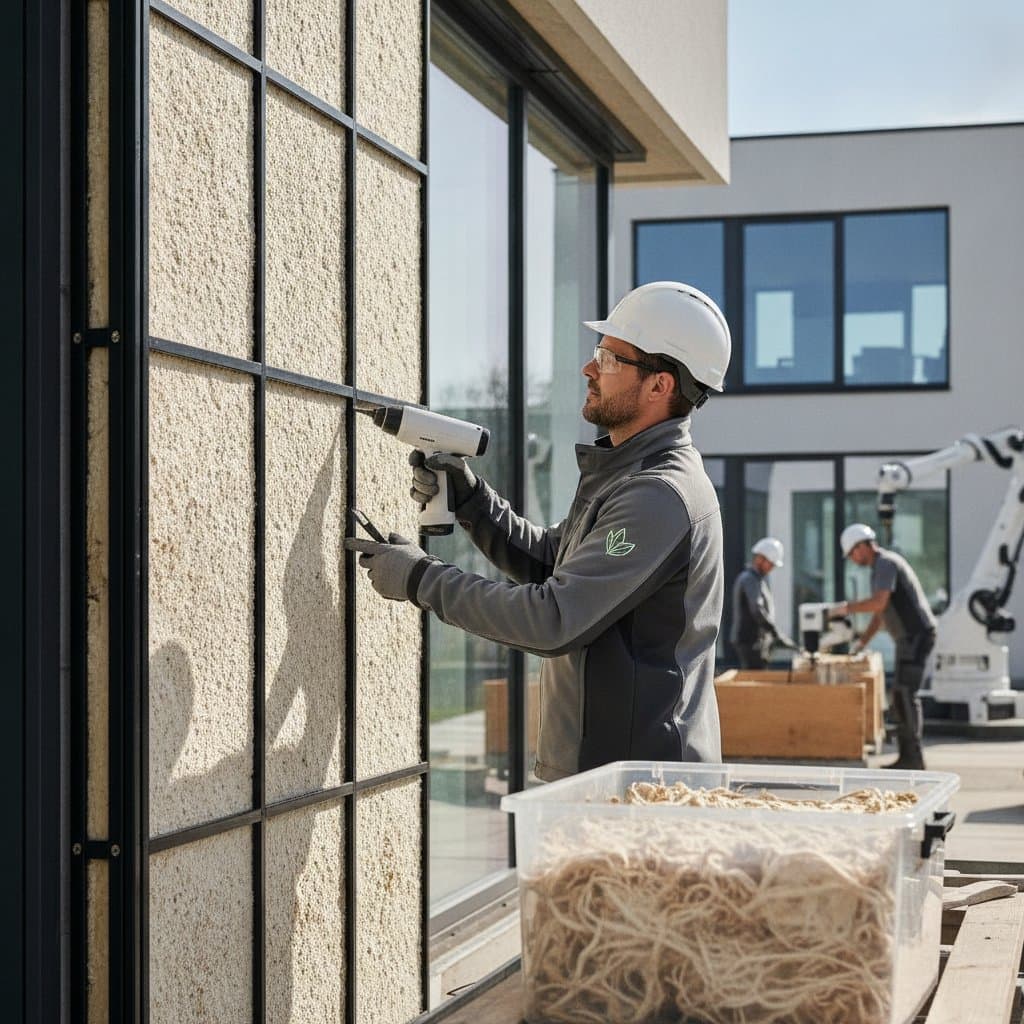
For new construction, mycelium panels slot between wall studs or serve as sheathing layers, secured with mechanical fasteners. Their low density, around 10-15 pounds per cubic foot, simplifies handling compared to heavier mineral wools. Cutting occurs on-site with standard tools, allowing precise fits around windows and doors.
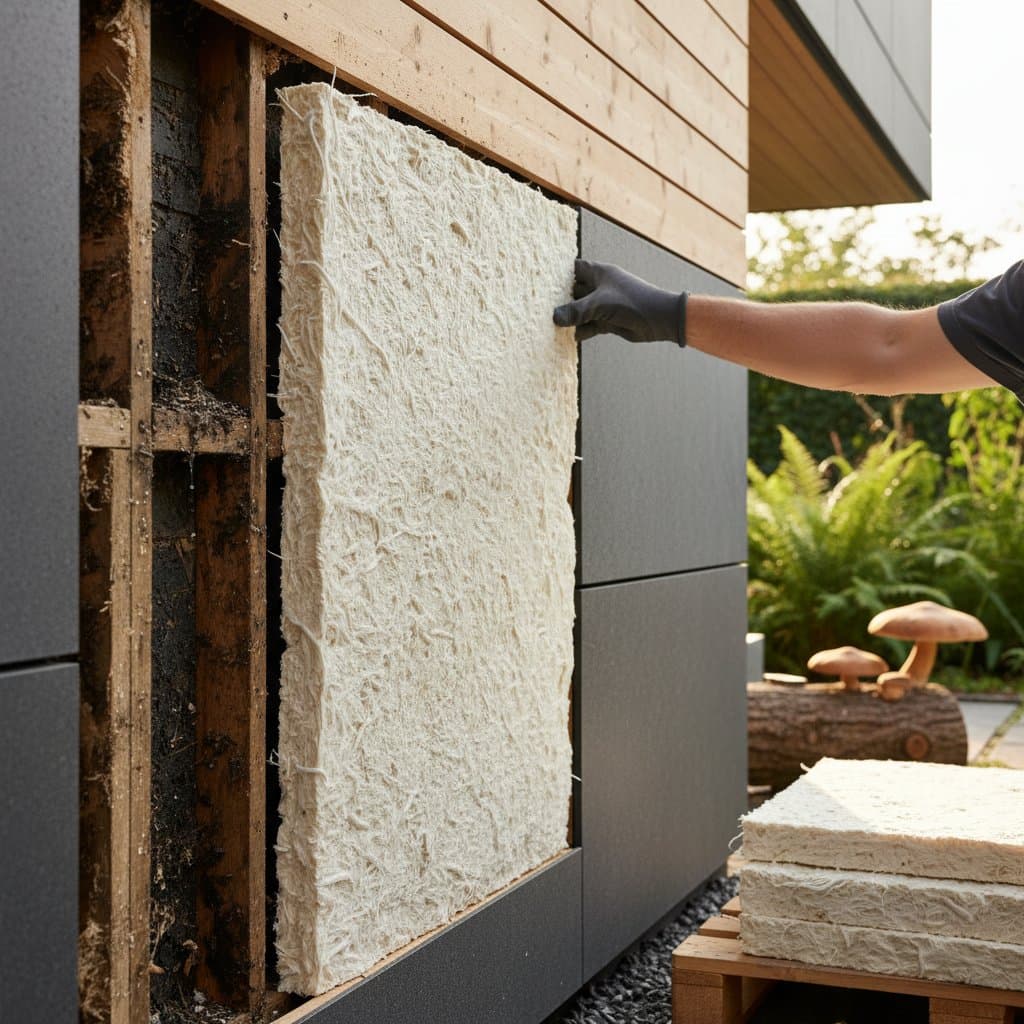
In retrofit projects, remove existing exterior cladding to insert panels, then apply vapor-permeable barriers such as house wrap. Pair with finishes like cedar siding or lime-based renders to shield from weather while permitting moisture diffusion. Professional assessment ensures compliance with local building codes, particularly in humid areas where ventilation details matter.
Homeowners with limited scope may start with interior applications, such as mycelium boards in partition walls, to evaluate performance before full exterior integration.
The Broader Impact and Future Potential
Mycelium insulation aligns with regenerative design by sequestering carbon during growth and requiring local sourcing. Production emits far less than traditional insulators, with some facilities operating on renewable energy. This reduces transportation emissions and supports regional economies through waste valorization.
Beyond walls, researchers adapt mycelium for acoustic ceilings, decorative elements, and load-bearing forms molded to architectural specifications. Its versatility encourages experimentation in biophilic design, where buildings mimic natural processes.
Realizing Long-Term Benefits in Your Home
After installation, mycelium insulation requires minimal maintenance, as its inherent resistance to mold and insects ensures longevity up to 50 years. Monitor for sealant integrity annually to preserve performance. Residents often report 15-20 percent reductions in energy costs, alongside enhanced air quality from low volatile organic compounds.
Choosing this material advances personal sustainability goals while contributing to industry-wide shifts. It transforms exterior walls into active components of eco-conscious living, blending innovation with practical value.