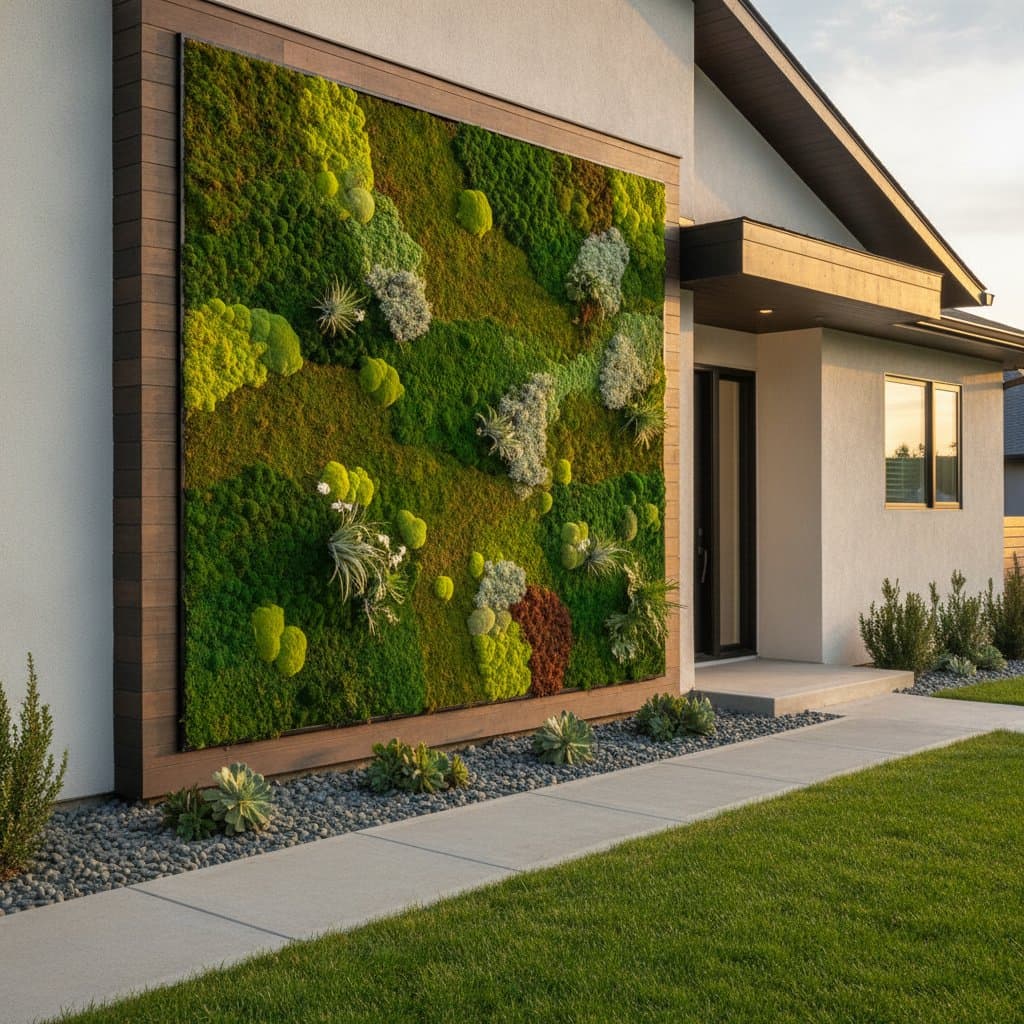
Moss Walls and Living Carpets Revive Indoor Spaces
The initial encounter with a moss wall occurred in a quaint Paris café nestled among cobblestone streets. The installation appeared vibrant and invigorating, with fresher air and muted ambient noise that encouraged patrons to extend their visits. This memorable experience influenced subsequent urban residences in New York and London, where similar elements now appear in homes and design projects to foster serenity.
These installations redefine greenery in decoration by emphasizing wellness, sensory engagement, and a profound link to the natural world within living environments. For households managing professional obligations, education, and daily routines, such elements convert hectic areas into rejuvenating havens.
Key Takeaways
- Moss walls filter airborne pollutants and dampen acoustics while introducing rich, organic textures.
Living carpets deliver biophilic sensations through foot contact, particularly suitable for family settings.
Both varieties adapt to apartments, residences, or student accommodations with limited maintenance demands.
They provide environmentally conscious, effortless methods to introduce vitality indoors.
Setup ranges from straightforward DIY approaches to comprehensive professional installations.
Why Living Walls Appeal
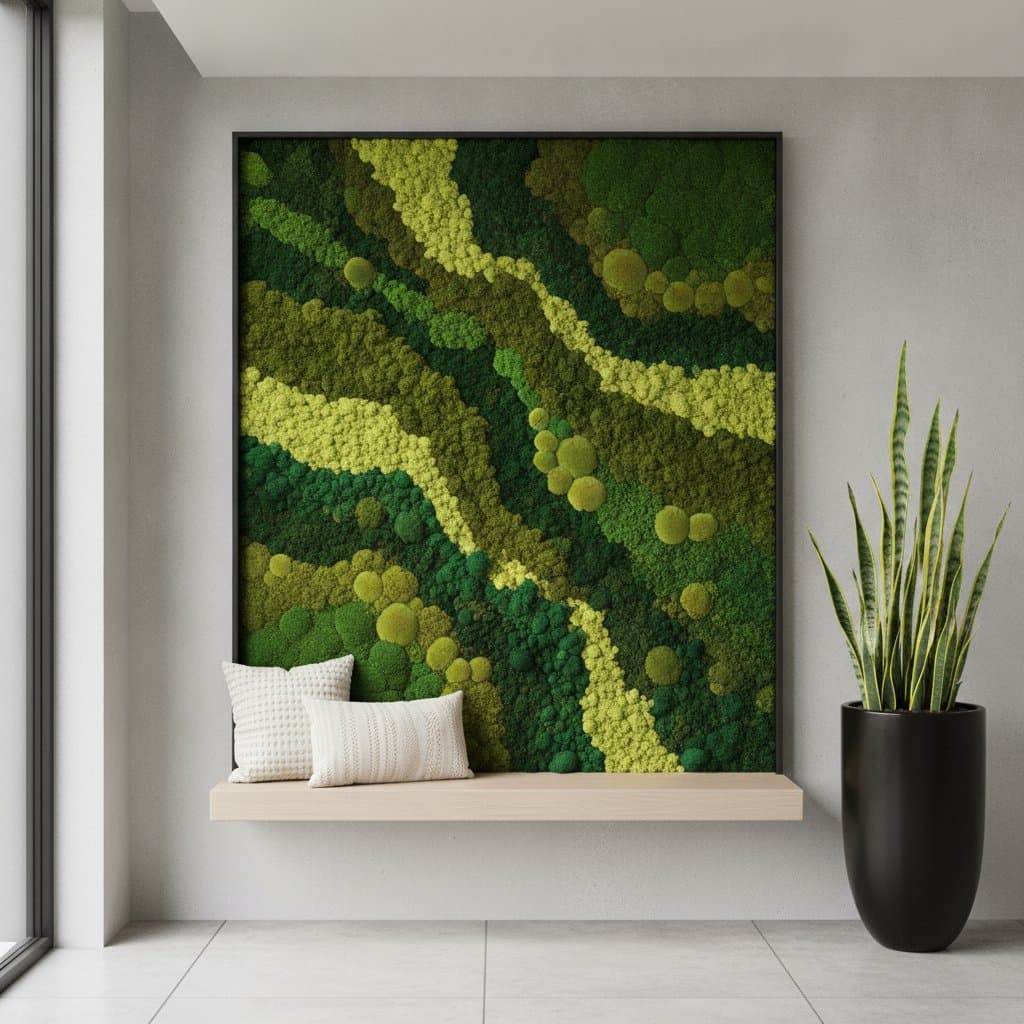
Urban dwellers often seek respite from rigid structures and digital interfaces, yearning for gentler alternatives. Moss walls and living carpets fulfill this desire by encouraging physical interaction, promoting visual tranquility, and altering the perceptual quality of environments. In one residence, a modest preserved moss panel positioned above an entry bench immediately shifts the atmosphere upon arrival.
Interior designer Lara Thompson, an expert in sustainable environments, observes, "People are drawn to materials that feel alive. Moss walls bring that organic irregularity we miss in modern interiors." She highlights how the moss texture, paired with its sound-absorbing properties, renders it functional and calming.
Residing in confined city apartments and later a Cotswolds cottage reveals the importance of efficient space utilization. Moss walls conserve floor area relative to conventional potted plants and function as artistic focal points. Renters appreciate preserved moss panels, which mount like framed pieces and detach without residue.
Types of Moss Installations
Moss setups primarily divide into preserved and living categories.
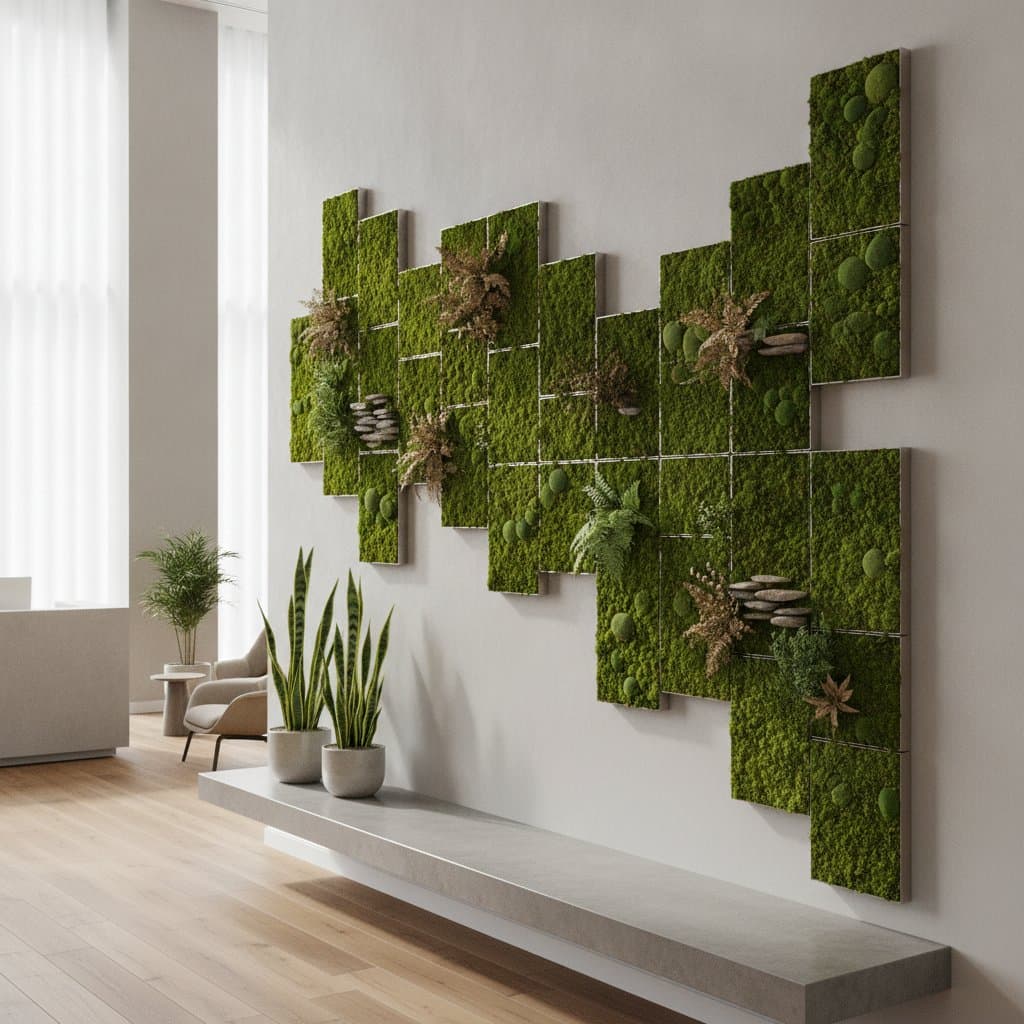
- Preserved moss walls incorporate genuine moss processed to retain suppleness and hue indefinitely, eliminating needs for light or irrigation; this suits dimly lit areas or demanding schedules.
- Living moss walls demand moderate humidity and diffused illumination, flourishing in moisture-rich zones like bathrooms, kitchens, or window-adjacent spots; they form compact ecosystems that cleanse air and elevate oxygen concentrations.
In a compact New York apartment lacking sufficient light, preserved reindeer moss panels adorned the hallway, contributing vibrancy and depth without upkeep concerns. The current home features a living moss feature in the bathroom, sustained effortlessly by ambient vapor.
Appeal of Living Carpets
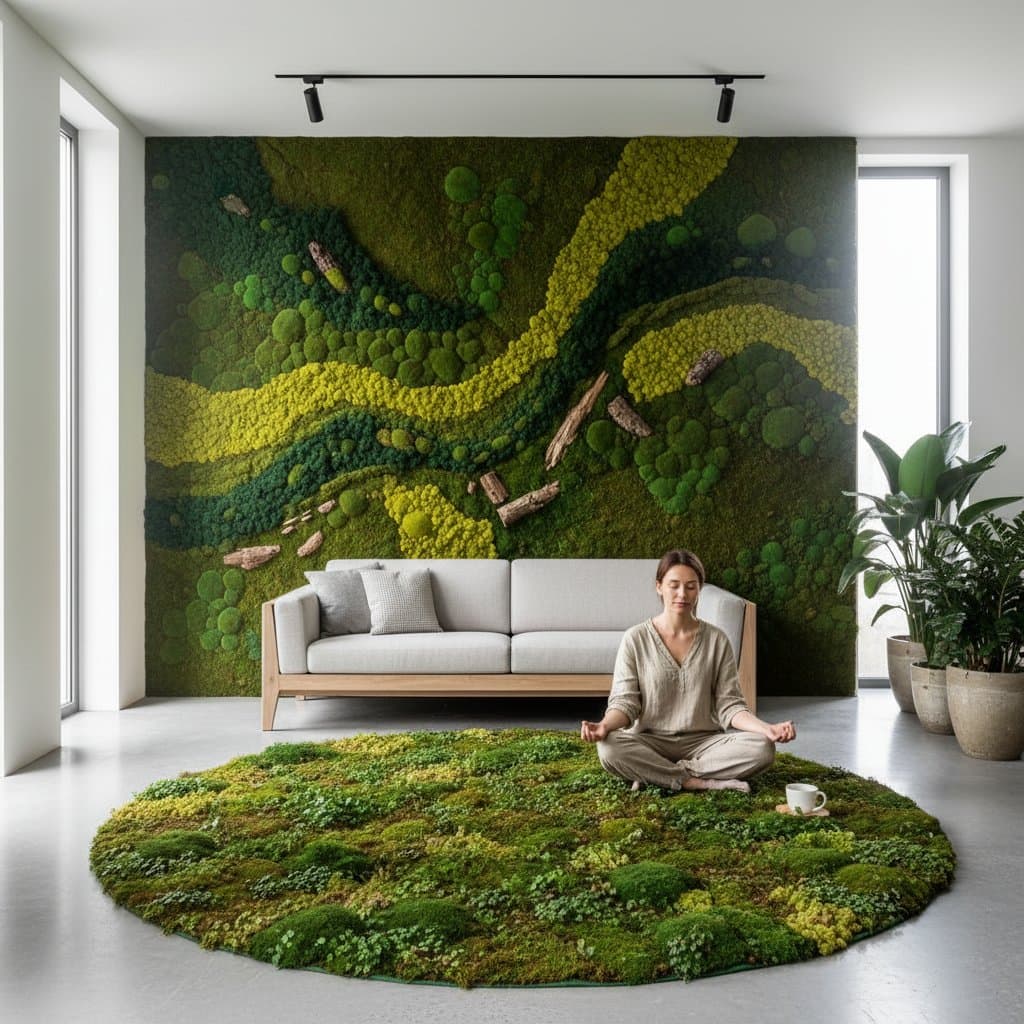
Moss walls elevate visual interest vertically, whereas living carpets ground experiences horizontally. These consist of engineered mats or low-profile vegetation arrays simulating moss or undergrowth softness, distinct from full indoor turf.
Biophilic designer Mateo Ruiz notes, "Living carpets reintroduce the sensory experience of walking on something natural. They appear in Japanese interiors, Scandinavian spas, and increasingly in urban homes that need calm."
Practicality concerns arise for households with children or animals. Modular configurations allow segmented placement, such as beneath reading areas or meditation spots. Parents employ them as interactive zones for toddlers, providing secure, nature-evoking tactile exploration.
Advantages Extending Visual Appeal
Moss walls and living carpets yield tangible gains surpassing aesthetics.
- Enhanced Air Purity: Living moss captures contaminants and generates oxygen, aiding indoor atmosphere refinement.
- Acoustic Mitigation: Moss density inherently muffles sounds, beneficial in open layouts or multi-unit dwellings.
- Stress Alleviation: Research indicates natural textures diminish tension and enhance concentration.
- Minimal Upkeep: Preserved variants require negligible attention, while living ones need far less hydration than containerized flora.
- Ecological Responsibility: Installations frequently employ reclaimed substrates and ethically sourced materials.
Transitioning from city clamor to rural hush profoundly impacted the family relocation to countryside living. Incorporating such tranquility through intentional design evolved into a core pursuit. A compact moss arrangement above a desk in the children's shared room tempers the environment and supports focused study sessions.
Placement and Implementation Strategies
Significant transformation requires no extensive coverage; modest beginnings suffice.
Moss Wall Applications
- Entry zones for inviting organic greetings
- Backdrops to seating or sleeping areas for tactile emphasis
- Bathroom surfaces accommodating humidity-tolerant varieties
- Kitchen splash zones with preserved moss for vivid differentiation
- Workspace nooks to foster attentiveness and composure
Living Carpet Applications
- Cozy reading alcoves or beneath benches
- Dedicated reflection or exercise areas
- Youth activity spaces
- Wellness-oriented lavatories
- Passageways or entry vestibules
Living carpets assemble via interlocking trays or pads resembling jigsaws. Households opt for synthetic moss hybrids in high-use areas for resilience, or authentic plant layers in lighter-traffic spots. Essential consideration involves aligning maintenance capacity with lifestyle realities.
Worldwide Design Influences
French applications integrate moss as elevated artistry in historic stone dwellings, leveraging inherent dampness for vitality. Japanese temple landscapes have honored moss for its subdued elegance and endurance across eras. Scandinavian minimalism employs preserved panels to infuse warmth into sleek contours.
International living demonstrates versatility. In metropolitan units, moss supplants cumbersome ornaments that burden limited areas. Rural properties link indoor aesthetics to external vistas. Even dormitory settings gain from a petite moss panel over study surfaces, injecting energy sans routine tending.
Professional Guidance for Effective Integration
Interior stylist Chloe Bradley advises novices: "Start with preserved moss. It is easy, lightweight, and instantly changes how a room feels. Once you get used to the look, you can experiment with living moss in areas that get natural moisture."
Additional suggestions encompass:
- Selecting subdued backings to accentuate moss tones.
- Pairing with untreated timber or rock for unified aesthetics.
- Employing diffused illumination to emphasize form over glare.
- For living moss, sustaining subtle moisture levels while eschewing direct drenching.
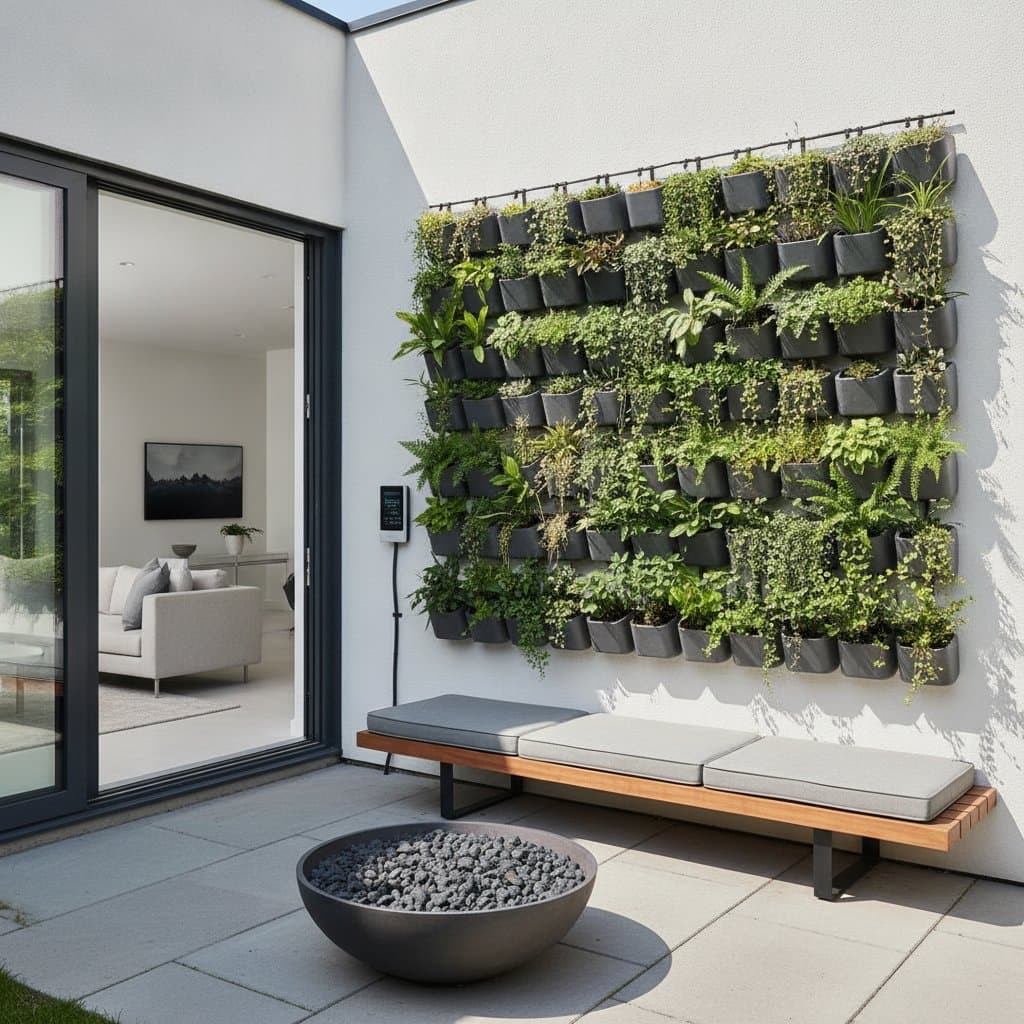
Similar tactics guide client projects. A framed preserved moss above a sideboard substitutes conventional visuals. In compact London residences, wall-mounted gardens in culinary areas serve dual roles as acoustic barriers between chambers.
Integrating Moss into Daily Life
The enduring charm of moss walls and living carpets lies in their adaptability to evolving routines. They accommodate imperfection and promote engagement, wonder, and peace. Children frequently trace the hallway moss wall, reinforcing nature's place within domestic boundaries.
To pursue greater tenderness, initiate with a minor moss element. Observe mood alterations. Gradually incorporate expansions or diverse forms. Residences ought to mirror personal growth, expanding and vitalizing alongside inhabitants. Regardless of urban, suburban, or rural context, these organic planes restore elemental stability.