Mycelium Insulation: A Sustainable Upgrade for Home Repairs
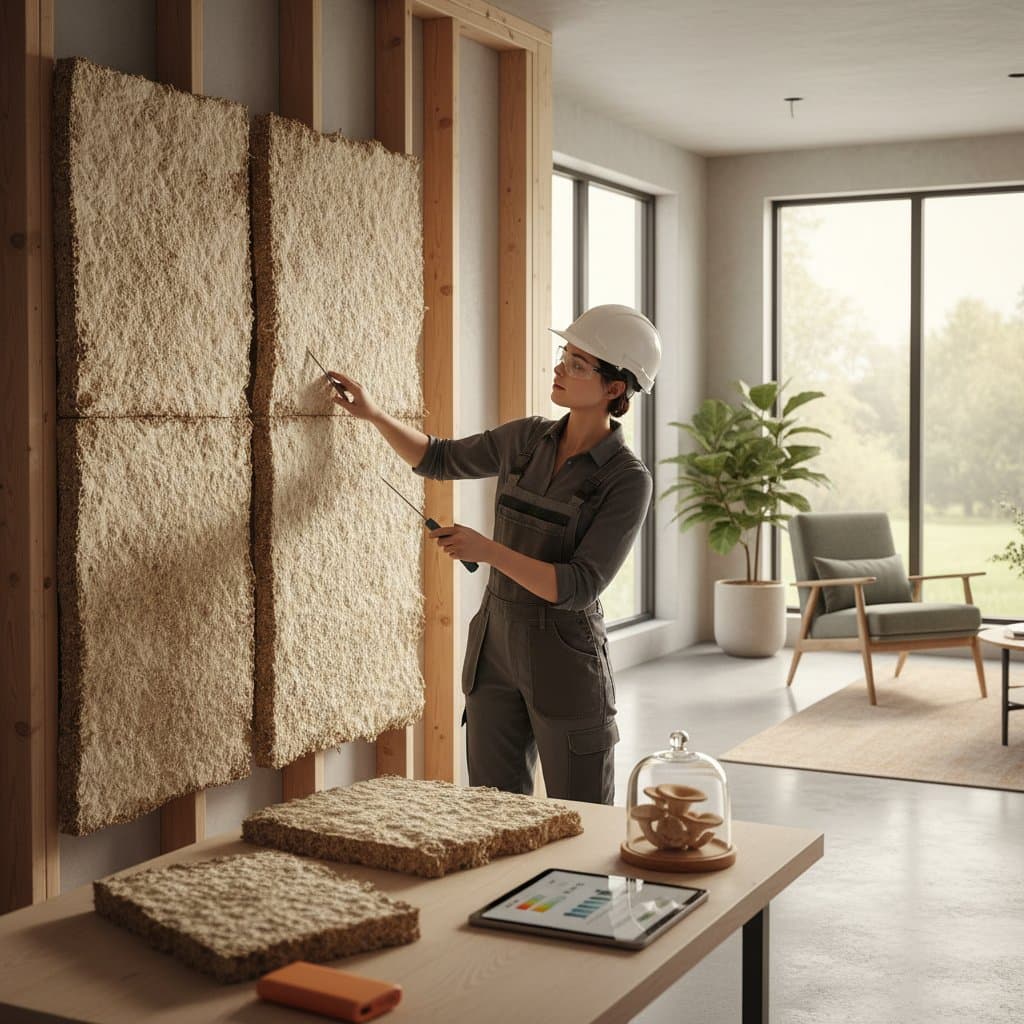
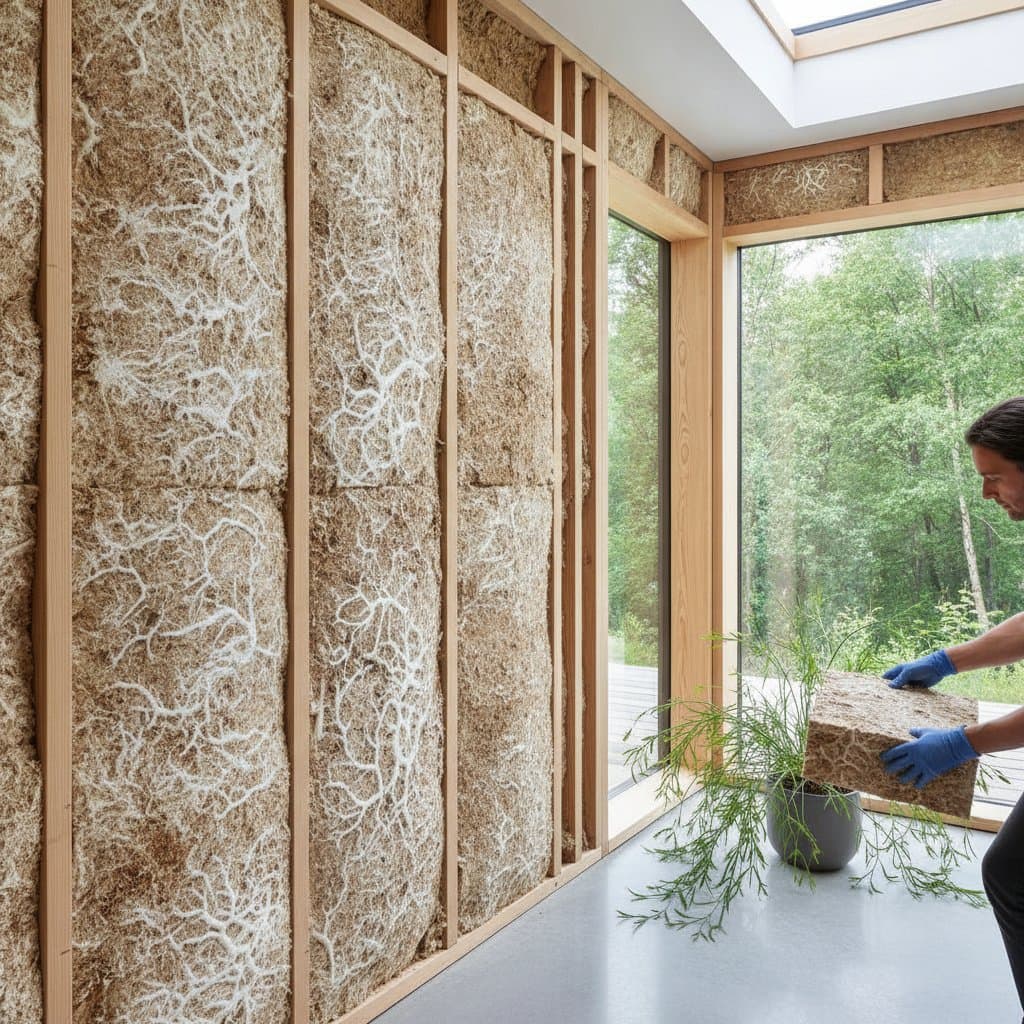
A innovative approach to home insulation emerges from the natural world of fungi. Mycelium insulation, derived from mushroom roots, redefines the standards for comfort, environmental responsibility, and renovation efficiency. This bio-based option delivers robust performance characteristics while minimizing waste and carbon footprints during production and use.
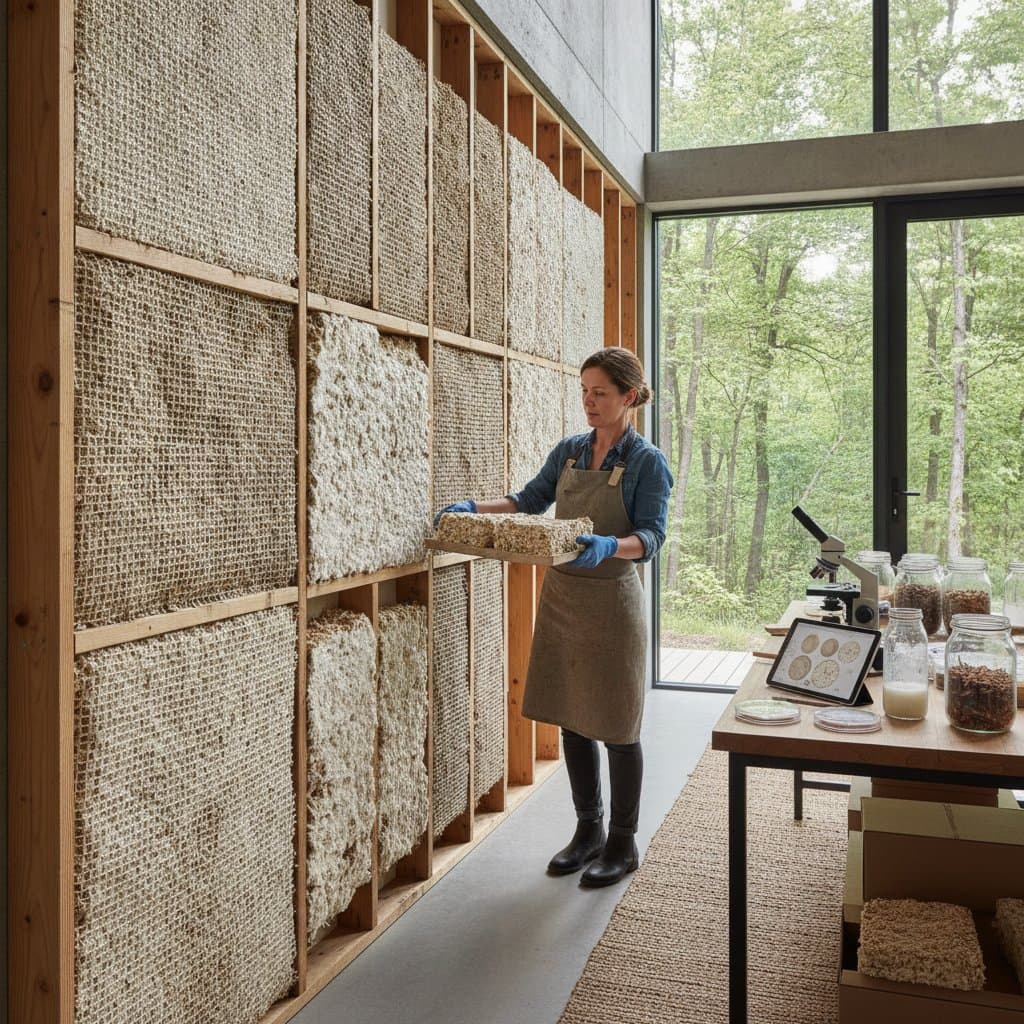
Homeowners seeking alternatives to conventional synthetic insulators find mycelium particularly appealing. Grown rather than manufactured, it integrates seamlessly into both contemporary and traditional structures. Its production process utilizes agricultural byproducts, such as corn stalks or wood chips, inoculated with mycelium spores in controlled environments. Within days, the material binds into rigid panels ready for installation, offering a cycle that requires far less energy than traditional methods.
The Shift Toward Bio-Based Insulation Options
- Renewable Sourcing: Mycelium proliferates rapidly on discarded organic matter, diverting waste from landfills and reducing the demand for virgin resources.
- Health Benefits: Free from chemical additives, it eliminates risks of respiratory irritation or allergic reactions associated with synthetic off-gassing.
- End-of-Life Disposal: Fully biodegradable, the material decomposes naturally in compost systems, returning nutrients to the earth without toxic residues.
- Enhanced Fire Safety: Natural treatments, such as mineral salts, imbue it with charring properties that slow flame spread, meeting building code requirements in many regions.
- Acoustic Superiority: The fibrous composition absorbs sound waves effectively, lowering noise levels by up to 50 percent in tested applications compared to standard fiberglass.
Architectural materials specialist Dana Leung observes, “People are realizing that sustainability does not have to mean compromise. Mycelium insulation is strong, light, and beautiful in its own earthy way.”
To evaluate suitability, consult local building codes and perform a home energy audit. This step identifies high-impact areas, such as exterior walls or roofs, where mycelium can yield the greatest efficiency gains.
Evaluating Costs Against Enduring Advantages
Initial procurement costs for mycelium insulation may exceed those of fiberglass by 20 to 30 percent, depending on regional suppliers and panel thicknesses. However, its superior insulation value, rated at R-3.5 to R-5 per inch, translates to measurable reductions in utility bills. In temperate climates, expect annual savings of 10 to 15 percent on heating and cooling expenses after full installation.
The material's inherent resistance to mold, mildew, and insects further extends its service life, often surpassing 50 years without degradation. This durability offsets upfront expenses through avoided repairs and replacements. Sustainability consultant Mara Kent advises homeowners to “think of it as an investment in both comfort and conscience.” She adds, “You pay a little more upfront, but you get a product that supports a healthier home and planet.”
For budget-conscious projects, prioritize phased implementation. Begin with insulating an attic or a single exterior wall, where gains in thermal regulation become evident within the first season. Track energy usage pre- and post-installation using utility meters or smart home devices to quantify returns.
Practical Maintenance Strategies for Longevity
Mycelium insulation demands little ongoing attention, suiting households with limited time for upkeep. Its primary vulnerability lies in prolonged exposure to moisture, which can compromise structural integrity. Prior to installation, ensure all surfaces remain dry and apply sealants to prevent water intrusion from roofs, windows, or plumbing.
In regions with high humidity, integrate a breathable vapor barrier, such as kraft-faced panels, to regulate moisture flow while allowing the material to breathe. Conduct biannual inspections in accessible areas like attics or basements, checking for signs of dampness or settling. The absence of chemical pesticides simplifies pest management; simply remove any visible debris that might attract rodents.
Should minor damage occur, such as from accidental spills, affected sections can often be spot-repaired with fresh mycelium paste or replaced entirely. This modular approach minimizes disruption compared to ripping out synthetic alternatives.
Integrating Mycelium into Eco-Conscious Design
Mycelium insulation extends beyond functionality to enhance aesthetic harmony in sustainable interiors. Pair it with elements like salvaged timber flooring, linen upholstery, or clay-based plasters to create a unified narrative of environmental stewardship. Exposed in open-beam ceilings or feature walls, its textured, organic appearance adds warmth and character without additional finishes.
Designer Riley Santos notes, “When clients choose mycelium insulation, they often start looking for other natural materials too. It sparks curiosity about what else can be grown or reused instead of manufactured.”
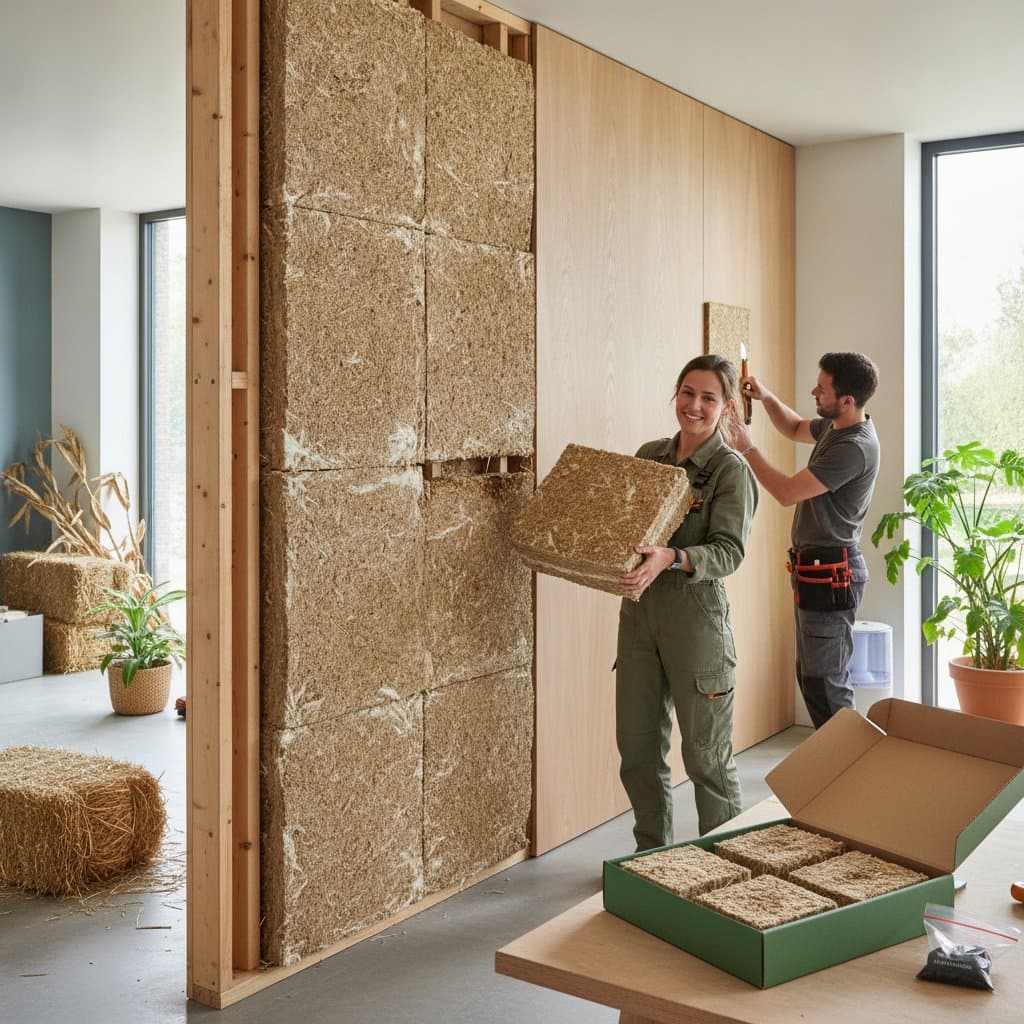
To incorporate it effectively, collaborate with architects experienced in biophilic design. They can optimize placement to maximize both performance and visual appeal, such as lining interior partitions for subtle texture. This integration fosters spaces that promote well-being, with studies linking natural materials to reduced stress and improved focus.
Realizing Benefits from Your Mycelium Installation
After installation, the presence of mycelium insulation recedes into the background, fulfilling its role unobtrusively. Residents experience consistent indoor temperatures, diminished drafts, and enhanced quietude, particularly in urban settings. These improvements contribute to overall home efficiency, potentially increasing property value by appealing to eco-aware buyers.
The broader impact resonates in reduced household carbon emissions, aligning personal choices with global climate goals. For upcoming renovations, initiate discussions with contractors about sourcing mycelium products from certified growers. This step not only elevates your living environment but also advances a model of responsible building practices.