Mycelium Insulation: A Sustainable Solution for Home Repairs
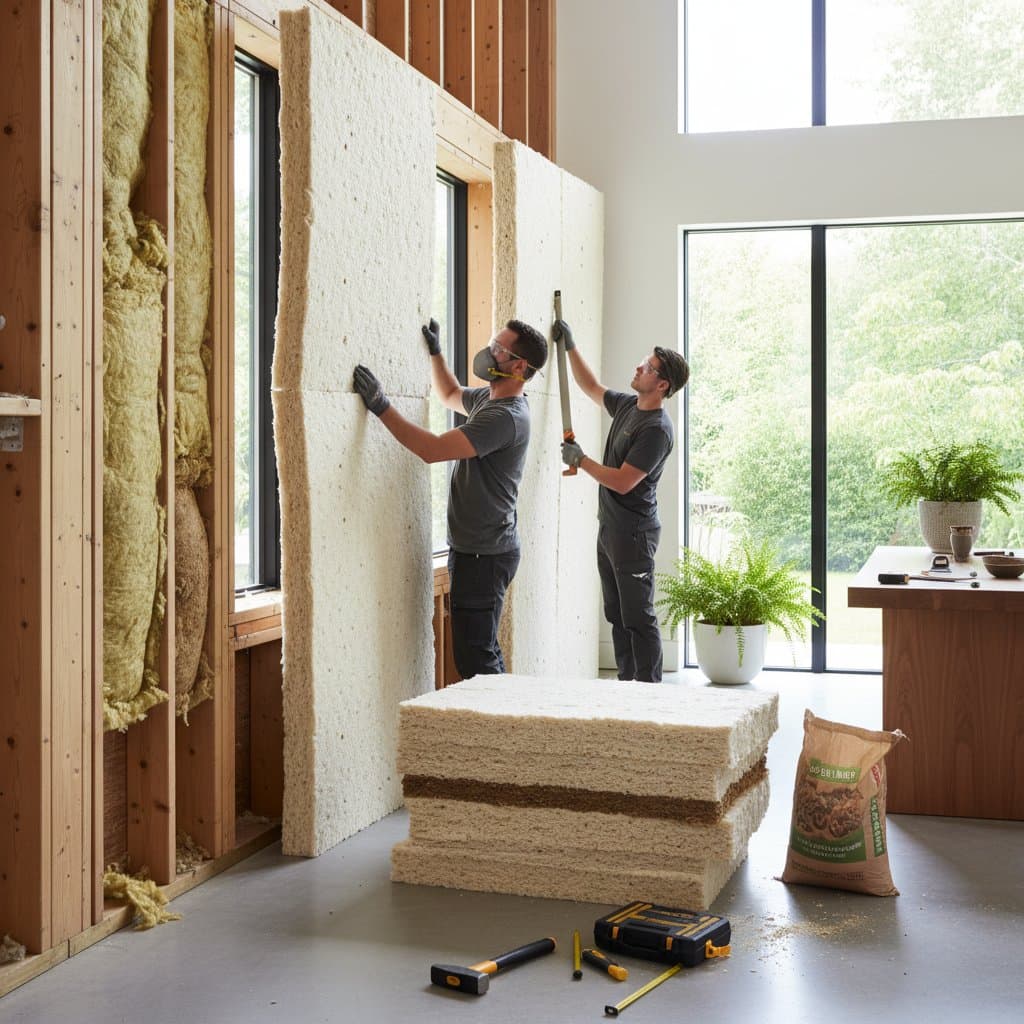
Homeowners often encounter soggy fiberglass or crumbling foam when inspecting walls during repairs. These materials absorb moisture, foster mold growth, degrade quickly, and persist in landfills for centuries. Many continue using them simply because alternatives remain unfamiliar. Mycelium insulation, derived from mushroom roots, emerges as a viable sustainable option gaining traction in home renovations.
Challenges of Traditional Insulation
Insulation replacement presents significant hurdles for homeowners. Fiberglass offers affordability and accessibility, yet it sheds irritating fibers during handling. Foam boards provide effective air trapping through petrochemical production, which resists decomposition. Spray foam excels at sealing but demands specialized tools, emits volatile chemicals, and proves difficult to extract once applied.
- Disposal Difficulties: Spent insulation resists recycling, often classified as hazardous waste in landfills.
- Health Risks: Disturbing old material without safeguards can trigger respiratory problems.
- Ecological Toll: Production demands substantial energy and fossil fuel resources.
These factors drive demand for effective, low-impact substitutes. Mycelium insulation addresses these concerns while delivering reliable performance.
Understanding Mycelium Insulation
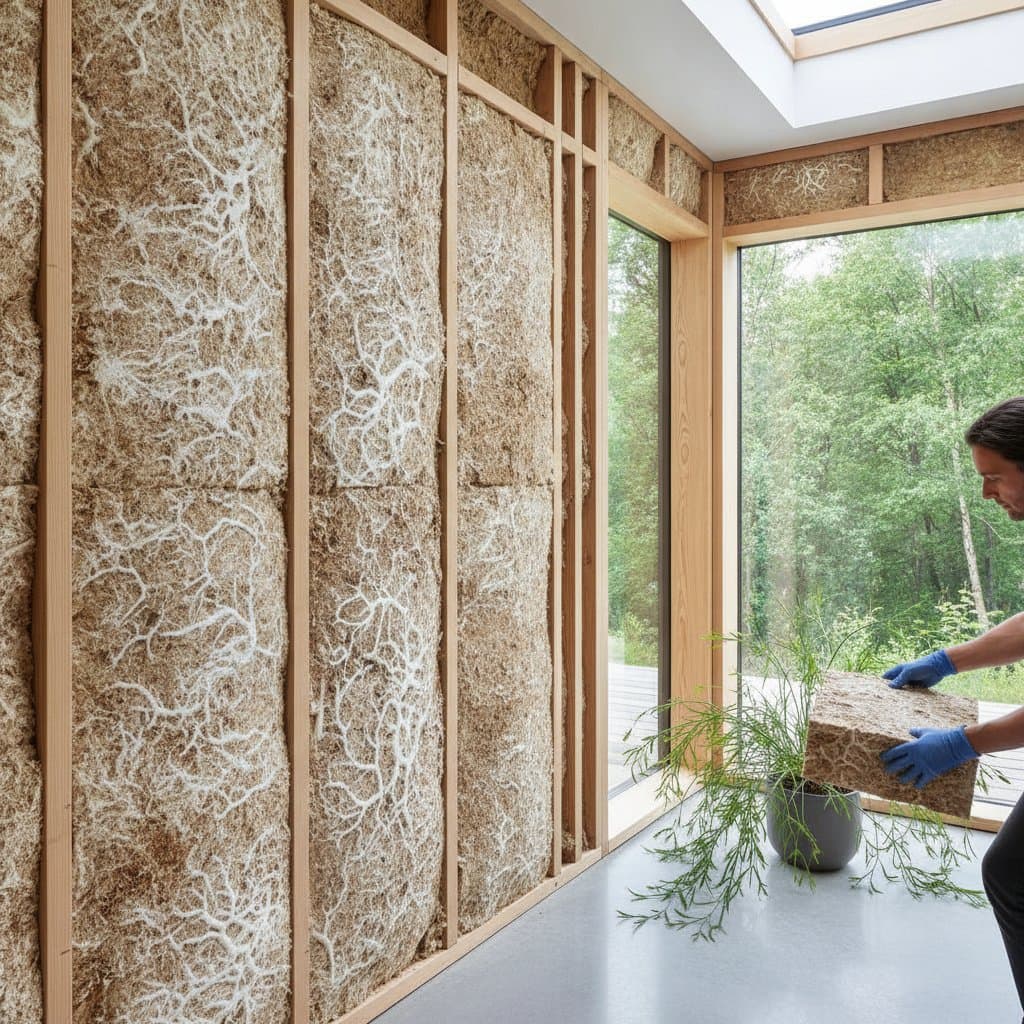
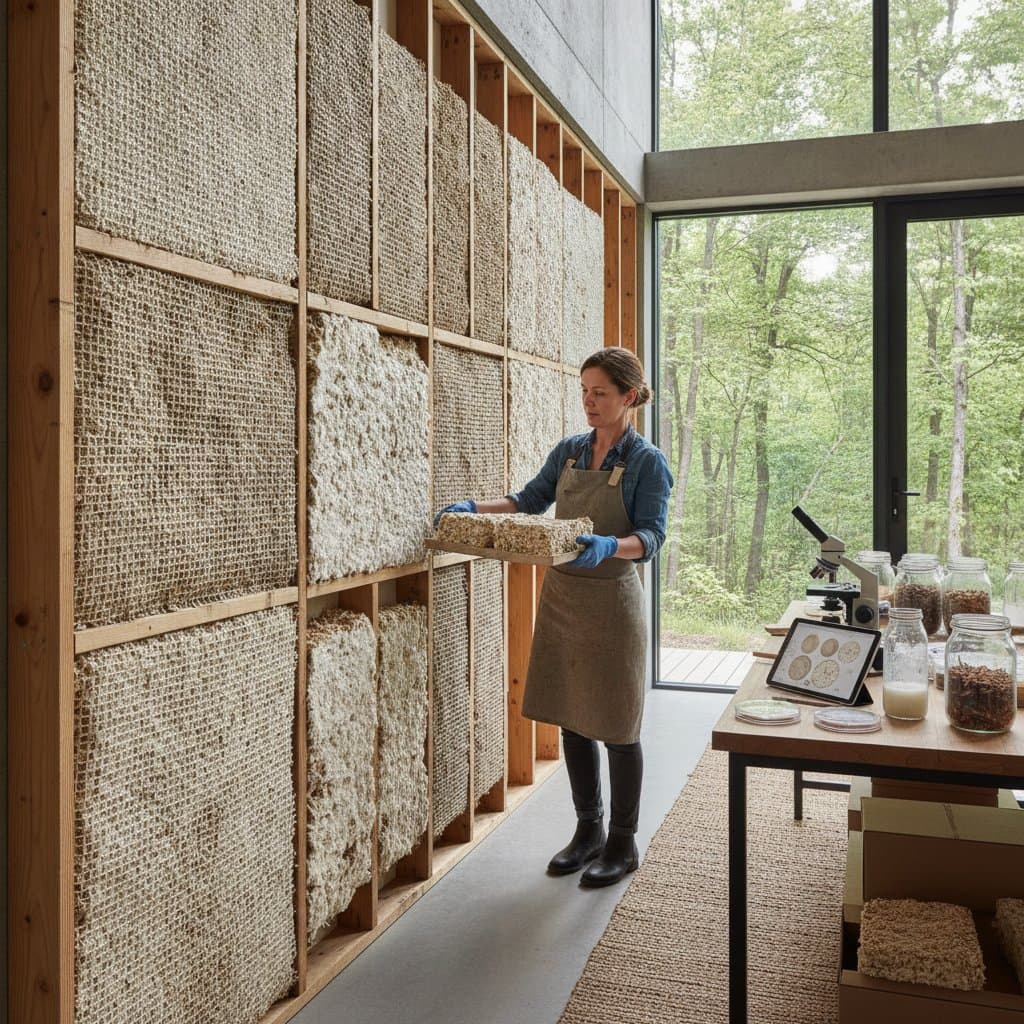
Mycelium forms the thread-like root network of mushrooms, expanding through substrates such as straw or wood chips. In controlled environments, it binds these materials into dense panels resembling foam. After full colonization, drying halts growth, yielding lightweight, rigid sheets with inherent fire resistance.
The appeal lies in its lifecycle: cultivation replaces manufacturing, eliminating synthetic additives. At end-of-life, it decomposes naturally. This contrasts sharply with conventional materials that endure indefinitely without breaking down.
Realistic Expectations for Mycelium Use
Mycelium insulation requires planning beyond a simple hardware store purchase. As an emerging product, it faces supply constraints and elevated upfront expenses. Installation demands precision to avoid moisture interference, necessitating seals or barriers.
For committed sustainable projects, however, it substantially lowers waste and emissions without compromising insulation quality. Proper application yields thermal efficiency on par with established options.
Preparation Essentials: Tools, Materials, and Expertise
Approach mycelium projects with the same diligence as standard insulation tasks. Thorough preparation ensures success. Gather these items:
Tools:
- Utility knife equipped with new blades
- Measuring tape and straightedge
- Staple gun loaded with corrosion-resistant staples
- Protective gloves and particulate respirator
- Caulk gun paired with non-toxic sealant
Materials:
- Pre-cut mycelium panels sized for stud or joist intervals
- Moisture-retardant film or permeable barrier
- Adhesive tape or caulk for joint sealing
- Secure fasteners or mounting clips
Required Skills:
Intermediate-level handiwork. Experience with fiberglass or foam suffices for panel handling. For extensive retrofits in older structures, engage contractors versed in eco-friendly practices.
Detailed Installation Process
-
Assess and Prepare the Space
Clear the cavity of debris, fasteners, and moisture traces. Mycelium demands dry conditions for optimal adhesion and longevity.
-
Measure and Trim Panels
Employ the straightedge and knife to size panels precisely for stud gaps. The material slices cleanly but frays under pressure, so proceed methodically.
-
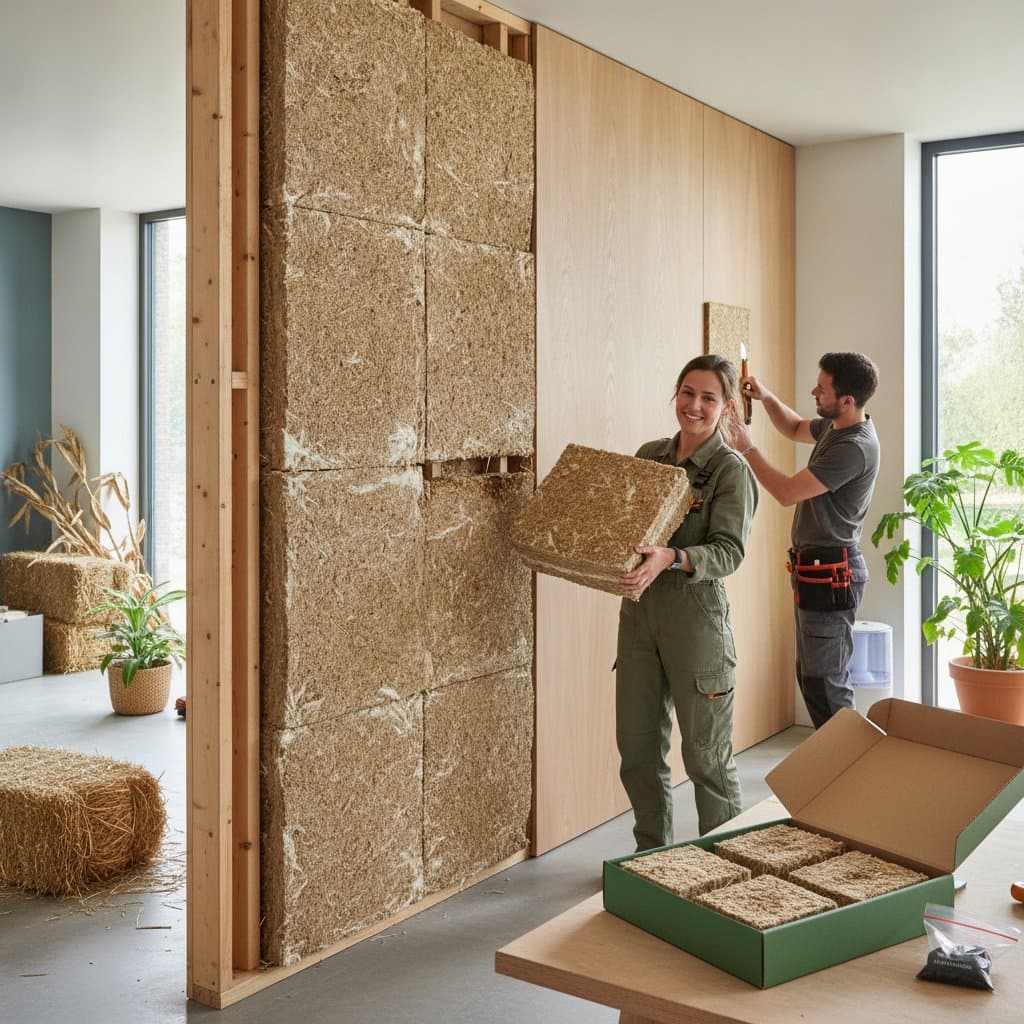
Position the Panels
Insert panels firmly to occupy the full space, avoiding compression. Address framing irregularities by adjusting edges for seamless contact.
-
Secure Joints
Apply non-toxic caulk or tape to all edges. This step blocks air infiltration and sustains insulation effectiveness, especially at angles and transitions.
-
Incorporate Moisture Protection
Fit a vapor barrier or breathable layer over the panels, tailored to regional humidity levels. While resilient, mycelium benefits from such safeguards against sustained dampness.
-
Apply Finishing Surfaces
Cover with drywall or sheathing promptly. Exposure invites humidity absorption, diminishing performance over time.
Troubleshooting Common Issues
Installation mishaps occur despite precautions. Key concerns include:
- Dimensional Changes: Undried panels may warp post-installation. Source from suppliers using thorough kiln processes.
- Water Intrusion Effects: Inadequate sealing leads to staining or weakening. Barriers and thorough caulking mitigate this risk.
- Rodent Interest: Organic composition occasionally attracts pests. Fortify perimeter seals to deter access.
Address problems by excising compromised areas and substituting new panels. Handling remains safer than synthetics, requiring only basic protection.
Performance Comparison to Standard Options
Initial use of mycelium in a cabin project revealed its practicality beyond hype. It matches fiberglass R-values while surpassing in acoustics. The neutral, organic scent during work avoids the acrid fumes of foams.
Consider this overview from practical applications:
| Property |
Fiberglass |
Foam Board |
Mycelium |
| R-Value per Inch |
3.0-3.5 |
4.0-6.0 |
3.5-4.0 |
| Moisture Resistance |
Moderate |
High |
Moderate |
| Fire Resistance |
Good |
Fair |
Excellent |
| Environmental Impact |
High |
Very High |
Low |
| End-of-Life Handling |
Non-recyclable |
Non-recyclable |
Biodegradable |
Beyond metrics, mycelium avoids emissions, skin irritation, and mold promotion. Individuals prioritizing indoor air purity find these attributes compelling.
Engaging Professionals for Complex Projects
Opt for expert assistance in expansive walls, attics, or wired zones. Mycelium poses no unique hazards, but compliance with codes and moisture strategies benefits from specialized knowledge. Experts also navigate fire ratings and regulations.
Professional involvement aligns with sustainability goals by guaranteeing durability and efficacy. Select those experienced in green methodologies to uphold project integrity.
Enduring Advantages of Mycelium
Well-installed mycelium retains efficacy for years, stabilizing humidity for optimized climate control. This efficiency curbs utility costs and ecological demands.
Its compostability or recyclability into fresh panels diverts material from waste streams. Homeowners invest not only in insulation but in a circular approach to building maintenance.
Essential Strategies for Optimal Results
- Maintain Dry Storage: House panels in climate-controlled areas pre-installation.
- Utilize Keen Edges: Sharp tools yield precise cuts, preserving structural integrity.
- Eliminate All Voids: Comprehensive sealing maximizes thermal barriers.
- Integrate Compatible Elements: Combine with natural plasters or zero-emission coatings to preserve eco-benefits.
- Record Project Details: Capture images and documentation to highlight value in property assessments, appealing to environmentally aware markets.