How Mycelium Will Transform Home Repairs by 2026
Homeowners often face challenges with cracks in walls or deteriorating insulation. Traditional repair materials require significant energy for production and pose disposal difficulties. Mycelium, the root structure of fungi, emerges as a sustainable alternative that redefines repair practices with its natural properties.
Understanding Mycelium's Unique Properties
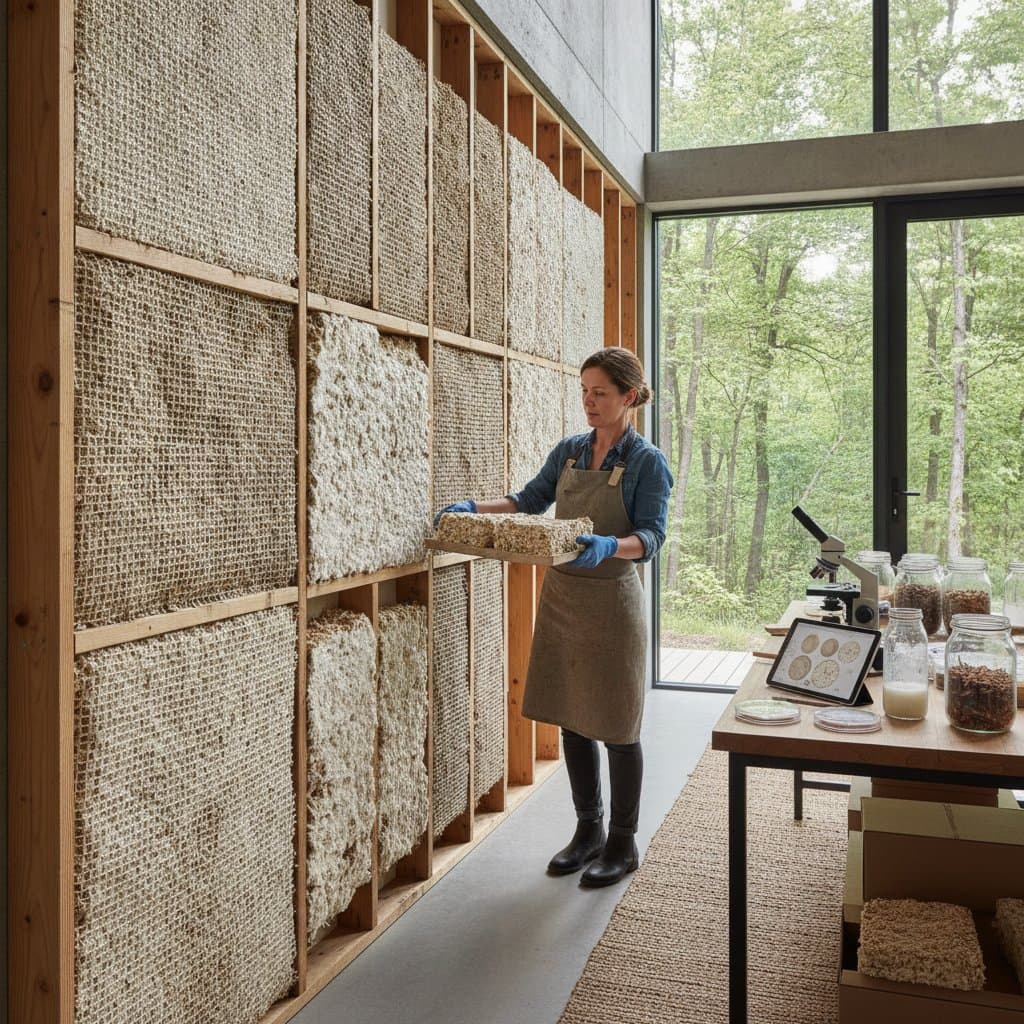
Mycelium appears as a white, threadlike network under decaying logs in forests. This structure naturally binds organic matter and facilitates decomposition. Researchers and designers now cultivate mycelium to produce materials that exhibit strength, lightness, and full biodegradability.
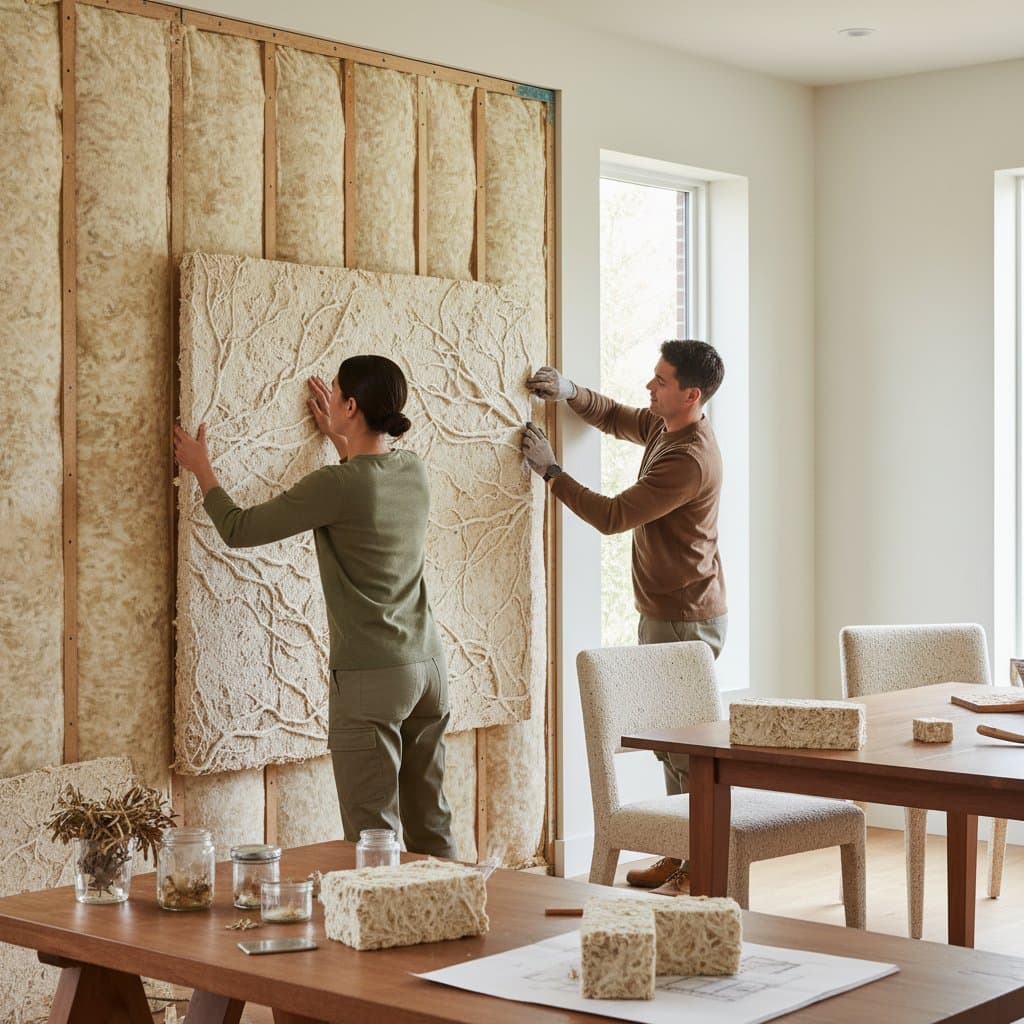
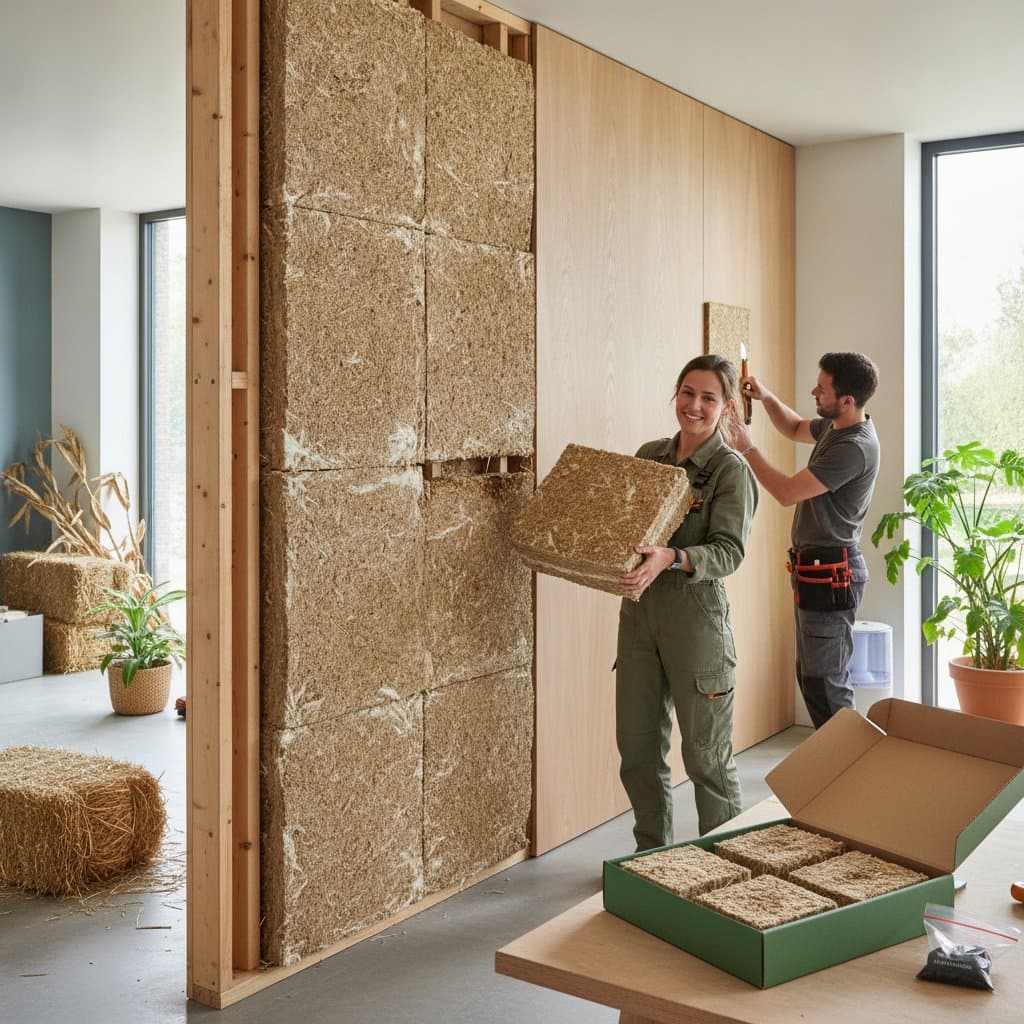
For repair applications, mycelium adapts to molded shapes, creating dense structures similar to foams or composites. It offers inherent fire resistance, moisture regulation, and durability. When integrated with agricultural byproducts such as hemp hurds or sawdust, mycelium yields robust panels suitable for insulation or fillers.
Applications in Everyday Home Repairs
Mycelium enables precise patching for wall holes through pre-treated inserts that expand and integrate with existing surfaces. After drying, these patches accept paint or finishes without emitting fumes or generating waste. This process simplifies repairs and supports environmental responsibility.
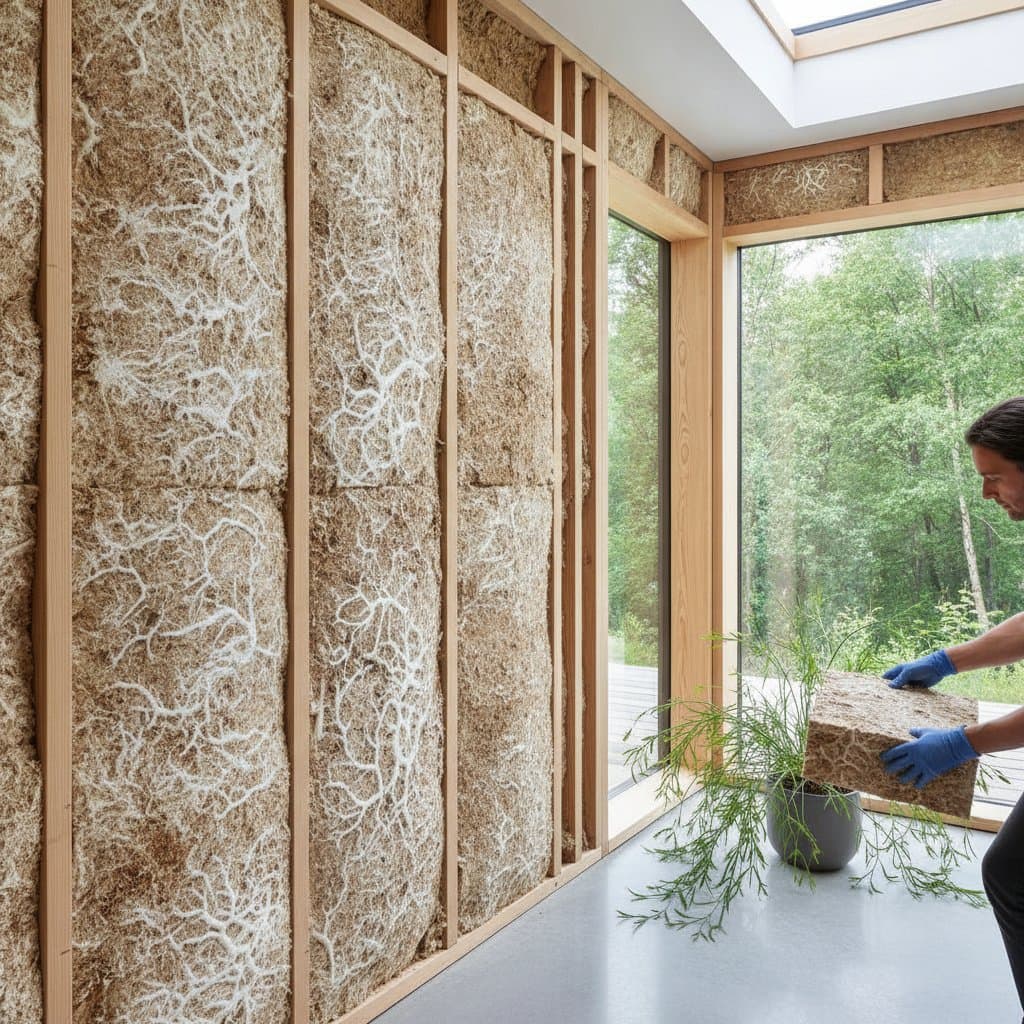
In insulation, mycelium surpasses fiberglass by not only retaining heat but also controlling humidity and enhancing air quality. Homeowners dealing with condensation or mold issues benefit from its preventive qualities. Since the material composts fully, replacements avoid landfill contributions.
Mycelium's design prevents ongoing issues by deterring pests, absorbing sound, and maintaining moisture balance. These attributes reduce long-term maintenance needs and ensure stable indoor comfort. In older homes, such improvements yield substantial enhancements to livability.
Adoption Among Professionals
Architects and builders recognize mycelium's alignment with circular economy principles, where materials cycle back into the environment. At the end of use, mycelium decomposes safely or supports new growth cycles.
Initial costs exceed those of conventional materials, but scalability in controlled cultivation environments drives prices downward. The lower environmental impact further justifies investment as adoption grows.
Designers appreciate mycelium's versatility in texture and color, which complements natural elements like clay or reclaimed wood. This integration fosters interiors that blend modernity with organic appeal.
Emerging Uses in Repair Products
Mycelium will appear in various consumer products within the coming years. Key applications include:
- Wall and ceiling panels: Lightweight, compostable alternatives to drywall that provide sound absorption.
- Insulation blocks: Panels that manage temperature and elevate indoor air quality.
- Repair kits: Moisture-activated patches for sealing cracks in plaster or surfaces.
- Substrates for eco-paints: Coatings that bond effectively with natural pigments and sealers.
- Furniture composites: Moldable fillers for dents or joint reinforcements, free of toxic adhesives.
These innovations promote healthier, more sustainable home maintenance. Renters and homeowners alike gain practical tools for eco-conscious updates.
Benefits of Integrating Mycelium
Mycelium materials enhance living spaces by reducing noise, purifying air, and imparting natural warmth absent in synthetics. Beyond functionality, they contribute to a sense of well-being.
Commercial products arrive pre-grown for immediate use, minimizing on-site complexities. For enthusiasts, home kits allow cultivation of small batches, akin to nurturing plants.
This hands-on approach adds engagement to repairs, transforming routine tasks into creative endeavors.
Steps to Adopt Mycelium Repairs
Prepare for mycelium's integration by researching bio-based products from suppliers. Inquire with builders about sustainable repair options to encourage their use.
For personal projects, begin with sample patches or insulation pieces. Contractors often welcome client interest in green materials, facilitating broader adoption.
Through these actions, individuals contribute to a shift toward resilient, earth-friendly homes.