Mycelium Insulation Transforms Eco Home Repairs
Key Points:
- Mycelium insulation, derived from mushroom roots, reshapes eco-conscious home repairs for homeowners and professionals alike.
- It delivers natural fire resistance, effective moisture control, and full biodegradability without relying on synthetic chemicals.
- Builders and DIY enthusiasts adopt this bio-based option for its environmental benefits and reliable performance.
- Industry experts view its growing popularity as evidence of a broader movement toward regenerative design principles.
Introducing a Living Material to Modern Homes
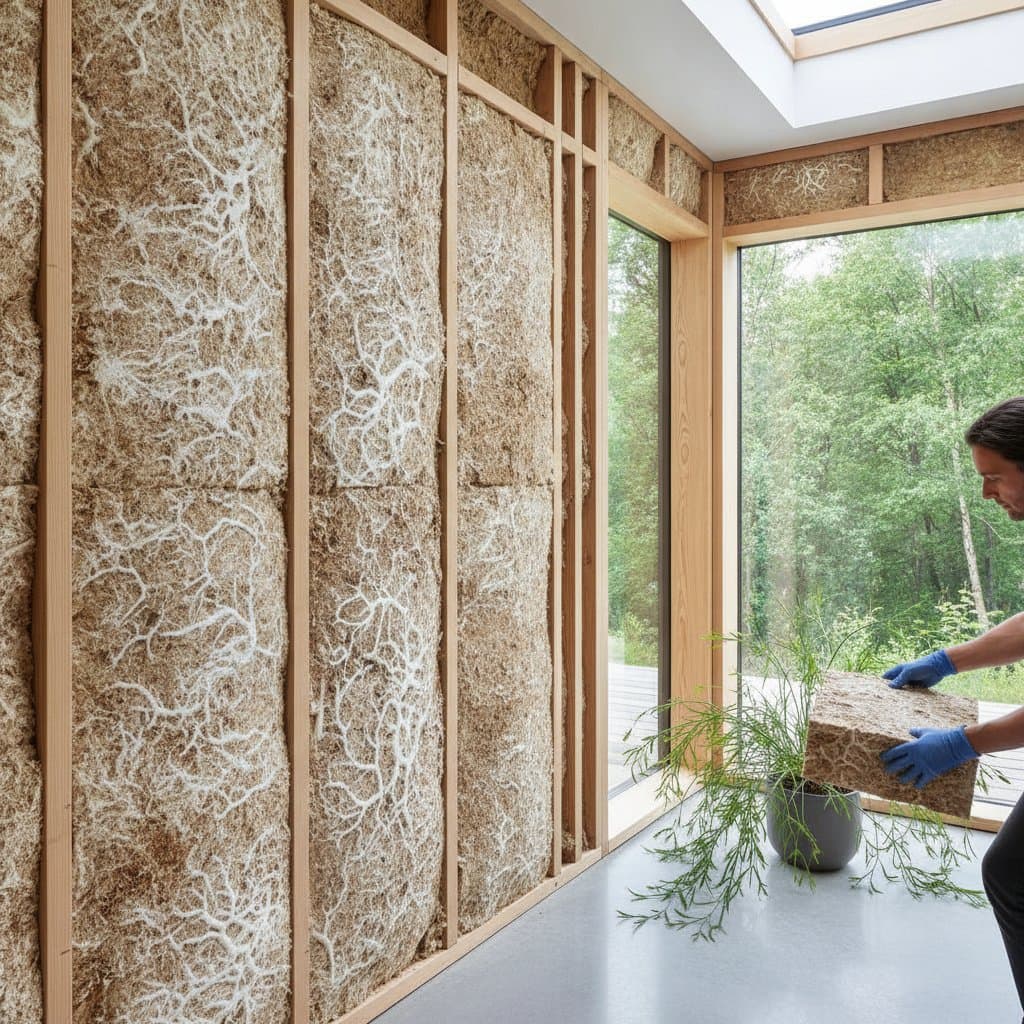
Imagine a suburban home undergoing renovation. Walls stand exposed, carrying the familiar smells of fresh plywood and paint. Rather than installing standard pink fiberglass, a contractor positions panels of soft, white material resembling dried coral. This substance is not manufactured from petrochemicals. It is cultivated from the root-like structure of mushrooms known as mycelium.
Evolution from Experimental Concept to Practical Solution
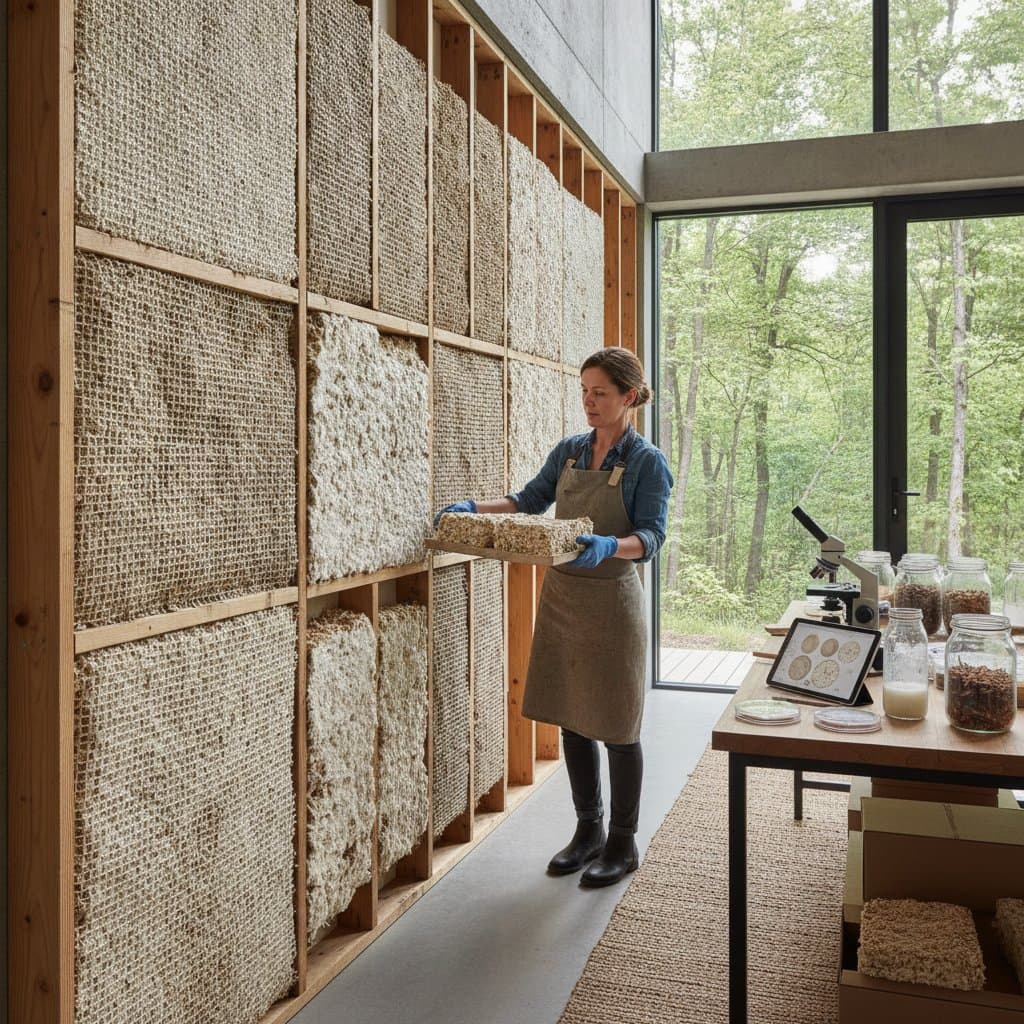
Mycelium products once appeared primarily in academic settings or specialized eco-architecture displays. Recent advancements by bio-materials companies have enabled large-scale production with uniform quality standards.
Production starts with substrates like straw or corn husks. Mycelium spores are added, allowing growth over a few days as the network binds the materials together. Drying stops the process, yielding a robust, fire-resistant product that matches the thermal efficiency and strength of standard insulation.
Reasons Builders Embrace Mycelium
Professionals in construction seek options that combine functionality with low environmental impact. Mycelium insulation meets these needs effectively. Its biodegradability ensures it decomposes naturally rather than persisting in landfills.
The material breathes, which helps control indoor humidity levels and prevents mold formation. In contrast to fiberglass, it avoids releasing irritants or harmful particles during handling or use. Homeowners benefit from safer installation processes and improved air quality post-renovation. It integrates seamlessly with complementary sustainable choices, including hempcrete, bamboo flooring, and reclaimed lumber.
Embracing Regenerative Design Principles
Mycelium insulation signals more than incremental improvements in green building. It embodies a fundamental change in material selection, moving beyond harm reduction to active ecological restoration.
This approach aligns with regenerative design, where materials contribute positively to natural systems. Mycelium proliferates rapidly, utilizes waste streams, and demands minimal energy input during creation. Environmental designer Clara Hughes noted in an interview, "Mycelium feels alive even after processing because it embodies the idea that materials can give back to the environment that produced them." Such perspectives influence the construction sector, accelerating adoption amid pressing ecological needs.
Performance in Real Applications
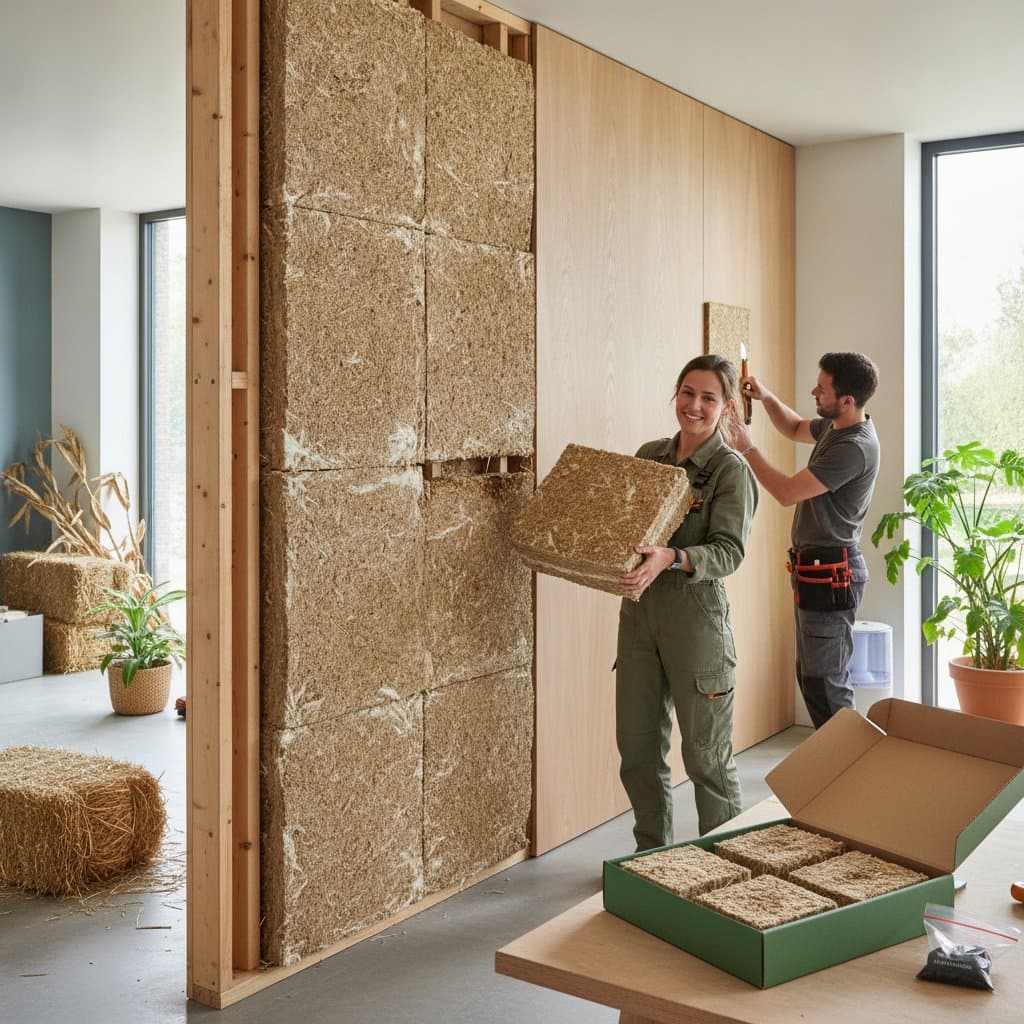
Pioneering users document impressive outcomes in homes and commercial projects. Installations often place mycelium panels behind drywall, or form them into blocks for eco-cabins and remote studios. The ability to mold it to specific shapes minimizes on-site waste.
Performance evaluations confirm thermal resistance on par with synthetic foams, alongside inherent pest deterrence. Without chemical binders, end-of-life disposal involves straightforward composting. This closed-loop system appeals to those prioritizing comprehensive environmental integration in renovations.
Addressing Hurdles and Clarifying Doubts
Mycelium insulation encounters obstacles in widespread use. Initial costs exceed those of conventional materials due to emerging supply chains and growth timelines that differ from rapid industrial methods. Concerns about longevity persist, with some fearing rapid degradation in a biological product.
However, the processed form remains stable and inert, ensuring extended service life. As market expansion occurs, production efficiencies should lower prices. Currently, it suits targeted applications like insulating a home office, shed, or recording space, allowing experimentation without major overhauls.
Incorporating Mycelium into Home Repairs
Homeowners pursuing sustainable upgrades find mycelium insulation a practical enhancement, particularly in areas requiring precise climate control, such as attics, basements, or dedicated workspaces.
To incorporate it effectively:
- Identify reputable manufacturers offering certified mycelium products and review their technical specifications.
- Engage contractors experienced in bio-materials to ensure proper integration.
- Pair it with natural elements like lime-based plasters or salvaged wood for amplified sustainability.
Materials That Restore and Renew
Mycelium insulation extends beyond technical utility. It prompts reflection on the origins of home components and their ties to broader ecosystems.
For individuals committed to genuine environmental stewardship, this material provides insulation plus a tangible connection to nature's processes. It illustrates how innovative solutions draw from biological wisdom to build homes that heal the planet.