Key Points
- Mycelium, the root structure of fungi, emerges as a renewable material for sustainable home repairs and insulation.
- It substitutes for conventional options such as foam, plastic, or fiberglass in insulation, paneling, and structural infill.
- Mycelium-based products offer biodegradability, fire resistance, and inherent moisture regulation.
- The cultivation and curing process demands controlled environments yet generates minimal waste and no toxic byproducts.
- Homeowners integrate prefabricated mycelium boards or partner with suppliers to incorporate these materials into walls, floors, or insulation setups.
- This approach bolsters circular construction by converting agricultural waste into robust building elements.
Technical Background
Mycelium forms the vegetative root network of fungi, thriving underground or within organic substrates. In natural ecosystems, it recycles materials like leaves, wood, and crop residues into essential nutrients. Under controlled cultivation, mycelium binds substrates such as wood chips or straw into compact, lightweight composites suitable for construction.
Assessment
Prior to adopting mycelium materials, determine sites where organic composites can supplant traditional ones without sacrificing structural integrity or moisture control. Mycelium excels in these applications:
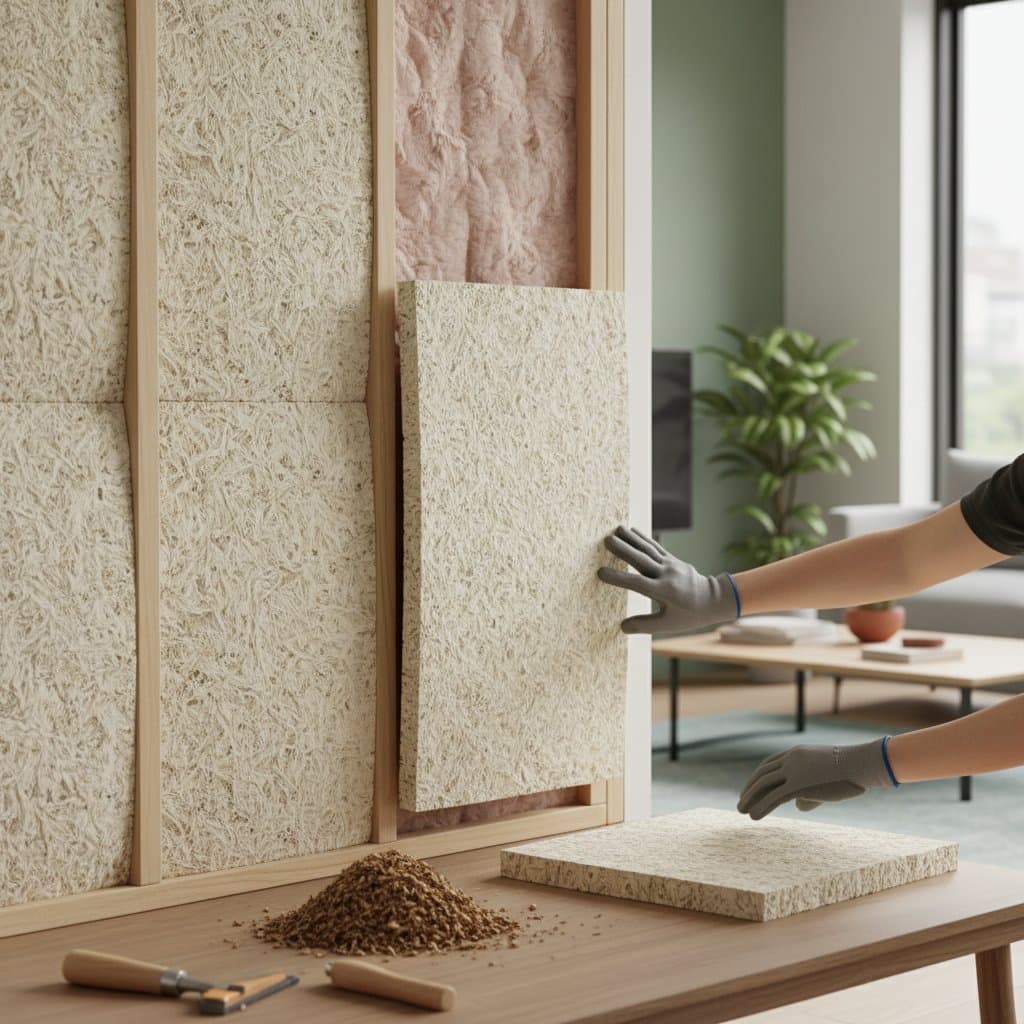
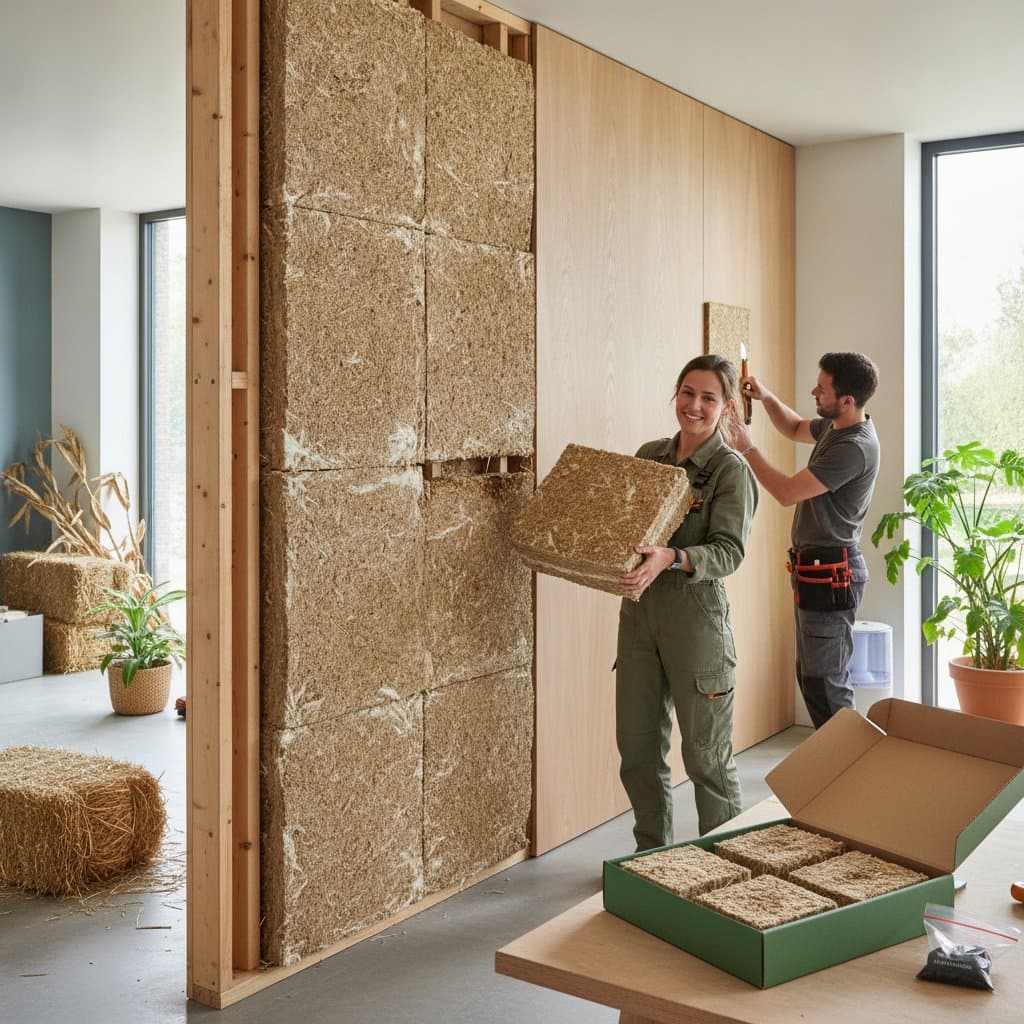
- Insulation: Cavities in walls, attics, and underfloors.
- Acoustic panels: Sound-dampening elements for walls or ceilings in living areas.
- Decorative finishes: Tiles for walls, surfaces for furniture, and fixtures for lighting.
- Repair panels: Substitutes for deteriorated interior sheathing or insulation boards.
Examine the repair site's conditions closely. Mycelium thrives in dry settings and manages moderate humidity shifts, but it suits poorly for persistent wetness, such as near plumbing leaks or unprotected exterior walls.
For insulation or repair evaluations, take exact measurements of cavity sizes. Mycelium panels and blocks come in dimensions akin to rigid foam boards. Confirm alignment with framing intervals, vapor barriers, and attachment methods.
Planning Phase
Tools and Materials
Essential items for straightforward installations encompass:
- Mycelium insulation panels or blocks.
- Utility knife or fine-tooth saw.
- Measuring tape and straightedge.
- Vapor-permeable membrane for interior walls.
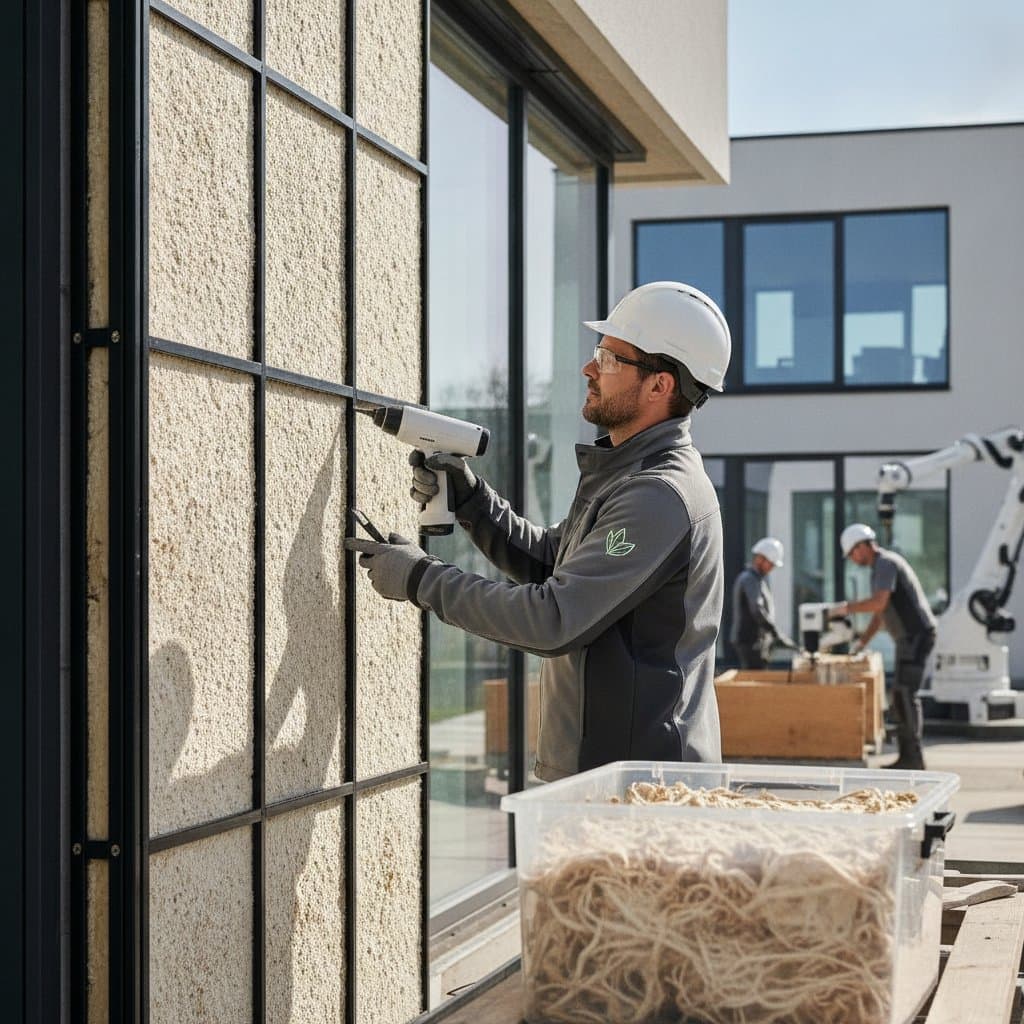
- Stainless steel screws or panel fasteners.
- Low-toxicity adhesive, if needed.
- Safety gloves and dust mask for managing cured panels.
Preparation and Environmental Conditions
Keep mycelium panels in a dry, ventilated area prior to use. Shield them from direct moisture or uncontrolled outdoor exposure. For semi-cured panels intended for shaping, ensure complete drying before installation to prevent subsequent contraction.
Schedule projects to account for curing and acclimation periods. Fully prefabricated panels arrive ready, whereas custom pieces may require days to cure based on thickness. Align these timelines with overall renovation plans.
Safety Considerations
Mycelium panels pose no toxicity risks during handling, though cutting or sanding generates dust best avoided through inhalation. Don protective gloves and a respirator when dealing with particulates. Maintain ventilation during setup, especially with adhesives or barriers. Adhere to supplier guidelines on moisture handling and compatible finishes.
Implementation
1. Site Preparation
Clear the workspace and excise damaged sections. For insulation replacement, check framing and sheathing for moisture or rot indicators. Address leaks and install vapor barriers as necessary. Thoroughly clean cavities before inserting panels.
2. Measuring and Cutting
Employ a measuring tape to gauge cavity sizes accurately. Mark panels and cut with a utility knife or fine-tooth saw. Mycelium shears neatly but may fragment under rough treatment; stabilize pieces during cuts and apply gentle pressure.
3. Placement and Securing
Position panels securely within cavities. In insulation roles, achieve a firm fit without compressing the material to preserve air spaces for optimal thermal efficiency. Fasten using stainless steel screws or supplier-recommended adhesives. Refrain from overtightening to avoid material damage.
4. Surface Finishing
Apply breathable layers like lime plaster or clay coatings post-installation. These pairings enhance mycelium's vapor permeability, permitting moisture movement without condensation risks. Steer clear of non-porous options such as epoxy or vinyl paints that impede airflow.
5. Integration with Existing Systems
When combining mycelium with legacy materials, sustain uniform vapor management across assemblies. For instance, in walls blending fiberglass and mycelium, apply a seamless barrier to halt moisture travel. Mycelium pairs well with wood framing, cellulose, or mineral wool, contingent on consistent moisture strategies.
Quality Assurance
Conduct a methodical inspection to confirm installation efficacy. Review these elements:
- Dimensional Fit: Ensure panels align tightly, with gaps not exceeding 3 millimeters.
- Dryness: Confirm surfaces feel solid and dry prior to enclosure; lingering moisture signals inadequate curing.
- Fastener Integrity: Verify screws or adhesives secure panels without warping.
- Moisture Barrier Continuity: Check seals at edges and joints for vapor membranes or coatings.
- Thermal Performance: Post-setup, track temperature consistency; mycelium should minimize heat loss and enhance comfort.
Address issues like sagging or softness by extracting panels and probing for concealed moisture. Mycelium endures typical humidity but degrades under prolonged water exposure.
Maintenance
Installed mycelium demands little upkeep thanks to innate mold and pest resistance. Preserve performance by:
- Maintaining indoor humidity at 30 to 60 percent.
- Checking for leaks near windows, roofs, and pipes.
- Refraining from impermeable paints or sealants on surfaces.
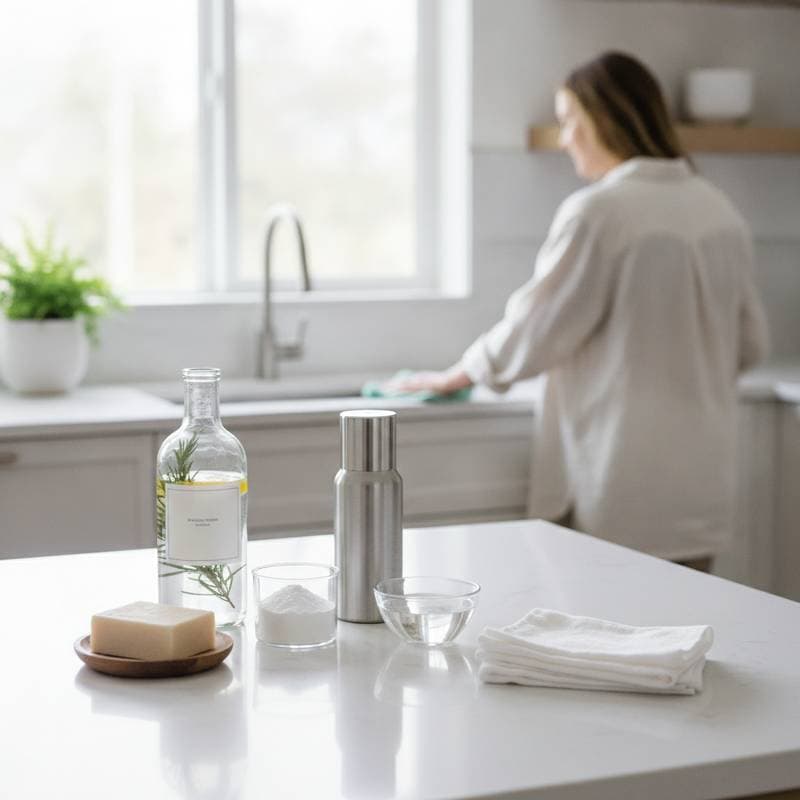
- Cleaning visible panels with dry cloths or vacuum brushes, avoiding wet methods.
Damaged panels permit individual replacement. As a biodegradable substance, discards compost easily or dispose harmlessly.
Cost and Performance Comparison
Mycelium pricing fluctuates with availability and production volume. Though initial costs surpass those of fiberglass or polystyrene per unit, offsets arise from energy savings, superior air quality, and waste minimization. It delivers R-values on par with mid-density foams, plus inherent sound absorption.
Tests confirm mycelium's tolerance for moderate compression, fitting it for wall infills and acoustics. Its fire resistance limits smoke and eliminates toxic emissions, outperforming petroleum foams in safety.
Across lifecycle stages—production, installation, disposal—mycelium excels with low embodied energy and recyclability. For sustainability-focused owners, it yields enduring environmental and economic returns.
Professional Collaboration Opportunities
DIY suits many mycelium uses, yet complex endeavors gain from expert input. Specialists in natural materials aid with:
- Bespoke panel creation for odd shapes or curves.
- Merging with heating systems or vapor controls.
- Extensive wall or ceiling work needing reinforcement.
Professionals ensure code adherence; mycelium may fall under alternative provisions demanding fire and thermal documentation. Obtain data sheets and certifications pre-purchase for regulatory fit.
Environmental and Health Advantages
Mycelium avoids formaldehyde, VOCs, and microplastics inherent in synthetics, fostering cleaner indoor air and fewer allergies. Its humidity regulation absorbs and releases moisture dynamically for balanced spaces.
Ecologically, each panel sequesters carbon in organic structure, bypassing emissions. Sourcing from waste like straw or corn residues diverts burnable discards into valuable assets, embodying circular economy ideals of reuse and renewal.
Expanding Applications in Home Repairs
Mycelium extends beyond insulation to varied repairs:
- Subfloor underlayment: Panels that muffle noise and even temperatures.
- Furniture repair: Custom molds for sustainable seating or tabletops.
- Wall repair kits: Ready boards for drywall patches.
- Acoustic ceiling tiles: Dual-purpose insulators and echo reducers.
Such versatility highlights its potential. Advancing production promises broader access to standardized parts for conventional builds.
Pro Tips for Success
- Confirm full curing of panels before fitting; unfinished growth risks contraction or staining.
- Cut with deliberate, steady motions for precise edges.
- Combine with breathable finishes like clay plaster or limewash.
- In attics, secure ventilation routes against condensation.
- Store extras in dry spots for prompt future fixes.
These practices bolster longevity and ecological value.
Advancing Sustainable Home Repairs
Incorporating mycelium into repairs aligns with regenerative systems over resource depletion. Each project lessens reliance on petrochemicals, proving that sustainability enhances both function and form in living spaces.