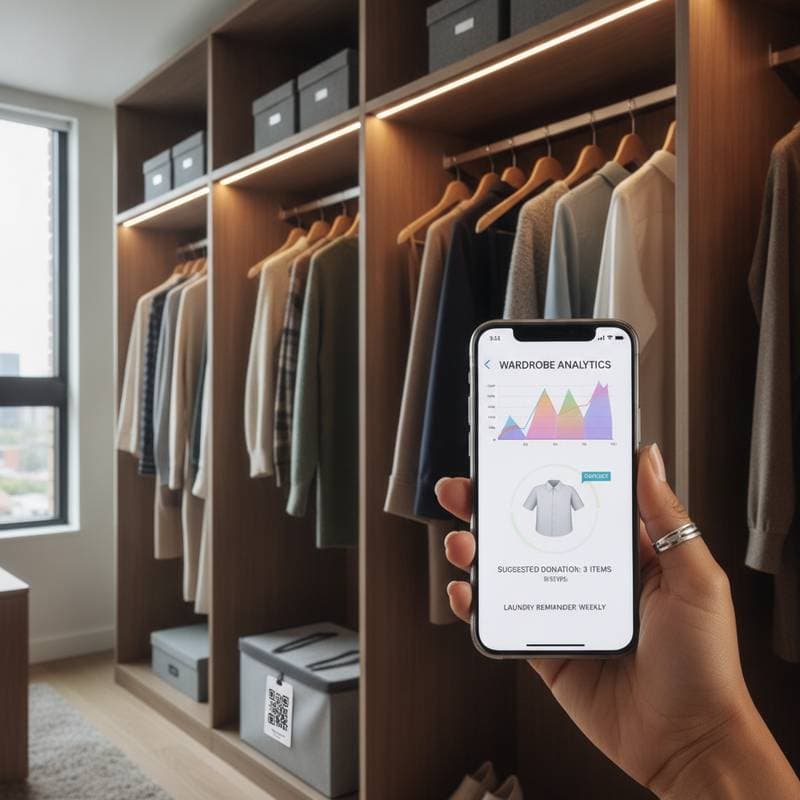
Begin with a Focused Approach
Select one defined area to start, such as a closet or pantry. Attempting to digitize an entire residence simultaneously often results in frustration. AI apps perform optimally with structured input, so adopt a gradual method for sustainable outcomes.
Step-by-Step Guide: Declutter with AI Efficiency
Follow these structured steps to harness AI for effective decluttering. Each phase builds on the previous one, ensuring steady progress without overload.
-
Scan the Area Thoroughly
Capture broad photographs of the space using your device's camera. The app analyzes these images to generate a digital map, highlighting priority zones like overflowing shelves or crowded floors. This initial overview provides a clear baseline for subsequent actions.
-
Document Individual Possessions
Photograph each item you intend to inventory, from clothing to kitchen utensils. The AI automatically tags and clusters similar objects, such as grouping books by genre or tools by function. Review and refine these groupings to align with your personal definitions, enhancing the app's future suggestions.
Evaluate and Choose
The platform displays organized inventories through intuitive interfaces, often with searchable lists or visual grids. Detached from physical chaos, users assess value and utility more objectively, deciding on retention, donation, or disposal. This digital detachment reduces emotional attachments that prolong traditional sorting.
Determine Storage Positions
For retained items, the app suggests placements based on patterns like daily access or seasonal relevance. Frequently used cookware might relocate to lower cabinets for ease, while holiday decorations shift to attic storage. Factor in room dimensions and workflow to customize these recommendations further.
Monitor Advancement
Throughout the process, the app calculates completion metrics, such as percentage of items sorted or areas cleared. Visual progress bars and milestone notifications sustain engagement, particularly during extended efforts spanning several days. Celebrate these increments to build momentum.
Implement Physical Changes
Translate the virtual blueprint into reality by rearranging items according to the plan. Tackle one subsection at a time, wiping surfaces clean during relocation to integrate hygiene. Pause periodically to verify alignment with the digital model.
Assess and Refine
Rescan the completed space to evaluate the new arrangement. The AI compares against optimal standards, flagging inefficiencies like inaccessible spots. Apply suggested adjustments, such as repositioning for better flow, to achieve lasting functionality.
Addressing Frequent Challenges
AI tools excel in guidance but require user participation to overcome ingrained disorganization. Consider these typical obstacles and targeted resolutions.
-
Challenge: Inaccurate Item Recognition
Resolution: Override mislabels directly in the app. Repeated corrections train the algorithm, boosting precision for subsequent scans and adapting to unique household items.
-
Challenge: Declining Enthusiasm Mid-Process
Resolution: Divide the task into manageable portions, targeting 20 to 30 minutes per session. Conclude each with a small incentive, like a brief walk, to refresh focus.
-
Challenge: Persistent Clutter Sensation Post-Sort
Resolution: Audit usage history; items untouched for over six months warrant consideration for removal. Integrate minimalist principles by questioning necessity before rehoming.
-
Challenge: Discomfort in Physical Execution Despite Ideal Digital Design
Resolution: Prioritize personal ergonomics over algorithmic ideals. Modify placements for intuitive reach, ensuring the setup supports daily routines rather than rigid optimization.
Recognizing Limits: Engage Professional Help
While AI decluttering apps offer robust support, they fall short in complex scenarios. For instances involving excessive accumulation, deep emotional ties to possessions, or constrained architectures, consult a certified organizer. Professionals navigate psychological barriers and logistical demands beyond digital capabilities.
Prioritize expert intervention for hazards like obstructed airways, unstable furniture, or wiring risks. In such cases, remediation precedes reorganization to safeguard health and stability.
Essential Strategies for Optimal Results
- Assess Usage Realistically: Discard sentimentality if an object sees infrequent action; focus on current lifestyle needs.
- Incorporate Time Limits: Dedicate focused intervals, such as 25 minutes, to scanning and categorizing for consistent advancement.
- Apply Uniform Labeling: Establish a coherent tagging system post-setup to facilitate ongoing retrieval and upkeep.
- Select Multi-Platform Compatibility: Opt for apps that synchronize across phones and computers, enabling inventory access from any location.
- Establish Periodic Reviews: Program quarterly evaluations of your catalog to detect and address emerging accumulations proactively.
Sustaining Decluttered Harmony
Achieving an organized home marks the initial victory; preservation demands ongoing commitment. Leverage app notifications for timely interventions, like seasonal rotations or bin audits. Cultivate habits such as daily tidying to reinforce the structure, ensuring long-term serenity and efficiency in your living environment.