The Evolution of Hidden Storage in Modern Furniture
Picture a living room with clear surfaces and no visible disarray. Wires disappear into compartments, books nestle out of sight, and throws vanish with ease. Hidden storage makes this possible by embedding secret spaces within furniture, maintaining harmony in everyday chaos.
These features once belonged to grand manors or storybook settings. Today, they suit compact urban apartments and family homes alike, where every inch counts. Furniture now doubles as art and utility, delivering organization without overwhelming aesthetics.
The Appeal of Discreet Storage Solutions
Hidden compartments charm through their clever subtlety, turning ordinary objects into surprising helpers. A side table that hides chargers or a dresser with concealed jewelry trays adds delight to daily routines.
Key Multi-Purpose Furniture for Hidden Organization
Multi-functional pieces anchor successful hidden storage strategies. Choose items that balance storage capacity with design harmony and user comfort.
Ottoman Storage Units:
These footrests open via hinged tops to hold throws, games, or remote controls. Select versions with adjustable dividers for sorted access, allowing users to grab items without rummaging.
Lift-Top Cocktail Tables:
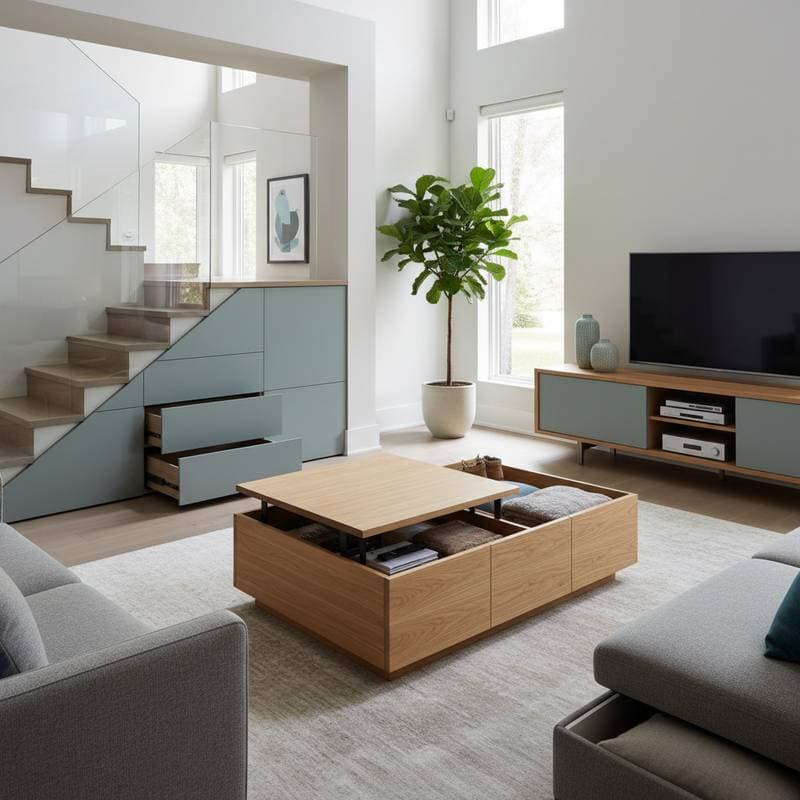
The surface rises on hinges to reveal bins beneath, perfect for stashing laptops or mail. Prioritize models equipped with pneumatic lifts for quiet, effortless lifting and secure closure.
Low-Profile Beds with Drawer Bases:
Drawers on smooth glides utilize the space under mattresses for bedding or suitcases. Advanced options feature hydraulic lifts that elevate the entire bed frame, exposing ample room for off-season gear.
Versatile Entry Benches:
Lift the seat to store footwear and purses, clearing foyer clutter. For outdoor-adjacent spots, choose benches crafted from treated teak or metal to withstand moisture and wear.
Integrate these selections gradually, ensuring they align with room colors and scales for a unified appearance.
Upgrading Current Furniture with Hidden Features
Revitalize existing items through straightforward modifications that reveal untapped storage. These upgrades demand minimal tools and deliver outsized organizational gains.
Hinged Wall Panels:
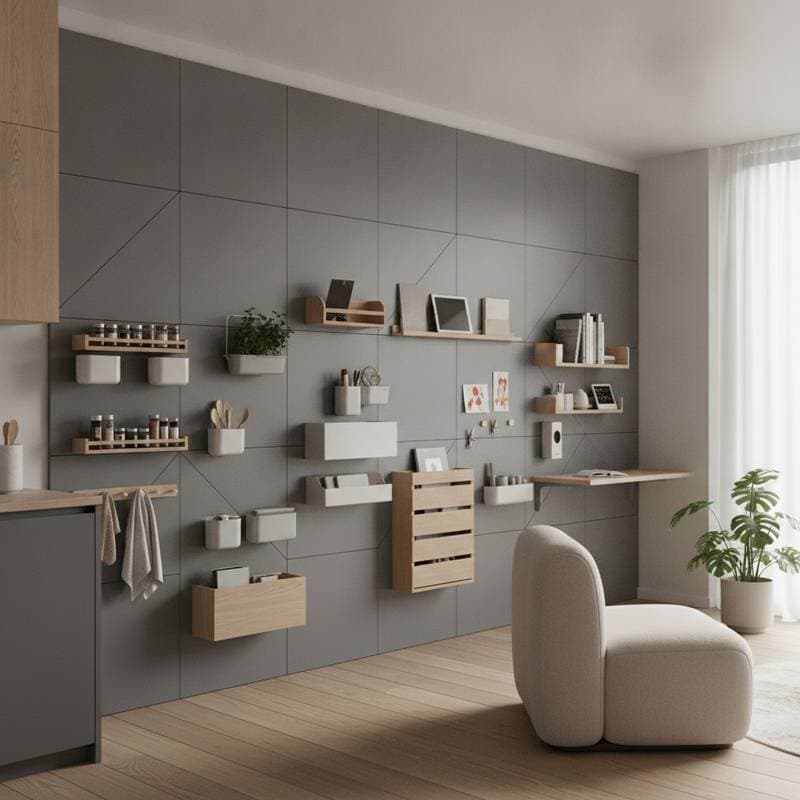
Mount artwork or framed photos on hinges to form shallow cabinets for papers or small valuables. Use soft magnetic closures for subtle entry, integrating the piece into gallery walls without detection.
Riser Drawers in Stairs:
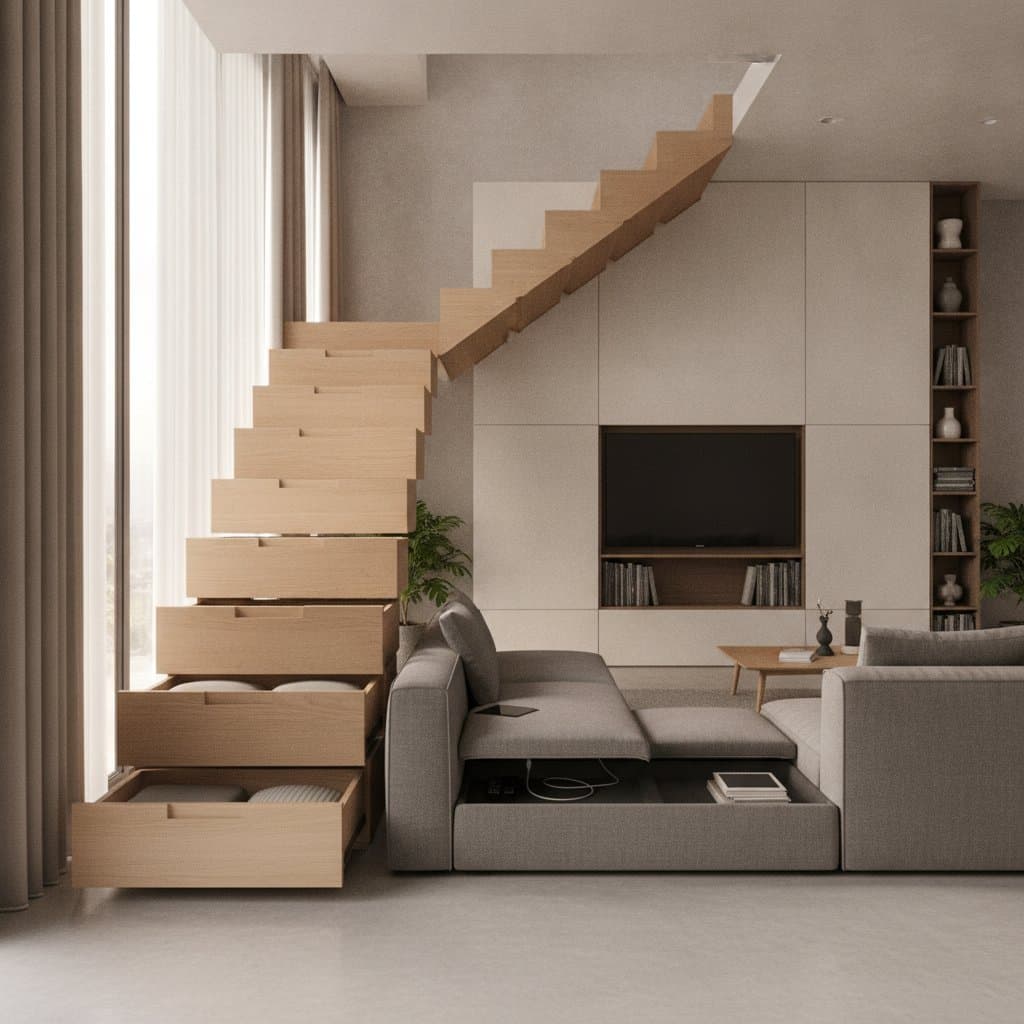
Fit slim drawers into each stair step using heavy-duty slides rated for 50 pounds. Calculate dimensions based on riser height, typically 7 to 8 inches, to store seasonal items or hobby supplies securely.
Under-Cabinet Toe-Kick Drawers:
Install narrow drawers in the 4-inch void below kitchen bases for foils, sponges, or tools. Incorporate push-to-open latches for touchless access, keeping hands free during meal prep.
Custom Headboard Storage:
Embed pull-out trays or fold-down ledges within headboard frames for books and lamps. Pad interiors with fabric liners to muffle sounds and protect delicate objects from scratches.
Always test modifications for stability, and engage a carpenter for load-bearing changes to avoid compromising furniture safety.
Incorporating Organic Materials for Balanced Design
Offset the mechanics of hidden storage with warm, natural elements like bamboo, cotton, or solid walnut. An acacia wood trunk with a cushioned top hides linens while infusing coziness into minimalist rooms.
Prioritize eco-friendly sources, such as FSC-certified timber finished with water-based sealants. These materials resist fading and off-gassing, supporting healthier indoor air over time.
Restore vintage finds by applying beeswax or linseed oil, customizing finishes to match decor preferences and extending piece longevity.
Tailored Approaches for Hidden Storage by Room
Adapt concealed solutions to specific room functions, leveraging unique architectural quirks for optimal results.
Living Area Tactics:
Sofas with arm-integrated pockets secure tablets and coasters, while hollow-legged stools conceal cables. Position these near seating clusters to streamline media access without surface clutter.
Kitchen Adaptations:
Faux drawer fronts hide spice jars or cutting boards in island bases. Install rotating carousels within corner cabinets to reach back-row items, matching hardware to existing pulls for cohesion.
Bedroom Configurations:
Nightstands with false bottoms store watches and cords, paired with valances over dressers to veil lower drawers. This setup maintains a restful vibe while accommodating personal essentials.
Bathroom Optimizations:
Medicine cabinets recessed 3 inches into walls behind vanities hold linens and cleaners. Opt for marine-grade plywood shelves under lavatories, sealed against steam for lasting performance.
Office Arrangements:
Credenzas with flip-top desks tuck away printers, complemented by baseboard file slots. Route cords through grommets to keep desks pristine, fostering focused work zones.
Apply these ideas selectively, starting with high-impact zones to build momentum toward full-home organization.
Building Skills in Custom Concealed Systems
With practice, spot opportunities in alcoves or baseboards for bespoke storage. Start with peel-and-stick hooks inside cabinet doors, then advance to screwed-in bins for permanence.
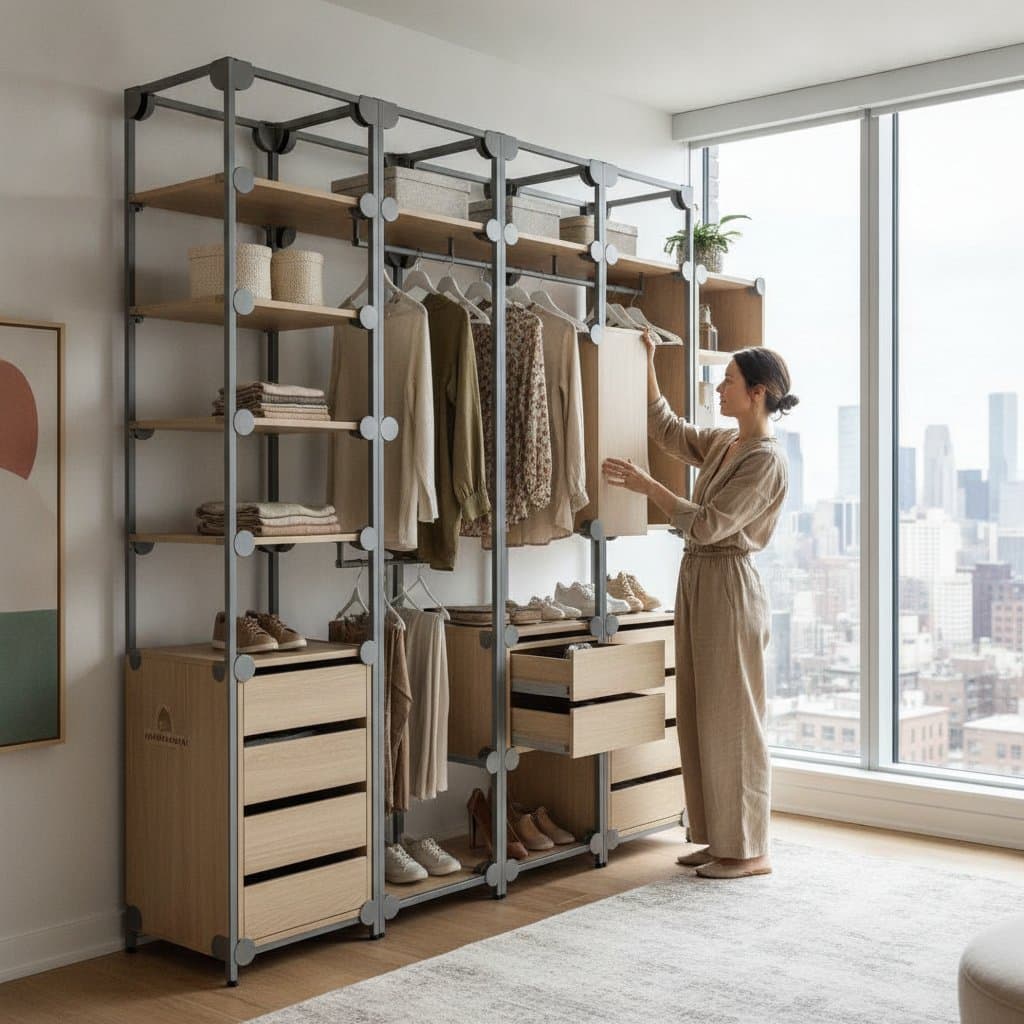
For expansive setups, procure adaptable components like track systems that permit future adjustments. Confirm weight limits, aiming for 75 pounds per shelf in frequented areas, to ensure reliable use.
Realizing Lasting Advantages of Integrated Storage
Integrated storage fosters homes that nurture focus and tranquility. Routines simplify as items find dedicated, invisible homes, reducing decision fatigue.
Such investments yield enduring returns, crafting sanctuaries where efficiency amplifies joy in routine moments.