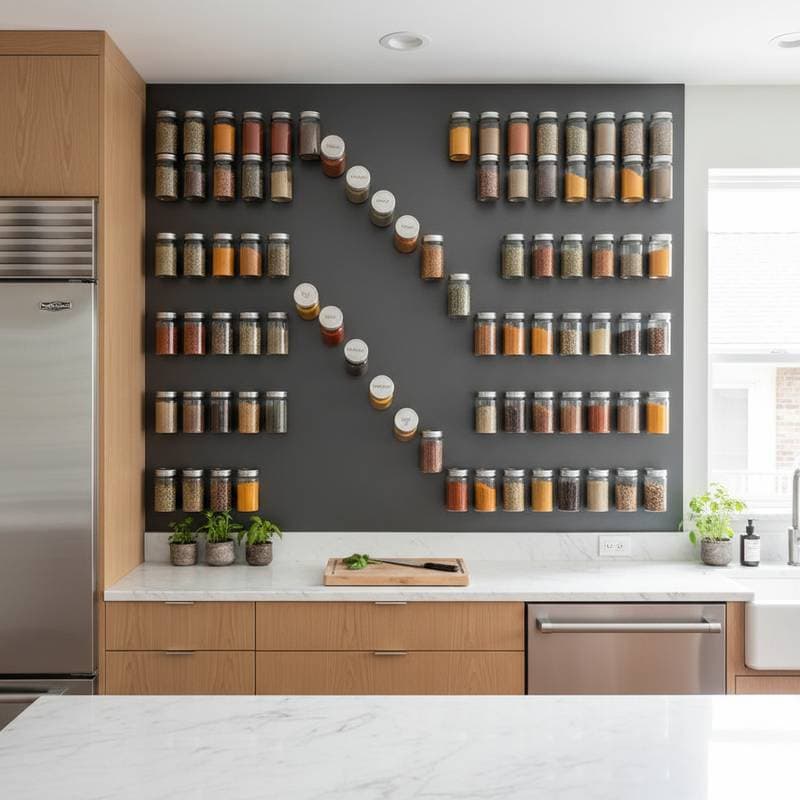
Hidden Compartments: Unlocking Clutter-Free Home Living
Key Points
- Hidden compartments maintain a clean and organized home without introducing visible bulk.
- Numerous projects align with moderate budgets through the use of reclaimed materials or modifications to existing furniture.
- Installations such as wall recesses or stair drawers demand professional assistance to guarantee safety and structural integrity.
- Well-constructed hidden storage enhances long-term property value by integrating practicality with skilled craftsmanship.
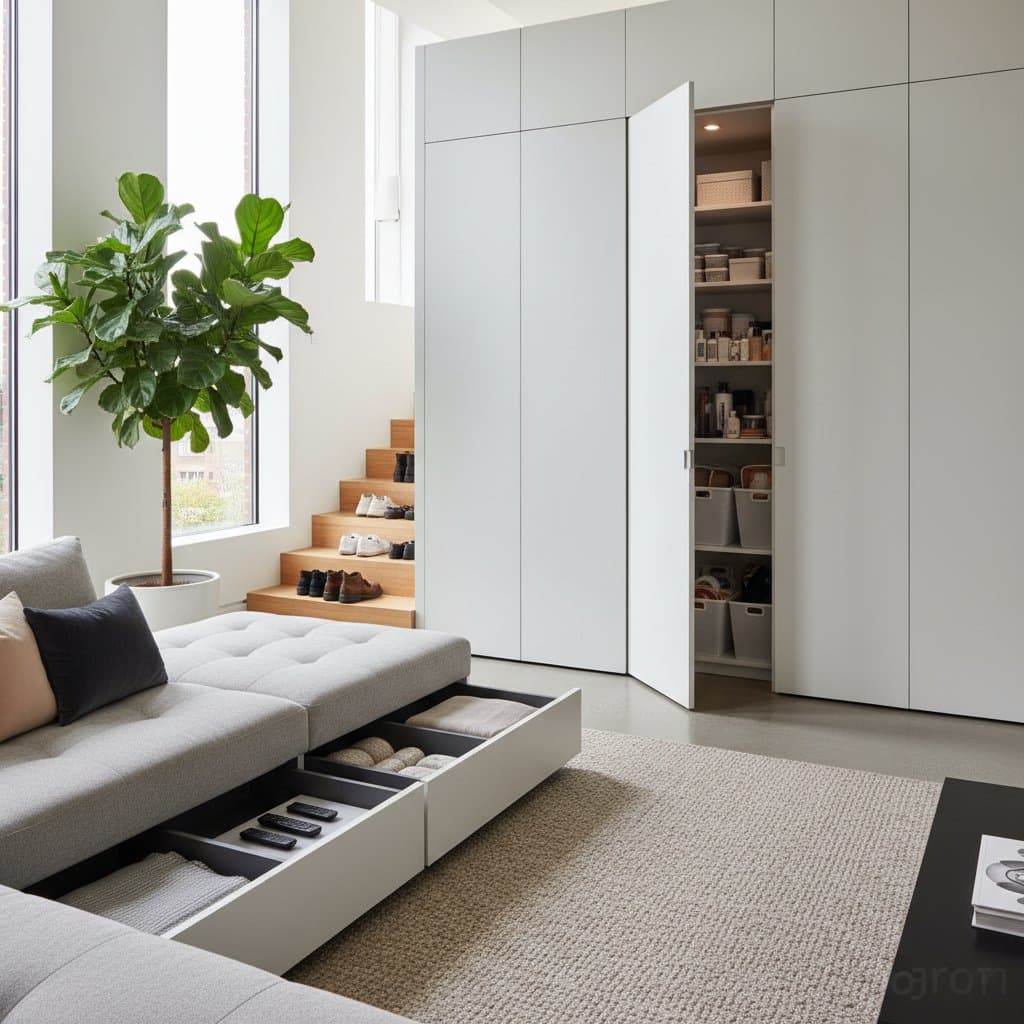
A clutter-free home extends beyond mere neatness; it fosters efficient functionality and intentional design. Hidden compartments enable the storage of items out of sight while ensuring easy access. These solutions suit diverse living spaces, from compact farmhouses and urban apartments to spacious suburban residences, allowing organization to integrate seamlessly rather than impose restrictions.
Project Overview
Working Time: 4 to 12 hours, based on project scale
Total Time: 1 to 3 days, accounting for finishing and drying periods
Skill Level: Beginner to advanced, depending on the specific project
Estimated Cost: $50 to $600, influenced by material selections and project complexity
Hidden compartments vary from basic false-bottom drawers to elaborate built-ins within walls or beneath staircases. Project duration and expenses hinge on objectives and tool availability. Novices benefit from starting with furniture modifications, whereas seasoned woodworkers pursue custom cabinetry or wall integrations.
When to DIY vs Hire a Professional
Hidden storage designs demand precise planning, despite their apparent simplicity. Projects that involve alterations to walls, floors, or stairs necessitate consultation with a professional carpenter or structural engineer. Prioritize safety, particularly near electrical wiring or load-bearing elements.
Individuals with basic skills can manage these tasks independently:
- Constructing a false panel within a cabinet
- Incorporating hidden drawers into existing furniture
- Fabricating lift-top benches or tables
Engage professionals for these applications:
- Creating compartments between wall studs
- Installing drawers in stairs or storage under floors
- Integrating concealed doors into load-bearing walls
Recognizing personal limitations forms a cornerstone of effective craftsmanship. As a guideline, seek expert input for any modification that could impact structural stability.
Materials and Tools
Common Materials:
- Plywood or solid hardwood panels
- Drawer slides and hinges
- Concealed magnetic latches
- Trim or molding pieces
- Finishing options such as stain, paint, and polyurethane
Tools:
- Circular saw or table saw
- Power drill with driver bits
- Chisels and clamps
- Measuring tape and framing square
- Sandpaper or orbital sander
Furniture-based compartments often require only hand tools for completion. Built-in installations benefit from power tools to expedite progress, though meticulous setup remains essential. Measure components twice prior to any cuts, and employ clamps to secure pieces during assembly for accuracy.
Step-by-Step Hidden Compartment Projects
1. The False-Bottom Drawer
This foundational project introduces discreet storage layers without compromising furniture aesthetics.
Steps:
- Remove the drawer from the furniture and empty its contents.
- Measure the interior depth and cut a plywood panel to fit slightly smaller than the drawer base.
- Attach narrow cleats along the drawer's side walls to support the false bottom.
- Position the panel atop the cleats, ensuring clearance for unrestricted drawer operation.
- Incorporate a pull tab or magnetic mechanism for effortless panel removal.
Ideal for safeguarding documents, valuables, or keys, this option maintains a low cost, particularly with repurposed plywood scraps.
2. Hidden Shelf Compartment
A floating shelf transforms into a concealed storage unit through thoughtful construction.
Steps:
- Assemble a hollow box frame to serve as the shelf structure.
- Integrate a hinged front or bottom panel, fastened with a magnetic latch.
- Anchor the shelf to wall studs capable of supporting the intended load.
This design enhances entryways, offices, or bedrooms by concealing electronics, jewelry, or cash reserves behind an unassuming decorative element.
3. Lift-Top Coffee Table
This multifunctional table conceals remotes, magazines, and cords beneath a clean surface, merging form with utility.
Steps:
- Construct a rectangular frame with robust legs and a reinforced base.
- Affix a piano hinge along the tabletop's rear edge.
- Install soft-close gas struts to facilitate controlled lifting and lowering.
- Line the interior compartment with smooth, protective materials.
Intermediate woodworking proficiency proves necessary, yet the resulting convenience justifies the effort. Select durable hinges and hardware for reliable performance.
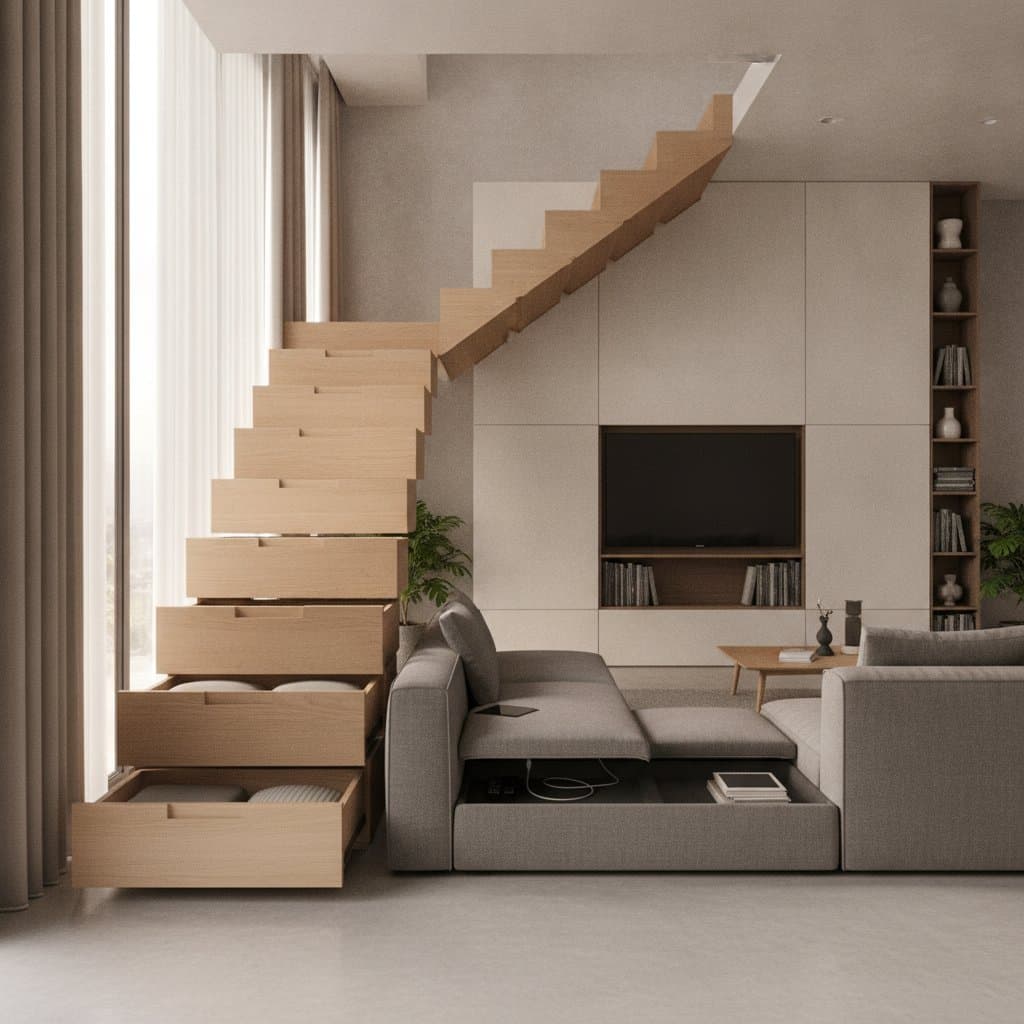
4. Stair Drawer Storage
Enclosed staircases harbor untapped potential beneath each riser; converting these areas into drawers yields enduring organization.
Steps:
- Detach the existing riser panel with care to avoid damaging the structure.
- Fabricate a shallow drawer box equipped with heavy-duty slides.
- Apply a matching riser facade to the drawer front for visual continuity.
- Mount the slides to the stair framing and verify smooth operation.
Advanced expertise is required, and structural familiarity is paramount. Successful execution accommodates shoes, tools, or supplies in a subtle manner.
5. Behind-the-Wall Niche
Wall cavities offer opportunities for streamlined storage of valuables or essentials.
Steps:
- Employ a stud finder to identify framing positions.
- Create an opening between studs, steering clear of utilities.
- Reinforce the aperture with 1x2 or 1x3 lumber.
- Install a fitted shallow box within the recess.
- Secure a hinged picture frame or mirror to mask the entry.
These niches integrate naturally into bedrooms, living rooms, or corridors. Confirm wall contents prior to any incisions.
Quality Control and Craftsmanship Tips
Seamless integration elevates hidden storage from functional to exceptional. Precision surpasses haste in achieving lasting results.
Checkpoints for Quality:
- Verify even alignment of all panels and surfaces.
- Sand edges meticulously to eliminate friction or operational sounds.
- Harmonize finishes with adjacent elements for cohesion.
- Conduct multiple tests of hinges and slides before permanent fixation.
Superior hardware ensures endurance. Inferior components degrade with routine use; opt for mid-range options designed for repeated cycles.
Budget Considerations
Professional-grade hidden storage remains attainable without excessive expenditure. Strategic material and method selections control costs effectively.
Save Money By:
- Repurposing lumber from discarded cabinets or tables.
- Employing paint-grade plywood for concealed sections and reserving solid wood for exposed parts.
- Choosing mechanical latches in lieu of electronic security for fundamental protection.
Spend More On:
- Durable hardware including hinges, slides, and supports.
- Resilient finishes that withstand abrasion and moisture.
- Safety enhancements such as soft-close mechanisms and robust fasteners.
Self-construction redirects savings toward premium materials or complementary improvements, amplifying overall value.
Safety and Practical Warnings
Preserve structural soundness and user safety in all hidden storage endeavors. Refrain from compromising joists, load-bearing studs, or stair stringers. Consult a professional carpenter if uncertainties arise.
Utilities frequently traverse walls and floors; locate them accurately before proceeding. Utilize a stud finder equipped for wire detection, or enlist a licensed electrician for verification.
In furniture projects, stabilize dynamic elements to avert pinching or instability. Incorporate safety stops or soft-close features to mitigate risks.
Maintenance and Longevity
Routine upkeep sustains the performance of hidden compartments, akin to other constructed elements.
Maintenance Tips:
- Lubricate moving parts with furniture wax or dry lubricant quarterly.
- Secure any loosened screws from ongoing usage.
- Monitor for condensation in wall units, particularly in damp environments.
- Renew finishes upon signs of deterioration.
Diligent care extends the lifespan of these features to match the host structure or furniture.
Expanding Hidden Storage Throughout the Home
Mastery of core techniques opens avenues for broader applications.
In the Kitchen:
- Integrate pull-out spice racks behind false panels.
- Conceal appliances within lift-up countertop sections.
In the Bedroom:
- Develop under-bed drawers that align with the frame.
- Install wall shelves masked by sliding mirrors.
In the Office:
- Hide charging ports inside desk compartments.
- Secure documents behind false cabinet panels.
In the Living Room:
- Utilize spaces behind crown molding for slim shelves.
- Design media units with integrated cable concealment.
Such expansions enhance utility while upholding visual order. Hidden storage integrates effortlessly, promoting intuitive organization.
Pro Tips for Success
- Initiate with modest projects to cultivate proficiency.
- Prototype with cardboard to validate dimensions and fit.
- Prioritize accessibility; impractical designs invite neglect.
- Align finishes precisely to evade detection.
- Record compartment locations subtly for future reference.
Refining Home Efficiency Through Hidden Storage
Hidden storage initiatives sharpen precision, design acumen, and spatial awareness. They reveal opportunities in overlooked areas, fostering resourceful living.
Each endeavor elevates woodworking expertise and instills confidence in diverse constructions. Beyond concealment, these projects cultivate purposeful spaces that endure.
Approach every build with deliberate care; the outcomes reflect thoughtful execution and practical ingenuity. Your residence gains clarity, skills advance, and daily life attains greater harmony.