Understanding Clutter and Cognitive Load
Clutter in the home extends beyond physical mess; it imposes a subtle yet significant burden on mental resources. Cognitive load refers to the effort required to process information and make decisions. When surrounded by excess items, the brain constantly filters distractions, leading to increased stress, reduced focus, and decision fatigue. This article explores the anti-stuff trend, a movement that promotes intentional living to alleviate these effects and foster clarity.
The anti-stuff philosophy encourages homeowners to evaluate possessions through a lens of necessity and purpose. By systematically reducing items, individuals create environments that support mental well-being. Research in environmental psychology links organized spaces to lower cortisol levels and enhanced productivity. Embracing this approach transforms homes into sanctuaries of calm and efficiency.
Step-by-Step Decluttering Process
Step 1: Assess and Sort Possessions
Start by emptying each zone completely onto a surface. Handle each item individually and ask targeted questions: Does this serve a current purpose? Have I used it in the past year? Does it bring joy or utility? Place items into appropriate boxes based on responses. This initial sort reveals the volume of unused possessions and sets the foundation for simplification.
Step 2: Establish Storage Systems
After sorting, reorganize keepers into efficient systems. Group similar items together, such as utensils in the kitchen or clothing by season in the closet. Use clear bins or dividers to maintain separation. These systems minimize search time and reduce daily cognitive demands.
Step 3: Optimize Vertical and Hidden Spaces
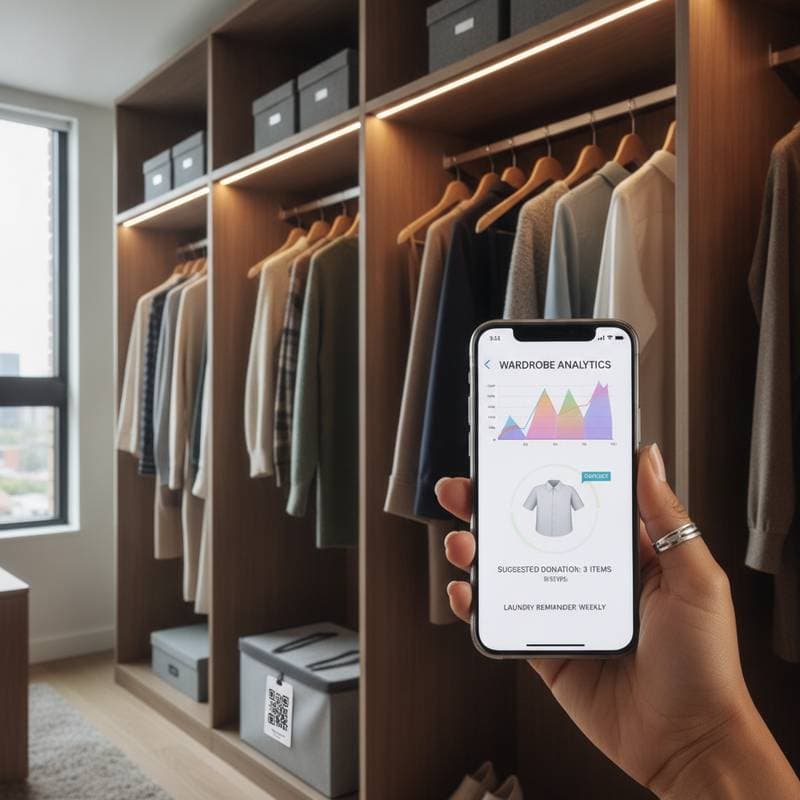
Maximize space efficiency with vertical storage solutions. Install adjustable shelving units, modular drawer systems, or hanging organizers in closets and cabinets. Clearly label each storage zone to facilitate quick access. Such organization reduces future decision fatigue and eases long-term maintenance efforts.
Step 4: Simplify Decor and Furniture
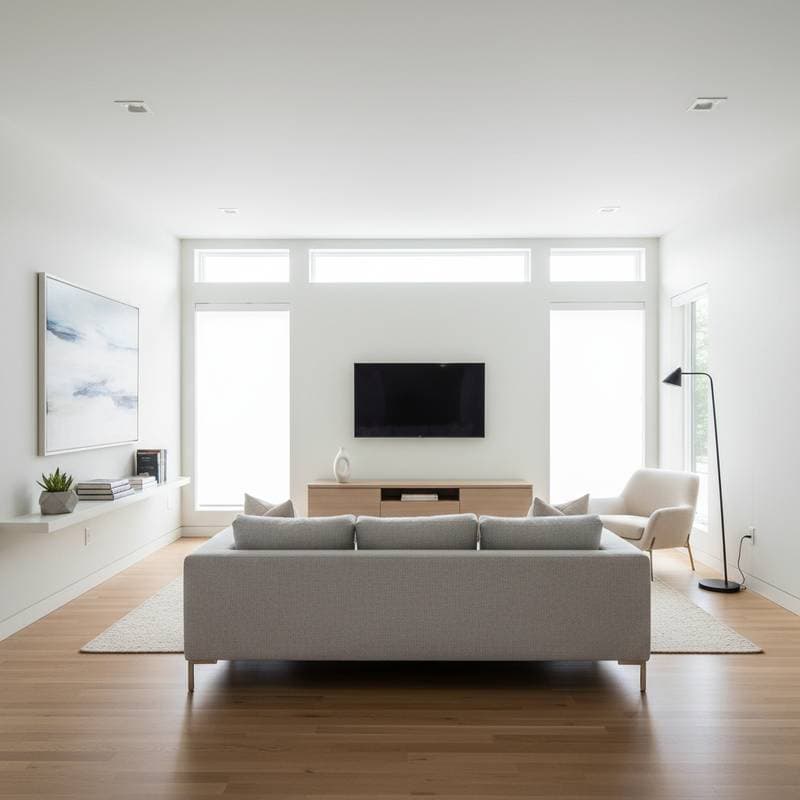
Visual clutter affects mental clarity as profoundly as physical accumulation. Evaluate decorative elements based on their role in enhancing the room's atmosphere. Select a limited color palette and uniform textures to promote harmony. Eliminate redundant furniture that obstructs pathways or impedes natural light flow.
For uncertain pieces, designate a temporary holding zone in an unused area. Store questionable items there for two to four weeks. If they go unnoticed or unneeded during this period, donate or discard them permanently. This pause allows objective reassessment without rushed choices.
Step 5: Digitize Physical Media
Paper accumulation often lurks in offices, kitchens, or entryways. Scan essential documents with a flatbed or portable scanner, then upload files to secure cloud storage. Maintain backups on an external hard drive for redundancy. Shred unnecessary papers immediately to safeguard personal information.
Extend digitization to media like music collections, DVDs, and photo albums. Convert these to digital formats using appropriate software or services. This process shrinks physical footprint while retaining access to cherished content. Resulting space savings contribute to a lighter, less taxing environment.
Step 6: Address Sentimental Attachments
Items linked to memories demand thoughtful handling to manage emotions. Before parting with them, capture photographs or digital scans to preserve the sentiment. Designate a compact memory box for truly irreplaceable objects, enforcing a size limit to guide selections.
If resistance arises, set these items aside until functional zones are complete. Completing easier areas first builds momentum and confidence. This phased approach ensures emotional decisions align with overall simplification goals.
Verifying Decluttering Success
Treat decluttering like a project with built-in quality checks. Inspect each completed zone against specific benchmarks to confirm effectiveness.
- Accessibility: Reach daily essentials without shifting other objects.
- Safety: Ensure clear walkways and secure storage fixtures.
- Cleanliness: Note reduced dust buildup from fewer surfaces.
- Functionality: Confirm the space fulfills its intended role without hindrance.
Capture before-and-after photographs of each area. These images document achievements and serve as guides for ongoing upkeep. A well-decluttered home feels expansive, secure, and straightforward to navigate.
Sustaining a Clutter-Free Home
Preservation demands consistent habits to counteract natural accumulation. Implement routines that integrate seamlessly into daily life.
Conduct Periodic Reviews
Plan quarterly evaluations of active spaces like kitchens or living rooms. Employ a rapid decision framework during reviews: retain, relocate, or remove. This practice halts incremental buildup and keeps spaces manageable.
Apply the One-In, One-Out Principle
Balance acquisitions by removing an equivalent item for every addition. This discipline upholds inventory levels and cultivates deliberate purchasing patterns. Over time, it reinforces a mindset of value over volume.
Enforce Storage Standards
Eliminate concealed clutter in areas like junk drawers or attic corners. Label all containers and position them for easy retrieval. If a sealed box sits untouched for several months, review and likely discard its contents. Transparent systems promote accountability and prevent hidden chaos.
Cultivate Mindful Consumption
The anti-stuff ethos extends to shopping habits. Prior to any purchase, assess necessity, durability, and upkeep requirements. Determine if the item aligns with core values and routine needs. This evaluation curbs impulse buys and sustains financial and spatial equilibrium.
Environmental and Financial Advantages
Simplification supports ecological goals by minimizing waste. Opt for donation or recycling to divert items from landfills. Fewer belongings translate to reduced consumption of cleaning supplies, energy, and resources.
Explore secondhand options for furniture and decor to extend item lifespans. Refinishing existing pieces adds uniqueness at lower cost than new purchases. Incorporate energy-saving lights, space-efficient storage, and eco-friendly materials to amplify sustainability.
Economically, streamlined homes lower expenses through decreased storage needs and simpler maintenance. Accessible surfaces simplify cleaning and repairs, cutting time and labor. These efficiencies yield tangible savings and elevate everyday living standards.
Mental and Relational Gains
Beyond aesthetics, decluttering enhances cognitive function and emotional health. Studies in environmental psychology associate tidy surroundings with diminished stress hormones and sharper focus. Organized environments streamline thought processes and boost overall mood.
The practice hones decision-making skills applicable to finances and scheduling. Each choice to retain or release an item bolsters self-discipline and restraint. These benefits ripple into professional and personal spheres.
In family settings, shared simplified spaces foster harmony. Defined organization minimizes disputes over lost items or chores. Children absorb lessons in responsibility from observable order, while adults enjoy less friction from disarray.
Blending Minimalism into Design
Minimalism emphasizes purpose over sparsity, integrating function with aesthetic appeal. Apply these principles to layout and selections for enduring impact.
- Color Choices: Employ neutral bases for cohesion, accented by one or two complementary hues.
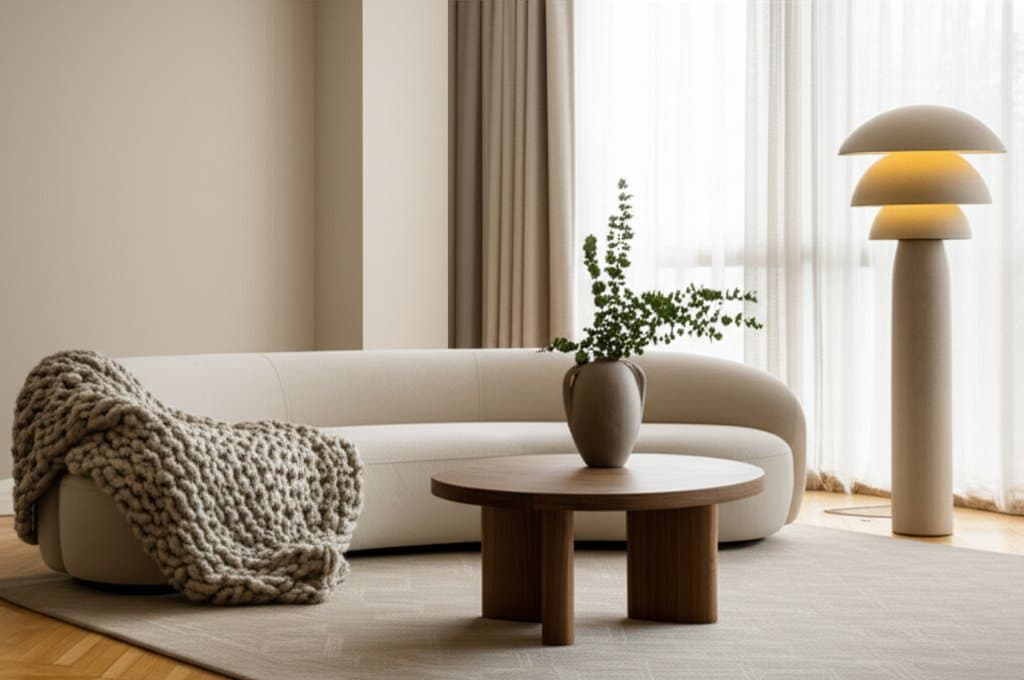
- Lighting Strategies: Preserve natural illumination via clear window treatments; opt for sheer fabrics over heavy drapes.
- Furniture Picks: Select versatile options like ottomans with storage or collapsible tables, favoring sleek, robust builds.
- Material Focus: Prioritize enduring, high-quality pieces that require minimal replacement.
Such integrations elevate minimalism to a foundational design ethic, creating homes that nurture well-being.
Practical Strategies for Lasting Change
Initiate with modest targets, such as a single drawer, to build early wins. Set defined timelines per zone to sustain drive. Document donations for tax benefits and progress tracking. Adapt as life evolves, reassessing periodically. Acknowledge completions to fuel continued effort.
Embracing Intentional Living
The anti-stuff movement signals a broader shift toward purposeful existence. Structured decluttering, paired with mindful habits, converts chaotic homes into balanced retreats. Homeowners gain not just space, but deeper control, gratitude, and fulfillment in daily routines.