AI Apps Simplify Decluttering for Busy Lives
Many people experience clutter that accumulates rapidly. School projects, laundry piles, and daily mail contribute to homes that feel chaotic. After relocating from a Manhattan apartment to a Cotswolds farmhouse, the realization emerges that clutter stems from habits and systems rather than space size. Digital assistance now provides effective support. Artificial intelligence reshapes space organization, with innovative apps that accelerate tidying, simplify the process, and add enjoyment.
Key Takeaways
- AI apps examine spaces and propose customized organization strategies.
- Intelligent features monitor possessions, usage frequency, and items suitable for release.
- Voice commands and image analysis expedite decluttering and reduce stress.
- These solutions suit busy households, compact residences, or individuals pursuing rapid organization improvements.
Integrating technology with daily routines yields enduring outcomes.
Understanding Contemporary Clutter Challenges
In New York, space constraints demanded precision. Even with expanded room in the countryside, clutter infiltrates without deliberate effort. Spouses' documents, children's art materials, and personal travel keepsakes demand ongoing management. Numerous individuals balance domestic, professional, and familial responsibilities with scarce free time. AI intervenes effectively here. These applications extend beyond reminders; they adapt to user behaviors to foster sustained order.
Professional organizer Carly Price identifies decision fatigue as the primary obstacle for active households. "People do not necessarily lack motivation; they just become overwhelmed by the array of choices," she states. AI alleviates this by classifying items, grouping them, and recommending retention or donation based on utilization rates.
Mechanisms of AI Decluttering Applications
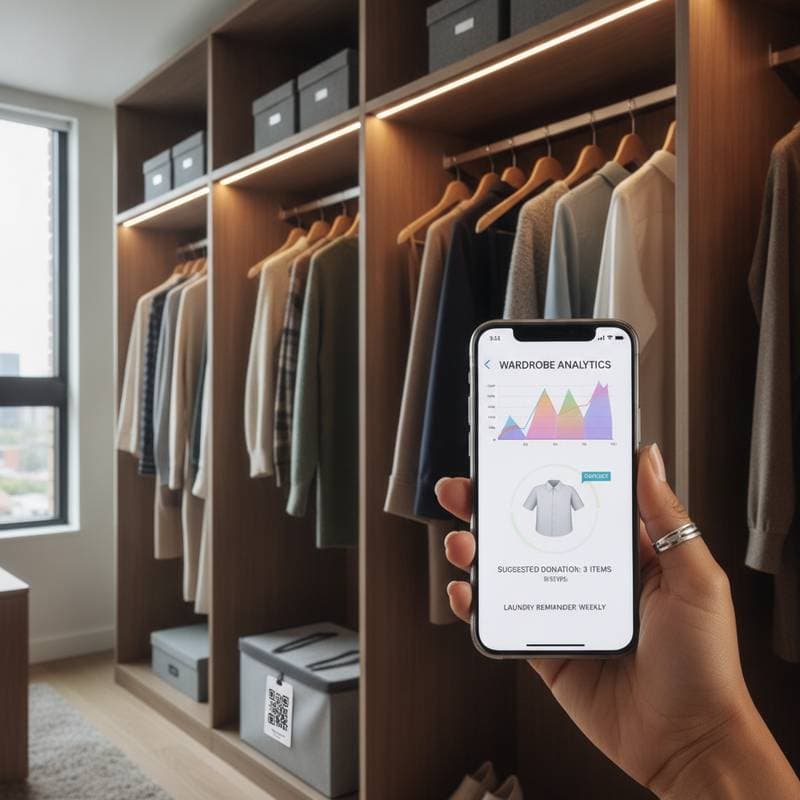
AI decluttering solutions learn preferences via photographs, activity logs, and user inputs. Users capture images of closets, pantries, or offices; the app detects objects, sorts them, and advises on classifications. Certain apps link to donation outlets or resale sites to facilitate item disposal.
A widely used app employs image recognition to spot duplicates, such as similar sweaters or redundant pantry staples. Others record frequent wear or usage, revealing possessions that enhance daily life. This functions like a diligent assistant that recalls storage contents accurately.
Interior designer Lila Moreno, specializing in compact London residences, advises combining visual AI with established methods. "Seeing possessions displayed digitally eases emotional attachment," she notes. "It provides a visual refresh prior to physical adjustments."
Family-Oriented Digital Organization
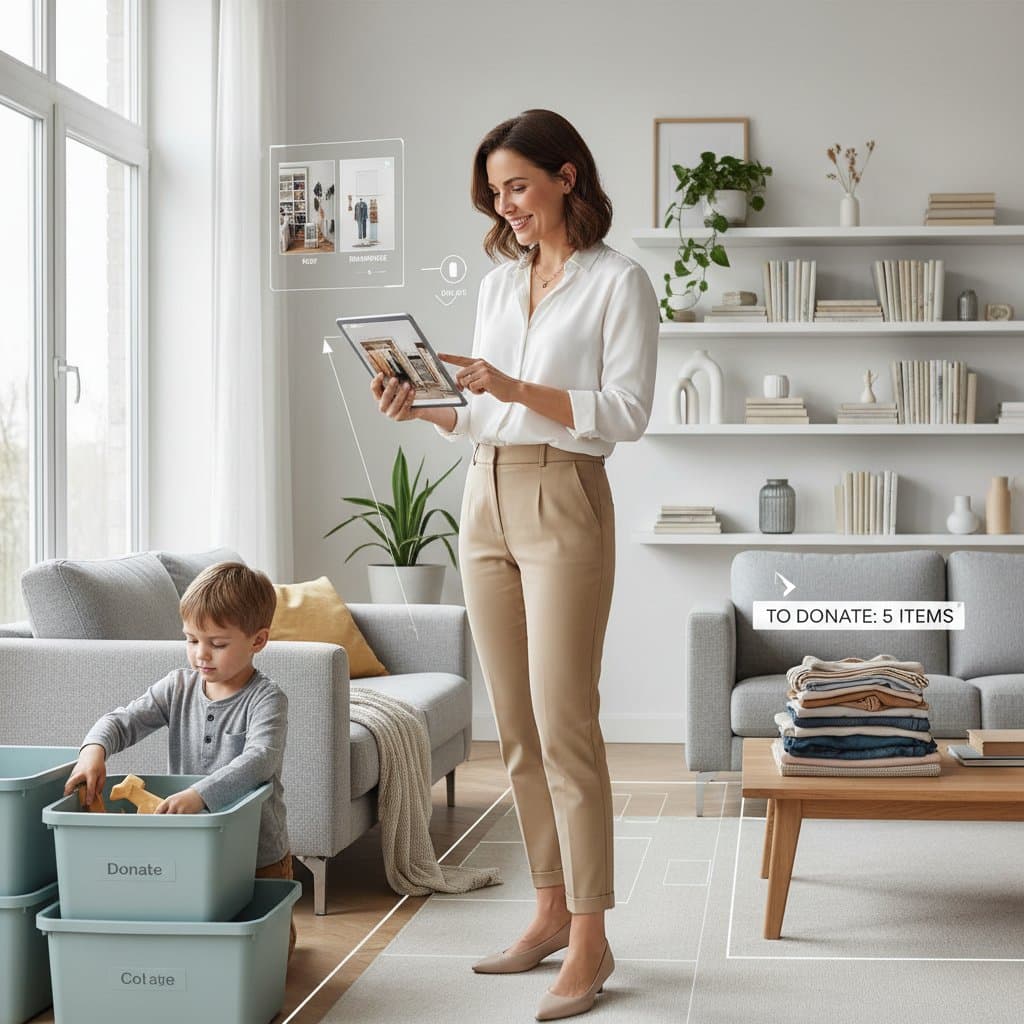
A notable advantage involves engaging children through AI apps. Scanning toys reveals play frequency, with visualizations distinguishing active items from neglected ones. Gamifying the task maintains interest and instills accountability.
Households gain from collaborative inventories. Photographing school essentials or athletic equipment generates accessible digital catalogs. This prevents redundant purchases and storage oversights. For mobile families, device synchronization ensures collective responsibility.
Integrating Technology with Practical Habits
Applications cannot autonomously organize spaces. True effectiveness arises from pairing digital guidance with regular, modest efforts. Allocating ten minutes daily, guided by the app, produces evident progress within a week.
AI assists in selecting starting points, often the most daunting step. Some apps prioritize zones according to stress indicators. Frequent searches for keys or footwear may flag the entryway for attention. This behavioral strategy conserves time and effort.
Professional organizer and digital consultant Aaron Kim observes, "AI does not supplant strong habits. It merely eliminates barriers to initiation." He suggests aligning AI data with tangible storage options, such as labeled containers or adjustable shelving, for longevity.
Cultural Perspectives on Organization
Residing in urban apartments and rural properties highlights cultural impacts on clutter. French lifestyles emphasize minimalism via selective acquisitions. Londoners master efficiency in confined areas, optimizing every storage nook. Cotswolds homes risk disorder when antique furnishings overflow with unused items.
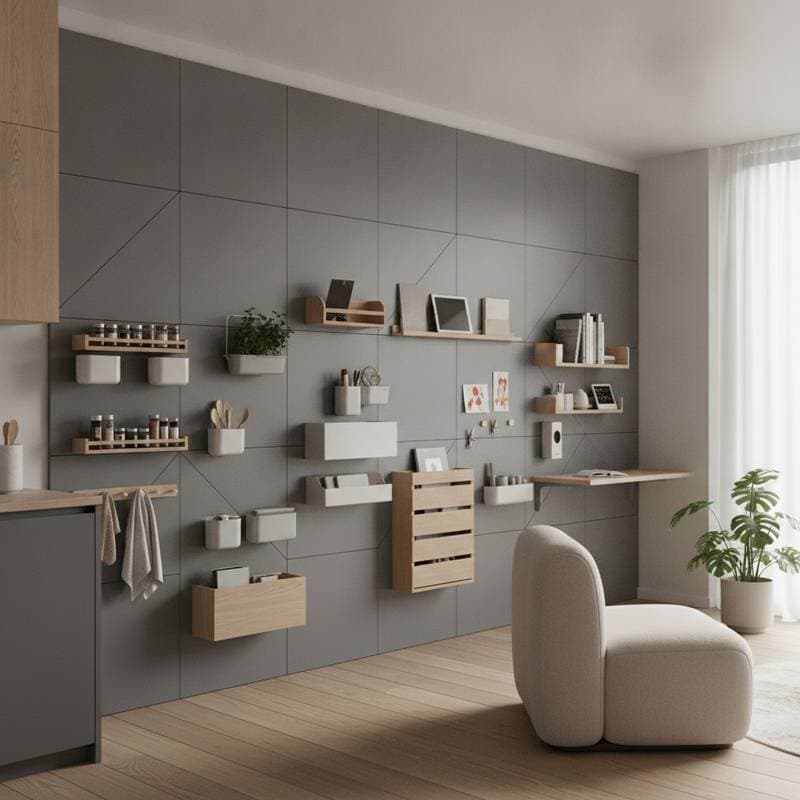
AI applications accommodate diverse contexts seamlessly. They customize advice for Parisian apartments or American farmhouses alike. Users adjust suggestions to match preferences, from rustic containers to minimalist designs. The key lies in systems that align with actual routines, not idealized visions.
Selecting an Appropriate AI Decluttering App
Consider primary pain points when choosing an app.
For busy parents: Prioritize options with voice activation and multi-user access to encourage participation.
For limited spaces: Select apps featuring image analysis for layout optimization suggestions.
For virtual disarray: Explore extensions to digital files, emails, and photos applying similar logic.
For cherished possessions: Choose tools that enable photographing and archiving mementos prior to disposal.
Free tiers with premium enhancements allow experimentation. Consistency determines the optimal choice.
Implementing AI for Effective Decluttering
Begin modestly with one category, such as kitchen utensils or footwear. Allow the app to direct categorization, retention decisions, and disposal arrangements. As usage continues, AI refines to user patterns, streamlining subsequent efforts.
Incorporate apps into daily practices for best results. Photograph acquisitions promptly to maintain accuracy. Conduct weekly five-minute audits to monitor accumulations. This cadence prevents resurgence.
Maintaining Organized Spaces Long-Term
With a lighter home, upkeep simplifies. AI monitors trends and alerts to emerging clutter. The approach adapts to evolving circumstances.
Beyond tidiness, the benefit includes tranquility from purposeful placement. Technology renders this serenity accessible amid demanding schedules. AI serves as a subtle ally, rendering decluttering achievable.