Key Points
- Grandmillennial gardens fuse nostalgic elements with contemporary precision, yielding lush, multifaceted landscapes that convey warmth, individuality, and permanence.
- This approach revitalizes classic cottage garden traditions through organized frameworks, muted color schemes, and deliberate plant choices.
- Effective front-yard makeovers depend on purposeful arrangements, unified plant clusters, and proactive upkeep schedules.
- The allure of this style emerges from its equilibrium between exuberant romance and disciplined form, providing visual appeal and real-world utility.
Technical Background
Grandmillennial style merges the affectionate intricacies of heritage furnishings with today's measured elegance. In landscaping, it integrates legacy plant species, period-appropriate ornaments, and an aura of household serenity extended outdoors. The result mirrors the informal bounty of heritage cottage gardens, enhanced by current notions of balance and definition.
Assessment Phase
Prior to designing a grandmillennial front yard, scrutinize the current site. Observe light exposure throughout the day, water runoff patterns, and permanent features like sidewalks, verandas, or barriers. Pinpoint vantage points from interior views or roadside perspectives, as these will shape the overall arrangement.
Quantify the space and segment it into purposeful areas. Heritage cottage designs frequently employ tiered borders that border routes or temper rigid features. Sketching these divisions on graph paper helps envision the interplay of order and natural expansion.
Examine soil texture and vitality. Classic cottage plots flourish in fertile, permeable earth. Perform a simple soil analysis to gauge acidity and nutrient content, then schedule enhancements like aged compost or natural additives. Such preparation averts challenges with vitality or flowering later on.
Planning Phase
Tools and Materials
- Measuring tape paired with a scaled site diagram
- Garden fork, cultivator, secateurs, and hand trowels
- Organic compost, bark mulch, and soil enrichers
- Temporary pots or trays for provisional plant positioning
- Flexible hose equipped with a varied spray head
- Ornamental items including antique vessels, metal borders, or lattice supports
Design Considerations
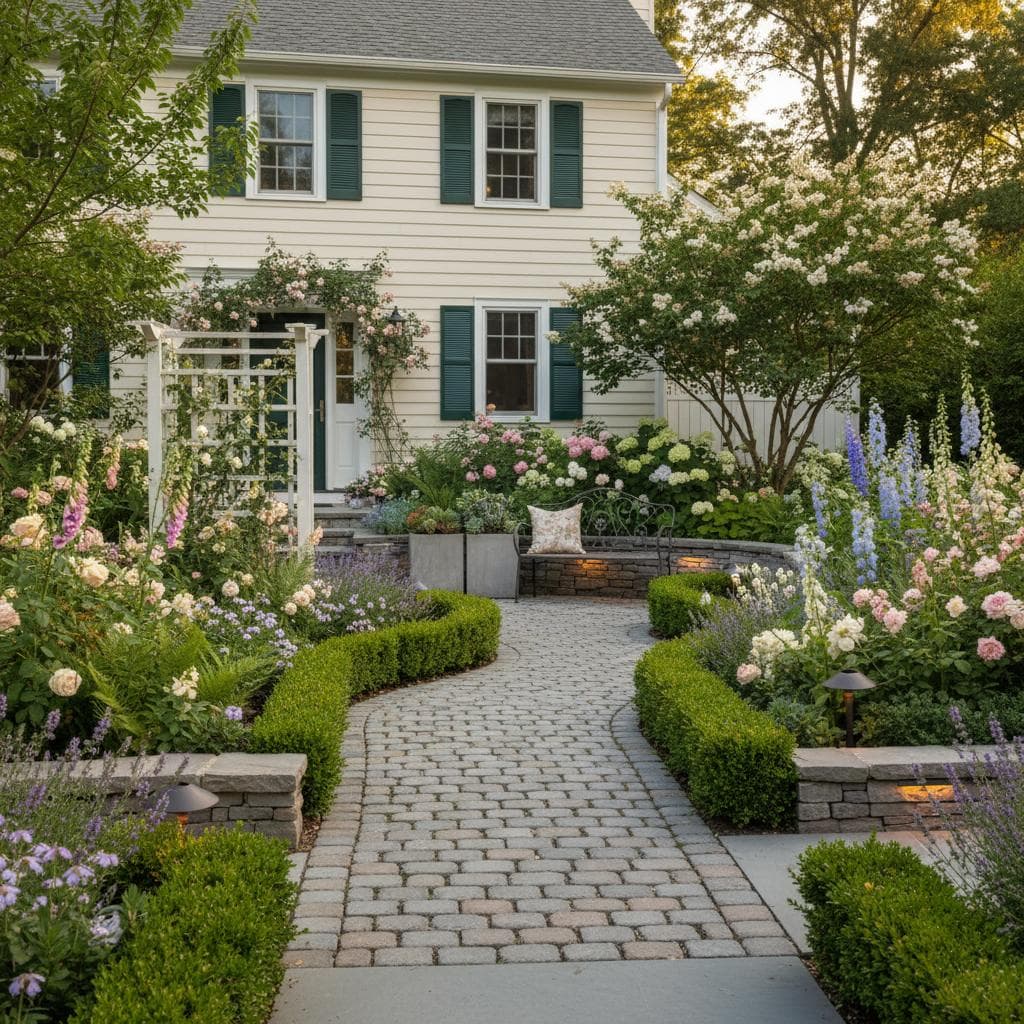
Grandmillennial aesthetics emphasize ordered sentimentality. Start with a subdued spectrum centered on ivories, pale pinks, and faded indigos. Introduce bolder shades judiciously to preserve unity. Select flora that delivers ongoing displays or noteworthy leaves across seasons.
Suggested groupings encompass:
- Base-level shrubs: Varieties like mophead hydrangeas, compact boxwoods, or petite hollies establish framework.
- Lasting bloomers: Tall delphiniums, lush peonies, and spired foxgloves impart rhythmic height.
- Low-lying spreads: Woolly lamb's ear, wild thyme, or clustered sweet alyssum occupy interstices.
- Ascending trailers: Fragrant clematis or rambling roses enhance railings or frameworks.
- Seasonal accents: Violas or calibrachoa provide flexible vibrancy during shifts.
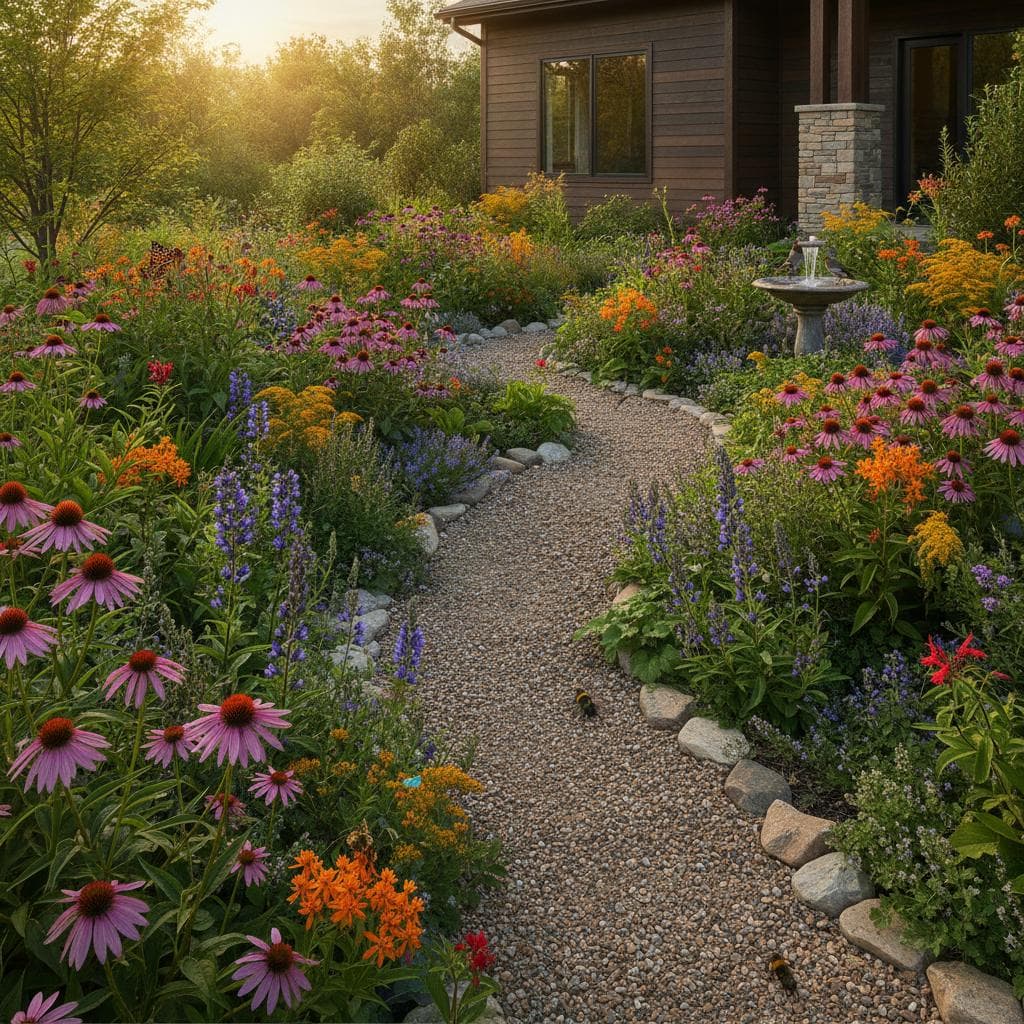
Design routes that invite meandering over straight progression. Winding pebble or flagstone trails summon heritage allure while directing movement. Account for escalating stature from foreground dwarfs to background towers, promoting depth and optimal light access.
Implementation Process
Step 1: Site Preparation
Clear unwanted vegetation, litter, and hardened ground. Loosen the bed to twelve inches deep. Blend in compost to boost percolation and nourishment. Set borders to outline zones and block turf encroachment.
Step 2: Layout and Test Placement
Arrange specimens in pots per the blueprint without committing to soil. Pause often to evaluate scale and intervals. Refine clusters for diversity minus congestion. This trial run avoids overcrowding and promotes robust development.
Step 3: Installation and Watering
Set substantial bushes initially, then mid-sized perennials and base layers. Position roots flush with the terrain. Soak deeply post each phase to compact earth and eliminate voids. Layer two inches of organic cover to retain hydration and curb intruders.
Step 4: Decorative Integration
Weave in era-evoking touches like stone fountains, forged seating, or earthen pots. Place them adjacent to entrances or highlights to amplify heritage vibes. Limit additions to essentials; select placements foster refinement over abundance.
Step 5: Lighting and Path Definition
Install subtle pathway illuminators or self-charging globes to accent evening allure and ensure secure passage. Gentle glows along edges spotlight contours and guide attention to structural nuances.
Quality Assurance
Post-setup, appraise the garden via these benchmarks:
- Equilibrium: Review interactions of stature, tone, and fullness. Correct disparities by shifting minor elements or inserting seasonal bloomers.
- Vitality: Scan foliage biweekly for fading or infestations. Prompt intervention halts escalation.
- Utility: Traverse routes to verify navigability and ease. Confirm water delivery covers every segment uniformly.
Should inconsistencies arise, probe earth quality or light conditions before arbitrary swaps. Systematic fixes uphold the unified essence.
Maintenance Strategies
Grandmillennial gardens require regular attention to sustain vibrancy. Allocate weekly intervals for core routines.
- Irrigation: Sustain even dampness sans waterlogging. Infrequent deep soaks build resilient roots.
- Trimming: Deadhead faded flowers to spur renewal. Lightly sculpt bushes post-bloom for shape retention.
- Nourishment: Distribute even fertilizer per growth cycle, tailored to observed vigor.
- Covering: Renew mulch yearly for barrier and hydration benefits.
- Clearing: Pull emerging weeds swiftly to limit propagation.
Log duties in a cyclical calendar to blend aesthetics with practicality.
Pro Tips for Success
- Combine heritage and fresh components. Match salvaged stone borders with sleek containers for nuanced reminiscence.
- Employ recurring motifs. Replicate a single bloom type across zones for cohesion over disorder.
- Design for perpetual interest. Incorporate persistent greens and off-season standouts like lenten roses or feathered grasses.
- Honor scale. Position lofty types away from passages to prevent dominance.
- Foresee expansion. Space adequately for full maturity, ensuring circulation and health.
Sustaining Lasting Appeal
A grandmillennial garden develops with poise. As perennials broaden, bushes root deeply, and the composition accrues depth and character. Review annually to safeguard original harmony. Substitute faltering choices with equivalents to preserve flow.
View the front yard as an extension of residential identity. A tended grandmillennial garden signals attentiveness, ingenuity, and ties to legacy. Its reminiscent grace welcomes guests and grants owners routine tranquility. Through organized foresight, diligent tending, and considered composition, this approach elevates a standard plot into a vibrant testament to heritage and perpetual allure.