AI Mowers Reshape Backyard Design Trends in 2026
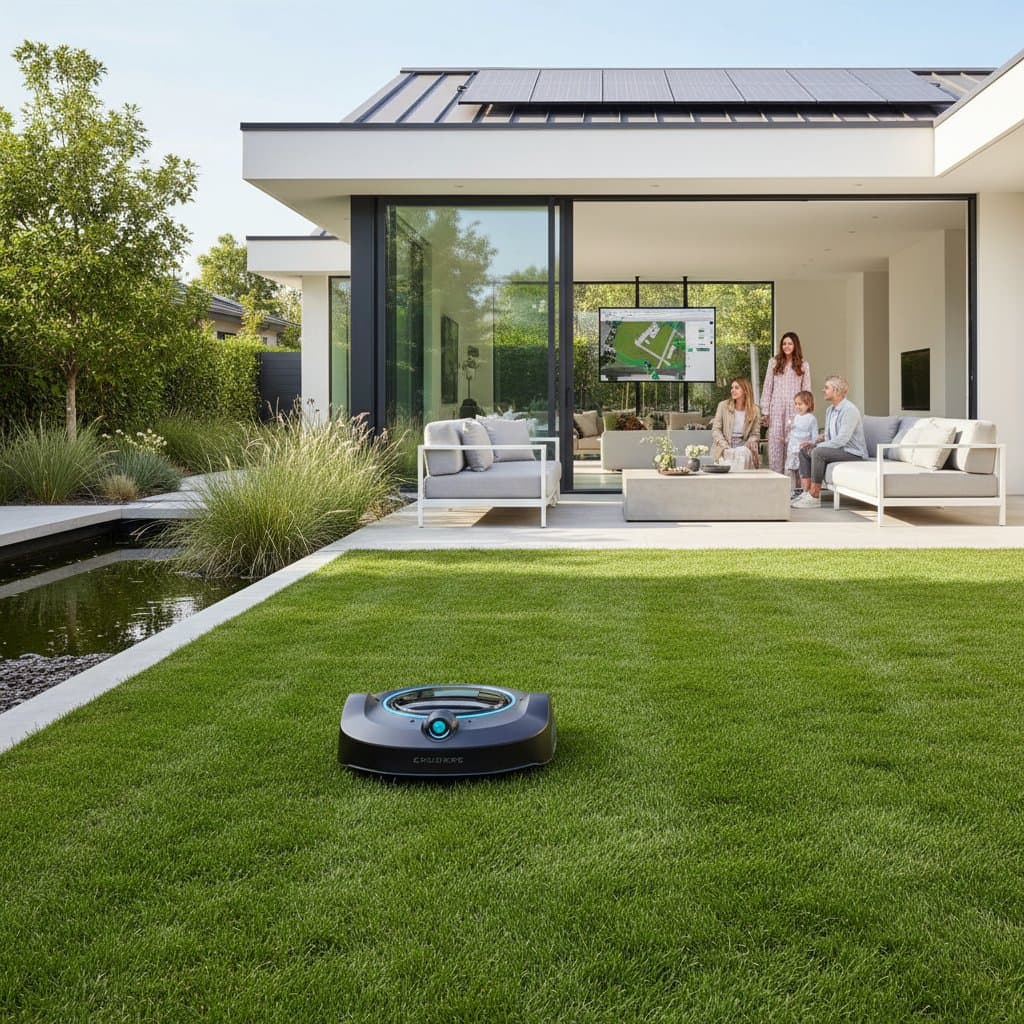
Imagine starting your day to a perfectly manicured lawn, fresh with the aroma of dew-kissed grass, all without lifting a finger. A compact robotic mower glides across the terrain, trimming with exact precision like a skilled artisan. This vision signals a shift in outdoor living, where artificial intelligence empowers homeowners to craft yards that balance beauty, function, and ease.
Integrating Robotic Mowers into Daily Yard Care
Robotic mowers have evolved from experimental gadgets to essential yard companions. These units create detailed maps of properties, adjust to uneven ground, and deliver cuts as even as those from professional landscapers. They navigate inclines up to 35 degrees, steer clear of garden borders, and maintain consistent grass lengths while dodging items like garden hoses or patio furniture.
Crafting Organic Layouts for Modern Yards
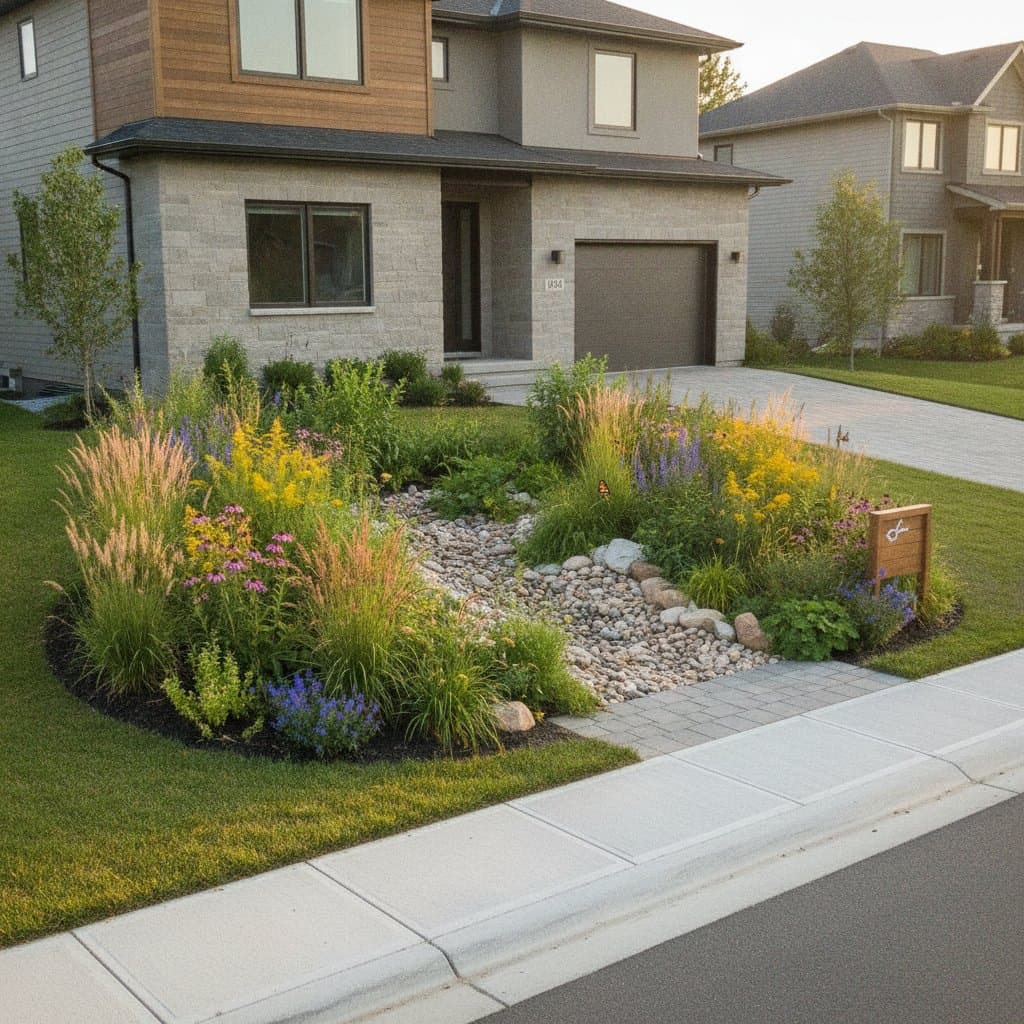
AI mowers inspire full-scale yard overhauls that move away from boxy grass plots. Instead, designs feature flowing patterns that match the mower's navigation style, such as oval seating areas ringed by subtle grass slopes or small turf sections next to pollinator-friendly flower beds.
Landscape experts call this the smart-lawn approach, which prioritizes eco-conscious choices, streamlined features, and built-in tech. Property owners often shrink turf coverage in favor of drought-resistant natives like buffalo grass or clover, easing robotic operation while boosting local wildlife.
Achieving Sustainable Cuts with Minimal Impact
Traditional gas-powered mowers produce exhaust fumes and disruptive noise levels exceeding 90 decibels. In contrast, AI models run on lithium-ion batteries with low-energy navigation, operating below 60 decibels. They deliver short, frequent cuts every other day, which encourage robust grass growth and eliminate the need for raking clippings.
The resulting fine mulch breaks down into soil nutrients within days, strengthening roots to depths of six inches or more. This technique reduces water use by up to 30 percent and limits weed growth, cutting back on chemical treatments. Those committed to green practices value this quiet, emission-free method for its long-term yard health.
Planning Landscapes Optimized for AI Navigation
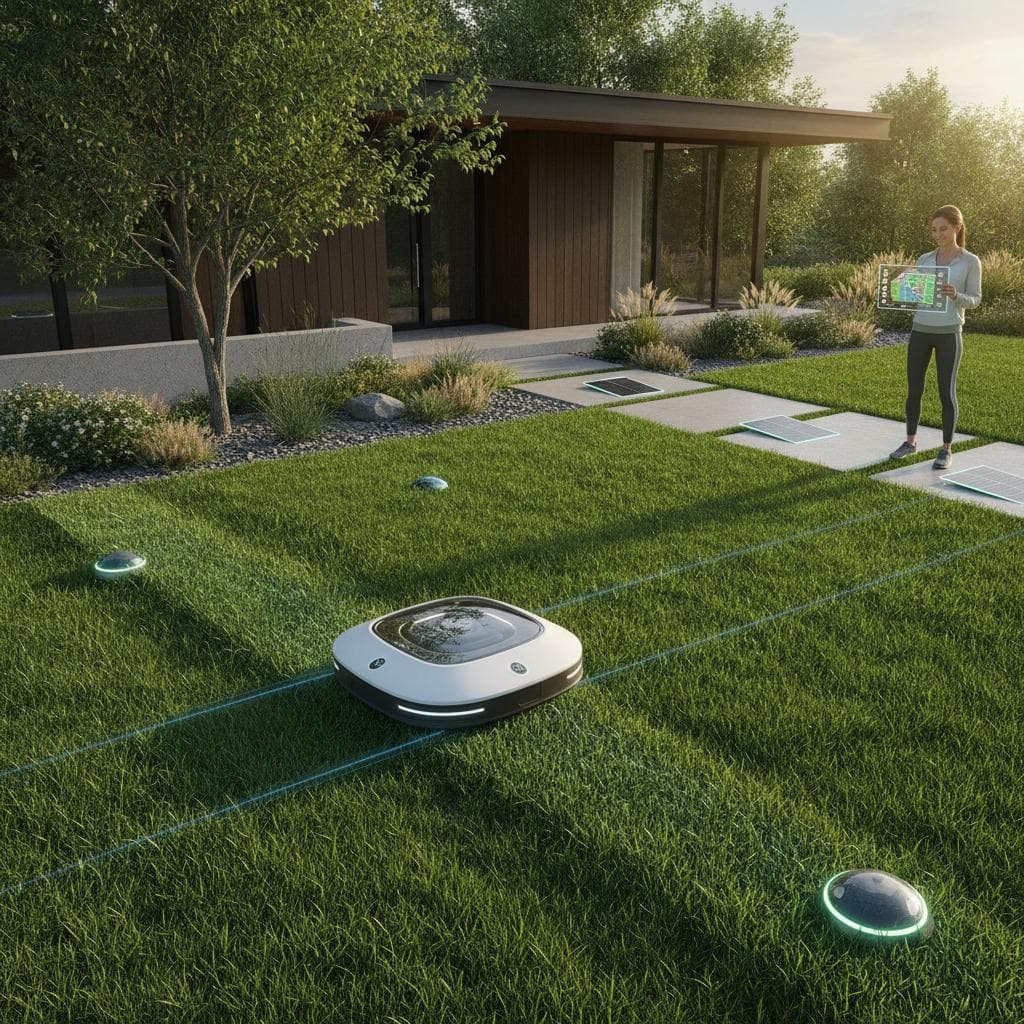
Successful integration starts with understanding how these mowers function through LiDAR sensors and boundary wire systems that adapt to seasonal shifts like new plant growth. Designers use this data to build yards that support optimal routes and avoid downtime.
Consider these practical tactics:
- Flowing Boundaries: Opt for rounded edges on lawns to reduce snags and create a more organic look.
- Zoned Areas: Use subtle dividers such as gravel lines or low shrubs to separate play zones, vegetable patches, and lounging spots, guiding the mower efficiently.
- Even Terrain: Incorporate gentle slopes no steeper than 20 degrees to prevent wheel slippage.
- Strategic Docking: Place charging bases in visually appealing spots, like shaded corners framed by vines or integrated into deck undersides.
These adjustments yield practical yards that highlight technology's role in natural settings.
Leveraging App-Based Insights for Smarter Care
Today's AI mowers connect through dedicated smartphone apps, allowing real-time adjustments to blade settings from 0.8 to 2.4 inches or scheduling cuts around family events. Higher-end models analyze factors like humidity levels, chlorophyll content in grass, and upcoming rain forecasts to suggest precise watering schedules or fertilizer spots.
This data-driven system supports preventive care. Users receive alerts for issues such as nutrient deficiencies in shaded areas, complete with step-by-step fixes like targeted compost application. The setup acts as a virtual consultant, keeping yards in top condition year-round.
Shifting Focus from Tasks to Enjoyment
With mowing handled automatically, homeowners reclaim hours once lost to manual labor, turning yards into hubs for family barbecues, quiet reading, or wildlife observation.
Picture settling into an Adirondack chair while the mower hums softly in the background, blending with the rustle of leaves from nearby oaks. Such harmony captures the essence of updated yard philosophies that emphasize presence over upkeep.
Embracing Reduced Turf for Diverse Spaces
Automation prompts a reevaluation of grass's role in yard design. Many opt to limit turf to 40 percent of the space, replacing the rest with permeable pavers, rain gardens, or herb borders.
Compact grass zones require fewer resources, from 20 percent less irrigation to reduced fertilizer needs, while inviting birds and butterflies. The mower focuses on precision work, such as edging around perennials, to maintain a polished appearance with little oversight.
Professionals describe this as intentional greening, where every turf patch serves a clear role, like a soft play surface for children or a visual backdrop for outdoor dining. Paired with robotics, these designs remain vibrant through minimal human input.
Blending Tech Seamlessly into Yard Aesthetics
These mowers add a refined touch that combines modern efficiency with stewardship. Their near-silent paths create a rhythmic flow that enhances the yard's tranquility.
Architects treat the devices as design assets, choosing sleek black models to echo minimalist furniture or white units that complement stone accents. Forward-looking yards might include networked elements like motion-activated lights and drip irrigation, with the mower tying the system together for cohesive care.
Addressing Common Concerns with Proven Solutions
Prospective users often worry about durability, theft risks, or complex servicing for their prized landscapes. Modern units address these through features like tilt sensors that shut down if lifted, sending instant push notifications to your phone.
Virtual fencing keeps operations within plotted perimeters, and built-in weather detectors pause jobs during light rain to protect electronics. Maintenance boils down to quarterly blade replacements and over-the-air updates, ensuring consistent reliability.
Most adopters find the initial learning curve short, with performance gains and free time converting skeptics into advocates.
Enhancing Community Spaces Through Widespread Use
On a broader scale, AI mowers improve neighborhood environments by cutting collective noise pollution and carbon output. Without the roar of engines, mornings invite birdsong and casual chats over fences.
This peace influences group planning, such as in homeowners associations where common greens get laid out with wide, obstacle-free swaths and centralized charging hubs. Such setups promote shared sustainability and stronger community bonds.
Preparing Your Yard for Robotic Efficiency
Begin by surveying your property for challenges, including slopes over 25 degrees, narrow gateways under 24 inches, or dense shrubbery that could block signals. Sketch adjustments to open up flow, such as trimming hedges or adding mulched paths.
Choose a mower suited to your lot size, from 0.1-acre models under $800 to full-property units with advanced AI for $2,000 or more, emphasizing features like obstacle avoidance and multi-zone support. Install the system during off-season to test and refine, unlocking savings in time and a yard that thrives effortlessly.
AI mowers go beyond routine trimming to deepen connections with nature through smart, enduring care. Your updated yard reflects personal style while benefiting from cutting-edge oversight, delivering crisp edges, fresh scents, and spaces ready for life's best moments.