Gravel Gardens: Low-Water Trend Transforming Front Yards
Picture sunlight glinting off smooth pebbles, native grasses swaying gently in a warm breeze, and the faint crunch of gravel underfoot as you stroll toward your door. There is no patchy lawn gasping for water or tangled hose snaking through flowerbeds, just a serene, sculptural space that feels both intentional and effortless. This is the magic of the gravel garden, a low-water landscaping trend quietly transforming front yards into resilient works of art.
Rethinking the Traditional Lawn
For generations, the green lawn has served as a symbol of suburban pride. Yet maintaining that lush carpet often demands more water, fertilizer, and time than many homeowners can spare. Drought conditions, rising utility costs, and a growing awareness of environmental impact have prompted a rethink. The gravel garden enters here, where texture replaces turf and beauty thrives in simplicity.
The Art of Natural Design
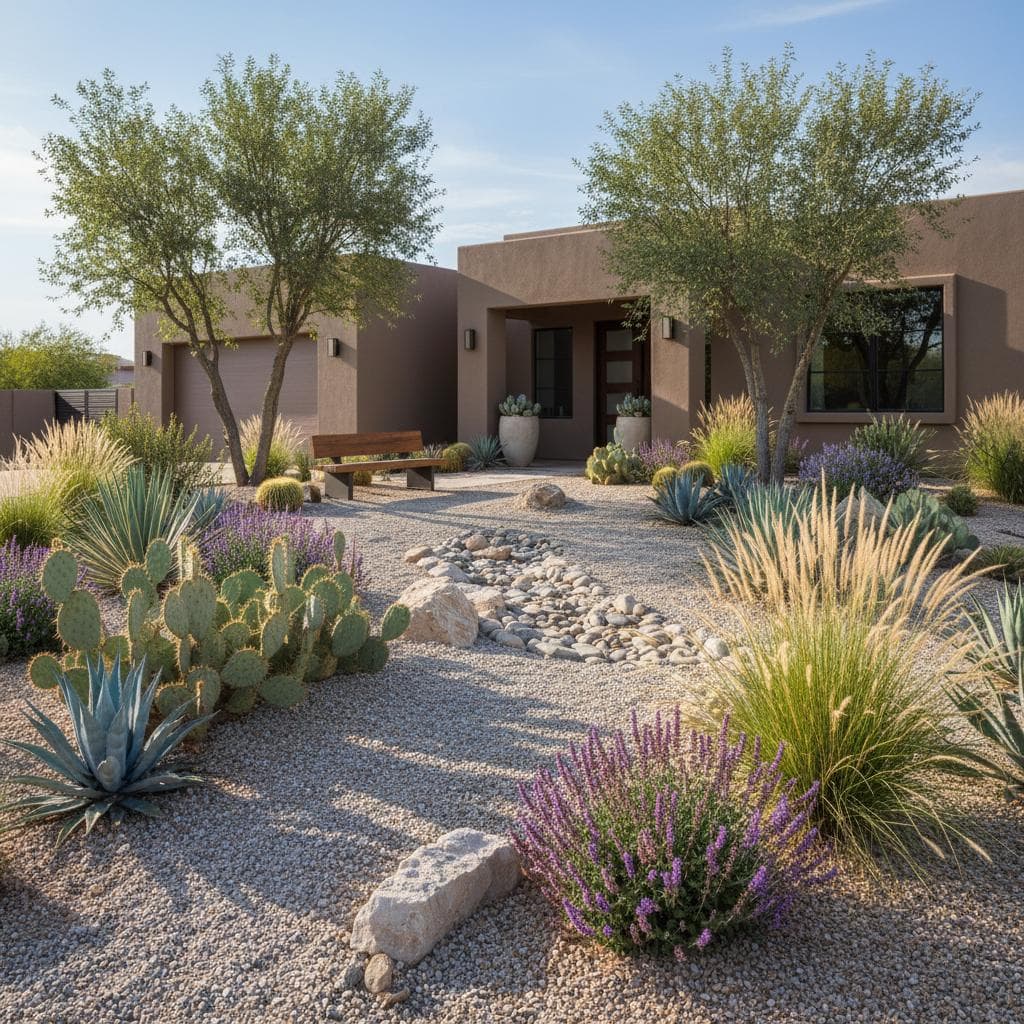
Creating a gravel garden begins with reimagining what a front yard can be. Instead of a uniform field of green, picture a mosaic of surfaces. Gravel becomes the canvas, and plants serve as brushstrokes. The goal is to mimic natural patterns found in arid landscapes, where vegetation clusters in pockets and open ground tells its own story.
Start by selecting a variety of gravel sizes to add visual depth. Fine gravel offers a smooth, walkable surface, while larger stones provide definition and drainage. Choose colors that complement the home exterior, from soft grays and warm tans to deeper hues that echo local stone. A subtle blend often works best, creating nuance without distraction.
Then, layer in plants that flourish in dry conditions. Consider Mediterranean herbs, succulents, and native perennials with silvery foliage that reflects sunlight. These plants not only conserve water but also attract pollinators, adding life and motion to the minimalist setting. For example, incorporate drought-tolerant varieties like blackfoot daisy or penstemon to enhance biodiversity.
Why Gravel Gardens Make Sense
Gravel gardens marry beauty with practicality. Their biggest advantage is water efficiency, but the benefits extend well beyond conservation.
1. Low Maintenance: Once established, gravel gardens require minimal care. Occasional weeding, light pruning, and seasonal tidying keep them looking sharp without constant upkeep. Homeowners report spending 80 percent less time on yard work compared to traditional lawns.
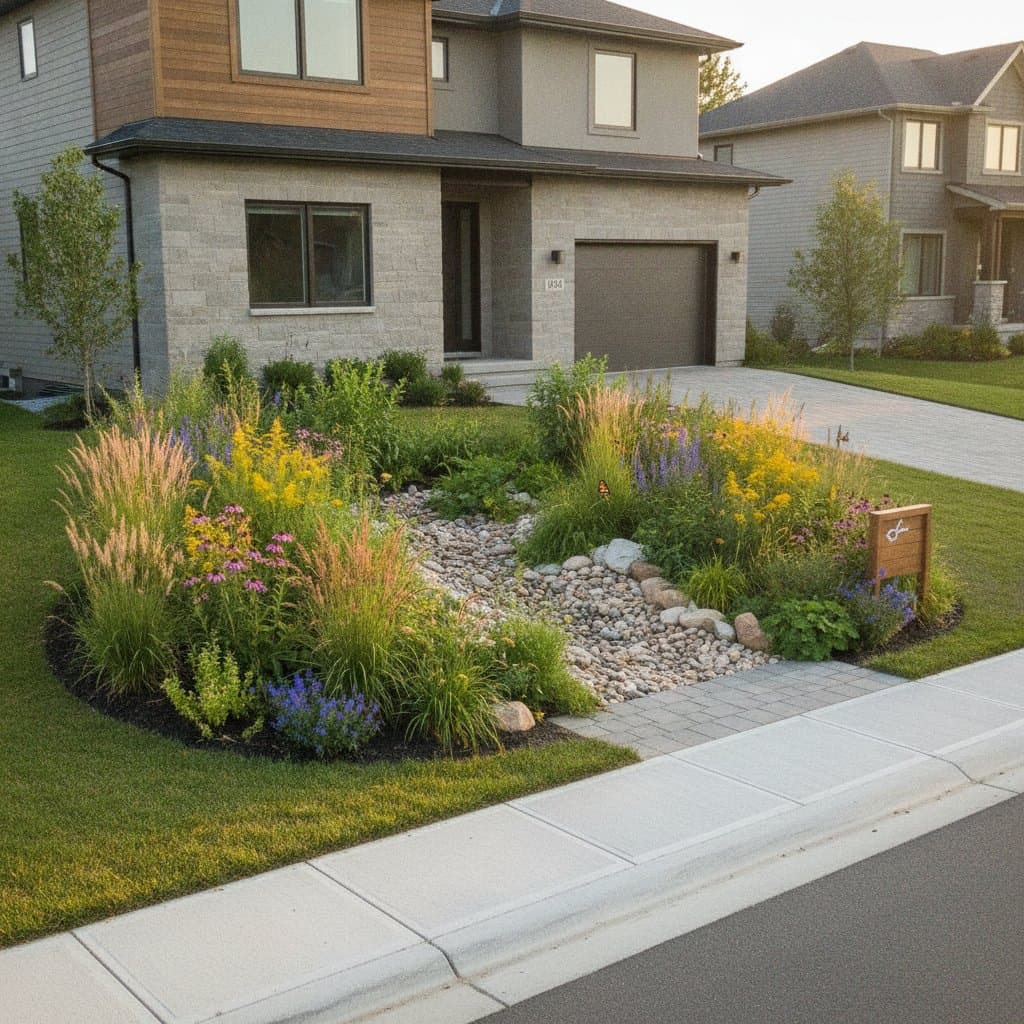
2. Natural Drainage: Gravel allows rainwater to filter into the soil rather than running off. This reduces erosion, prevents puddling, and supports healthy root systems. In sloped yards, it can prevent water damage to foundations.
3. Temperature Regulation: Stones absorb heat during the day and release it at night, creating a gentle microclimate that benefits drought-tolerant plants. This effect can lower surrounding air temperatures by up to five degrees Fahrenheit in urban settings.
4. Eco-Friendly Footprint: With no need for chemical fertilizers or frequent mowing, gravel gardens promote a cleaner, quieter, and more sustainable environment. They reduce carbon emissions from gas-powered mowers and minimize pesticide runoff into waterways.
5. Longevity and Versatility: Gravel does not fade or rot. It blends easily with stepping stones, patio areas, or water features, allowing endless design possibilities. Over decades, it weathers gracefully, gaining character from patina and settling.
Designing with Texture and Flow
Texture is the heartbeat of a gravel garden. Smooth river stones contrast with feathery grasses, and spiky succulents punctuate soft mounds of thyme or sedum. This interplay of surfaces and shapes creates visual rhythm that draws the eye across the space.
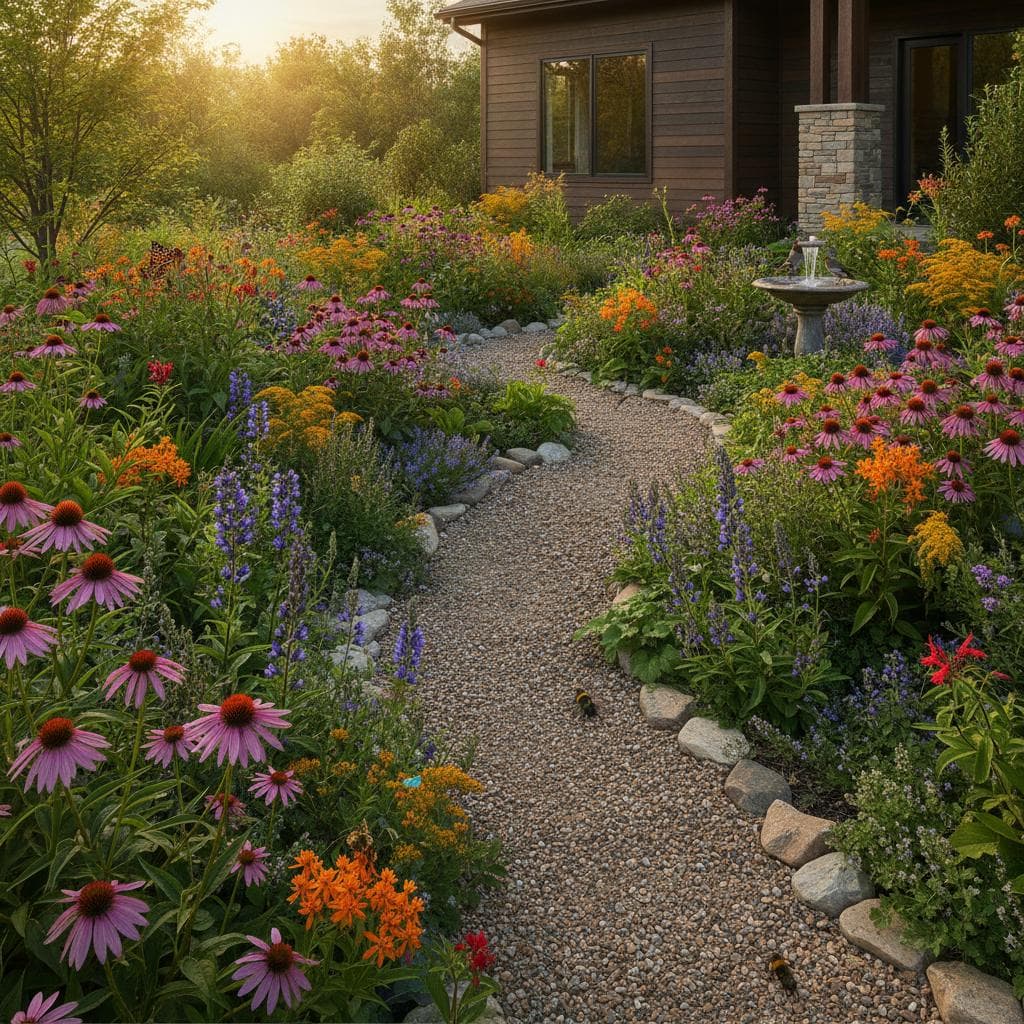
Consider the flow of movement too. Gravel paths can guide visitors naturally toward the front door or a quiet seating nook. Gentle curves feel more organic than rigid lines, echoing the way water or wind might shape the land. Border edges can be defined with steel, brick, or natural rock, depending on the style to express.
Lighting also enhances the mood. Solar path lights glimmer on the gravel surface at dusk, while uplighting on sculptural plants like agave or yucca adds drama after dark. The key is subtlety. A gravel garden shines brightest when its beauty feels effortless.
Going Natural with Plant Choices
A gravel garden success lies in choosing plants that thrive in lean soil and full sun. Native varieties are ideal, as they are already adapted to local climates. Here are a few reliable performers that bring color and character year after year:
- Lavender: Its silvery leaves and purple blooms add fragrance and formality. Plant in full sun for best flowering.
- Echinacea (Coneflower): A pollinator favorite that adds bursts of color. It returns reliably in zones 3 through 9.
- Sedum: Compact, hardy, and available in many textures and tones. Use as edging for low-growing appeal.
- Russian Sage: Tall, airy plumes that sway beautifully in the breeze. It tolerates poor soil with minimal water.
- Thyme: Excellent ground cover with aromatic appeal. Creeping varieties spread to fill gaps naturally.
- Agave or Yucca: Sculptural focal points that demand little water. Position them as accents for dramatic effect.
- California Poppy or Coreopsis: Cheerful wildflower options for seasonal color. They self-seed for ongoing vibrancy.
When planting, dig small pockets into the gravel layer, fill them with a mix of sandy soil and compost, and nestle the plants in. Over time, the gravel will settle around their bases, insulating roots and suppressing weeds. Space plants 12 to 18 inches apart to allow for mature growth.
Simple Steps to Create Your Own
Building a gravel garden does not require heavy machinery or professional landscaping. With a little planning and some patience, craft one yourself. Follow these steps for a professional result.
-
Clear the Space: Remove grass and weeds completely. Use a sod cutter for large areas or solarize with clear plastic for six weeks to kill roots naturally. A clean slate ensures better drainage and prevents regrowth.
-
Shape the Terrain: Slight slopes or mounds add visual interest and help water flow naturally. Use a rake to sculpt contours that direct runoff away from structures.
-
Lay a Weed Barrier: A breathable fabric lets water through while keeping unwanted plants at bay. Overlap seams by six inches and secure with landscape pins.
-
Add Gravel in Layers: Start with a coarse base two inches deep for drainage, then top with decorative gravel about two to three inches deep. Calculate needs by measuring the area and multiplying by depth in feet.
-
Plant Strategically: Group plants by water and sunlight needs, leaving open gravel areas to highlight their shapes. Mulch around bases with additional gravel to retain moisture.
-
Water to Establish: Though drought-tolerant, new plants need consistent watering until roots are settled. Provide one inch per week for the first season, then taper off.
-
Enjoy and Adjust: Over time, expand, rearrange, or introduce new varieties as the garden evolves. Monitor for pests and adjust based on local conditions.
A Sustainable Statement
Gravel gardens are more than a landscaping choice. They are an expression of mindfulness, a quiet statement that beauty does not have to come at nature expense. By swapping thirsty lawns for low-water landscapes, homeowners not only conserve resources but also create habitats for pollinators and small wildlife.
This approach shifts the narrative from control to collaboration. Instead of forcing a yard to conform to a green ideal, work with the environment rhythm. The result is a space that feels grounded, authentic, and alive.
Living with Your Gravel Garden
Once the gravel garden settles in, it continues to reward with subtle changes through the seasons. Raindrops glisten on pebbles, seed heads shimmer in late light, and the scent of sun-warmed herbs drifts through open windows. Maintenance becomes less of a chore and more of a ritual; a few minutes spent rearranging stones or trimming spent blooms feels almost meditative.
To keep the garden looking fresh, rake the gravel occasionally to smooth footprints and refresh texture. Pull stray weeds before they seed, and prune back perennials once they have finished flowering. Every small act connects you to the rhythm of the outdoor space.
Making It Happen
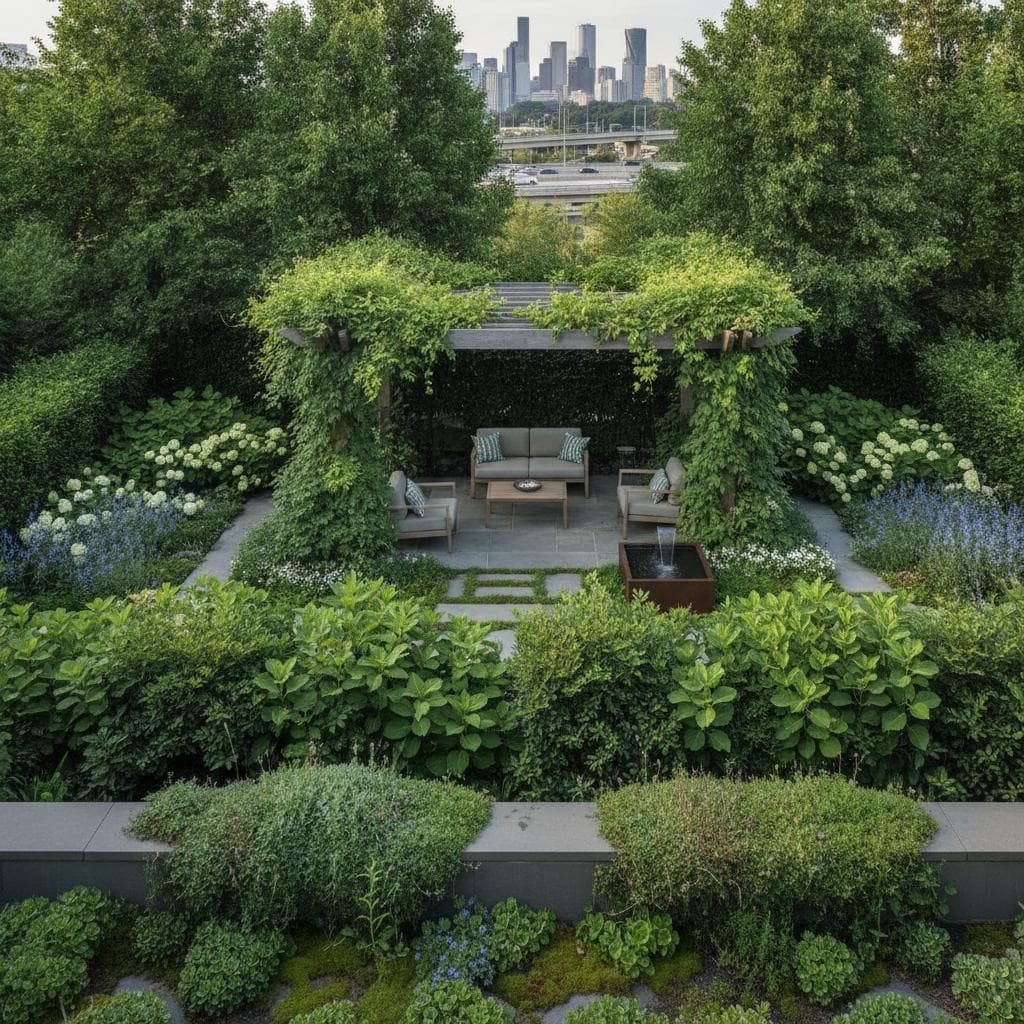
A gravel garden invites you to see the front yard not as a patch of lawn to manage but as an evolving landscape to enjoy. It is practical, beautiful, and deeply personal. Whether the space is a sprawling suburban lot or a compact urban entryway, the principles remain the same: respect the land, use resources wisely, and let natural beauty lead the way.
By embracing gravel gardens, join a growing movement toward sustainable living and creative expression. Each pebble, plant, and path contributes to a story of resilience and renewal. When the afternoon light catches the stones just right, see that this low-water trend is not just transforming front yards; it is transforming the way we think about home itself.