AI Robots for Effortless Front Yard Maintenance
Many homeowners know the frustration of an overgrown yard on a pleasant day. The grass overtakes edges, and the prospect of manual mowing drains enthusiasm. Advances in AI technology now make autonomous yard care a practical reality, eliminating the need for constant oversight.
These robots redefine low-maintenance landscaping by combining precision engineering with environmental awareness. They deliver consistent results that enhance curb appeal without demanding physical labor. For those seeking a pristine lawn with minimal involvement, this technology offers a compelling solution.
Core Mechanisms of AI Lawn Robots
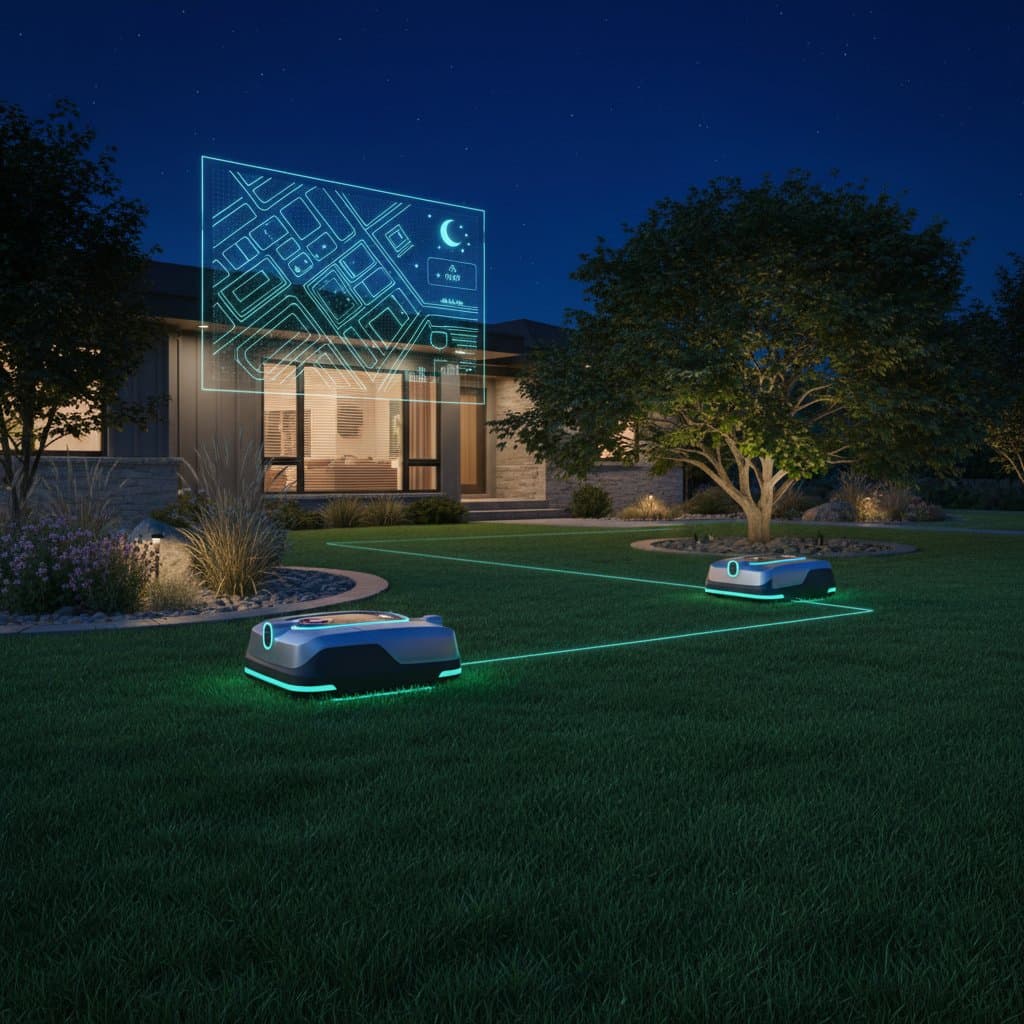
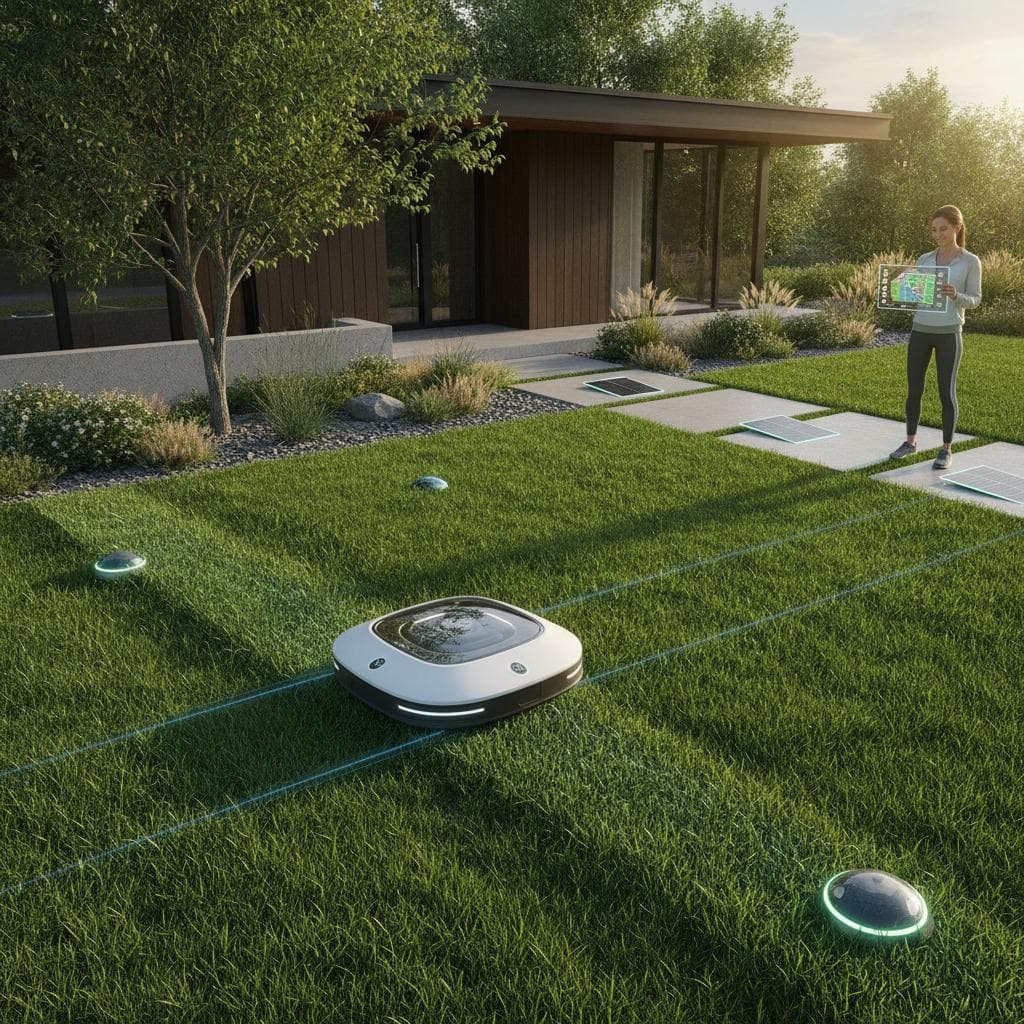
The effectiveness of AI lawn robots stems from their sophisticated sensory systems. Unlike earlier models confined by boundary wires, modern units employ cameras, ultrasonic sensors, and algorithms to navigate complex terrains. They create and update digital maps of the property to optimize operations.
- Boundary Detection: Sensors identify lawn limits, flower beds, walkways, and potential hazards during initial scans.
- Dynamic Path Planning: The robot calculates efficient routes based on grass density, terrain contours, and prior data.
- Autonomous Recharging: Low battery triggers a return to the docking station, followed by seamless resumption of tasks.
- Environmental Monitoring: Rain detectors halt activity to prevent soil compaction and blade wear.
- App-Based Management: Users schedule sessions, modify heights, and monitor status via mobile interfaces.
This process yields uniform cuts and promotes lawn vitality. Frequent, light trims deposit fine clippings as organic nutrients, fostering thicker growth without bagging requirements.
Evaluating Investment Value
Premium AI lawn robots require significant upfront costs due to their advanced features. However, comparisons with professional services, gasoline expenses, and tool upkeep reveal long-term savings. View the purchase as an enhancement to property management rather than a mere expense.
These devices operate reliably for extended periods with basic care, such as blade cleaning and periodic replacements. Budget-conscious options provide solid performance for modest yards, often using simpler setups like perimeter guides. Select based on yard dimensions and features to maximize efficiency without excess spending.
Environmental Advantages of Robotic Mowing
Robotic systems offer clear sustainability benefits over conventional methods. Gas-powered mowers generate noise and emissions, whereas battery-operated robots produce none during use. Their quiet operation preserves neighborhood peace.
Regular mowing stimulates robust root systems that crowd out weeds naturally. The resulting clippings serve as mulch, minimizing fertilizer reliance and chemical applications. Integration with smart irrigation optimizes water use, conserving resources while maintaining vibrancy.
Over seasons, these practices build resilient ecosystems. Healthier soil supports diverse plant life, reducing overall yard inputs and enhancing ecological balance.
Seamless Incorporation into Daily Routines
Setup integrates the robot into household patterns effortlessly. Schedule operations for off-peak hours, freeing mornings for relaxation or creative projects like garden enhancements. The device operates discreetly, blending into the background of daily life.
This automation shifts focus from drudgery to enjoyment. Homeowners gain opportunities to refine aesthetics, such as installing borders or experimenting with patterns, unhindered by traditional constraints.
Optimizing Long-Term Yard Design
Initial adaptation involves a brief adjustment period as the robot refines its mapping. Subsequent runs deliver polished results: vibrant turf, reduced weed presence, and sharp delineations that elevate visual appeal.
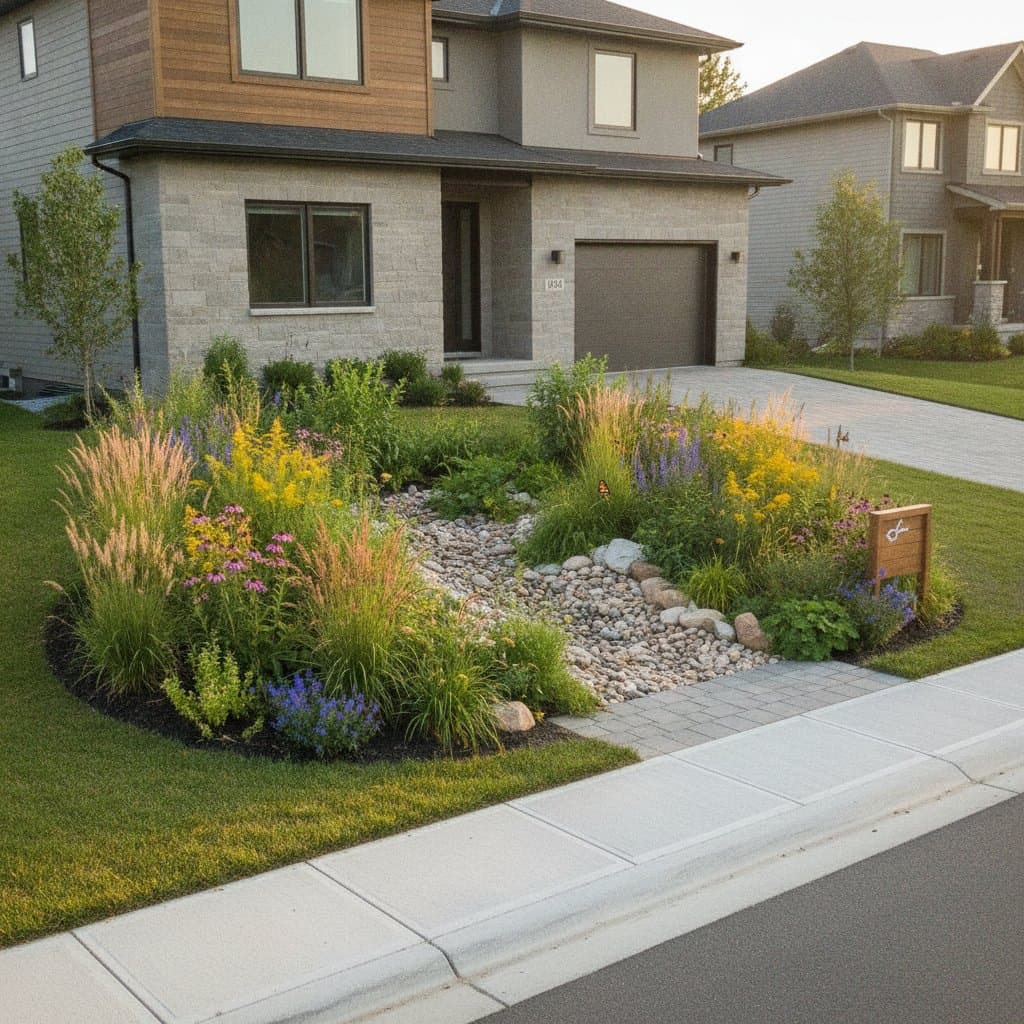
Adapt landscaping elements to amplify performance, including clear pathways and defined zones. Such modifications create structured, inviting exteriors that reflect intentional care.
Ultimately, automation reframes the yard as an extension of living spaces. Freed from routine tasks, owners cultivate environments that inspire and sustain well-being.
Steps to Adopt AI Lawn Care
Begin by assessing yard size and obstacles to choose a compatible model. Install the charging station in a sheltered, accessible spot and conduct the first mapping run on a dry day. Monitor early sessions via the app to fine-tune settings.
Regular maintenance ensures longevity: inspect blades monthly and clear debris as needed. As the system matures, explore expansions like multi-zone coverage for larger properties. This approach secures enduring benefits in ease and aesthetics.