The Rise of Edible Front Yards in 2026
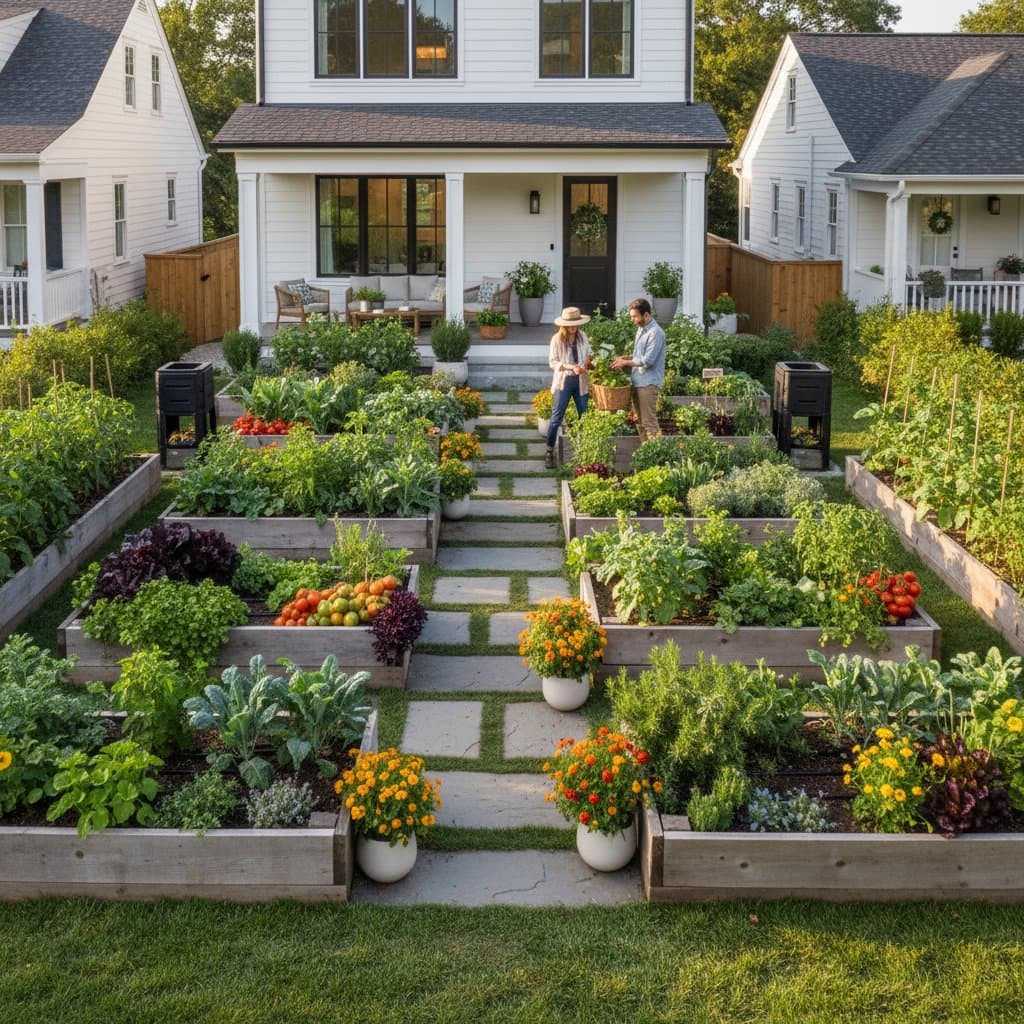
Visualize a typical suburban front yard transformed into a vibrant hub of growth. Lush kale leaves sway gently, ripe tomatoes climb sturdy trellises, and pollinators visit lavender and basil blooms. Passersby often stop to appreciate the display and may depart with fresh herbs in hand. This scene represents the emerging suburban status symbol: the edible front yard.
The Decline of the Traditional Lawn
Generations have viewed a meticulously trimmed lawn as a sign of homeowner dedication. Such landscapes conveyed tidiness, upkeep, and adherence to norms. However, attitudes evolve, and the demands of constant mowing, watering, and chemical treatments now appear relics of the past. Individuals reassess curb appeal and recognize that aesthetic value pairs well with productivity.
Drivers Behind the Rise of Edible Landscaping
Multiple influences propel this horticultural shift. Heightened environmental consciousness stands prominent. Conventional lawns demand vast water volumes and frequently depend on synthetic fertilizers and pesticides. Edible yards, by contrast, enhance biodiversity, aid pollinators, and direct water toward food crops that yield tangible returns.
Personal fulfillment also contributes significantly. Observing a tomato mature or harvesting crisp carrots provides deeper satisfaction than tending uniform grass. This process offers nature's reward system, complete with kitchen-ready ingredients nearby.
Economic pressures accelerate adoption. Water bills drop with reduced irrigation needs, while homegrown produce cuts produce costs. In regions with rising utility rates, these savings prove substantial over time.
Principles for Designing an Edible Front Yard
Converting a lawn to an edible haven requires no compromise on elegance. Creative planning yields spaces that balance visual allure with utility. Foodscaping merges design principles with culinary output in harmonious arrangements.
Consider these strategies to initiate the process:
-
Integrate Edibles with Ornamental Plants
Pair vegetables with blooms and evergreens for dynamic compositions. Rainbow chard displays colorful stems comparable to decorative foliage, and nasturtium vines cascade along edges with flowers suitable for salads.
-
Incorporate Structural Elements
Employ trellises, elevated beds, and wall-mounted planters to outline paths and add dimension. Pole beans, vining cucumbers, or grape varieties serve as natural dividers or screens for seclusion.
-
Schedule for Seasonal Variety
Combine fast-maturing options like loose-leaf lettuce and radishes with perennials such as dwarf fruit trees or blueberry shrubs. This approach maintains continuous greenery and output throughout the year.
-
Prioritize Convenient Access
Position frequently used items, such as rosemary or thyme, close to entryways. Routine clipping integrates seamlessly into daily routines, strengthening bonds with the landscape.
Sustainable Maintenance Practices
Edible yards flourish within ecological frameworks. Avoid artificial amendments and opt for organic alternatives. Compost vegetable peels and coffee grounds to replenish soil fertility naturally.
Companion planting manages pests effectively. Marigolds ward off root-knot nematodes in vegetable patches, while basil discourages aphids from nearby tomatoes. These pairings reduce intervention needs.
Mulching proves essential for conservation. Organic layers retain soil moisture, block weed growth, and decompose to improve nutrient levels. Select straw, leaf litter, or bark fragments to achieve a polished, eco-friendly appearance.
In arid climates, install drip systems or permeable hoses to target roots precisely and minimize evaporation. Drought-resistant selections like sage and rosemary further lessen watering demands, ensuring resilience.
Community Dimensions of Edible Yards
Edible front yards extend influence beyond individual plots. They spark interactions and strengthen social fabrics. A strolling resident may inquire about sturdy kale varieties or request tips for prolific zucchini yields.
Exchanges often follow: a sprig of basil for a bunch of carrots, or seedlings shared among friends. Such gestures revive communal spirit grounded in resource sharing and mutual support.
Certain areas develop cooperative systems. Households specialize in crops like citrus or greens, then distribute surpluses through block-wide swaps. This model enhances food security while diminishing isolation.
Perspectives from Horticultural Professionals
Designers and plant specialists view edible landscaping as a enduring evolution, not a fleeting interest. They highlight advantages for residences and ecosystems alike. Thoughtful installations boost real estate appeal, lower upkeep expenses, and serve as educational tools for understanding agriculture.
Professionals note psychological gains as well. Studies link gardening to lowered anxiety and heightened presence. Mornings spent gathering blueberries replace the clamor of lawn equipment, reshaping home interactions from labor to enrichment.
Experts recommend soil testing before planting to tailor amendments accurately. They also advocate native species integration, which bolsters local wildlife and simplifies care.
Embracing a Productive Home Landscape
Edible front yards adapt to diverse scales and preferences. Begin with modest containers or a single bed, then expand based on experience. Consistency yields insights with each cycle.
The garden integrates into lifestyle patterns: dawn irrigations, evening picks, and observations of insect activity. This evolution shifts the yard from obligation to vital extension of daily life.
Advancing Sustainable Suburban Living
The transition from grass to gardens marks a broader cultural pivot. These spaces embody deliberate decisions, innovative aesthetics, and collective well-being. As more adopt this path, neighborhoods gain vitality and resilience, paving the way for widespread environmental progress.