The Decline of Traditional Lawns in Climate-Smart Landscaping
The image of a meticulously groomed green lawn persists in memory, yet it often fades into irregular patches that demand excessive water and effort. For generations, such lawns represented an emblem of residential achievement. However, a transformation occurs as property owners recognize the substantial ecological toll. Substantial water consumption, chemical leaching, and perpetual maintenance render these lawns untenable. The emerging focus on climate-smart yards marks a compelling evolution in landscape architecture.
Challenges Posed by Conventional Lawns
Conventional lawns consume vast quantities of water, often comprising the primary outdoor usage in numerous locales. Achieving that verdant appearance requires ongoing irrigation, nutrient applications, and pest controls. While visually appealing temporarily, this setup proves delicate and ecologically harmful. Grass cultivars selected for consistent hue and form lack resilience against extreme temperatures, prolonged dry spells, or erratic precipitation.
Defining a Climate-Smart Yard
A climate-smart yard constitutes a deliberate outdoor arrangement that harmonizes with prevailing conditions rather than opposing them. Envision it as an integrated ecosystem that preserves water, promotes biological diversity, and retains visual allure.
Core tenets include:
- Water conservation. Select vegetation aligned with regional weather and terrain, thereby minimizing supplemental watering and resource expenditure.
- Durable selections. Opt for flora resilient to indigenous climatic variations, which flourish with limited intervention post-establishment.
- Soil vitality. Effective soil practices diminish erosion and bolster moisture holding. Organic amendments and surface coverings prove effective.
- Indigenous ecological support. Regional flora draw pollinators and fauna, forming self-sustaining habitats.
This methodology accommodates diverse settings. From arid interiors to moist shorelines, tailored climate-smart designs suit varied terrains.
Emerging Alternatives to Lawns
Interest in lawn substitution aligns with widespread adoption. Landscape professionals advance toward blended flora arrangements and organic-inspired terrains that demand reduced intervention. Consider these prominent choices:
1. Ground covers as grass substitutes.
Creeping thyme forms dense mats ideal for foot traffic, retaining color with sparse hydration. Clover maintains density and deters insects inherently. Sedum varieties offer succulent resilience in varied exposures.
2. Ornamental grasses for texture.
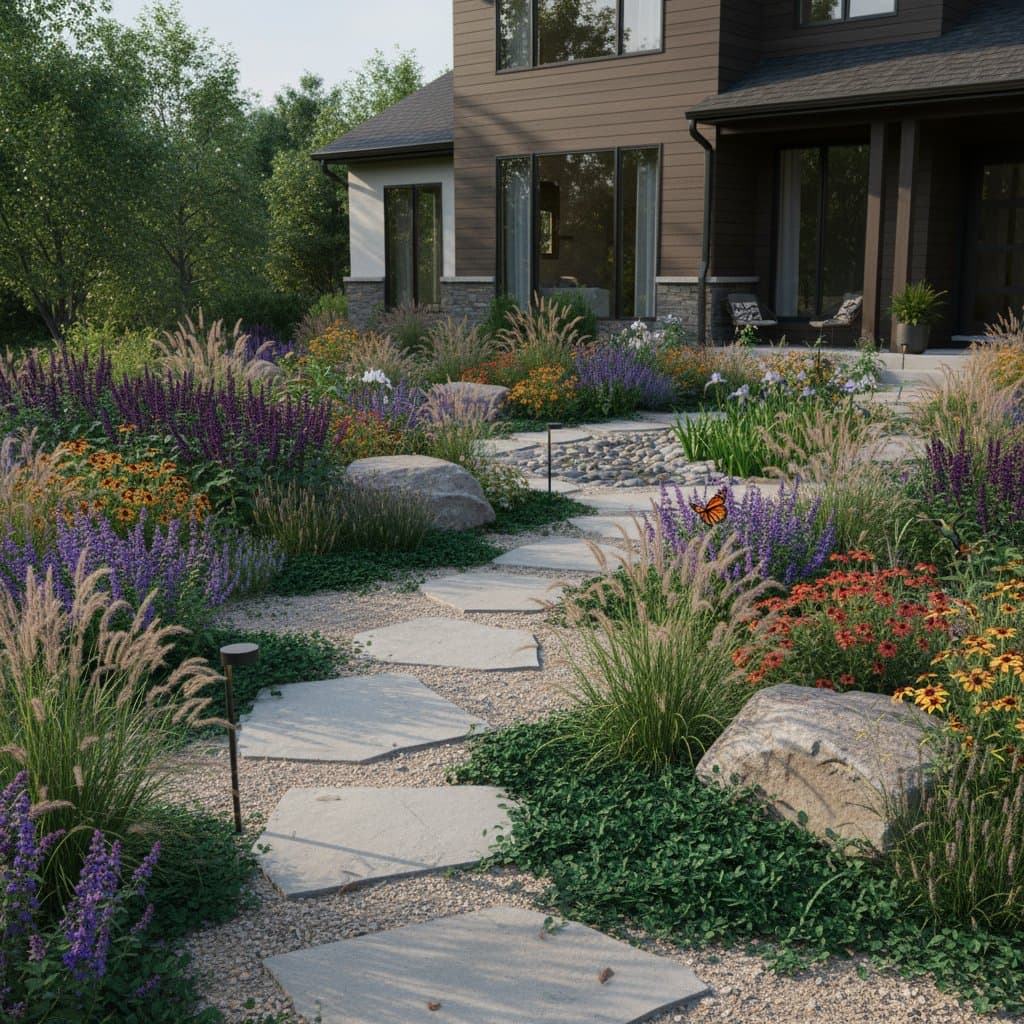
Blue fescue provides fine, silvery tufts that sway gracefully. Fountain grass introduces arching forms, enduring aridity while complementing aggregate walkways.
3. Hardscape integrations with gravel.
Blends of flagstone, crushed rock, and porous tiles fashion refined zones requiring negligible care. Accented with purposeful flora, these areas evoke serenity and purpose.
4. Gardens featuring native species.
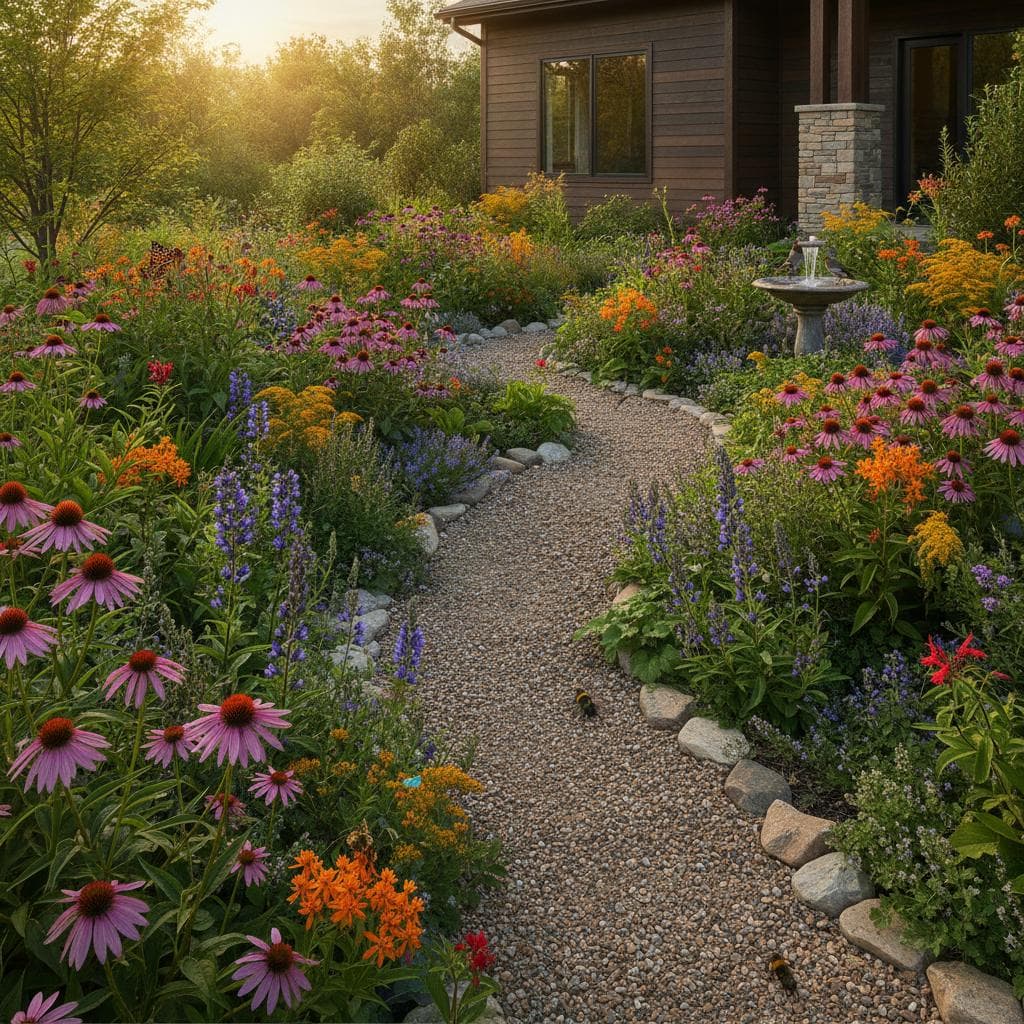
Indigenous plants adapt seamlessly to site specifics, demanding reduced inputs after rooting. They bolster entomological and avian populations absent in monoculture turf.
5. Prairie-inspired meadows.
Combinations of forbs and bunchgrasses mimic native grasslands, yielding seasonal transformations. This low-effort style delivers substantial ornamental rewards.
Significance of This Transition
Landscaping mirrors societal priorities. Departing from lawn dominance extends beyond hydration savings, though compelling. It prompts reevaluation of human-land interactions. Lawns presuppose stable climates now disrupted. They embody uniformity and dominance. Climate-smart yards embrace flexibility and multiplicity.
Economic advantages follow. Established designs incur lower ongoing costs for utilities, amendments, and machinery operation. Liberating leisure time from mechanical tasks enhances quality of life.
Aesthetically, these configurations intrigue through layering and individuality. Native assemblages with structural elements narrate regional narratives. Such spaces convey authenticity and vitality.
Tailoring Designs to Regional Climates
Effective adaptation commences with regional assessment. Climates exhibit distinct patterns. Success lies in alignment rather than resistance.
- Arid zones: Emphasize drought-resistant succulents, agaves, and herbs such as thyme or sage. Coarse mulches conserve hydration and suppress competitors.
- Humid environments: Shade-loving ferns, broad-leaved perennials, and rhizomatous gingers excel in dampness. Tiered arrangements mitigate ambient heat.
- Temperate winters: Incorporate conifers, woody perennials, and robust bulbs. These maintain form through seasonal extremes.
- Marine influences: Wind-enduring bunchgrasses and shrubs like armeria or rosa rugosa manage saline exposures adeptly.
Local horticultural centers stock appropriate selections. Consult them for proven, site-compatible options.
Embracing Natural Aesthetics
A vibrant yard soothes more than a rigidly shaped one. Individuals seek renewed environmental ties. Pollinator activity, grass undulations, and earth aromas anchor the spirit. Climate-smart designs facilitate presence over labor.
Professionals highlight locality, which this paradigm embodies. Locale-reflective yards integrate owners into surroundings, diminishing separation.
Implementing and Evolving Your Landscape
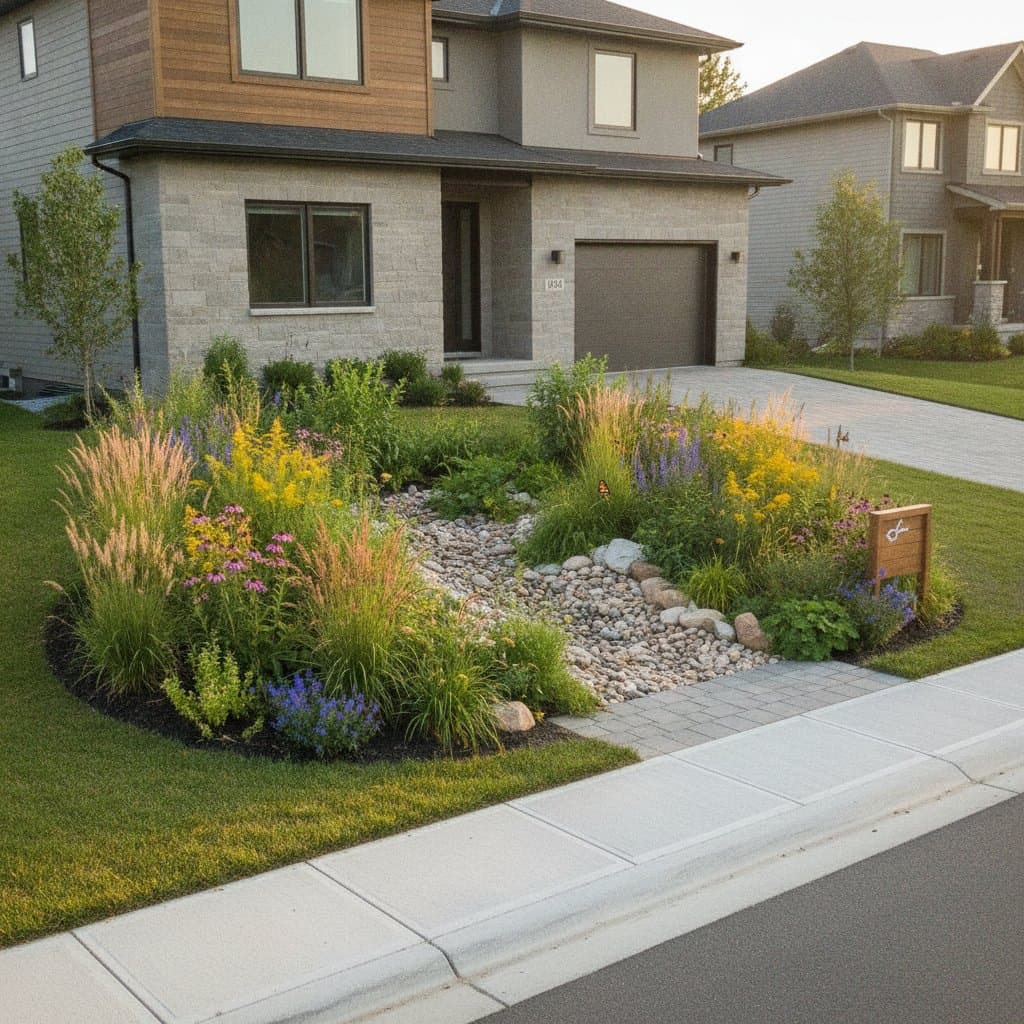
Shifting to climate-smart principles progresses gradually. Initiate modestly: convert a turf segment, trial indigenous specimens, or add a stone route. Observe adaptations and refine approaches.
One associate transformed her property with resilient forbs and bunchgrasses. She later shared how this altered her routine, replacing toil with contemplative mornings amid fluttering insects and blooms.
Adoption inspires replication. Adjacent properties respond, sparking dialogue.
Contemplate your parched turf and envision alternatives. Climate-smart yards advance foresight while yielding present beauty. This approach fosters endurance, ecological harmony, and profound territorial affinity.