Edible Hedges: Replacing Fences in 2026 Front Yards
Traditional fences serve essential purposes, such as defining property lines and ensuring privacy. However, they often lack vitality and fail to contribute to the landscape beyond their structural role. Edible hedges emerge as a compelling alternative, combining boundary functions with aesthetic appeal and practical benefits like homegrown food production.
This shift aligns with growing interest in sustainable landscaping. By 2026, experts predict edible hedges will become standard in urban and suburban front yards. These living barriers enhance biodiversity, reduce maintenance costs over time, and integrate seamlessly into neighborhood aesthetics.
Challenges of Conventional Fences
Standard fences, whether wood, vinyl, or metal, require periodic repairs and replacements due to weather exposure and wear. In densely packed neighborhoods, they can create stark divisions that diminish curb appeal. Moreover, these structures offer no additional value, such as supporting local ecosystems or providing resources for homeowners.
Benefits of Edible Hedges
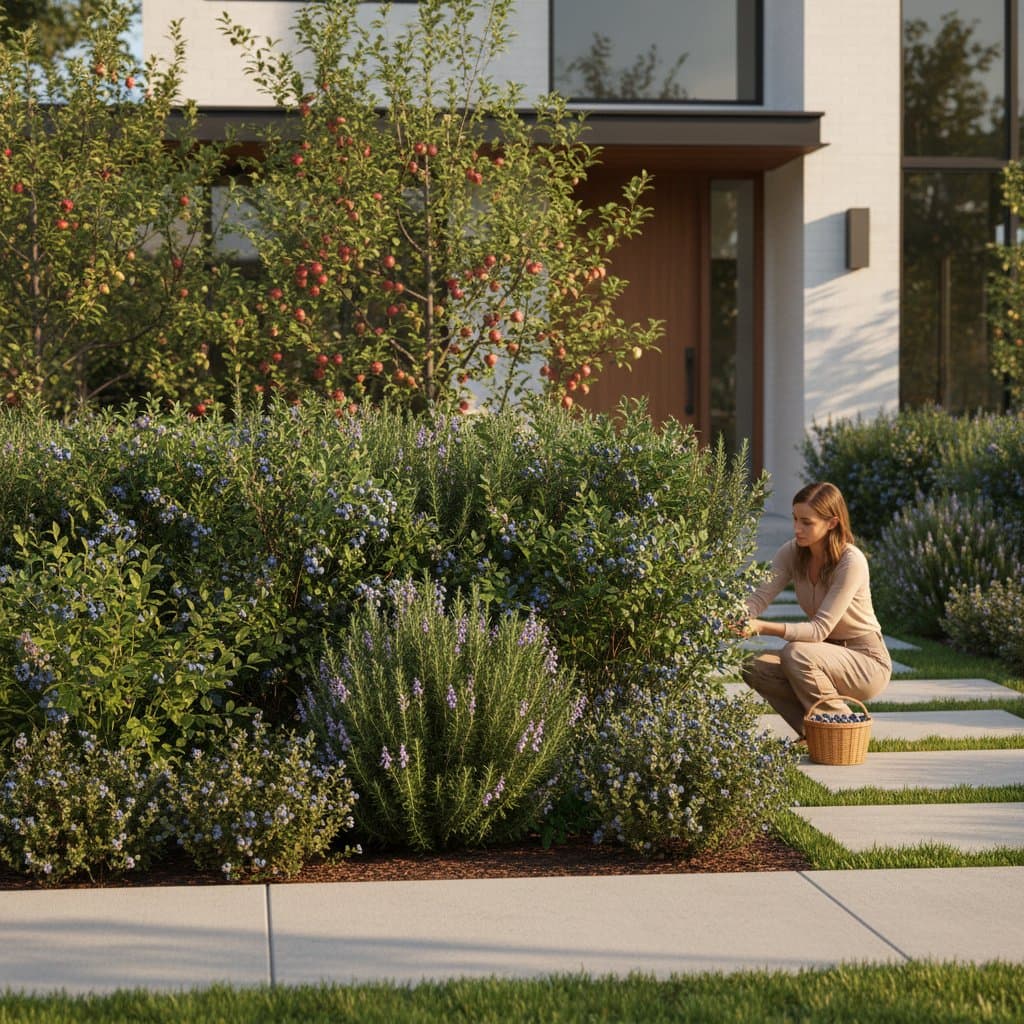
Edible hedges utilize fruit-bearing shrubs, nut-producing trees, and herb varieties to form natural screens. These plants grow densely to block views effectively, often reaching heights of six to ten feet within a few years. Beyond privacy, they attract pollinators, improve soil health, and yield seasonal harvests that reduce grocery expenses.
Key advantages include year-round interest through foliage changes, flowers, and fruits. For instance, evergreens like rosemary maintain structure during winter, while deciduous options such as blueberries display vibrant autumn colors. This versatility suits various climates and design preferences, from formal rows to informal borders.
Selecting Plants for Edible Hedges
Choose species based on local conditions, including sunlight, soil type, and hardiness zones. Blueberries thrive in acidic, well-drained soil and offer compact growth ideal for smaller yards. Raspberries and blackberries provide thorny barriers for added security, producing abundant berries in summer.
Other suitable options include:
- Currants and gooseberries for their upright form and tart fruits suitable for jams or fresh eating.
- Rugosa roses, which yield vitamin-rich rose hips and feature fragrant blooms that draw bees.
- Bay laurel or rosemary for Mediterranean-style hedges with aromatic leaves perfect for cooking.
Consider mature size and growth habits to ensure the hedge forms a cohesive wall. Native or adapted varieties often perform best, requiring less water and fertilizer.
Steps to Establish an Edible Hedge
Planning forms the foundation of a successful edible hedge. Assess the site dimensions and desired height to determine plant quantities. Aim for spacing of two to four feet between plants, depending on species, to allow for expansion without overcrowding.
Follow these steps for implementation:
- Prepare the soil by testing pH and amending as needed; incorporate compost for nutrient richness.
- Plant in early spring or fall to promote root establishment before extreme weather.
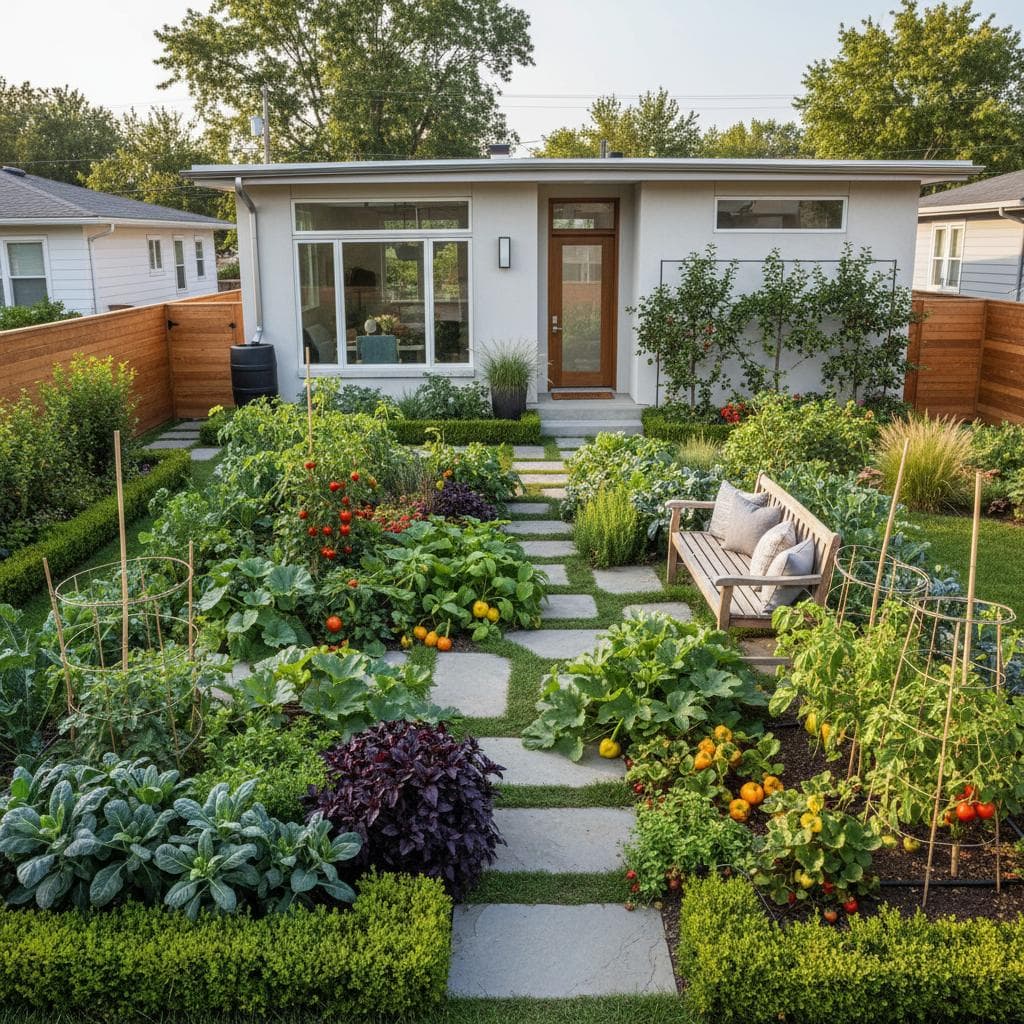
- Install temporary supports if using vining types like blackberries to guide growth.
- Mulch around bases to retain moisture and suppress weeds.
Initial growth may take one to two seasons to fill in fully. Regular watering during the first year supports development, while organic fertilizers boost fruit production.
Maintenance Practices for Long-Term Success
Ongoing care keeps edible hedges healthy and productive. Prune annually after harvest to remove dead wood and shape the structure, promoting denser growth. Monitor for pests, using natural methods like companion planting to deter issues without chemicals.
Harvest fruits promptly to encourage further yields and prevent bird damage; netting provides protection during peak seasons. Even imperfect hedges contribute value, as partial barriers still offer greenery and occasional produce. Homeowners who adapt to this routine find the effort rewarding.
Harvesting Rewards and Landscape Integration
Mature edible hedges transform front yards into dynamic features. Summer brings fresh berries for smoothies or desserts, while herbs enhance meals year-round. The presence of wildlife, such as birds and butterflies, adds auditory and visual liveliness to the space.
This approach fosters a sense of abundance and connection to nature. Neighbors often express interest, sparking community discussions on sustainable practices. By replacing fences with these versatile plants, homeowners create enduring landscapes that blend utility with elegance.