Understanding Dopamine Decor: The Shift Toward Joyful Bedrooms
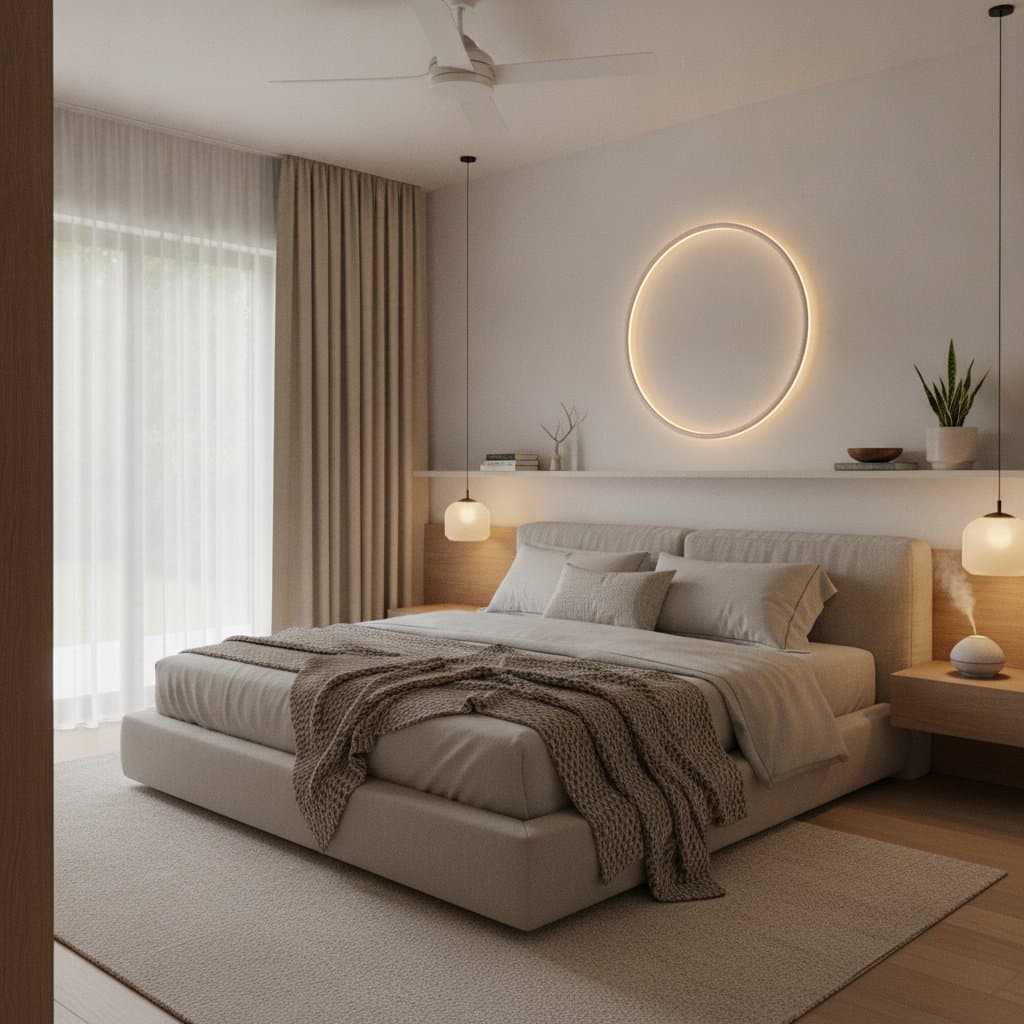
For years, the author approached bedroom decoration with caution, selecting neutral wall colors and plain white bedding in pursuit of serenity. The result appeared calm on the surface, yet it lacked vitality and personal resonance. Upon entering the space at night, the absence of color, pattern, and character became evident, revealing a room that felt more monotonous than restorative.
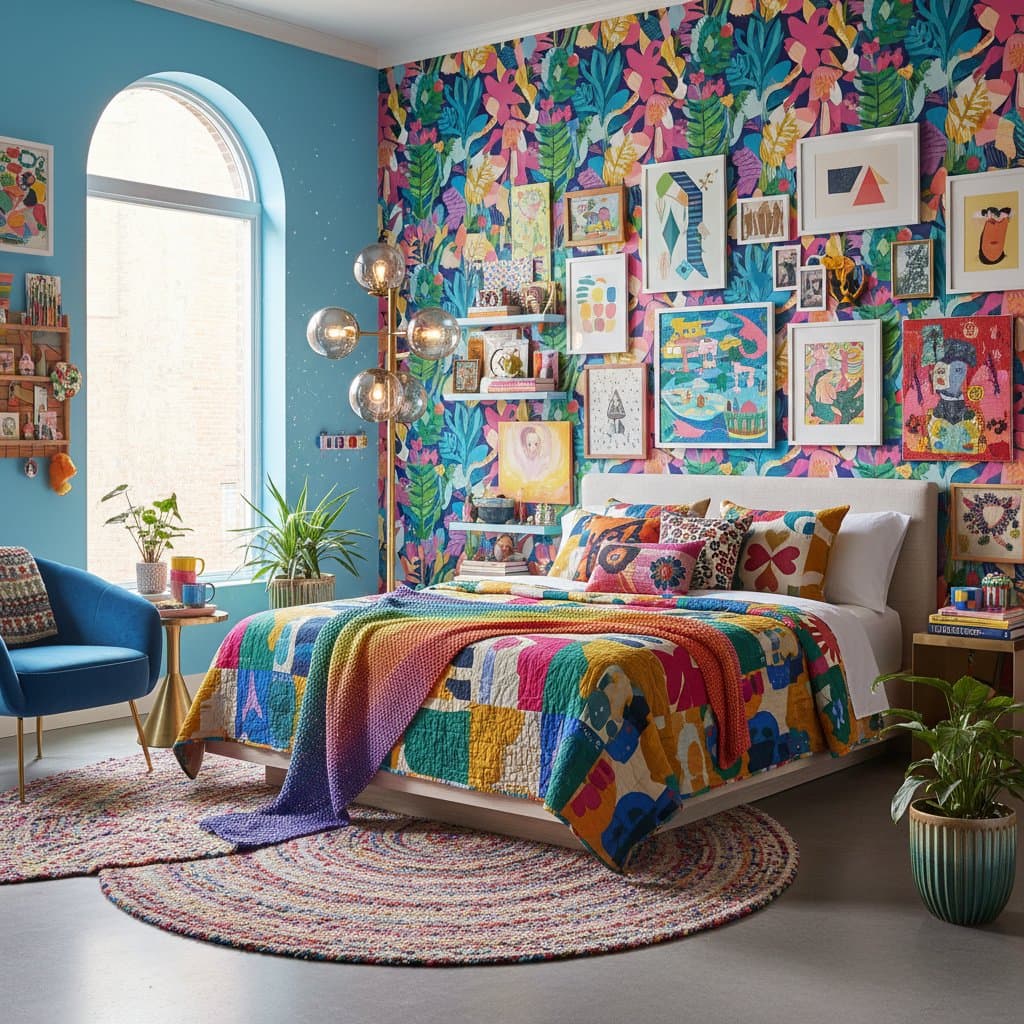
One afternoon, a photograph of a vibrant bedroom captured attention: a pink headboard, green lamps, and an assortment of mismatched pillows that harmonized effortlessly. The accompanying reference to dopamine decor prompted further exploration. As a professional in home design, the author has observed numerous trends, from minimalism to Japandi and modern farmhouse styles. However, dopamine decor stands apart by prioritizing emotional well-being over stylistic conformity, transforming spaces into sources of genuine happiness.
A Personal Transformation in a Staten Island Bedroom
Practical Steps to Infuse Joy into Your Bedroom
Those interested in dopamine decor need not fear overwhelming their space; incremental adjustments prove effective and manageable. Such gradual evolution supports both emotional adaptation and budgetary constraints.
Select a Single Uplifting Color
Consider hues that evoke personal pleasure, such as yellow for warmth or turquoise for refreshment. Introduce this color via accessible items like a throw pillow, blanket, or artwork. Observe the emotional response over a few days before expanding to larger elements, ensuring alignment with individual preferences.
Combine Patterns with Intuitive Freedom
Experiment by layering florals over stripes or polka dots alongside plaids, guided by shared color tones or thematic moods rather than strict guidelines. This approach fosters visual interest without rigidity. Test combinations in small areas, such as on a bed, to confirm harmony before full integration.
Integrate Meaningful Personal Items
Emotional ties define dopamine decor beyond mere visuals; incorporate cherished pieces like a family heirloom quilt, a travel memento, or a framed personal letter. Position these elements prominently to evoke positive memories. Such additions create layers of sentiment that enhance the room's welcoming atmosphere.
Enhance Ambiance Through Lighting
Illumination significantly influences emotional tone; opt for warm-toned bulbs to replace stark white ones, promoting relaxation. Select lamps with vibrant shades or install soft string lights for whimsy. Experiment with placement to highlight colorful accents, amplifying the overall joyful effect.
Accept and Celebrate Imperfections
Strive for authenticity over flawlessness, as rigid perfection stifles vibrancy. Allow for elements like a slightly askew frame or an eclectic nightstand to add organic texture. This mindset encourages a lived-in feel that resonates more deeply than polished uniformity.
Navigating Realities and Potential Drawbacks
A dopamine-decorated bedroom demands ongoing maintenance, as vivid colors accumulate dust more noticeably than subdued tones. Patterned fabrics complicate the detection of pet hair, presenting a routine challenge in households with animals. Regular vacuuming and strategic placement of washable items mitigate these issues effectively.
Maintaining balance prevents vibrancy from veering into clutter; allocate space around bold features for visual respite. For instance, a yellow duvet pairs ideally with plain white sheets and understated nightstands, preserving focus on key elements. Discipline in editing ensures the space remains energizing rather than overwhelming.
Financial considerations arise with colorful furnishings, particularly premium fabrics or unique vintage pieces. Balance expenses by blending investments, such as a quality headboard with affordable thrifted artwork. This eclectic sourcing not only controls costs but also amplifies the room's distinctive character.
The Unique Appeal of Dopamine Decor in Contemporary Design
Dopamine decor captivates because it emphasizes authentic emotion in an era dominated by serene minimalism. While neutral aesthetics offer elegance, they frequently overlook personal depth. This trend champions individuality, allowing bedrooms to mirror the occupant's true essence without pretense.
Societal norms often discourage bold self-expression in interiors, leading to self-imposed limitations like concerns over room size or lighting. Dispelling these barriers unlocks transformative potential. Readers have reported profound shifts: one individual painted a compact bedroom in deep magenta, resulting in improved sleep quality; another replaced gray curtains with floral patterns, enhancing morning vitality. These modifications extend beyond visuals, influencing daily emotional rhythms.
Cultivating Daily Energy Through Personal Expression
Today, entry into the transformed bedroom conveys vitality rather than disarray, serving as a canvas of identity and delight. It functions not as a sterile display but as a living reflection of preferences and experiences.
If neutral surroundings leave a sense of emptiness, consider introducing elements of joy. Tailor the space to personal rhythms, prioritizing emotional resonance over external ideals for sustained well-being.