Transform Your Front Yard into a Thriving Food Garden
The memory of arriving at a small London cottage with a front yard of patchy grass and weary shrubs remains vivid. Balancing work demands, school routines, and family activities left little room for a space that required constant attention without offering meaningful benefits. The introduction to edible landscaping changed that perspective. This approach involves substituting decorative plants with herbs, vegetables, and fruit producers, resulting in a front yard that delivers visual appeal, aromatic delight, and nourishment for the household.
Key Takeaways
- Integrate edible plants into the current landscape to merge beauty with utility.
- Select plants adapted to local climate conditions and harmonious with the home's style.
- Emphasize low-maintenance options and efficient layouts to accommodate demanding schedules.
Incorporate diverse textures, colors, and heights for sustained visual interest.
Draw from international designs to personalize the garden effectively.
Benefits of a Front Yard Food Garden
Front yards frequently remain underutilized, despite serving as the initial view of a residence. Transforming this area into a food garden combines practicality with an inviting presence. Rather than maintaining a water-intensive lawn that requires frequent mowing, individuals can establish a dynamic, yield-producing environment that supplies fresh produce and fosters a deeper bond with the outdoors. Experiences in rural France, where lavender edges frame vegetable rows and fruit trees, illustrate this integration of sustainability and elegance.
City dwellers and those in rental properties increasingly adopt similar strategies. Ample land proves unnecessary for cultivation. A modest plot or container arrangement suffices for producing herbs, salad greens, strawberries, or tomatoes. Success hinges on balancing ornamental qualities with functional planning.
Steps to Plan Your Edible Landscape
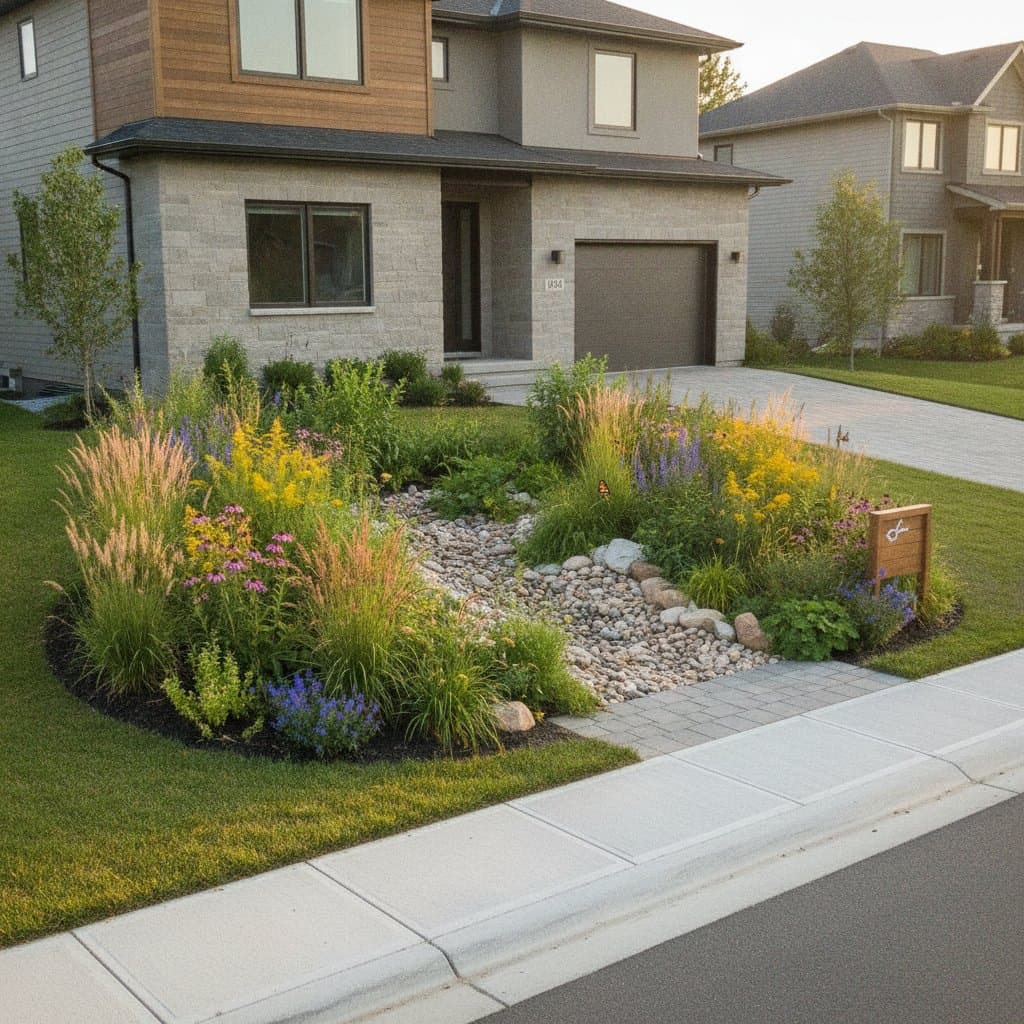
Begin by defining objectives. Consider whether a preference leans toward a lush, informal cottage arrangement or a precise, contemporary configuration. These preferences shape plant selections and spatial organization.
- Evaluate sunlight exposure. Edible varieties typically require a minimum of six hours of direct sunlight daily.
- Consider accessibility. Position herbs harvested often near entry points for convenience.
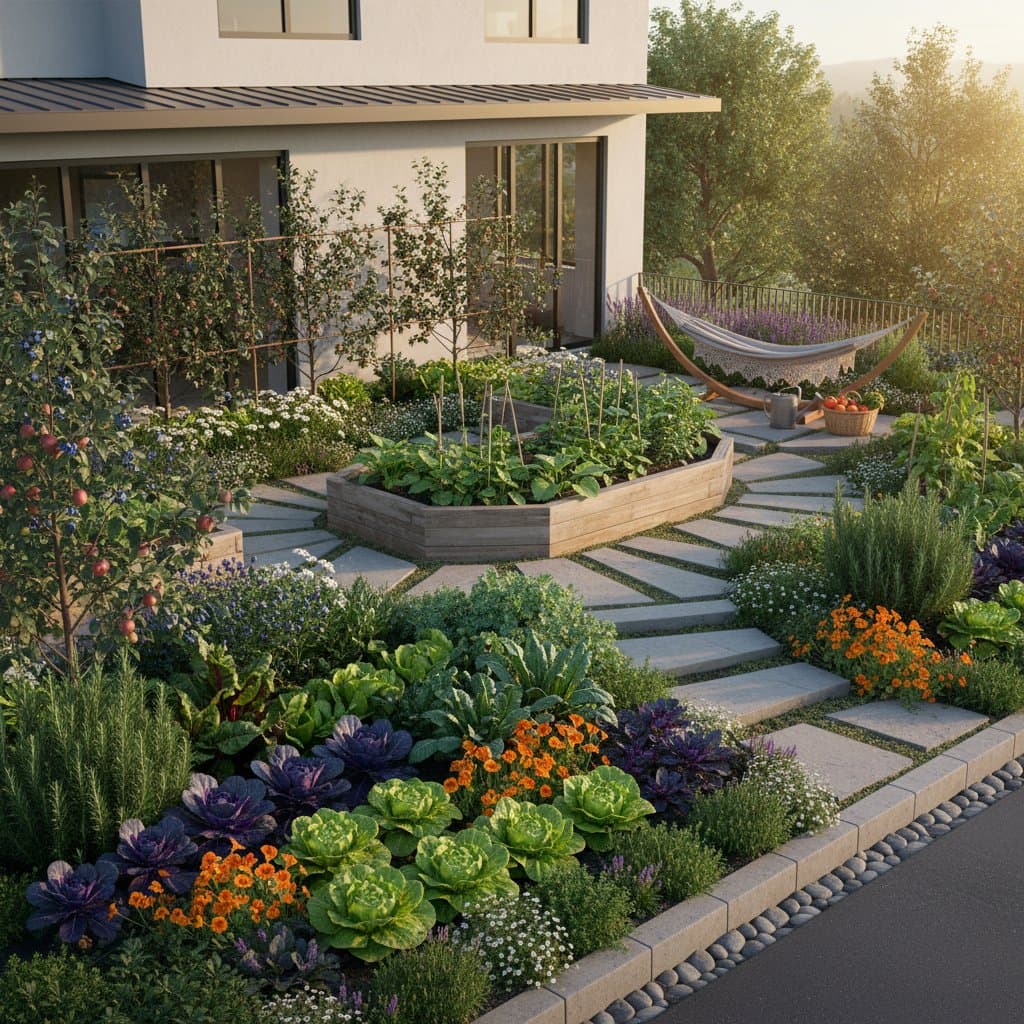
- Integrate edibles with ornamentals. Varieties such as kale, Swiss chard, and purple basil contribute bold hues.
- Employ vertical layering. Pair towering options like corn or sunflowers with mid-level peppers and cascading thyme.
- Design for seasonal continuity. Incorporate persistent elements like rosemary to maintain form through winter.
Observations in New York neighborhoods revealed tomatoes thriving in ornate containers adjacent to entryways. These setups rivaled traditional displays in attractiveness and prompted interactions with neighbors. A thoughtfully arranged front yard food garden achieves comparable outcomes, rendering the area both approachable and bountiful.
Selecting Plants Aligned with Your Routine
Families with young children benefit from straightforward, child-friendly selections. Strawberries, snap peas, and cherry tomatoes offer simplicity in growth and enjoyment in collection. For individuals with packed agendas, perennial choices like rhubarb, asparagus, and herbs including oregano or mint provide recurring yields with limited intervention.
Renters or space-constrained households find raised beds or oversized containers ideal. These elements remain portable upon relocation and allow precise soil management. Experiments in the Cotswolds with galvanized containers stocked with herbs and edible blooms such as nasturtiums demonstrate dual contributions to aesthetics and cuisine.
Insights from Professionals
Landscape experts stress the value of framework and recurrence in design. Interior and garden consultant Claire Matthews advises, "Treat your edible garden like any other landscape feature. Repeat plant shapes and colors to create rhythm, and use borders or pathways to give it definition."
Home gardener and author Jamie Grant recommends a gradual start. He notes, "Start small. A single bed of mixed greens and herbs can teach you what works before you expand." This method ensures the endeavor stays approachable, particularly amid full timetables.
Maintaining Aesthetics and Utility
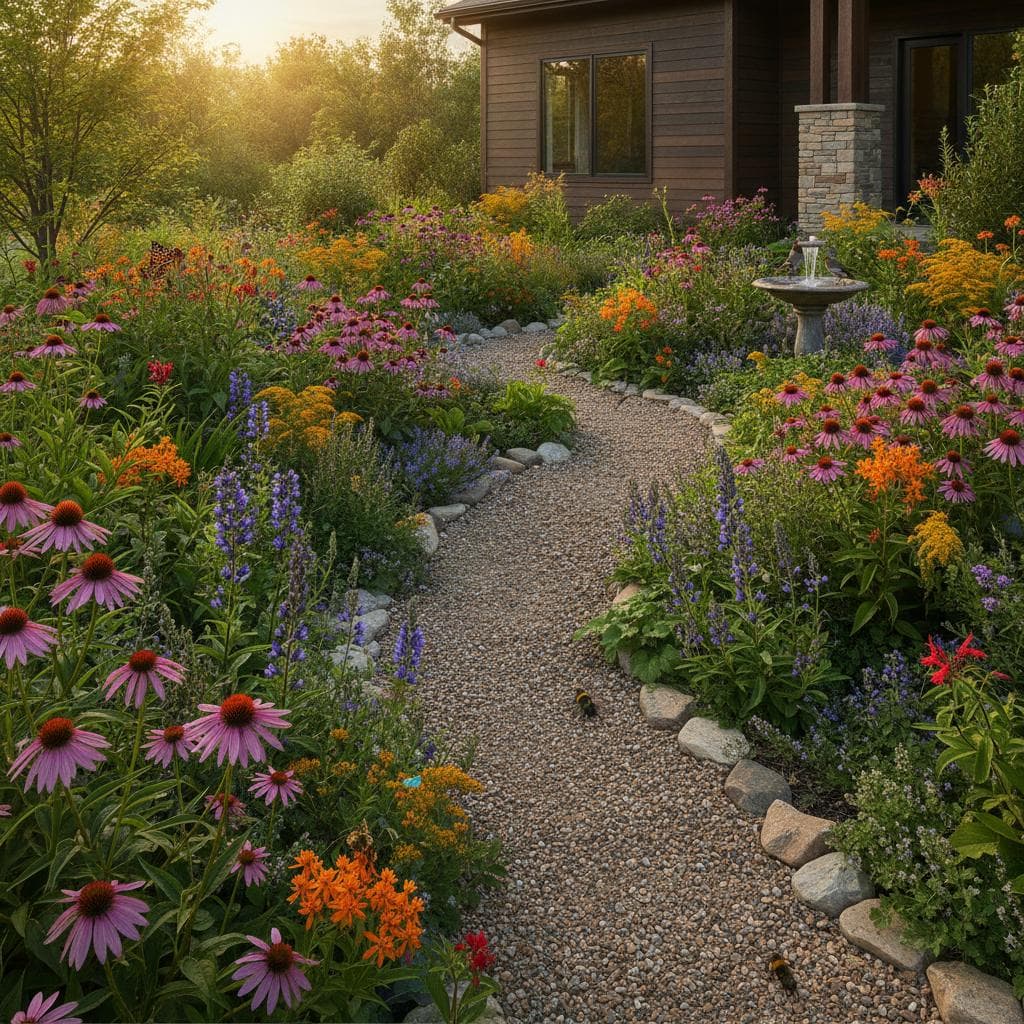
The food garden must complement the residence's architectural character. For a rustic farmhouse vibe, incorporate wooden containers, gravel walkways, and rough-hewn supports for vining beans. Urban environments suit refined raised beds or balanced configurations. Introduce blooming herbs like chives and lavender to draw beneficial insects and temper boundaries.
Apply mulch generously to suppress weeds, retain soil moisture, and achieve a polished appearance. Install drip irrigation or soaker hoses to streamline hydration, proving invaluable during hectic periods.
Integrating the Garden into Everyday Life
With the edible landscape in place, it weaves into routine activities seamlessly. Enjoy morning coffee on the entry steps amid basil and mint scents. Watch children dash out to gather a quick bite before meals. Observe neighbors pausing to appreciate a vibrant patch of rainbow chard. These interactions highlight the profound satisfaction of such a design.
Beyond mere production, a food garden restores harmony with one's surroundings, community ties, and seasonal cycles.