Rain Gardens: A Natural Defense Against Yard Runoff and Flooding
Rain gardens once appeared suitable only for committed environmentalists facing perfect site conditions. Consider a Staten Island homeowner who confronted this challenge when intense storms transformed a clay-heavy backyard into a saturated zone, with water collecting near the foundation and infiltrating the basement. Investigation uncovered rain gardens as a viable solution: shallow, vegetated depressions that collect stormwater, remove pollutants, and integrate effortlessly into yards with straightforward implementation.
Navigating Urban Runoff Problems
Rainfall frequently rushes over non-porous areas such as driveways, patios, and rooftops, picking up pollutants like lawn fertilizers, motor oils, and soil particles before entering storm drains. This flow contaminates nearby rivers and lakes while overburdening outdated sewer networks in mature residential areas. Property owners experience direct consequences in the form of waterlogged basements and washed-out turf, yet the wider repercussions involve stressed public utilities during each heavy rain event.
What Makes a Rain Garden
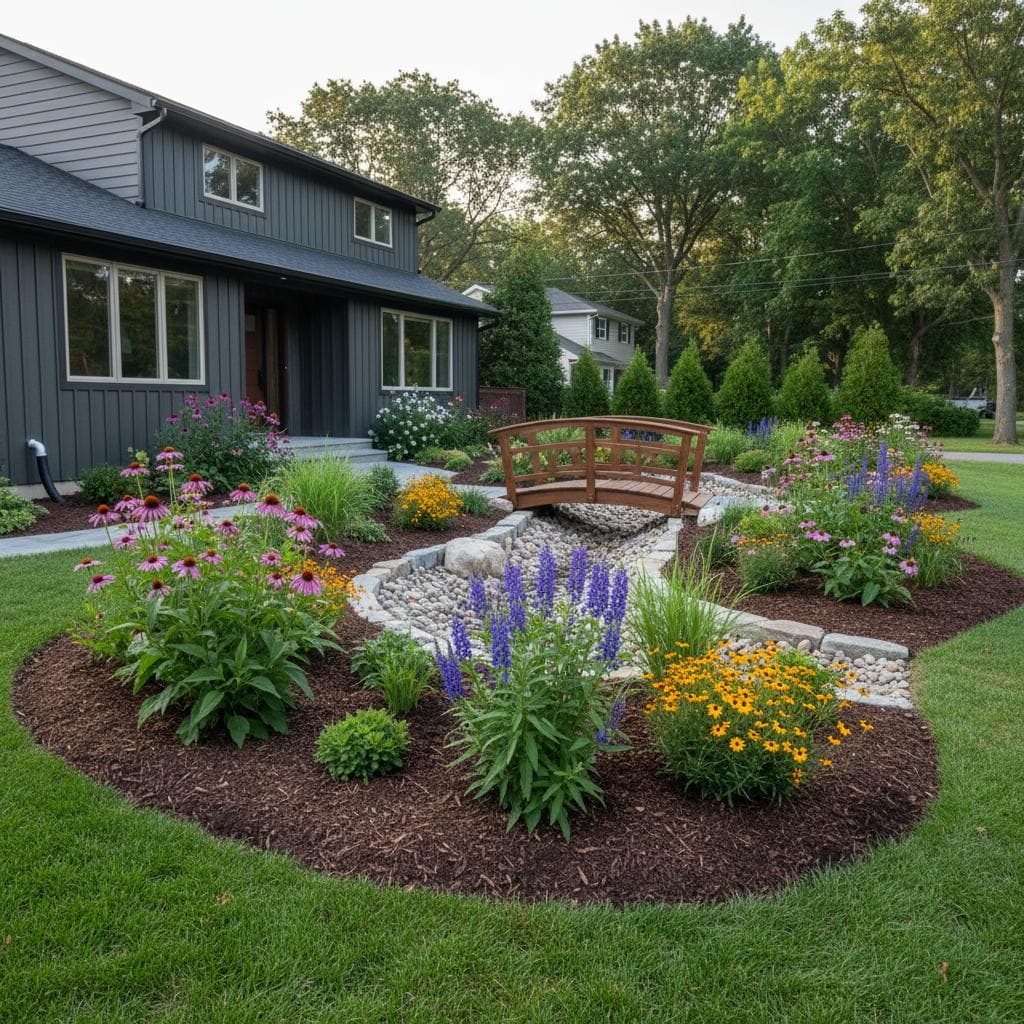
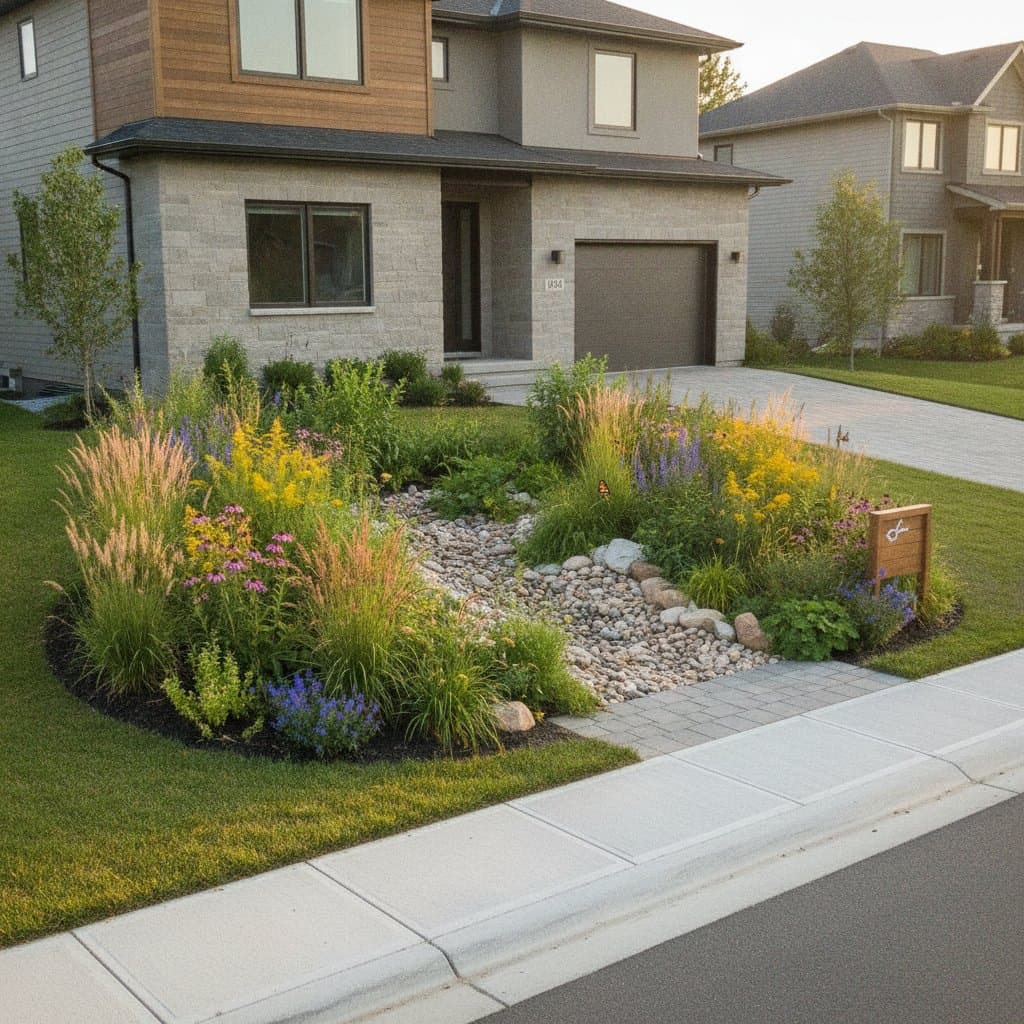
A rain garden forms a shallow depression, generally 4 to 8 inches in depth, positioned in locations susceptible to water buildup. It includes stratified soil enhancements and plants tolerant of varying water conditions, mimicking a small-scale wetland. Water from adjacent hardscapes flows into this basin, where it temporarily collects before absorbing into the earth below.
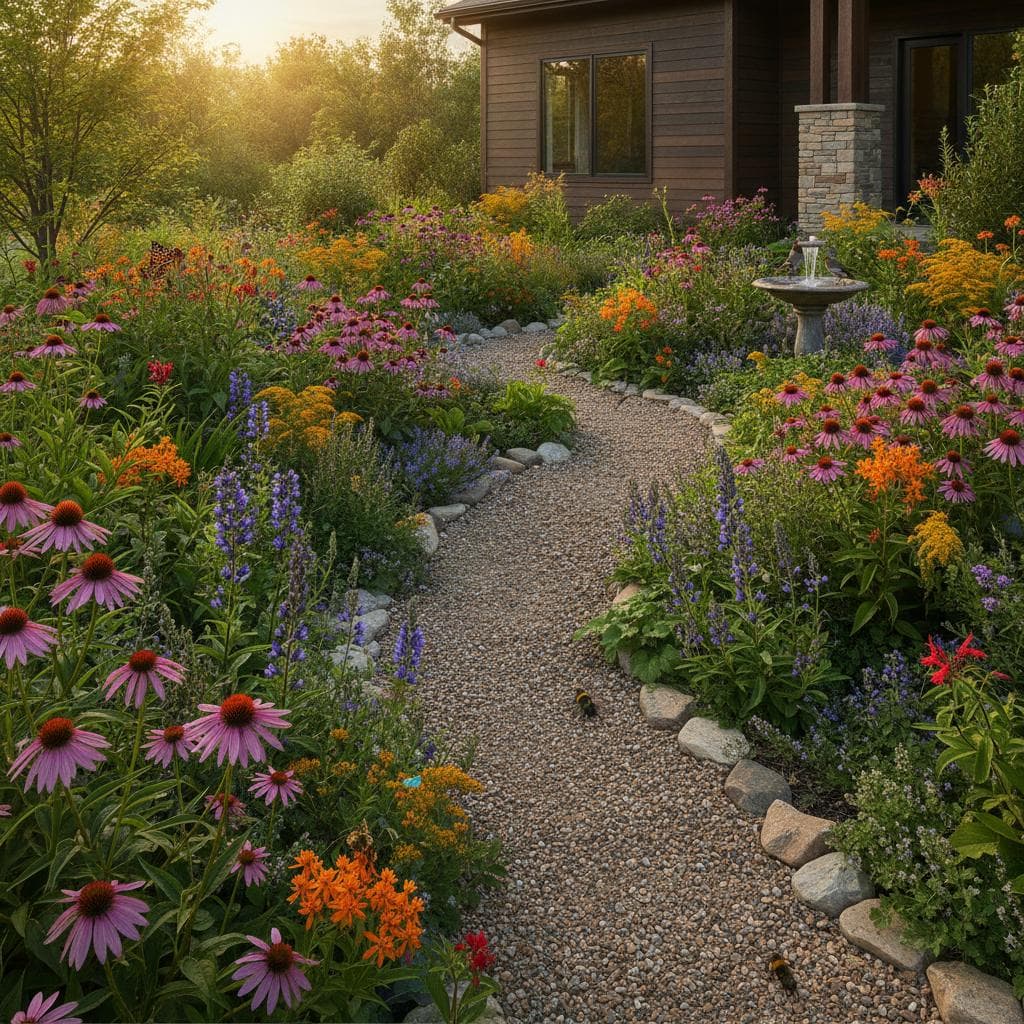
Vegetation absorbs surplus nutrients, and root systems anchor the ground to curb erosion. Beyond water control, this configuration fosters wildlife by drawing in bees, butterflies, and birds, even amid city surroundings.
Insights from the First Build
The initial rain garden effort in that Staten Island yard entailed digging a simple pit and incorporating standard garden soil, which soon turned into a mosquito breeding ground with standing water. Inadequate drainage resulted from skipping a gravel foundation and failing to establish proper gradients, causing water to linger for days after precipitation. Corrections came after reviewing regional extension resources and analyzing site-specific soil composition.
Later versions featured a 4-inch gravel layer for foundational drainage, overlaid with a mixture of sand, compost, and topsoil to facilitate percolation. Choosing hardy local species like swamp milkweed for sunny spots, blue flag iris for wetter zones, and Joe Pye weed for height ensured durability; the updated design cleared water in 24 to 48 hours, evolving into an attractive, low-maintenance area alive with pollinators in fair weather.
Building Your Rain Garden: A Detailed Process
-
Choose a location at minimum 10 feet away from the house foundation to prevent channeling water toward walls; target downhill positions from gutters or naturally low sections of the yard.
-
Outline the basin in an organic shape, such as oval or kidney form, to promote uniform water spread, then dig to 6 inches deep with walls angled at a 3:1 slope for stability.
-
Place 2 to 4 inches of coarse gravel at the bottom to support early drainage, add 2 inches of coarse sand next, and finish with a balanced 50/50 blend of compost and loamy soil.
-
Plant densely using climate-appropriate natives: for Northeast regions, deploy black-eyed Susans along sunlit borders, cardinal flowers in central damp areas, and sedges as understory cover to create a layered ecosystem.
-
Apply 2 inches of shredded bark mulch over the surface to deter weed growth, and install a low stone edging to guide inflows while adding visual appeal.
Key Maintenance Practices
Once rooted, rain gardens require light care, such as weeding two or three times each growing season and trimming back perennials in late winter. Check drainage performance early on to verify water retreats within two days; if delays occur, introduce aeration or incorporate additional organic amendments. In the establishment phase, during extended dry intervals, supply occasional irrigation to strengthen root development.
As the garden matures, it blends naturally into the surroundings without needing chemical fertilizers or sprays, thanks to the balanced plant interactions. This low-demand method stands in stark contrast to high-upkeep turf grass, delivering financial efficiencies alongside habitat enhancements.
Customizing Rain Gardens for Diverse Spaces
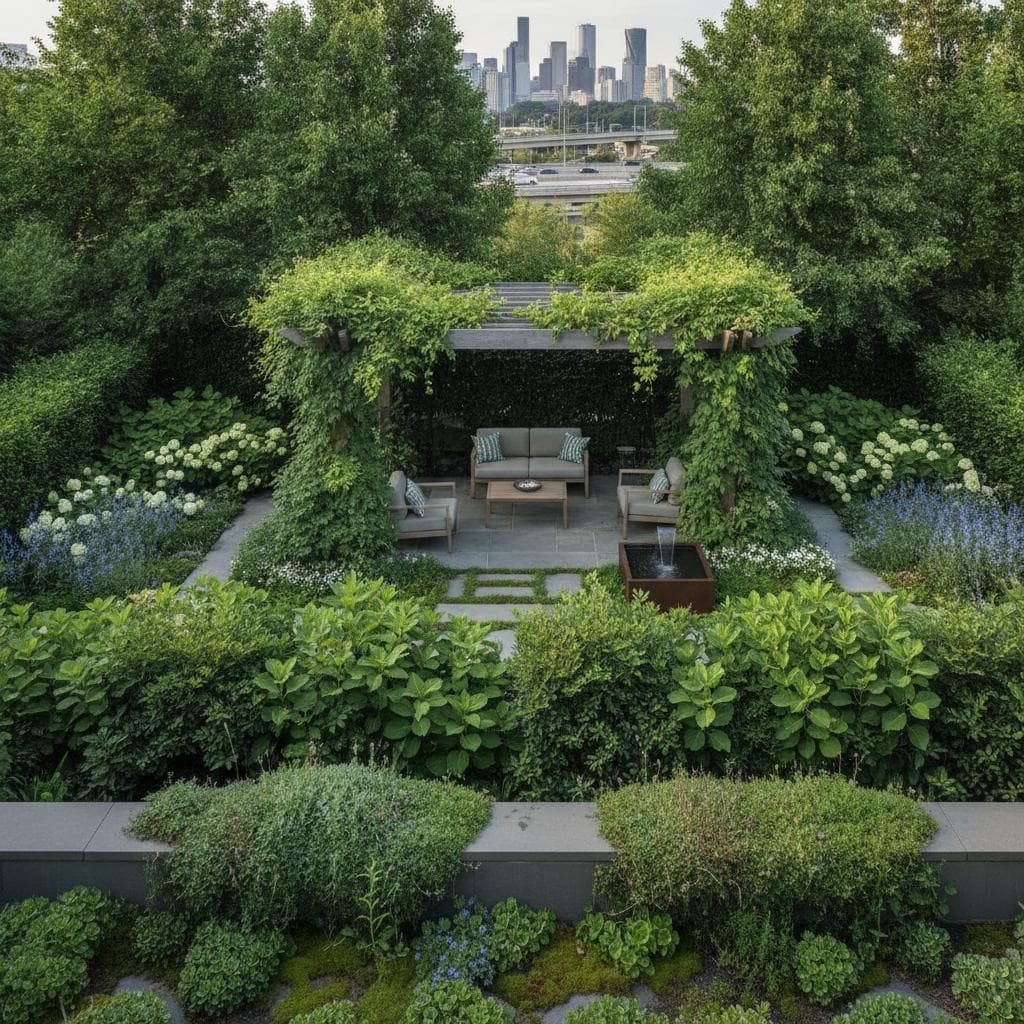
Small city properties support modified designs, including narrow strips beside walkways or modular versions in raised planters on decks. Reach out to local agricultural extensions for soil analysis and species suggestions to customize effectively. Equipped with essentials like a spade, cart, and spirit level, dedicated individuals can finish the project over a single weekend.
The Staten Island project illustrates how determination leads to tangible gains: a purposeful element that shields against basement inundation while elevating yard aesthetics. Property owners secure reassurance in knowing their landscape aids purer local waters and stronger neighborhood resilience via these accessible, earth-aligned techniques.