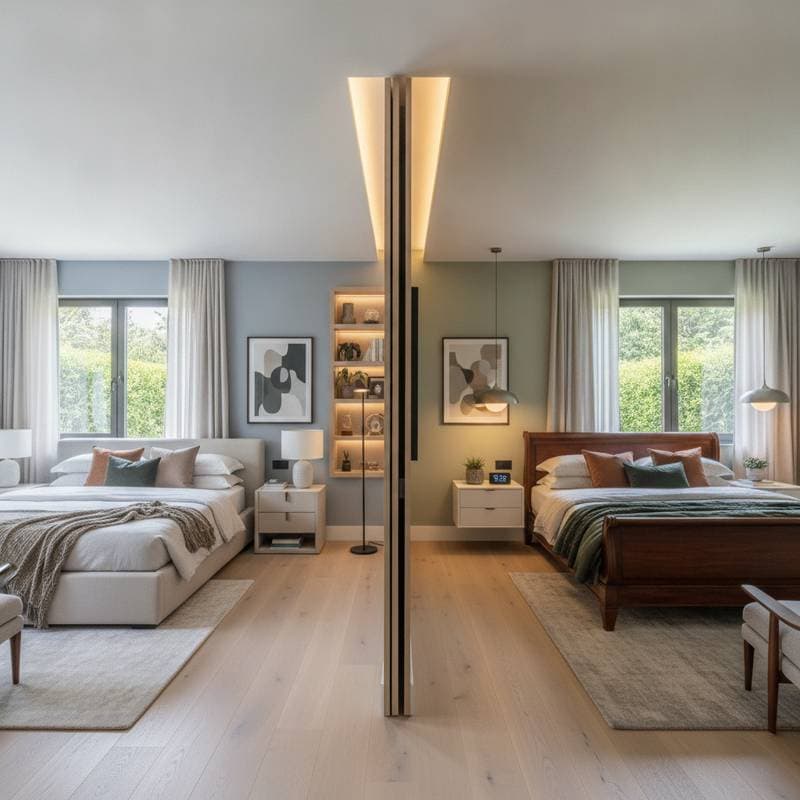
Dual-Zone Bedrooms in 2026: Enhancing Sleep for Couples
Many couples experience ongoing challenges with sleep preferences that affect their nightly rest and daily interactions. One partner may prefer a cooler environment, while the other seeks warmth. These differences often lead to compromises that leave both dissatisfied. Dual-zone bedrooms represent a thoughtful solution, allowing each individual to maintain personal comfort within a shared space.
This approach integrates advanced design elements to create balanced environments. It acknowledges that sleep requirements vary widely among partners. By prioritizing individualized adjustments, these bedrooms promote better rest without diminishing the sense of closeness.
Understanding Sleep Disagreements in Relationships
Sleep conflicts frequently arise from mismatched preferences in temperature, noise levels, and lighting. Research indicates that such issues contribute to tension, with some couples resorting to separate sleeping arrangements. These disagreements extend beyond the bedroom, influencing mood and communication throughout the day.
Key Features of a Dual-Zone Bedroom
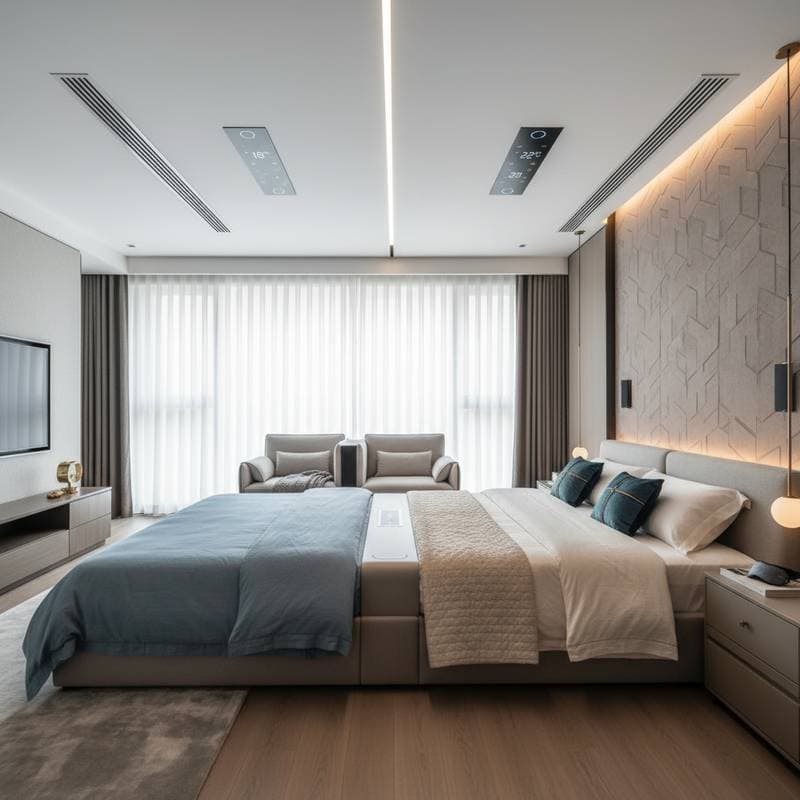
A dual-zone bedroom divides the space into personalized sleep areas while maintaining overall cohesion. Each side features independent controls for essential elements. This setup allows partners to customize their experience without disrupting the other.
Common components include:
- Adjustable split mattresses: These bases permit individual settings for elevation, firmness, and massage functions, accommodating preferences for side sleeping or elevation to reduce snoring.
- Zoned climate systems: Integrated heating and cooling pads or mattress toppers maintain separate temperatures, such as one side at a cool 68 degrees and the other at a warmer 74 degrees.
- Noise isolation tools: Options range from sound-absorbing panels behind headboards to app-controlled white noise machines that deliver personalized audio, like ocean waves for one and silence for the other.
- Customizable lighting: Dimmable LED strips or bedside lamps with motion sensors enable one partner to read under soft glow while the other rests in complete darkness.
- Storage and dividers: Low-profile shelves or fabric partitions subtly separate zones, providing privacy for personal items like books or chargers without creating a divided feel.
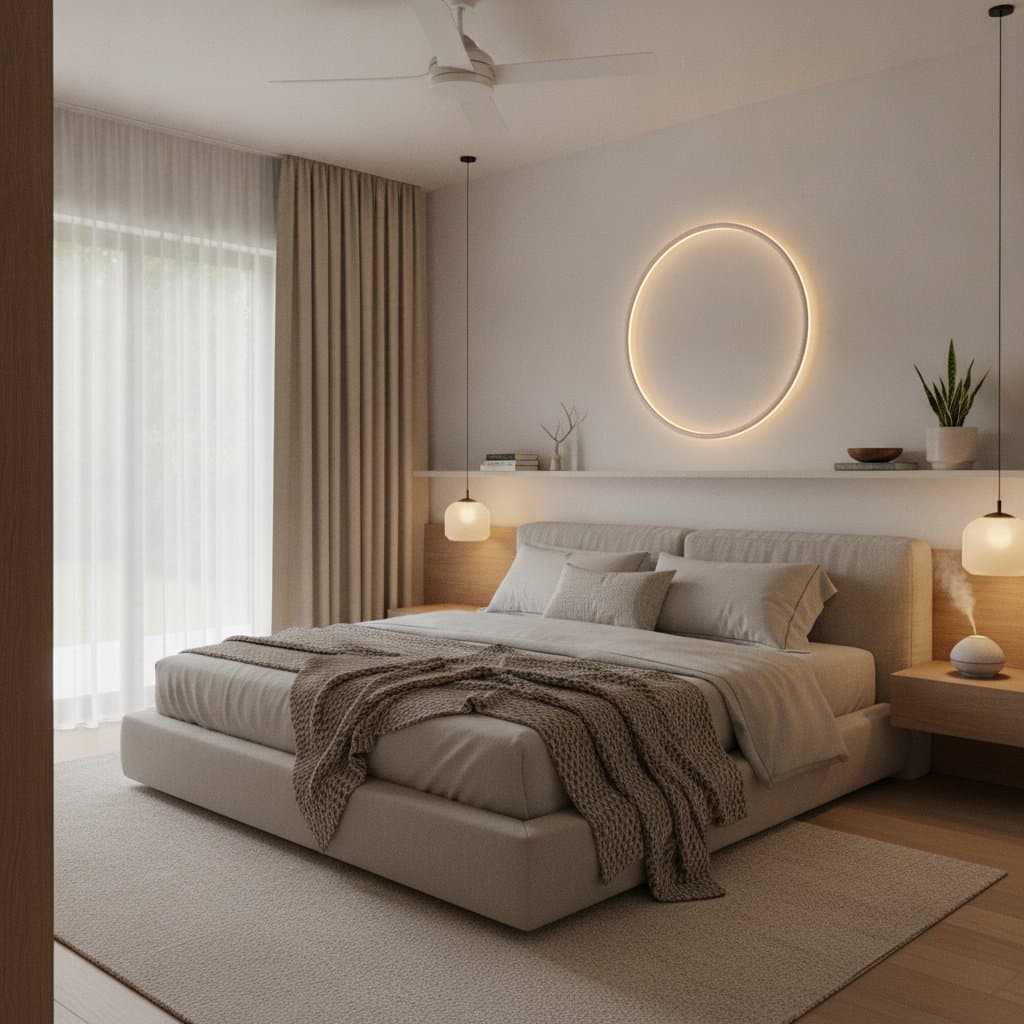
Designers recommend neutral palettes and shared decor to unify the room. For example, a central rug or artwork above the bed reinforces the collaborative aspect. The result is a bedroom that feels intimate yet accommodating.
Personal Implementation and Results
Implementing dual-zone elements begins with assessing specific needs. In one case, a couple started by replacing their standard mattress with a split king-size adjustable model. They selected firmness levels suited to each body type, one medium-firm for back support and the other plush for pressure relief.
Next, they incorporated dual-zone cooling sheets made from breathable materials like bamboo on one side and weighted blankets on the other. A smart thermostat app allowed remote adjustments, ensuring the room adapted before bedtime. Within a month, both reported deeper sleep cycles and reduced morning fatigue.
This experimentation revealed the value of incremental changes. Initial setups may appear unconventional, but functionality quickly outweighs aesthetics. The key lies in open communication about preferences, turning the process into a bonding activity.
Steps to Create Your Dual-Zone Bedroom
Transitioning to a dual-zone setup requires targeted adjustments rather than a full overhaul. Begin by discussing pain points with your partner, such as temperature fluctuations or light sensitivity. Prioritize solutions based on impact.
-
Evaluate the mattress foundation: Choose a split adjustable base compatible with your bed frame. Test models in stores to confirm compatibility with sleep positions, ensuring each side supports up to 400 pounds independently.
-
Incorporate temperature regulation: Select dual-zone toppers with built-in sensors that maintain set temperatures throughout the night. Pair with moisture-wicking sheets to prevent overheating.
-
Address noise and light: Install smart speakers for individualized soundscapes and blackout curtains with individual controls. Consider earplugs or eye masks as temporary aids during setup.
-
Enhance zoning subtly: Use floating shelves as headboards to create natural boundaries. Add under-bed lighting that activates only on request, preserving a serene atmosphere.
-
Monitor and refine: Track sleep quality with journal entries or apps for two weeks post-implementation. Adjust settings as needed, such as increasing incline for acid reflux relief.
Budget considerations play a role; start with affordable items like separate blankets before investing in tech. Professional consultations can guide selections for long-term durability.
Strengthening Relationships Through Restful Design
Dual-zone bedrooms foster deeper connections by eliminating common sleep barriers. With improved rest, couples exhibit greater empathy and energy for shared activities. This design choice underscores commitment to mutual comfort.
Consider the broader implications: reduced arguments lead to enhanced emotional intimacy. Partners awaken refreshed, ready to engage positively. In essence, these spaces nurture both individual health and relational bonds, proving that thoughtful design sustains lasting harmony.