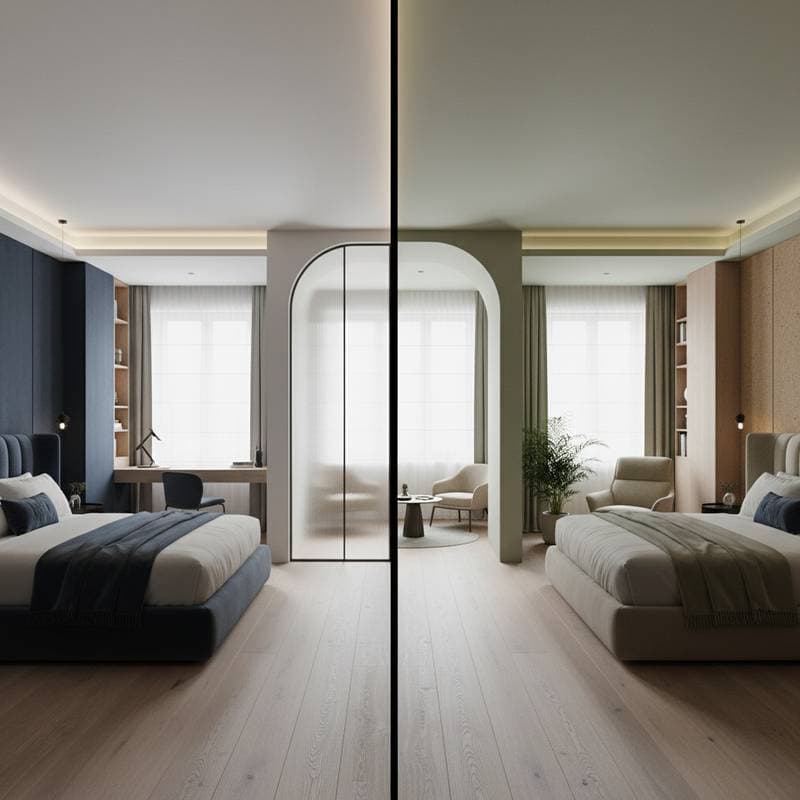
Dual Master Suites: Embracing the Sleep Divorce Trend
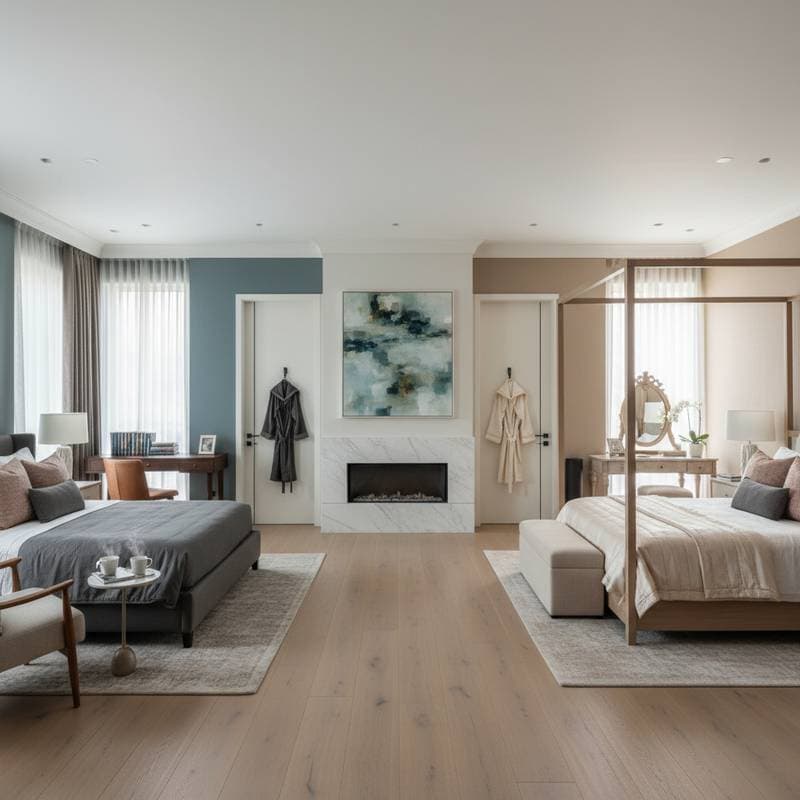
Imagine a couple navigating their upscale residence at the end of a long day. One partner enters a serene space equipped with a sound machine and high-thread-count cotton sheets, while the other retreats to a room illuminated by a warm salt lamp and scented with subtle lavender. They share a brief embrace in the hallway before parting for the night, each anticipating deep, uninterrupted sleep. This scenario represents the evolving concept of sleep divorce, a practice that enhances home architecture without implying relational discord.
Redefining Rest Within Relationships
Historically, separate sleeping arrangements suggested underlying issues in a partnership. Today, they reflect intentional choices rooted in self-care and empathy. Partners recognize that optimal sleep supports emotional stability, communication, and overall well-being. Disruptions such as snoring, differing circadian rhythms, varying body temperatures, or one-sided movements often erode the quality of shared slumber, leading to tension.
Factors Driving the Popularity of Sleep Divorce
Professionals in interior design and health sciences emphasize that sleep divorce preserves relational harmony rather than dismantling it. Chronic sleep loss affects cognitive function, emotional regulation, and immune response, potentially straining even the strongest bonds. By opting for dual master suites, couples invest in sustained vitality and mutual understanding.
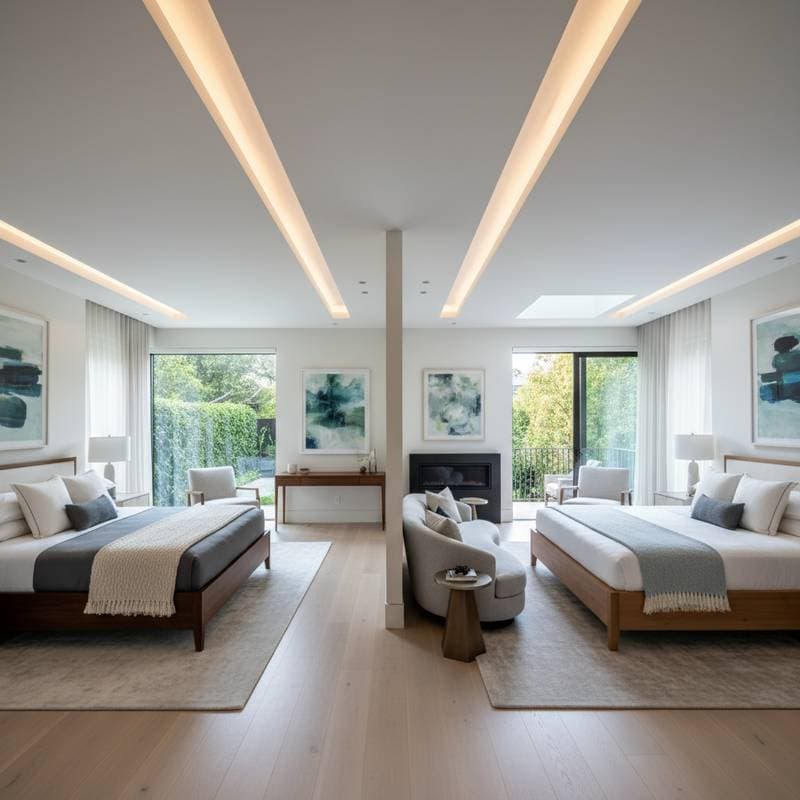
This movement aligns with a larger cultural emphasis on holistic health. Homeowners increasingly customize interiors to support mental and physical wellness, incorporating elements like air-purifying plants in rest areas or dedicated zones for relaxation. Architects and designers note a surge in requests for homes featuring twin primary suites linked by communal features, such as en-suite laundry facilities or cozy lounges that encourage daytime interaction.
Surveys from wellness organizations indicate that up to 30 percent of couples experience sleep incompatibilities, prompting this design shift. In urban settings, where space constraints are common, innovative layouts convert underutilized rooms into secondary sleep havens, blending functionality with elegance.
Tailoring Spaces for Personal Wellness
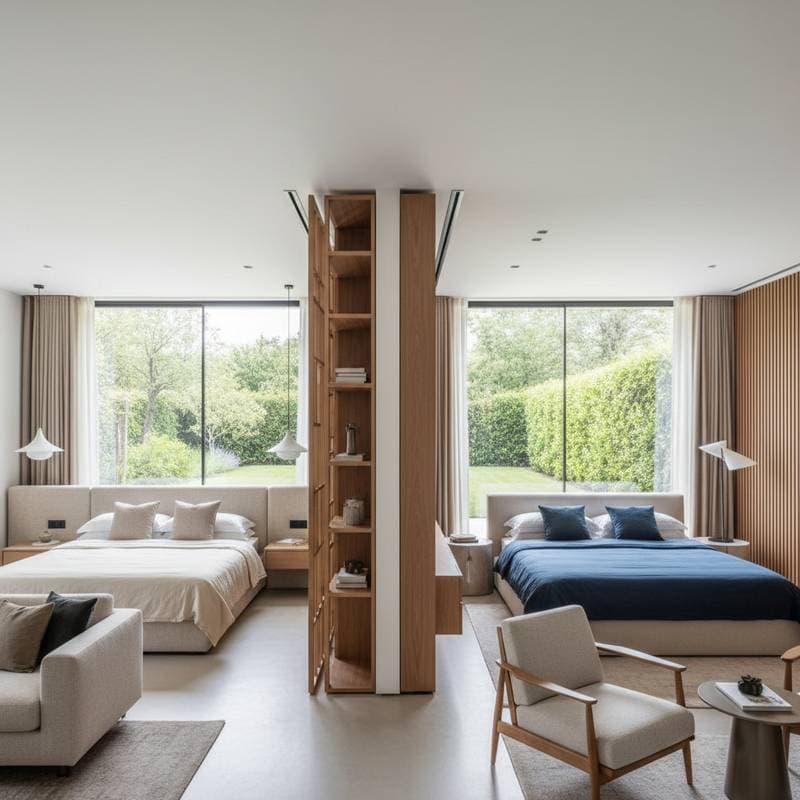
Implementing dual master suites demands thoughtful planning, but it remains accessible beyond expansive estates. Homeowners with modest floor plans can repurpose guest rooms or offices into bespoke sleep zones. Focus on elements that enhance individual preferences while preserving home cohesion.
Consider these strategies for customization:
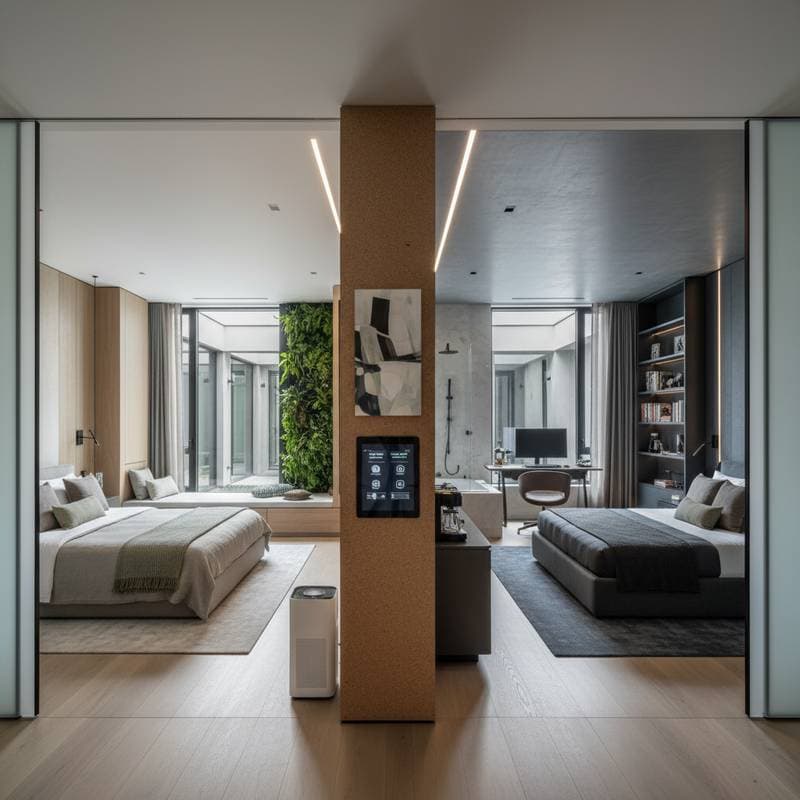
- Install separate climate controls, such as smart thermostats or ceiling fans, to accommodate preferences for cooler or warmer conditions.
- Integrate versatile lighting systems, including dimmable LEDs and task lamps, enabling each occupant to set moods from energizing to soothing.
- Select eco-friendly materials like organic cotton linens, reclaimed wood accents, or non-toxic diffusers to foster a tranquil, allergen-reduced atmosphere.
- Enhance acoustic privacy through wall-mounted panels, thick area rugs, or upholstered headboards, while designing overlapping areas like a shared coffee station for morning rituals.
Balance proves essential; each suite should echo the occupant's style—perhaps one with sleek modern lines and the other with warm, textured layers—yet harmonize with the overall aesthetic.
Navigating Daily Life with Dual Suites
After establishing dual master suites, couples frequently observe improvements that ripple into broader aspects of their lives. Mornings begin with renewed energy, facilitating more productive days and attentive conversations. Eliminating bedtime conflicts frees mental space for meaningful engagements, from shared meals to collaborative hobbies.
This arrangement sparks innovation in habits and aesthetics. Some pairs rotate between suites based on seasonal needs, such as cooler rooms in summer. Others curate contrasting yet complementary themes, like a spa-inspired minimalism alongside a book-lined haven, adapting to evolving tastes.
Long-term residents share stories of heightened intimacy; without sleep-related fatigue, they prioritize quality time, strengthening their partnership through deliberate choices.
Cultivating Lasting Harmony Through Rest
Dual master suites embody a commitment to personal growth alongside shared commitment. They illustrate that true partnership flourishes in both unity and independence, with rest serving as a foundational pillar. Couples who adopt this model often find their connections deepen, proving that thoughtful separation nurtures enduring closeness.
If nightly rest eludes you, explore this design evolution. Transforming sleeping spaces may unlock profound benefits, drawing partners together through the simple power of rejuvenation.