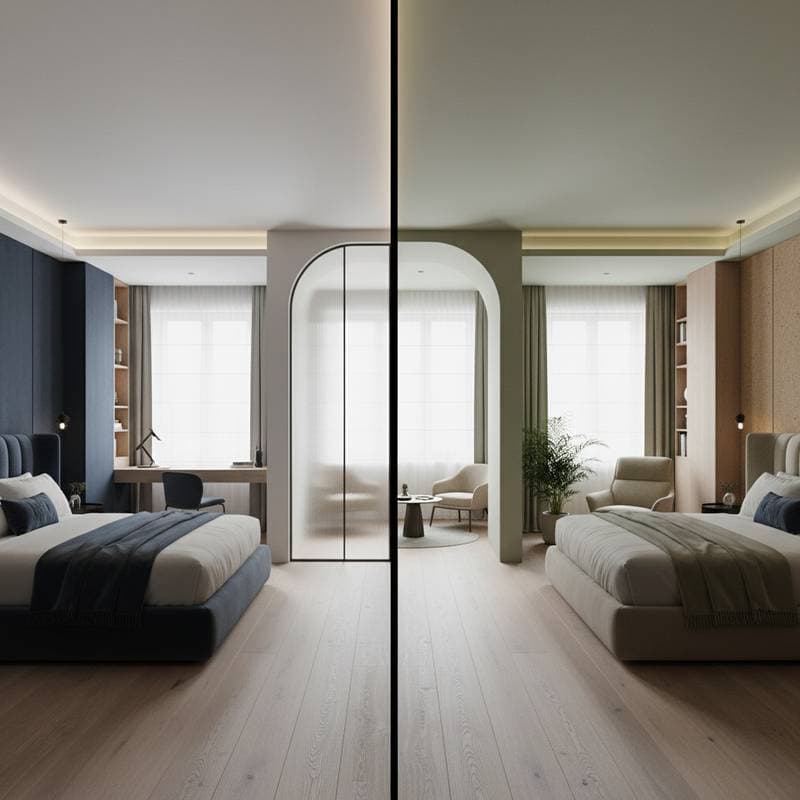
Sleep Divorce: Dual Suites Set to Redefine Homes
The term sleep divorce might suggest tension in a relationship, but it actually offers a practical way for couples to achieve better rest. In modern home design, this practice creates separate sleeping areas that keep partners close during the day while honoring personal sleep preferences. With growing recognition of how poor sleep affects health and harmony, many homeowners now integrate dual primary suites into their homes.
The Honest Truth About Shared Sleep
Shared beds form a common expectation in long-term relationships, but they often interrupt natural sleep rhythms. Partners face challenges from mismatched schedules, snoring, or differing temperature needs, which result in ongoing tiredness and less positive interactions during the day. Studies show that consistent, quality sleep builds emotional strength and improves dialogue, so addressing these issues supports both individuals.
Why Sleep Divorce is Gaining Ground
Sleep divorce appeals to couples because it respects the need for seven to nine hours of uninterrupted sleep each night, a target that shared beds frequently miss. When each partner gets sufficient rest, they experience greater patience and understanding, turning everyday frustrations into chances for connection. This practice fits into larger trends that value customized living spaces for wellness.
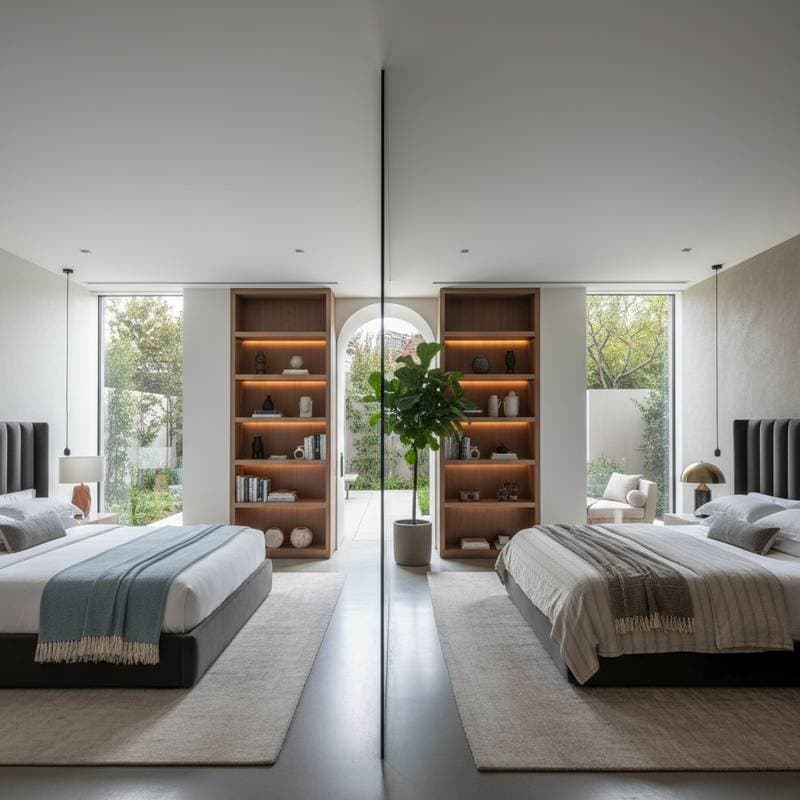
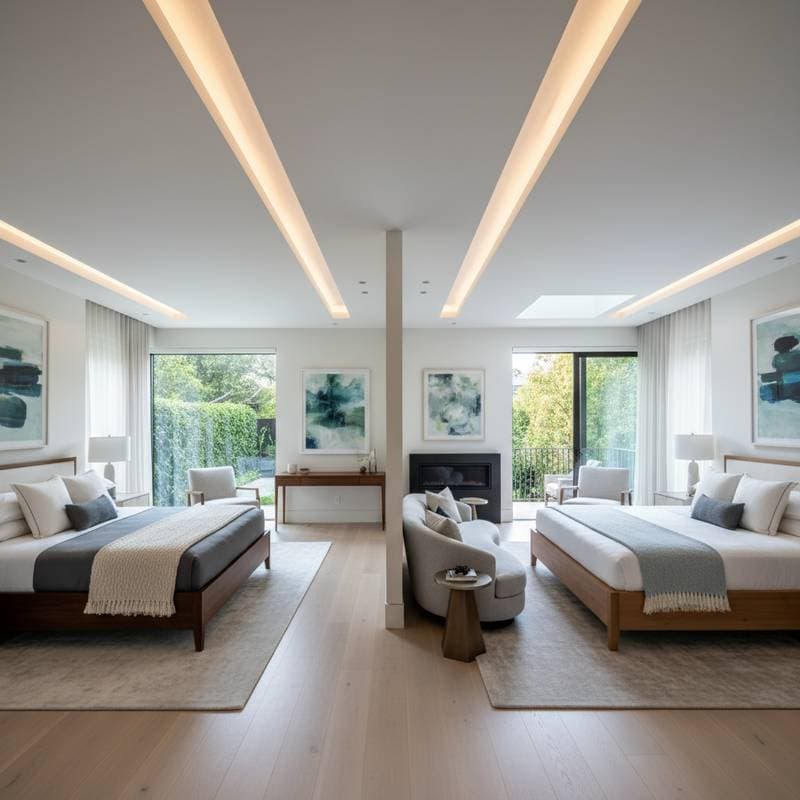
Home builders increasingly provide floor plans with dual primary suites, which include two bedrooms with private bathrooms linked by a common lounge or corridor. These layouts suit diverse routines, such as those of shift workers or people managing sleep apnea, while keeping daily life connected. For example, shared morning spaces allow routines to intersect naturally, balancing solitude and togetherness.
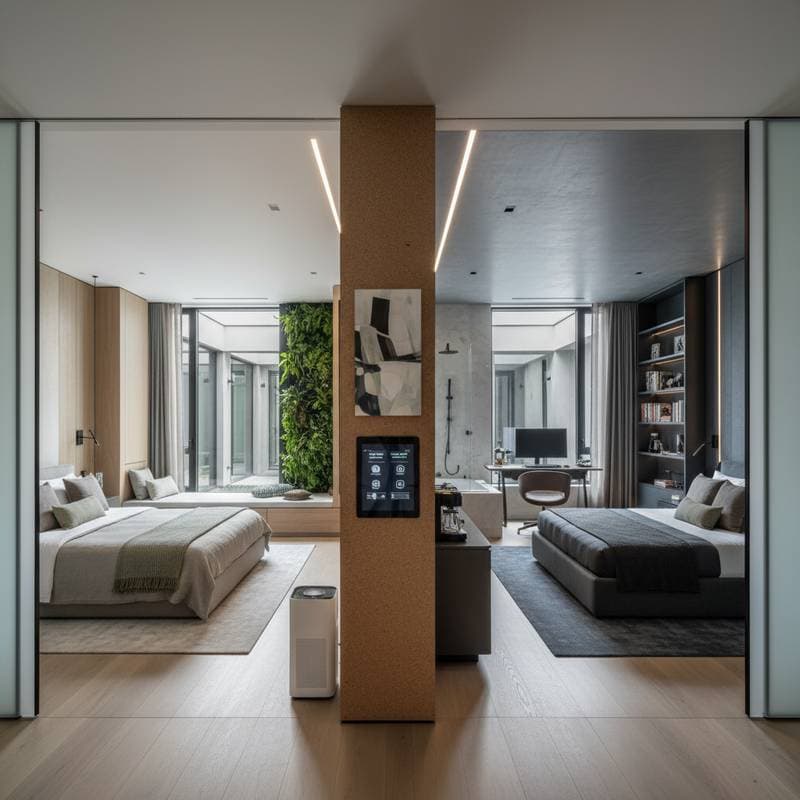
Recent market trends reveal a 20 percent rise in requests for adaptable bedroom setups over the last year, fueled by heightened health awareness since the pandemic. Architects suggest adding soundproofing, such as acoustic wall panels, and individual climate systems to refine each area. These features boost comfort levels and reflect a commitment to nurturing relationships through smart design.
Insights from Home Design Professionals
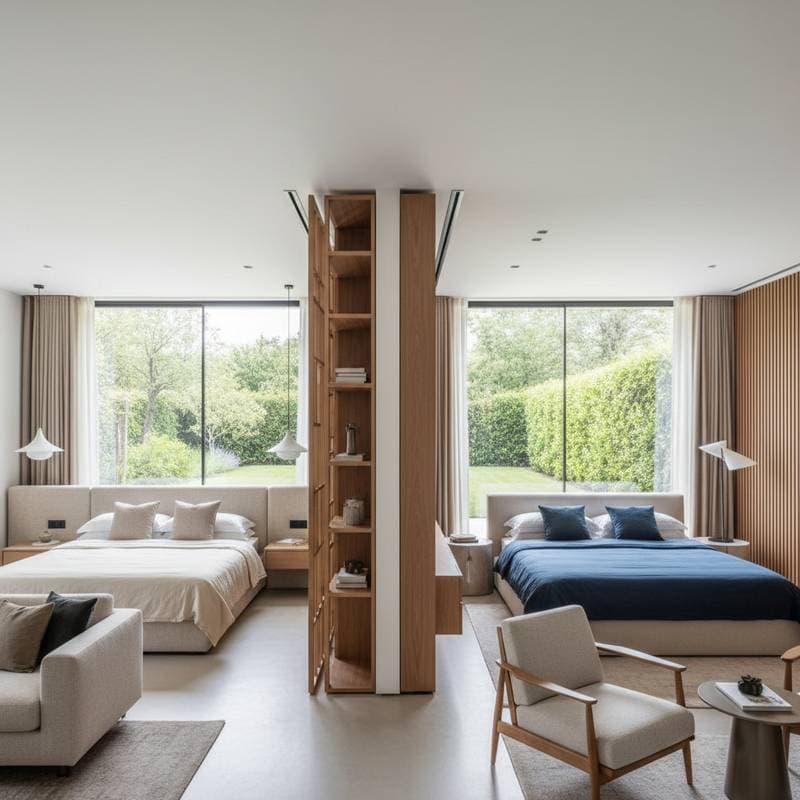
Design experts report more demands for bedroom arrangements that feel intentional rather than improvised. Dual suites blend smoothly with consistent elements like similar wood finishes or artwork that bridges the spaces, creating a cohesive feel. This approach emphasizes togetherness and avoids any sense of separation.
One effective configuration places a cozy reading corner in one suite for late-night relaxation, paired with dimmable lights in the other for early awakenings. Homeowners often choose modular pieces, like movable nightstands, to adapt as preferences shift over time. These choices make separate areas feel like natural parts of a unified home.
In real projects, people convert spare rooms into personal sanctuaries with premium linens and aromatherapy diffusers to promote calm. These enhancements create inviting environments that encourage consistent use. Ultimately, such details improve how the entire home serves daily needs.
Implementing Sleep Divorce Effectively
Moving to separate sleep spaces demands careful planning to protect emotional closeness. Start with honest conversations about sleep habits, noting specific issues like sensitivity to noise or tossing and turning. Set clear routines, such as shared coffee sessions each morning, to reinforce daily bonds.
For budget-conscious couples, simple fixes work well. Use white noise machines to drown out sounds in a shared room, or try foam bed dividers for a trial separation. Monitor progress with a two-week sleep diary to measure gains in alertness and outlook.
For lasting updates, work with architects to refine layouts for easy movement and access. Focus on essentials like en-suite bathrooms and built-in closets to enable self-sufficiency. Pairs who treat this as a joint effort often find fresh energy in their relationship.
- Review sleep patterns together using a joint journal to identify key problems.
- Select adaptable bedding, including gel-infused pillows or breathable fabrics.
- Create shared zones for evening wind-downs to keep intimacy alive.
- Plan regular reviews to tweak setups based on changing routines.
- Consider consultations with sleep specialists for any medical sleep concerns.
Building Stronger Bonds Through Better Rest
Choosing sleep divorce demonstrates thoughtful attention to individual and mutual health, not a sign of trouble. Contemporary homes adapt to real-life rhythms, positioning quality rest as essential for lasting balance. Couples who adopt this strategy often describe richer interactions during waking hours, proving that nighttime distance enhances daytime closeness.