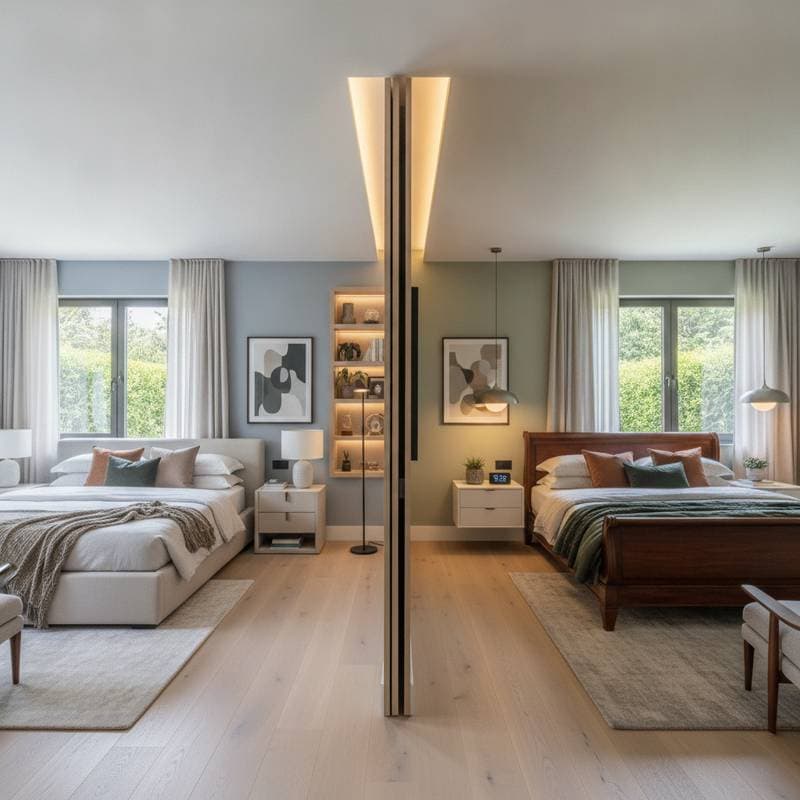
Color-Blocking Bedrooms: The Rise of Dopamine Decor
Imagine awakening in a bedroom where a coral wall meets a band of soft pink, a stripe of sunny yellow leads to a deep blue ceiling, and an immediate sense of uplift washes over you. This effect stems from dopamine decor, a trend that applies color as a tool for emotional well-being and positions the bedroom as a canvas for personal expression.
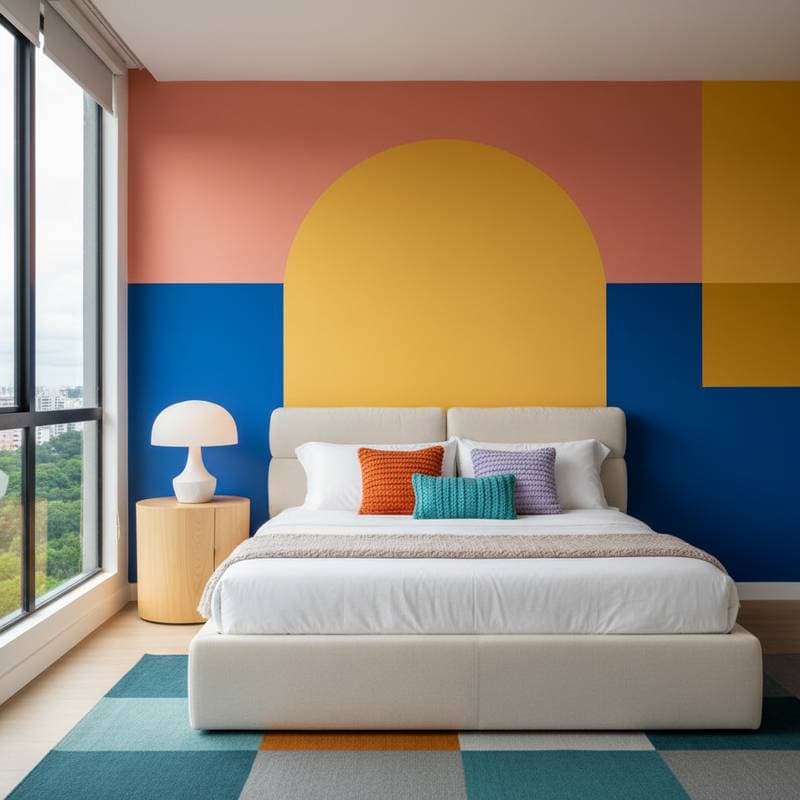
Color-blocking in bedrooms represents a key evolution in this trend. It converts plain surfaces into striking visual elements and infuses daily routines with positivity. The technique involves applying large blocks of contrasting or harmonious colors in geometric patterns to generate joy and vitality. This approach creates immersive art that enhances living spaces and gains widespread popularity.
Understanding Color's Impact on Mood
Selecting a Palette for Emotional Enhancement
Tailor your color palette to desired emotional outcomes in a dopamine-inspired bedroom. Consider whether the goal involves serenity and stability or dynamism and motivation. This focus directs specific color combinations.
Consider these mood-oriented options:
- For energy and playfulness: Pair tangerine with turquoise or hot pink with bright yellow.
- For calm and equilibrium: Merge soft sage with cream or dusty blue with pale rose.
- For inspiration and creativity: Mix lilac with citrus orange or emerald green with blush pink.
Opt for saturated yet non-garish tones to build interest without disorder. Incorporate neutral elements in flooring or linens to provide visual respite, particularly with intense wall treatments.
Techniques for Effective Color-Blocking
Master color-blocking through attention to form, proportion, and bold execution. Identify focal areas, such as the wall behind the bed, to serve as a colorful backdrop that mimics a custom headboard.
Follow this step-by-step process for layout design:
- Outline the design: Sketch the wall on paper or apply painter's tape to outline sections in place.
- Select geometric forms: Horizontal stripes extend perceived room length and foster tranquility. Diagonal sections introduce dynamism. Vertical splits convey structure and contemporaneity.
- Sample color interactions: Apply small test patches adjacent to one another. Observe variations under morning and evening light.
- Apply paint accurately: Employ high-quality tape and peel it away while paint remains tacky for sharp boundaries.
- Incorporate varied textures: After painting, integrate fabrics like linen drapes, woven storage, or velvet pillows that reflect palette colors.
These layers add depth and sensory appeal, essential for a restful bedroom environment.
Implementing Color-Blocking Without Painting
Achieve color-blocking effects through non-permanent methods using furnishings and accents. Position the bed as the central color element and extend from there.
- Bedding arrangements: Stack quilts or covers in solid, opposing shades, such as deep plum over light peach.
- Furniture selections: Place a deep blue dresser next to a coral armchair for dynamic contrast.
- Floor coverings and window treatments: Select solid rugs or curtains that segment the space visually. A prominent rug establishes the overall scheme.
- Wall art and illumination: Use oversized monochromatic prints or lampshades in matching tones to reinforce the palette.
This method suits tenants or those preferring flexibility, allowing full participation in dopamine decor via adaptable pieces.
Harmonizing Colors with Natural Light
Contrast defines color-blocking, but cohesion arises from light dynamics. Daylight alters hue perception across the day. South-oriented rooms intensify warm colors, while north-facing ones temper them. Assess light patterns in your space and refine choices accordingly.
In low-light areas, include mirrors or sheen finishes to distribute illumination. Supplement with warm-toned bulbs to sustain vibrancy. Light elevates colors from mere application to evocative experiences.
Choosing Eco-Conscious Paints
Align dopamine decor's optimistic ethos with sustainable practices. Seek low-VOC or zero-VOC paints to minimize emissions. Options with plant-derived pigments or recycled packaging lessen ecological footprints and improve air quality.
For hands-on projects, prepare natural paints from milk proteins or chalk bases. These yield matte finishes that complement geometric boldness. Test mixtures on inconspicuous surfaces to evaluate adhesion and appearance.
Infusing Personal Narratives into Colors
Authentic joy emerges when colors reflect individual experiences. Select teal for coastal memories or gold for cherished dawn moments. Personal ties elevate the space beyond trends into meaningful design.
Integrate stories by aligning color bands with mementos. Apply a base shade evoking a travel spot, then display related images above. This method anchors the room in personal history and passions.
Sustaining and Evolving Your Design
A finished color-blocked bedroom delivers visual and psychological benefits, often leading to heightened creativity and ease. Preserve equilibrium by updating accents with seasons, such as changing pillow fabrics or repositioning art.
Embrace ongoing adaptation to reflect shifting moods. This keeps the bedroom as an active, evolving space where design supports well-being.