Key Points
- UV-C light employs ultraviolet radiation to inactivate airborne pathogens like bacteria, mold spores, and viruses by disrupting their DNA or RNA structures.
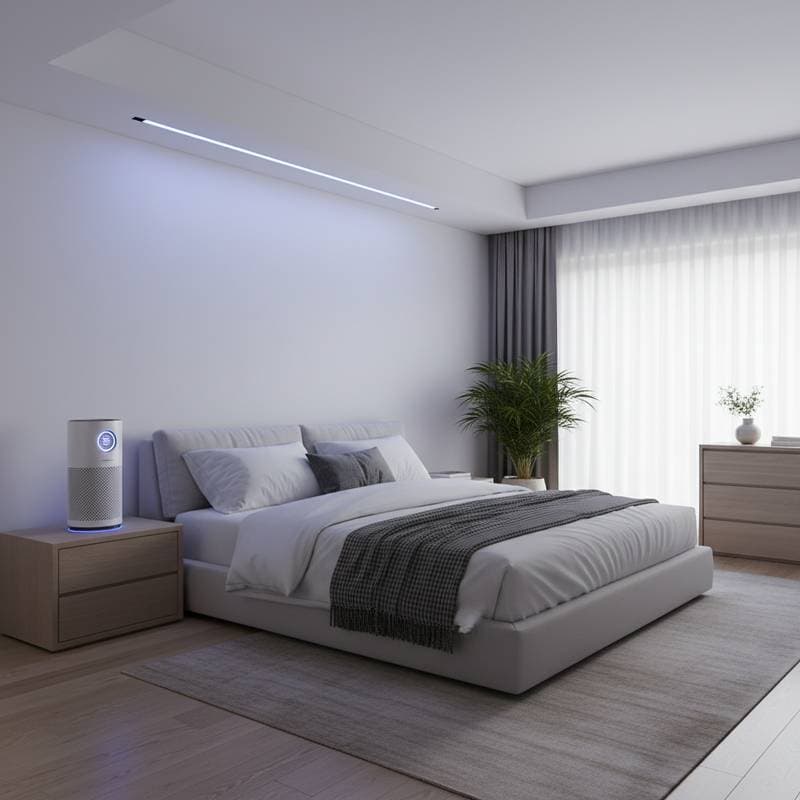
- Bedroom air purification with UV-C technology diminishes allergens, elevates sleep quality, and lowers respiratory irritation risks.
- Safety hinges on enclosed or shielded systems that block direct skin or eye exposure.
- Integration choices encompass standalone purifiers with UV-C lamps, HVAC-integrated units, and small bedside devices.
- Maintenance involves regular bulb changes, dust control, and performance checks.
Technical Background: How UV-C Light Purifies Air
Ultraviolet radiation splits into UV-A, UV-B, and UV-C categories. UV-C possesses the shortest wavelength and greatest energy, allowing it to sever molecular bonds in microorganisms' genetic material. Exposure to UV-C damages the DNA or RNA of airborne bacteria and viruses, halting reproduction and rendering them harmless against infection.
Assessment: Determining Whether UV-C Purification Fits Your Bedroom
Homeowners must weigh environmental and health aspects before adopting UV-C systems.
- Allergy or asthma symptoms: Ongoing congestion, sneezing, or nighttime coughing signals suboptimal air quality.
- Humidity levels: High moisture fosters mold, which UV-C counters best alongside dehumidifiers.
- Ventilation patterns: Rooms with poor airflow or closed windows retain contaminants, benefiting from UV-C treatment.
- Existing filtration: Add UV-C to current purifiers for better microbial management without full replacement.
Inspect vents, filters, and seals for circulation issues. Persistent dust or odors post-cleaning suggest biological issues, where UV-C proves valuable.
Planning Phase: Tools, Materials, and Safety Considerations
UV-C purifier setup demands technical precision and safety focus. This checklist aids preparation:
Materials and Tools
- UV-C air purifier or HVAC UV-C module
- Specified replacement bulbs from the manufacturer
- Screwdriver set for panel access
- Microfiber cloths for gentle cleaning
- HEPA filter spares if filtration is included
- Gloves and safety glasses for handling tasks
Safety Protocols
- Avoid direct skin or eye contact with unshielded UV-C.
- Power off the unit before any cleaning or bulb work.
- Confirm housing integrity and secure seals.
- Place portable units outside direct sleeping sightlines.
Contemporary UV-C units feature shutoff mechanisms or solid casings to avert exposure. Select models with these safeguards for bedroom safety.
Implementation: Step-by-Step Installation and Use
1. Identify the Appropriate System Type
Bedrooms suit portable purifiers or HVAC-mounted UV-C units. Portables install simply without duct changes; HVAC options purify whole-home air but need expert setup.
2. Select the Correct Placement
Position portables centrally or bedside for strong circulation. Steer clear of corners or furniture-blocked spots. Allow two feet around vents for airflow.
3. Prepare the Area
Disconnect nearby devices and secure a stable surface. Clear dust nearby to avoid initial contamination.
4. Install Filters and Bulbs
Adhere to instructions. Secure HEPA or carbon filters firmly. Use gloves on UV-C bulbs to avoid oil residue that cuts lifespan.
5. Power and Initial Operation
Connect to a grounded outlet post-assembly. Operate at medium speed for hours to settle airflow. Opt for timers or sleep modes that quiet fans at night.
6. Monitor Performance
Expect less dust and fresher air after nights of use. Employ particle meters or air quality tools to confirm dropping particle levels.
Quality Assurance: Verifying Effective Purification
Assurance combines testing and upkeep records.
- Airflow Testing: Check for blockages; hold tissue to intake for suction proof.
- Bulb Verification: Invisible UV-C means no glow check; replace per schedule, often after thousands of hours.
- Filter Inspections: Swap HEPA or carbon filters every few months to sustain flow and block microbes.
- Noise and Vibration Check: Rattles signal debris or imbalance; address promptly.
Log checks to monitor and sustain efficacy.
Maintenance: Sustaining Long-Term Air Quality
Routine care keeps UV-C systems potent. Dust on components hampers radiation and flow.
Weekly Tasks
- Dust exteriors with dry microfiber.
- Clear intake and exhaust paths.
Monthly Tasks
- Examine filters for stains or smells.
- Note indicator lights for bulb needs.
Annual Tasks
- Swap UV-C bulbs per guidelines; output fades despite light.
- Deep clean housing and fans.
Building a Comprehensive Air Quality Approach with UV-C
UV-C delivers strong antimicrobial gains yet thrives in a full strategy. Merge it with ventilation, cleaning, and moisture management for respiratory support and sound sleep.
Complementary Practices
- Ventilation: Crack windows for air exchange when conditions allow.
- Bedding Hygiene: Launder sheets and cases in hot water weekly against allergens.
- Dust Management: Vacuum with HEPA and wipe damp to trap particles.
- Humidity Control: Deploy dehumidifiers against rising damp or mold scents.
Evaluating Professional Assistance
DIY suits portables for those handy with electrics. HVAC installs demand certified pros for wiring, balance, and code adherence.
Long-Term Benefits
Maintained UV-C yields cleaner air plus reports of eased snoring, fewer headaches, and reduced furniture dust. It cuts HVAC upkeep by curbing microbial growth, yielding health and ease dividends.