Key Points
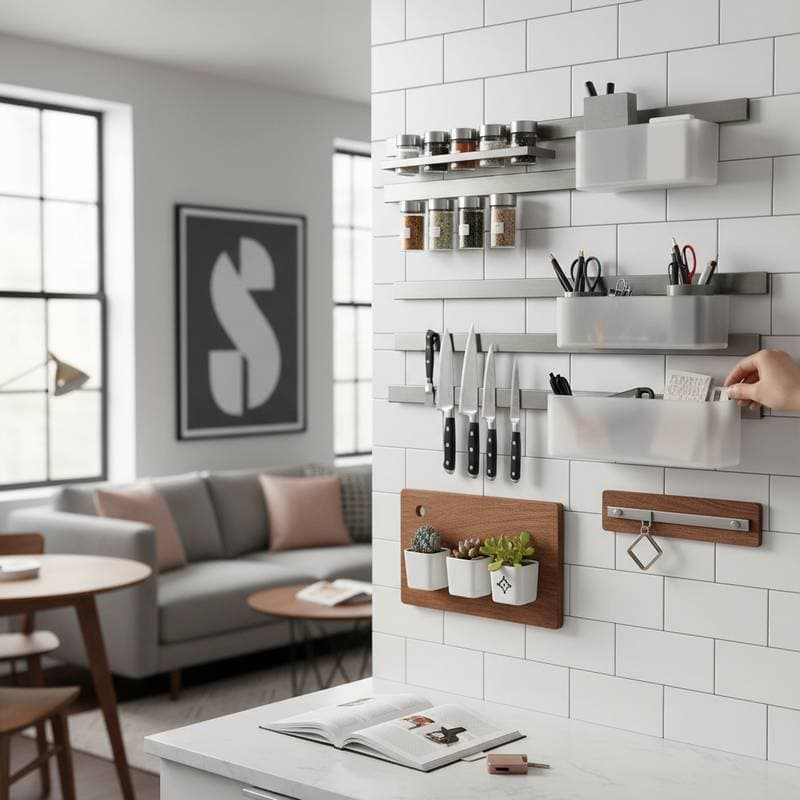
The viral TikTok magnetic decluttering trend provides a practical, inexpensive method to organize homes through magnetic storage and display systems.
This approach merges minimalist design principles with effective organization strategies, maintaining tidiness in compact areas without extensive renovations.
Such systems appeal to renters and homeowners seeking non-permanent options that deliver a polished, professional appearance.
Installation proves safe for most DIY participants, though caution remains essential when applying magnets to painted or metal surfaces to prevent damage.
A limited budget paired with fundamental tools allows transformation of disorganized zones into streamlined, clutter-free environments that embody traditional craftsmanship alongside contemporary simplicity.
When to DIY vs Hire a Professional
- Securing magnetic strips for knives, tools, or utensils.
- Assembling magnetic spice racks or makeup organizers.
- Adapting metal sheets into boards that serve both decorative and functional purposes.
Hire a professional if:
- Installation involves tile, glass, or premium cabinetry.
- Custom metal fabrication or integrated lighting enters the scope.
- Built-in systems necessitate structural anchoring.
For the majority of homeowners, the DIY method suffices completely. Success hinges on meticulous work, double-checking measurements, and selecting durable hardware capable of supporting the planned weight.
Step-by-Step Process
1. Plan Your Layout
Prior to any drilling or adhesion, dedicate time to planning. Pinpoint clutter-prone spots, including kitchen counters, bathroom vanities, or workbench areas. Draft a preliminary sketch indicating positions for each magnetic component.
Assess wall dimensions and inspect adjacent surfaces for potential magnetic interference, such as dense tile or substantial plaster layers.
2. Choose the Right Magnet Type
Magnets vary significantly in performance. Opt for neodymium varieties to secure heavier items like tools or kitchen knives, as they deliver robust hold in compact forms. Ferrite magnets or magnetic tape adequately manage lighter objects, such as accessories or documents.
In moist or humid environments, select corrosion-resistant options or apply a sealant coating to extend durability.
3. Prepare the Surface
Thoroughly cleanse the wall or mounting area to eliminate grease, dust, or residue. A pristine surface promotes superior adhesion and minimizes slippage risks over time.
When drilling into drywall, identify studs and note their locations. For adhesive applications, trial a modest area to verify the tape or glue's reliability.
4. Mount the Magnetic Strips or Boards
Align the magnetic strip or board per the planned design. Employ a level for straightness, then indicate positions for drill holes or adhesive.
With screw-mounted options, create pilot holes before inserting wall anchors or fastening into studs. For adhesive types, press firmly for a minimum of one minute to establish a secure attachment.
Post-installation, verify stability by attaching a lightweight item prior to loading heavier ones. This step confirms adequacy of hold and positioning.
5. Organize Your Items
Categorize items by similarity. In kitchens, arrange knives and utensils according to size and purpose. Workshops benefit from tool placement based on usage frequency. Bathrooms or offices accommodate magnetic holders for essentials like cotton swabs, clips, or pens.
Creativity enhances functionality here. Enclose the magnetic zone with wooden trim for a classic finish, or accentuate it by painting the surrounding wall in a complementary hue.
6. Evaluate and Adjust
After one or two days of utilization, assess system performance. Reposition items as needed, or upgrade magnets for demanding loads.
The trend's appeal lies in its adaptability. Modifications occur with ease, and expansions integrate seamlessly without disruptive alterations.
Budget Conscious Alternatives
Tight budgets accommodate several economical strategies that achieve refined outcomes:
- Repurpose Materials: Transform outdated baking sheets or reclaimed metal sheets into wall-affixed magnetic boards.
- Use Paint-on Magnetic Primer: Apply this to generate magnetic sections straight onto drywall, bypassing the need for additional panels.
- Buy in Bulk: Acquire magnet multi-packs at reduced rates to facilitate trials in various rooms without excess cost.
- DIY Containers: Affix small tin cans or reused jars via magnetic bases, yielding storage with a rustic, orderly charm.
These techniques echo the resourceful ethos valued by many DIY practitioners, emphasizing ingenuity over costly equipment.
Pro Tips for Success
- Start Small: Initiate in a single zone to test and perfect design elements and magnet capacities.
- Stay Consistent: Maintain uniform materials and finishes across the residence for visual harmony.
- Label Strategically: In workshops or pantries, apply labels to containers or sections to sustain order.
- Combine Systems: Integrate magnetic storage with pegboards or shelves for comprehensive organization.
- Avoid Overloading: Refrain from excessive loading on any strip. Magnets possess defined capacities, and overloads compromise adhesives or distort metal.
A methodical process yields a home that operates with greater efficiency and cleanliness, showcasing skilled design and practical execution.
Building on Your Skills
Magnetic decluttering extends beyond fleeting popularity. It serves as an accessible entry to enhanced home management, honoring fiscal limits and artisanal quality.
Construct a bespoke wooden enclosure for the magnetic board, or embed panels within cabinet doors for concealed storage. Blend age-old woodworking methods with innovative substances to innovate further.
A decluttered environment transcends aesthetics. It fosters improved daily routines and productivity through thoughtful innovation.