Introduction to Hidden Storage
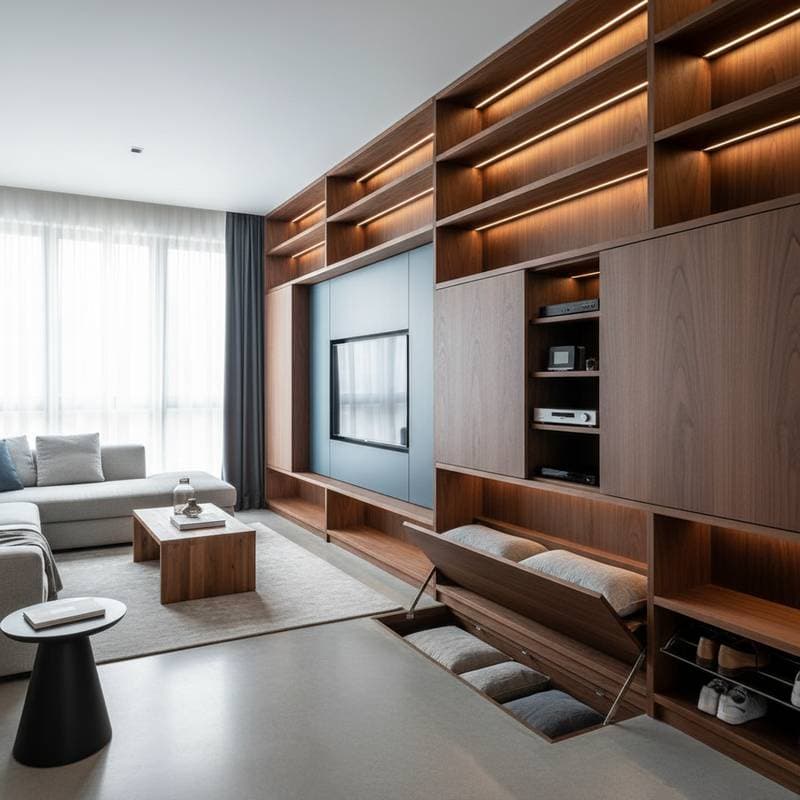
Hidden storage transforms everyday spaces by concealing items without sacrificing aesthetics. These solutions address the common challenge of visual clutter, which affects focus and well-being in homes. By integrating storage into existing structures, individuals achieve a streamlined environment that feels both spacious and intentional.
Professionals in interior design emphasize that effective hidden storage requires careful planning to ensure safety and longevity. This approach not only organizes belongings but also enhances the overall flow of living areas. Readers will find practical strategies to implement these ideas, starting with basic assessments.
Identifying Unused Areas for Storage
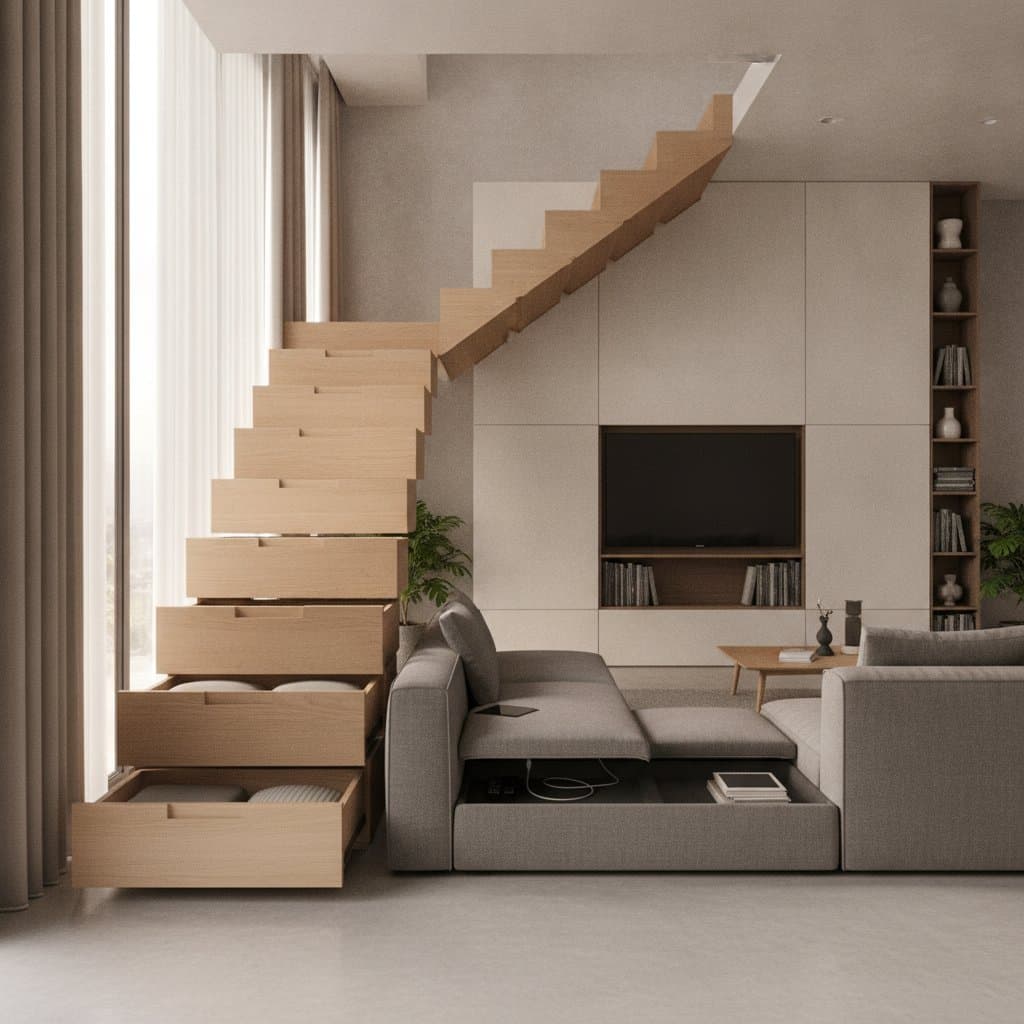
Begin by surveying rooms for potential storage opportunities. Look for underutilized zones such as behind baseboards, within staircase voids, or beneath built-in benches. These areas often go unnoticed yet offer substantial capacity for items like seasonal clothing or tools.
Planning Safe Installations
Develop a detailed blueprint before any construction. Sketch compartments with precise measurements and material lists. Factor in access mechanisms, such as push-to-open panels or sliding doors, to ensure ease of use.
Select durable materials like plywood for interiors and matching veneers for exteriors to blend seamlessly. In humid areas, opt for moisture-resistant options to safeguard contents. Budget for hardware that supports weight without sagging over time.
Professional input proves valuable for complex projects. Hire contractors experienced in custom cabinetry to handle reinforcements. This step minimizes risks and guarantees compliance with safety standards.
Implementing Storage in Walls, Furniture, and Floors
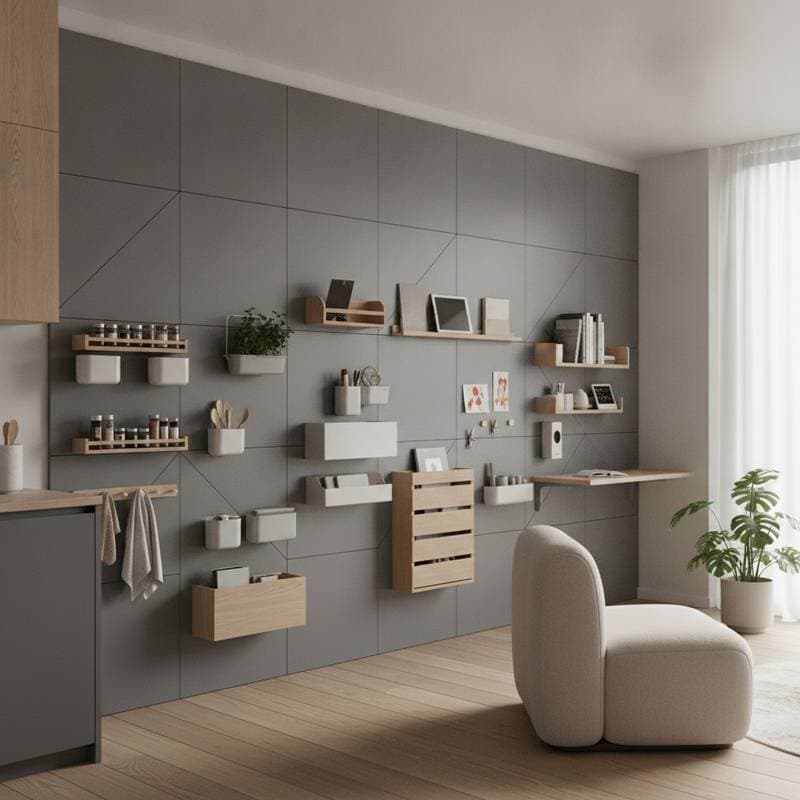
Wall installations provide versatile options for vertical space utilization. Cut panels into drywall to create niches, then frame with studs for stability. Cover with artwork or mirrors to maintain visual continuity.
Furniture modifications expand existing pieces. Hollow out ottomans or bookcases to form secret drawers. Reinforce bases to handle added loads, and align tracks for silent operation.
Floor-based solutions suit basements or attics. Lift sections of flooring to access subfloor compartments, securing lids with subtle hinges. Ensure even weight distribution to avoid floor damage.
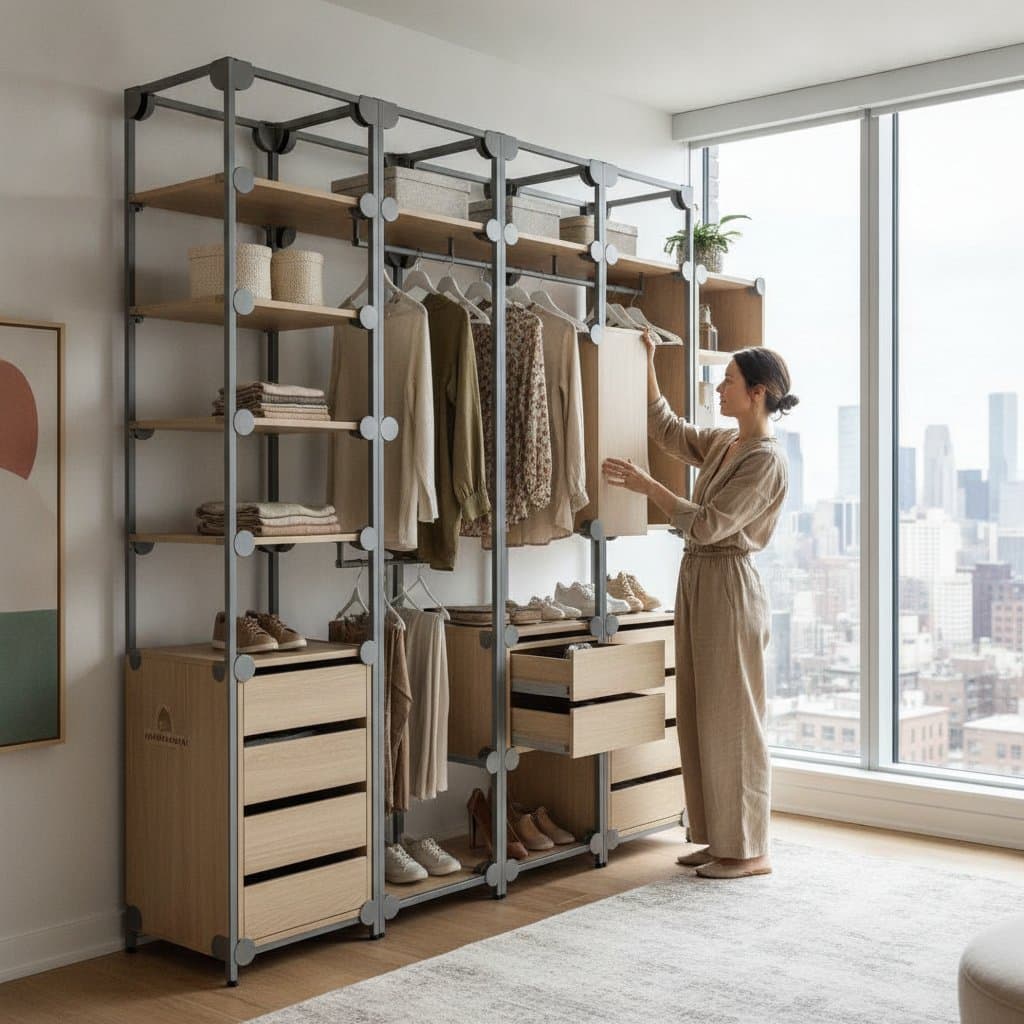
DIY enthusiasts can start with simple projects, like adding shelves behind closet doors. Gather tools such as levels and drills for precise work. Test stability after assembly to confirm reliability.
Maintenance for Longevity
Regular upkeep preserves the functionality of hidden storage. Schedule annual inspections to address wear and tear.
- Lubricate hinges and slides annually with silicone-based products.
- Check magnetic latches for alignment and strength.
- Tighten screws or fasteners that may shift with vibration.
- Clean interior surfaces to prevent dust accumulation.
- Touch up paint or finish as needed to preserve concealment.
For concealed drawers near moisture sources like kitchens or bathrooms, inspect seals and materials for swelling or mold. Replace compromised components promptly to avoid further issues.
Pro Tips for Success
Small refinements can elevate hidden storage projects from functional to exceptional.
- Blend with Texture: Use textured wall panels or shiplap to disguise seams effectively.
- Plan for Ventilation: Large enclosed spaces benefit from small vents to prevent musty odors.
- Test Before Final Finishing: Confirm smooth function before applying paint or trim.
- Label Hidden Zones in a Private Record: Maintain a discreet diagram for your reference.
- Combine Functions: Integrate charging outlets or lighting inside compartments for added convenience.
These refinements enhance usability and maintain the illusion of seamless design.
Achieving Lasting Organization
Hidden compartments represent a balance between craftsmanship and creativity. They provide order without visible clutter and deliver a sense of control over your environment.
Over time, these concealed spaces not only improve organization but also contribute to a calmer living atmosphere. Whether tucked beneath a staircase or behind a framed mirror, each hidden compartment tells a quiet story of thoughtful design and intentional living.