AI-Powered Apps That Declutter Your Home in Hours
Home organization often feels overwhelming, especially for families navigating busy schedules and accumulating belongings over time. Relocating from a bustling city apartment to a quieter countryside home highlights how quickly spaces fill up again. AI-powered tools address this challenge by streamlining the process, shifting from chaotic accumulation to efficient order without the need for exhaustive weekends of sorting.
These applications leverage advanced technology to provide practical assistance, making decluttering accessible and effective. They focus on real-world application rather than complex gadgets, helping users achieve lasting calm in their living environments.
Key Benefits of AI Decluttering Tools
- AI applications examine possessions through scans or inventories to recommend retention, disposal, or donation based on usage patterns.
Customized organization systems adapt to diverse family dynamics and personal preferences.
Digital management features organize photos, files, and communications to prevent virtual overload.
Integration with smart home devices monitors supplies and issues timely reminders for restocking or recycling.
Transformations occur rapidly, often completing major tasks in hours rather than days.
Sustainable habits emerge as tools learn from user behavior, reducing future buildup.
The Mechanics of AI Decluttering Applications
AI home management tools employ machine learning algorithms to observe daily habits and spatial layouts. Users upload room photographs or compile item lists, allowing the software to detect redundancies and propose actions grounded in practical utility. Connections to resale platforms or recycling services further simplify the handover of unwanted items.
Consider an application that utilizes image recognition for pantry organization. A quick photo upload results in automatic sorting of categories such as canned goods, grains, and perishables. The tool flags items nearing expiration and suggests recipes to utilize them, preventing waste.
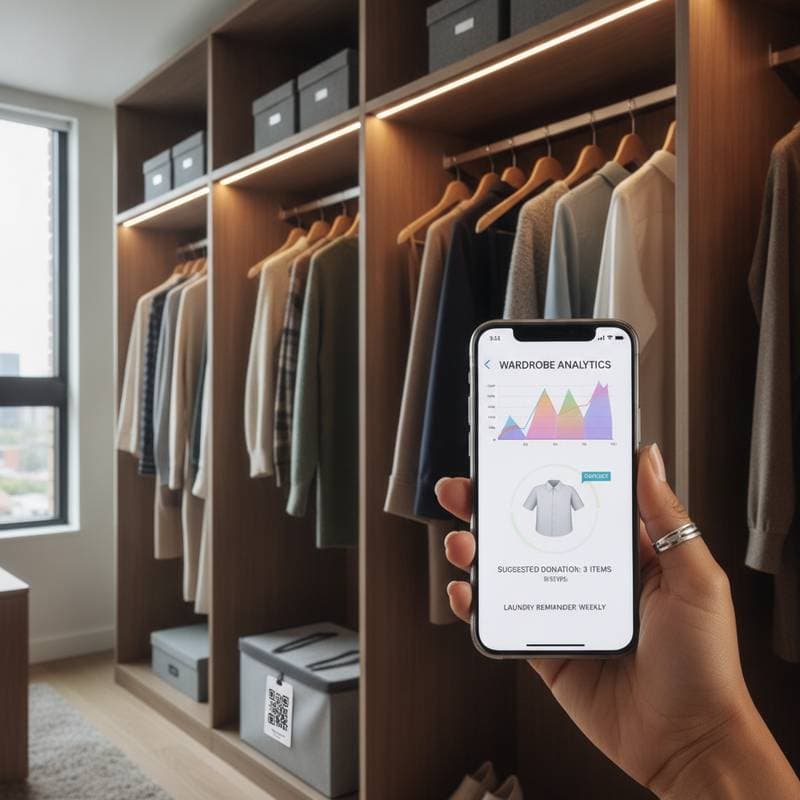
Wardrobe management represents another key area. By tracking garment wear through connected devices or manual inputs, the app identifies underused pieces and curates efficient outfits. During a recent family relocation, such features enabled a structured approach: items designated for keeping, storage, or donation within a short session. Even children participated via interactive elements that turned sorting into an engaging activity.
Addressing Digital Overload
Physical clutter garners attention, yet digital disarray poses an equally significant drain on focus. Vast collections of emails, redundant images, and disorganized documents accumulate silently, sapping productivity. AI solutions tackle this by applying sophisticated sorting techniques to create orderly digital ecosystems.
One effective tool clusters similar photographs, removes low-quality duplicates, and assembles thematic collections like vacation highlights. Email management applications, powered by natural language processing, prioritize messages by relevance and automate unsubscriptions from irrelevant subscriptions. For parents balancing administrative tasks, professional updates, and personal records, these automations restore clarity and ease.
True digital minimalism prioritizes intentional curation over wholesale elimination. It ensures devices enhance daily life, serving as supportive allies rather than sources of distraction.
Sustaining Organization Through Adaptive Technology
Decluttering marks the beginning; ongoing maintenance solidifies the gains. AI tools monitor evolving patterns, refining suggestions as family needs shift or routines adjust. This adaptability ensures systems remain relevant amid life's changes.
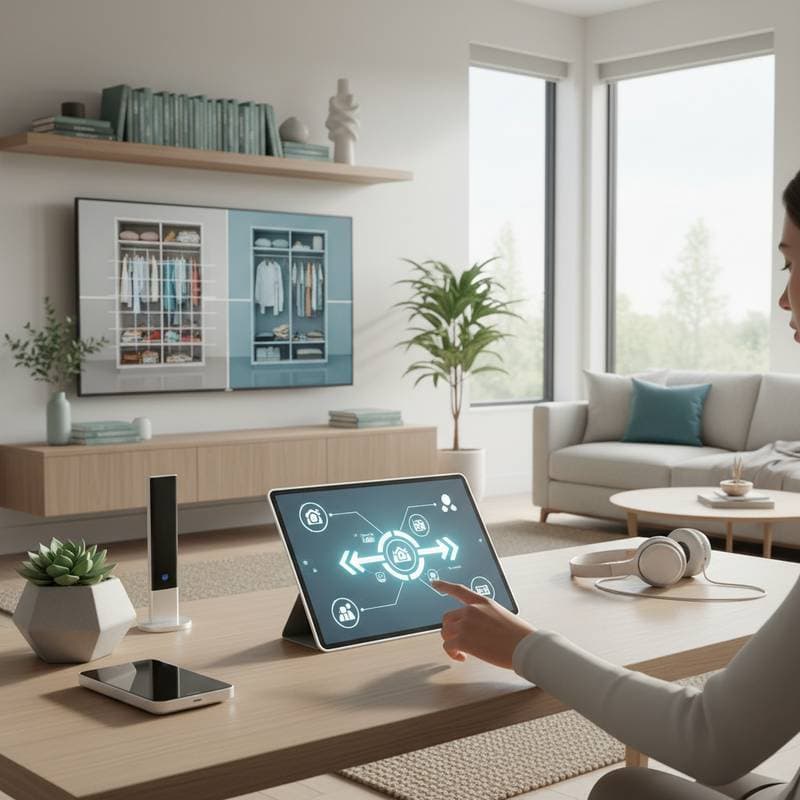
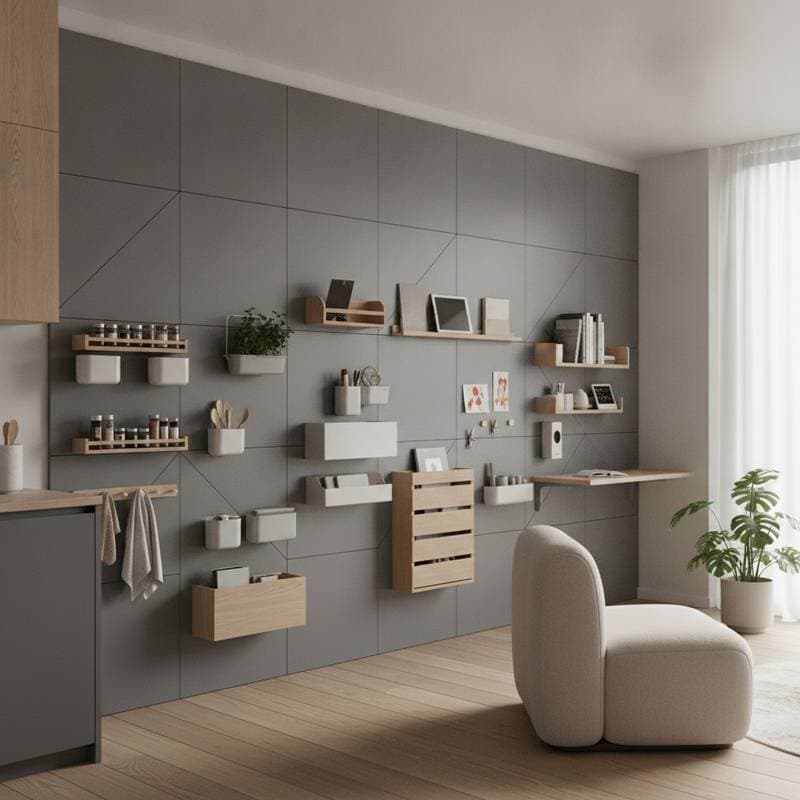
Smart home integrations extend these benefits. Sensors track household inventory, alerting users to low supplies or recycling opportunities. Kitchen organization, for instance, might involve apps that reorder staples based on consumption data, while bedroom setups optimize storage for seasonal items.
Users report a profound sense of relief upon entering streamlined areas or navigating tidy digital libraries. The underlying technology operates seamlessly, empowering individuals to focus on meaningful activities without the constant pull of disarray.
Practical Steps to Implement AI Organization
Start by selecting an app suited to primary needs, such as physical sorting or digital cleanup. Begin with a single area, like a closet or email inbox, to build momentum. Input data accurately to train the AI, then follow its guided prompts for decisions.
Incorporate family input to customize systems, ensuring buy-in across the household. Regularly review and update preferences to maintain accuracy. Over time, these habits yield a home that supports well-being, free from the weight of excess.
The Lasting Impact of Efficient Home Management
Embracing AI for organization unlocks more than tidy spaces; it cultivates mental freedom and intentional living. Families discover time for shared moments, pursuits, and rest, unburdened by maintenance tasks. This approach redefines home as a sanctuary, where technology quietly elevates everyday harmony.