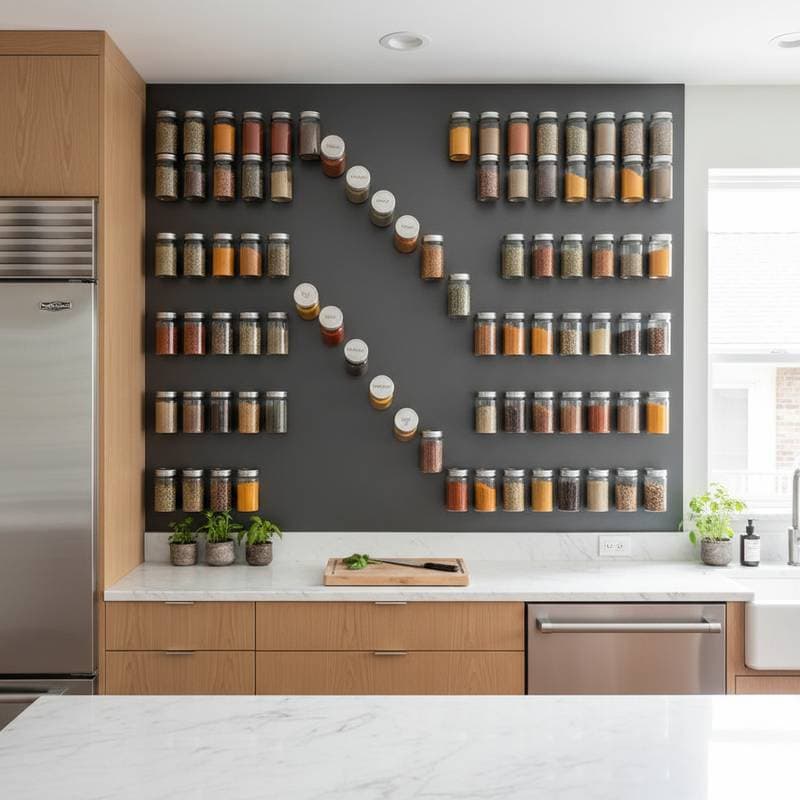
The Appeal of Hidden Storage Furniture
Hidden storage furniture integrates functionality seamlessly into everyday designs, allowing items to vanish without compromising style. These pieces address common household challenges by providing discreet spaces for essentials like remotes, blankets, or toys. By prioritizing utility over ostentation, such furniture fosters environments that support relaxation and efficiency.
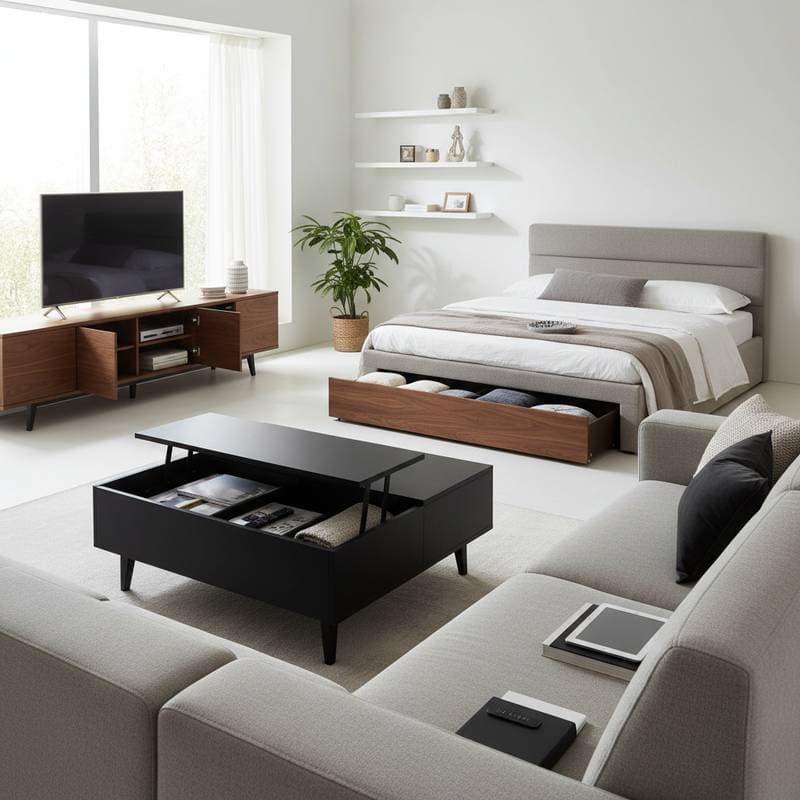
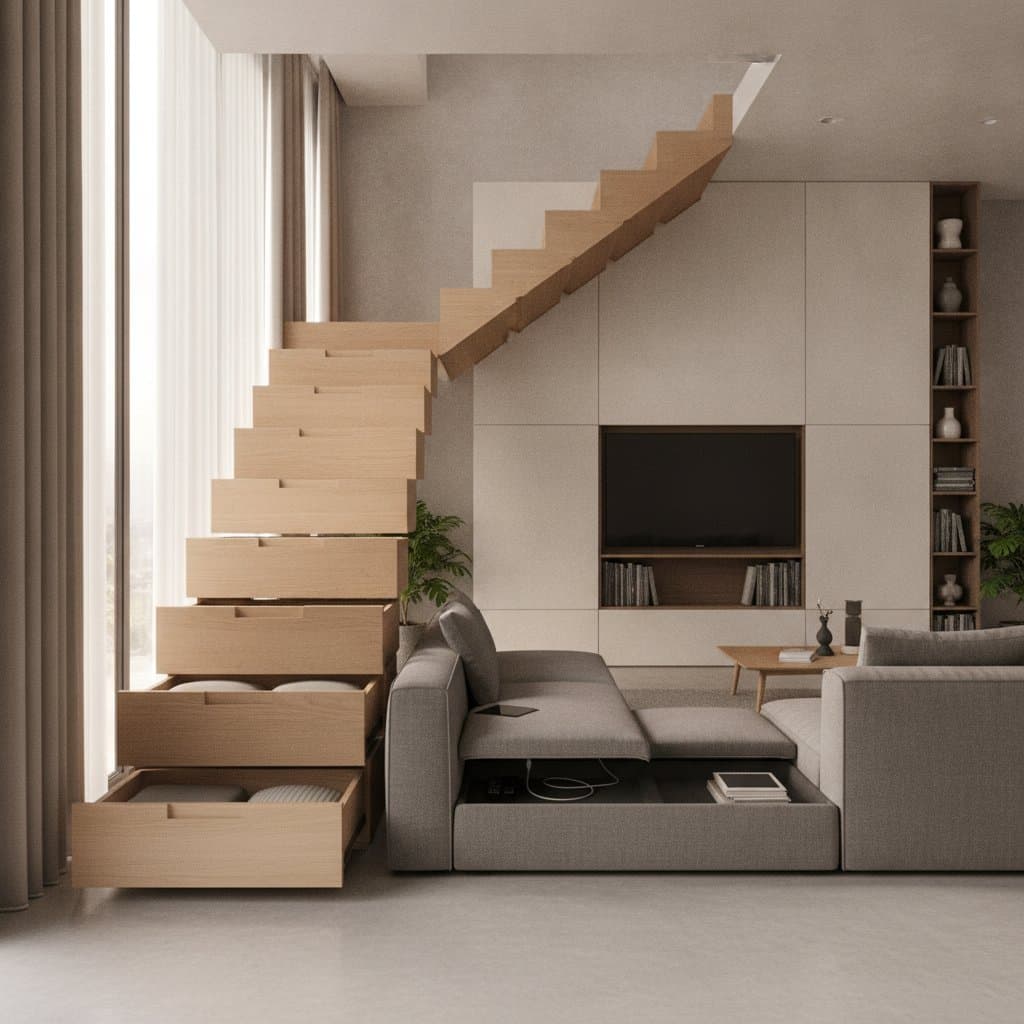
Consider a coffee table with a hydraulic lift-top that conceals remotes and notebooks beneath its surface. Or envision an ottoman whose cushioned top flips open to reveal storage for magazines and games. These solutions not only declutter visible areas but also encourage habitual organization, making maintenance straightforward.
Benefits of Integrating Hidden Storage Over Time
As you incorporate hidden storage into your routine, its impact extends beyond initial convenience. Items find dedicated spots, reducing the urge to scatter belongings and promoting a mindset of intentional living. Over months, this shift often leads to clearer surfaces and less mental clutter, contributing to overall household calm.
Selecting Designs That Align with Your Lifestyle
Choose pieces that match your specific habits to maximize effectiveness. For instance, if entryways accumulate keys and mail, opt for a console table with pull-out drawers disguised as decorative panels. In kitchens, select benches with under-seat bins for linens and utensils, keeping counters free for meal preparation.
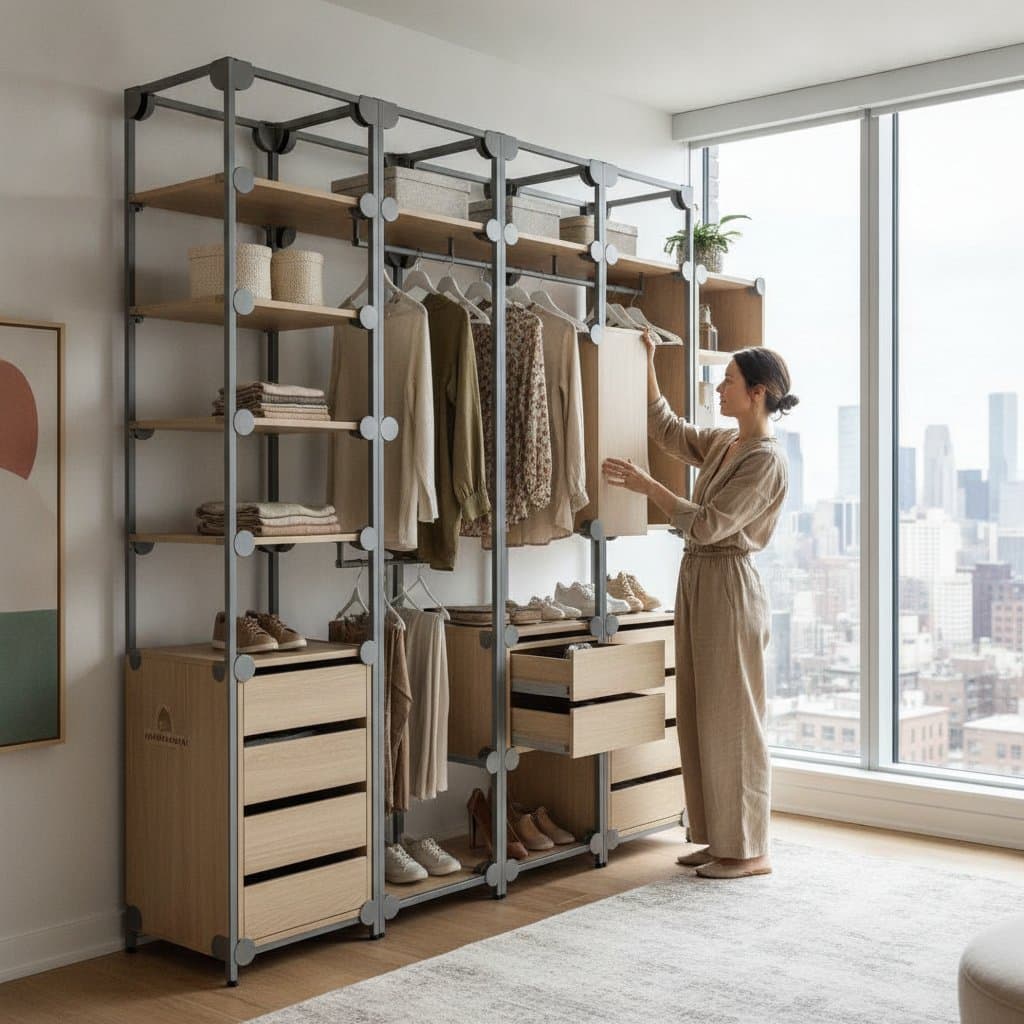
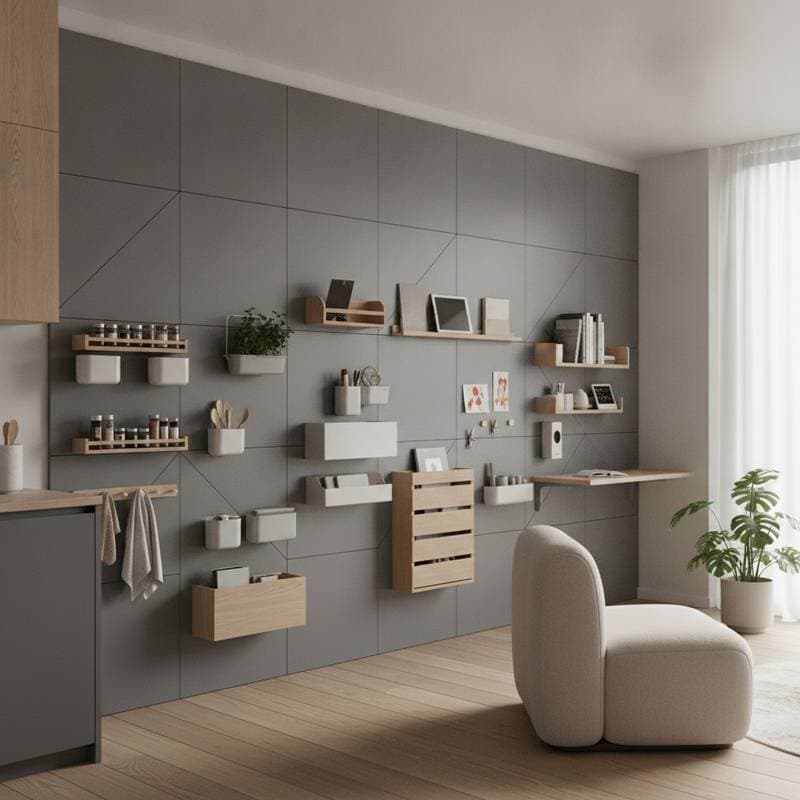
Budget considerations play a role; start with affordable options like modular shelving units featuring concealed backs. Higher-end choices, such as custom cabinetry with touch-latch mechanisms, offer durability for high-traffic areas. Always verify materials for longevity, preferring solid wood or reinforced composites over flimsy composites.
Test functionality in person if possible. Lift mechanisms should operate smoothly, and compartments need sufficient depth for intended items. This approach ensures the furniture enhances rather than complicates your space.
Implementing Hidden Storage Step by Step
Begin with one problematic area to build momentum. Assess a cluttered bedroom nightstand by measuring its dimensions and listing stored items. Replace it with a model incorporating side-hinged doors that hide chargers and books, instantly creating a minimalist look.
In living rooms, introduce a media console with cord management channels and sliding panels for DVDs. For bathrooms, install a mirror cabinet that pivots to expose shelves for toiletries. Each addition builds toward comprehensive organization without overwhelming the process.
Incorporate DIY elements for personalization. Retrofit an existing dresser by adding internal dividers or false bottoms using plywood cut to size. Secure these with adhesive strips for easy adjustments. Such modifications allow experimentation at low cost while honing organizational skills.
Long-Term Strategies for Sustained Organization
To maintain benefits, establish routines around these pieces. Designate weekly reviews to rotate contents and discard unused items, preventing overflow. Label compartments subtly with tags inside doors for quick access, especially in shared spaces.
Monitor how usage evolves; a toy bin in a playroom might convert to craft storage as children age. This proactive adaptation keeps the system efficient. Over time, these habits cultivate a home that feels spacious and supportive, where hidden storage subtly elevates quality of life.
Ultimately, hidden storage furniture transforms ordinary rooms into intentional havens. By concealing the ordinary, it highlights what matters most: comfort, connection, and clarity in daily living.