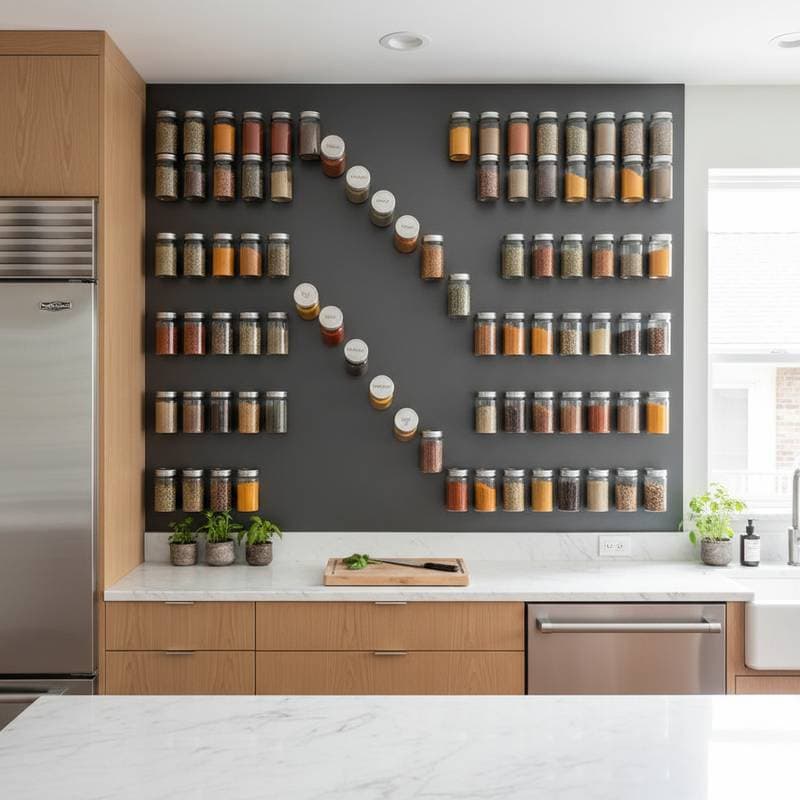
Essential Benefits of Magnetic Modular Systems
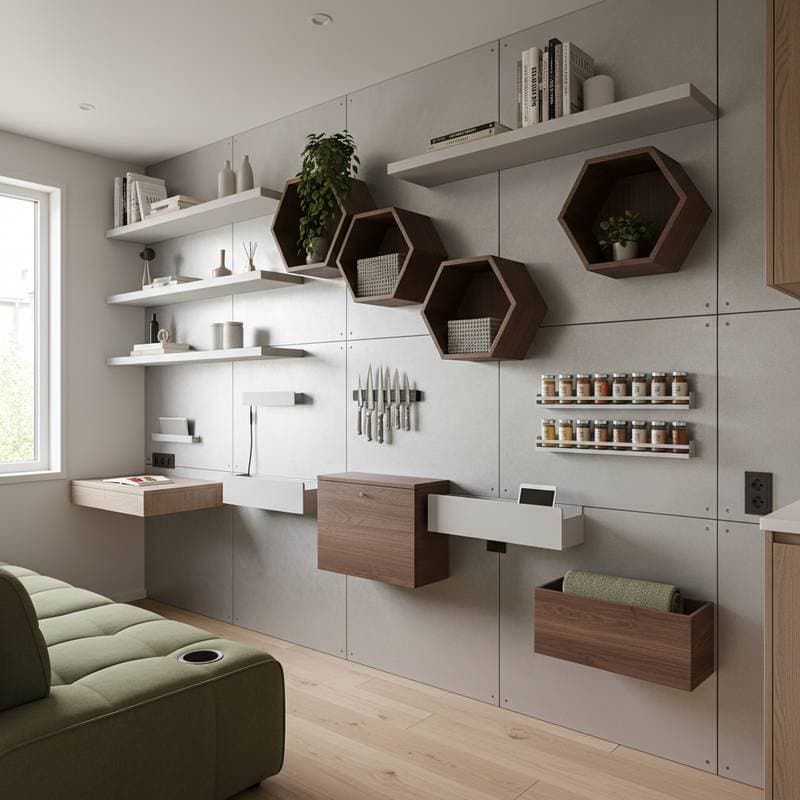
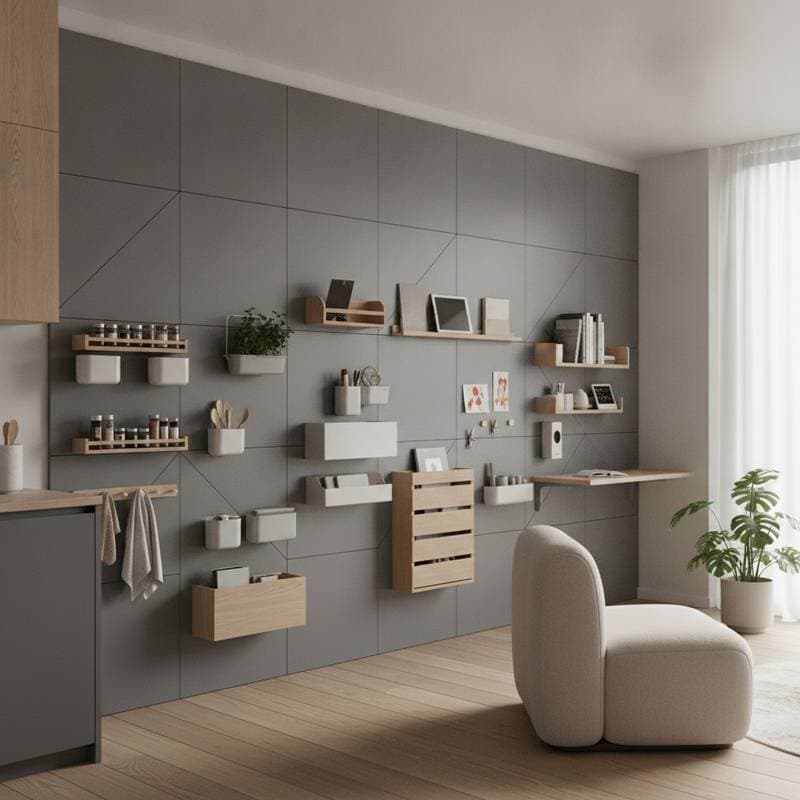
Magnetic modular systems redefine storage in tiny homes by turning limited spaces into versatile environments. These setups rely on powerful neodymium magnets to connect shelves, panels, and fixtures directly to walls or frames. Homeowners gain the ability to reorganize layouts in minutes, accommodating everything from kitchen essentials to workspace tools.
The appeal extends beyond convenience. Such systems support moderate weights, typically up to 20 pounds per square foot when properly installed, while preserving wall integrity. This balance of strength and adaptability makes them suitable for stationary homes or mobile trailers.
Consider the impact on daily life. A single wall can shift from a pantry display to a fold-down desk, optimizing functionality without permanent alterations. This flexibility proves invaluable in compact settings where space constraints demand multifunctional designs.
Understanding the Technology
Evaluating Your Space
Start by examining your tiny home's structure. Use a stud finder to locate wooden or metal supports behind walls, noting areas with thin paneling that might need reinforcement. For trailer-based homes, check for vibration-prone sections that could affect long-term adhesion.
Measure key surfaces precisely, recording heights, widths, and depths for walls in kitchens, bathrooms, and lofts. Inventory your possessions, categorizing them by frequency of use and required accessibility. For instance, daily tools deserve eye-level placement, while seasonal items fit lower or higher zones.
Determine load needs early. Lightweight decor might require basic magnets rated at 10 pounds each, whereas cookware racks demand stronger options or hybrid supports. This evaluation prevents overloads and ensures the system aligns with your home's unique architecture.
Strategic Planning
Divide your tiny home into functional zones to guide the design process. Allocate wall space for cooking with nearby storage for pots and spices, sleeping areas with foldable nightstands, and work zones featuring adjustable desks. Balance fixed elements, like outlets, with movable ones for optimal flow.
Sketch layouts on paper or digital tools, marking magnet placement every 12 to 18 inches for even support. Factor in aesthetics by selecting components in neutral finishes that complement your decor. This phase minimizes trial-and-error during installation.
Required Tools and Materials
- Stud finder equipped with metal detection for precise framing identification.
- Digital level and retractable measuring tape for accurate alignments.
- Pre-cut steel sheets or magnet-compatible panels, at least 24-gauge thick.
- Neodymium magnet kits with varying strengths, from 20 to 100 pounds pull force.
- Screws, rivets, or adhesive anchors for securing receptive surfaces.
- Safety gear including cut-resistant gloves and protective eyewear.
Key Safety Protocols
Handle magnets with care to avoid pinching skin or interfering with sensitive devices. Store them separated until use, and maintain a distance of at least three feet from pacemakers or data storage media. Verify that all setups respect manufacturer load limits, particularly in transportable homes subject to motion.
Conduct preliminary tests on scrap materials to gauge adhesion in your environment. If walls involve moisture exposure, opt for rust-resistant steels. These measures safeguard both users and structures from potential hazards.
Installation Timeline
Reinforce walls first, allowing 24 hours for any adhesives to set. Proceed to panel mounting over one to two days, testing small areas progressively. Final component placement and load testing complete the process within a weekend, minimizing disruption.
Step-by-Step Installation
Begin by preparing surfaces thoroughly. Wipe walls with a mild solvent to remove oils or residues, then let them air dry completely. This step ensures maximum adhesion for steel panels.
Secure receptive panels next. Align steel sheets using a level, fastening them into studs with screws spaced every six inches. For non-stud areas, employ toggle bolts to achieve firm attachment without compromising wall strength.
Position magnetic modules carefully. Align shelves or cubes flush against panels, pressing firmly until magnets engage. Apply gradual pressure in multiple directions to confirm hold, adjusting as necessary for plumb positioning.
Verify stability through incremental loading. Place lightweight items first, monitoring for shifts over several hours. Escalate to full capacity, using a force gauge if available, to validate performance under real conditions.
Refine arrangements iteratively. Experiment with configurations, such as converting a wall into a vertical garden or media console. Document successful setups with photos for future reference.
Ensuring Ongoing Reliability
Regular inspections maintain system integrity. Every month, examine connections for wear, including magnet polarization loss or surface corrosion. Tighten any loose fasteners promptly and swap out degraded parts to uphold safety standards.
Recheck alignments with a level after each reconfiguration. Misalignments lead to stress concentrations that accelerate failure. Stock spares like additional magnets and connectors in an accessible kit for immediate fixes.
Monitor environmental factors. In humid climates, apply silicone-based protectants to metal edges quarterly. For dust-prone areas, vacuum gently around components to prevent buildup that could weaken grips.
Long-Term Adaptation Strategies
As lifestyles change, magnetic systems facilitate effortless updates. Transition a hobby corner into a guest nook by relocating panels in under 30 minutes. Track these evolutions in a simple log, noting effective magnet densities for similar future projects.
Integrate user feedback to refine setups. If a zone feels cluttered, redistribute components to improve access. Over years, this approach yields a personalized space that grows with you.
Ultimately, these systems empower tiny home dwellers to prioritize efficiency and expression. Through deliberate design and vigilant care, they foster environments that enhance comfort and productivity without the constraints of conventional storage.