Introduction to AI Organizing Apps
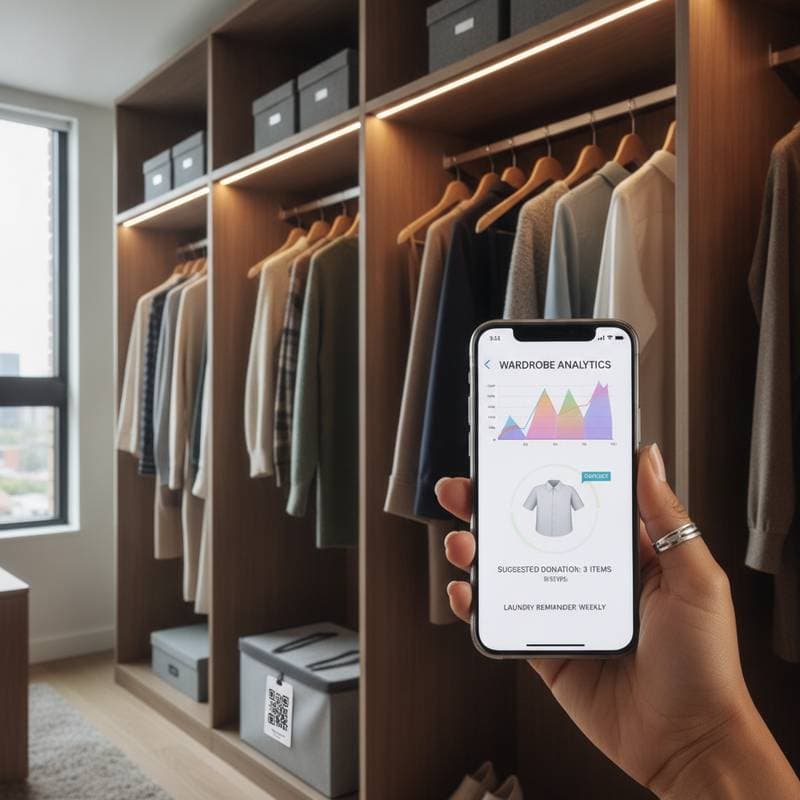
Home organization often feels overwhelming, with piles of items accumulating in corners and drawers overflowing with unused possessions. AI organizing apps address this challenge by leveraging artificial intelligence to simplify the process. These applications use features like image recognition and data analysis to guide users through decluttering with precision and ease.
Users scan items with their smartphone camera, and the app instantly categorizes them based on visual cues and user input. This technology not only saves time but also provides personalized recommendations for storage solutions. As a result, individuals achieve a more orderly environment without the need for extensive manual effort.
The rise of these apps reflects a broader trend toward smart home management. They integrate with calendars and reminders to build lasting habits, ensuring that organization becomes a seamless part of everyday life. By focusing on efficiency, these tools help transform chaotic spaces into functional, calming areas.
Key Features of AI Organizing Apps
Smart scanning extends beyond mere identification. The app can estimate an item's value or suggest similar alternatives if replacement becomes necessary. These details empower users to make informed decisions, reducing waste and enhancing the overall value of their possessions.
Step-by-Step Guide to Using AI Organizing Apps
Step 1: Assess and Scan Your Space
Begin by selecting a specific area, such as a bedroom closet or kitchen cabinet. Open the app and use its scanning function to capture images of the contents. The AI processes these visuals to generate an inventory list, highlighting duplicates or underused items.
Review the app's suggestions for categorization, such as separating clothes by season or kitchen tools by function. This initial assessment provides a clear overview, allowing users to prioritize what requires immediate attention. With this foundation, the decluttering process gains momentum quickly.
Step 2: Sort and Decide on Items
Once the scan completes, the app prompts decisions for each item. Options include keep, donate, sell, or discard, with AI-driven insights like usage frequency based on past inputs. For example, if an item has not been used in over a year, the app flags it for potential removal.
Create virtual piles within the app to visualize progress. This digital sorting reduces physical handling and minimizes decision fatigue. Users find that breaking the task into manageable segments makes the experience less daunting and more productive.
Step 3: Implement Storage Solutions
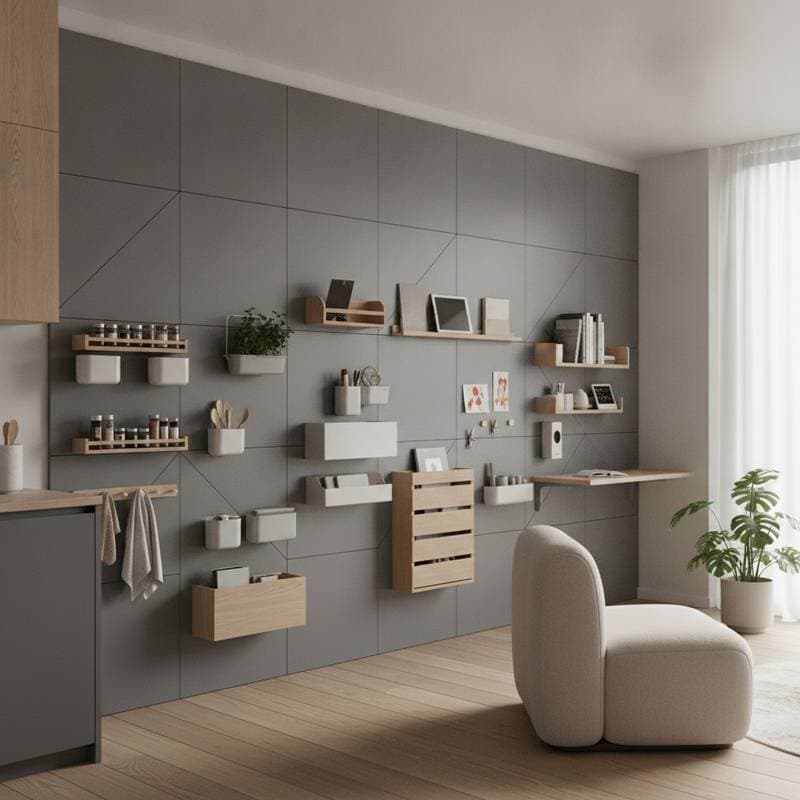
After sorting, the app recommends tailored storage options. It might suggest modular shelves for books or labeled bins for office supplies, drawing from a database of proven layouts. Integrate these ideas by purchasing or repurposing existing containers as guided.
The app also facilitates labeling through printable tags or digital markers. This step ensures that once items return to their places, they remain accessible and orderly. Proper implementation at this stage sets the tone for long-term success.
Step 4: Maintain the Flow
Schedule quick check-ins through the app. Dedicate ten minutes each week to review and adjust as needed. This routine prevents clutter from accumulating again and reinforces positive habits.
The app tracks these sessions and adjusts reminders based on user feedback. Over time, this consistent effort integrates organization into daily life seamlessly. Users report sustained benefits, with spaces remaining functional without constant oversight.
Benefits of Sustainable Organization
Adopting AI organizing apps leads to more than just tidy rooms; it cultivates a sense of control and peace. Reduced visual clutter allows the mind to focus on meaningful activities, whether work or relaxation. Homes become sanctuaries that support productivity and creativity.
Environmentally, these apps promote sustainability by encouraging reuse and donation over disposal. Users contribute to less waste while curating spaces that align with their values and needs. This mindful approach extends the lifespan of possessions and reduces consumption.
Financially, the tools prove advantageous. By identifying items for sale or efficient storage, individuals save on space and potential purchases. The investment in an app often pays off through time saved and a more efficient household.
Embracing a Clutter-Free Lifestyle
Before long, noticeable changes emerge in daily routines. Drawers open smoothly, closets feel spacious, and surfaces invite creativity rather than collect dust. The synergy of AI technology and intentional practices shifts organization from sporadic efforts to a natural rhythm.
Living with an organized space unlocks new possibilities. A cleared corner might evolve into a dedicated workspace, while a streamlined kitchen encourages experimentation with meals. These transformations enhance well-being, making home life more enjoyable and less burdensome.
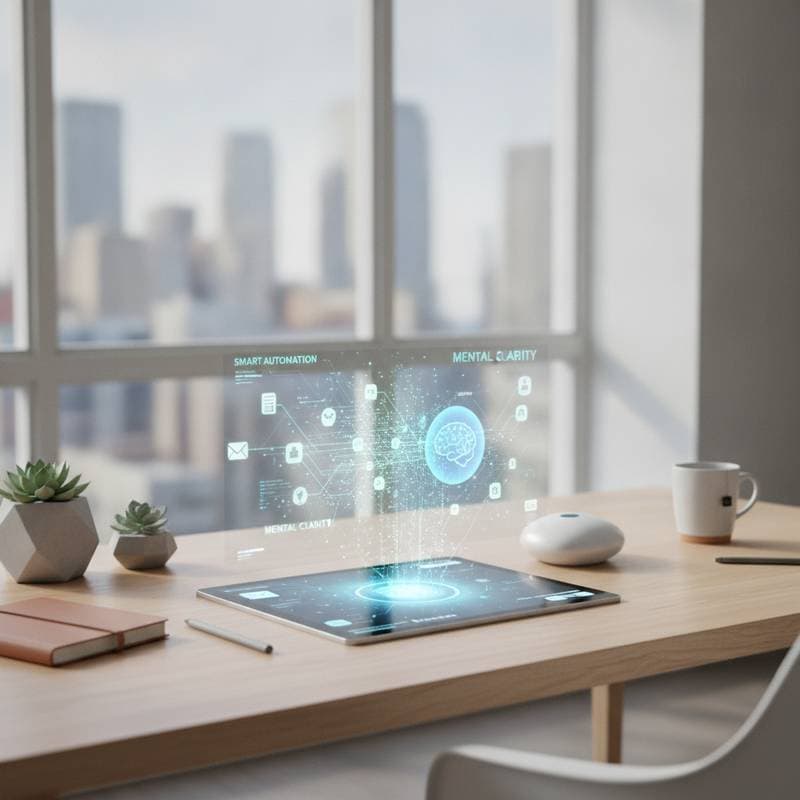
Ultimately, AI organizing apps empower users to design environments that reflect their priorities. The calm that follows decluttering fosters better mental clarity and stronger connections within the home. This ongoing journey toward order proves rewarding and accessible for all.