Magnetic Walls Enable Renter-Friendly Storage
Renters often face significant challenges in maintaining organization due to constrained space and rigid lease agreements. Drilling into walls, installing permanent shelving, or making structural changes remains prohibited in most cases. As clutter accumulates and storage options dwindle, magnetic walls emerge as an innovative solution. This approach utilizes magnetic panels to establish a flexible, modular system that leaves no residue upon removal.
Individuals who balance the desire for an orderly home with restrictions on wall modifications find relief in magnetic walls. These installations prove practical rather than novelty items. Proper setup allows them to bear substantial weight, present a polished appearance, and conform to diverse room configurations.
Limitations of Conventional Storage for Renters
Components of Magnetic Wall Systems
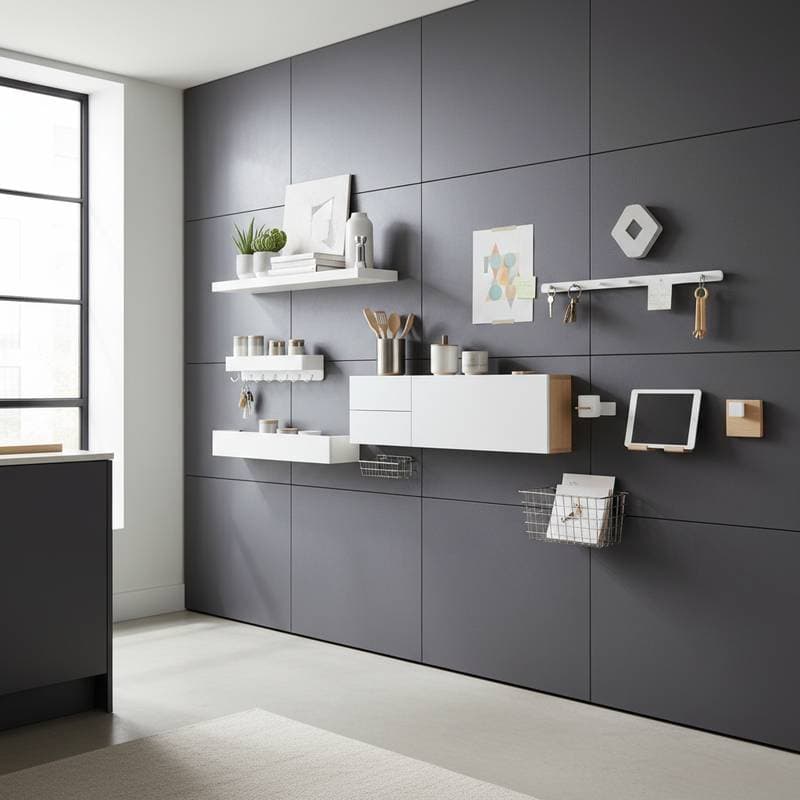
A magnetic wall system centers on slender steel or magnet-receptive panels affixed to the wall surface. Users attach magnetic shelves, hooks, containers, or lighting modules to these panels. Certain systems incorporate peel-and-stick magnetic wallpaper, whereas others employ lightweight metal sheets designed for easy detachment.
Effective installations convey a contemporary, deliberate aesthetic rather than a disjointed array of interim fixes. Modular components rearrange effortlessly in moments, enabling the wall to evolve with shifting requirements. For renters, such adaptability proves invaluable.
Essential Materials for Installation
Preparation involves gathering key items to ensure a smooth process. Consider the following:
- Magnetic or magnet-receptive panels: Select peel-and-stick steel sheets or magnetic wallpaper suitable for temporary applications.
- Magnetic accessories: Opt for shelves, hooks, and containers engineered for steel interfaces. Choose neodymium magnets for enhanced holding capacity when necessary.
- Level and measuring tape: These tools guarantee precise positioning.
- Cleaning supplies: Employ rubbing alcohol or a gentle cleaner to ready the wall.
- Plastic scraper or squeegee: Use this to secure panels and eliminate air pockets.
The project suits beginners to intermediate skill levels. Proficiency in applying wallpaper or large decals translates directly to handling magnetic panels. Focus on meticulous alignment to prevent misaligned edges.
Step-by-Step Installation Guide
1. Prepare the wall surface.
Apply a mild cleaner to eliminate dust, grease, or residue. A pristine surface promotes uniform adhesion of the backing.
2. Outline the layout.
Determine the desired magnetic zone size and draw level lines with a measuring tool. For typical renter applications, a 3-foot by 4-foot area above a desk or counter serves as an effective starting point.
3. Position the panels.
Remove the backing incrementally, applying the sheet progressively to the wall. Employ a scraper to dispel bubbles and achieve complete adhesion. For metal sheets rather than wallpaper, secure them with removable mounting strips appropriate for the panel weight.
4. Verify magnet performance.
Post-installation, test with lightweight accessories prior to heavier loads. Observe for panel flexing or detachment. Adjust by lightening the load or adding support strips if issues arise.
5. Configure accessories.
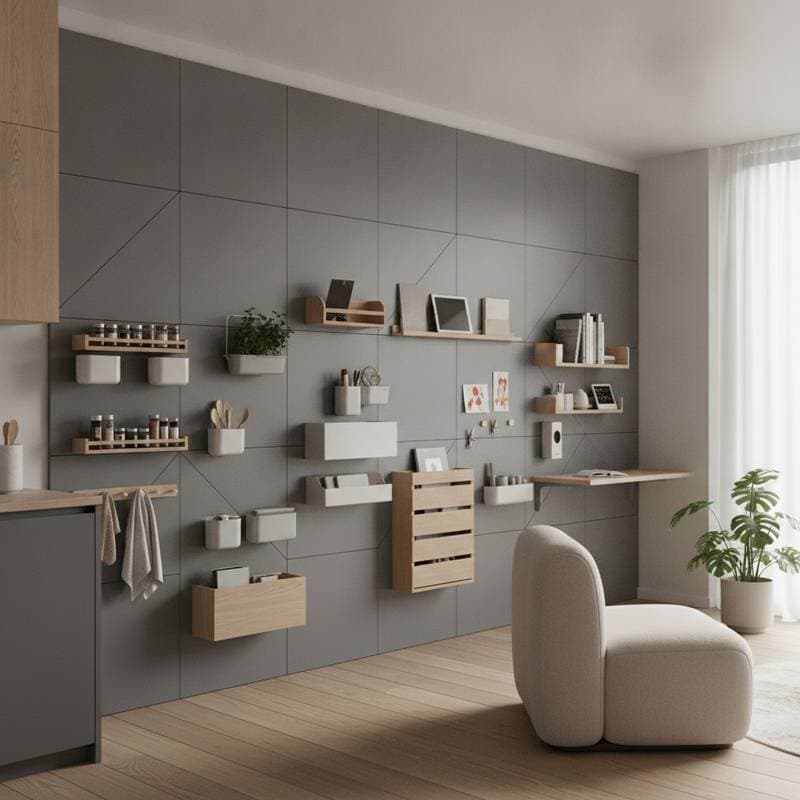
Proceed to the engaging phase by incorporating hooks, miniature shelves, or storage vessels. Experiment with arrangements to optimize functionality, such as establishing charging stations, spice racks, or tool holders on a single surface.
Considerations for Safety and Capacity
Magnetic panels demonstrate strength yet require realistic expectations. Standard peel-and-stick steel variants accommodate lightweight shelves and compact containers, but they cannot sustain full bookshelves or substantial tools. Adhere strictly to manufacturer-specified weight thresholds and incorporate a safety margin.
Steer clear of installing panels adjacent to moisture-prone areas like showers or sinks unless moisture-resistant models are selected. Textured or irregular surfaces compromise adhesion, leading to potential peeling. For loads exceeding ten pounds, explore hybrid configurations with removable rails or seek professional advice on stud-anchored alternatives.
Resolving Frequent Installation Challenges
Preparation minimizes issues, but occasional hurdles occur. Address them as follows:
- Panels detaching at edges: Reclean the area and resecure with new adhesive strips. Fluctuating temperatures may degrade existing bonds.
- Magnets slipping: Switch to robust neodymium options or adjust shelf inclinations.
- Irregular wall textures: Introduce thin foam underlayment to compensate for minor discrepancies.
- Adhesive residue upon removal: Conduct a preliminary test on a small section. Apply low heat from a hairdryer to facilitate gentle peeling.
Scenarios Requiring Expert Assistance
Self-installation suits most renter projects involving magnetic panels. Larger-scale applications or integrations with custom lighting demand professional involvement. Electrical work, such as adding power strips, necessitates a licensed electrician. In upscale rentals with stringent wall policies, obtain landlord approval in advance to avert deposit complications.
Practical Applications in Everyday Settings
Effective magnetic wall designs prioritize routine utility. The following examples illustrate proven implementations:
- Kitchen setups: Position knives, spice jars, and utensils on magnetic shelves to reclaim counter area.
- Entryway hubs: Install hooks for keys and adjustable mail organizers that adapt to seasonal needs.
- Office walls: Employ magnetic trays to store pens, notes, and cables, preserving desk space without perforations.
- Craft stations: Organize containers for beads, threads, or brushes, facilitating project-specific rearrangements.
- Utility zones: Suspend tools, cleaning items, or baskets on magnetic grids in garages or laundry rooms.
This system's versatility allows seamless expansion, contraction, or relocation without surface damage, fulfilling a core renter aspiration.
Evaluating Expenses and Longevity
Initial costs for a basic magnetic wall align with those of a standard shelving unit. Budget for functional panel sizes plus complementary accessories. High-quality materials endure for multiple years with correct application and care.
Longevity hinges on material standards and upkeep practices. Clean panels with a soft cloth, avoiding abrasives that could undermine adhesive integrity. For relocation, detach panels cautiously and store them flat to preserve shape.
Implementing Your Magnetic Wall
Magnetic walls adapt dynamically to evolving storage demands, eliminating the need for tools like drills. Renters seeking balanced functionality and adaptability discover enduring value in this method. Begin with a targeted area to experience the transformative potential firsthand.