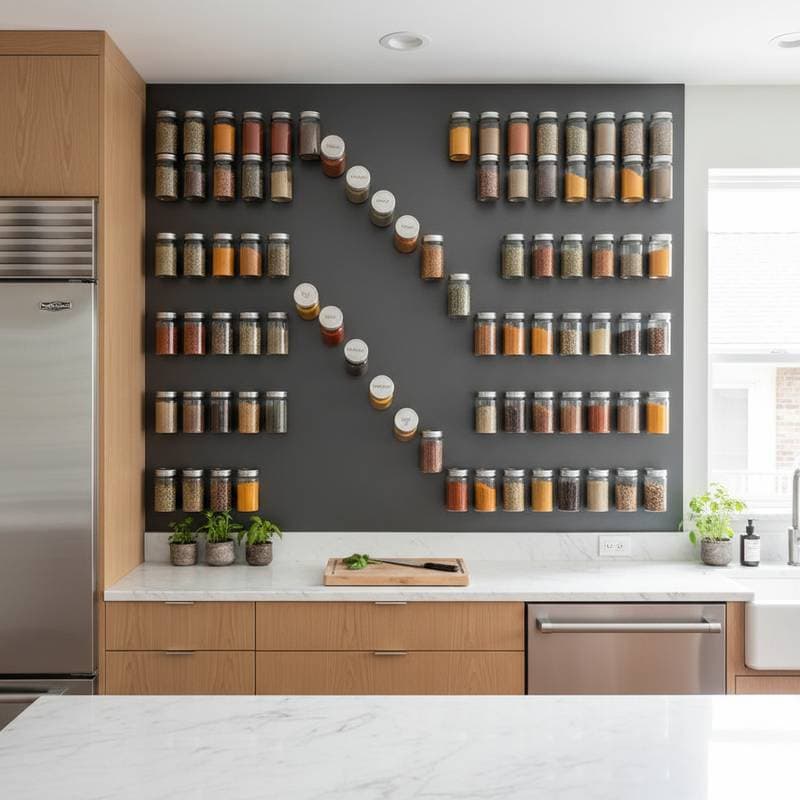
Popular Hidden Compartments for Effortless Decluttering
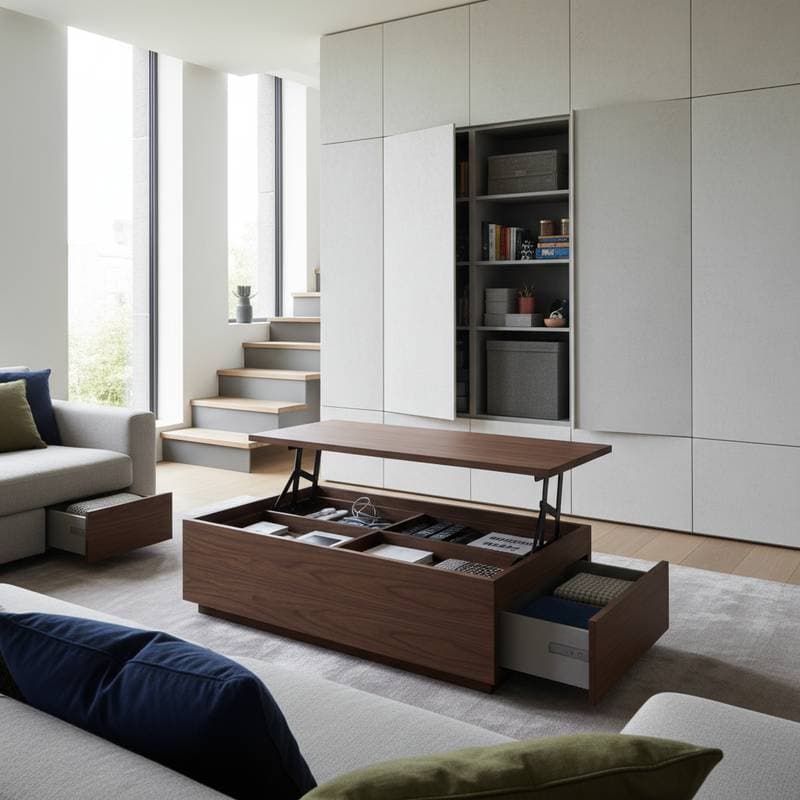
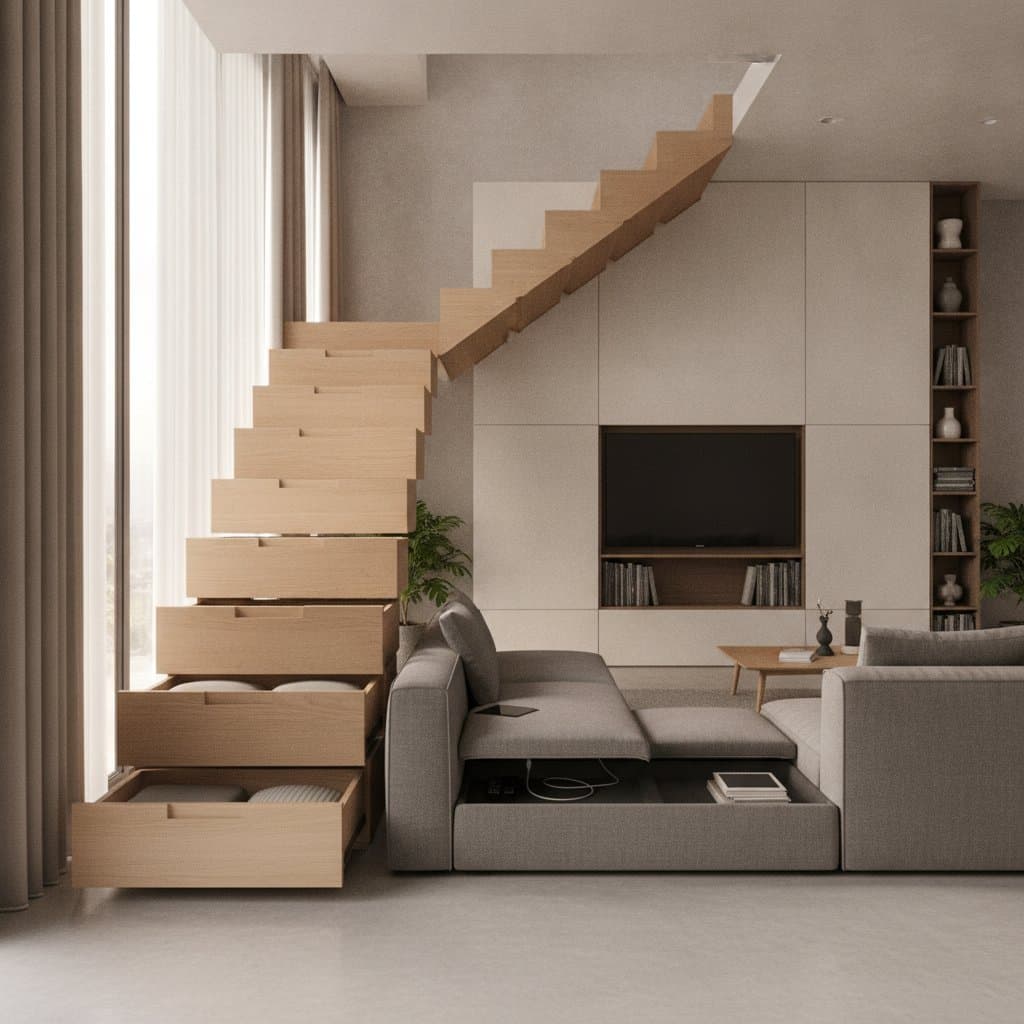
A room that appears calm and organized invites a sense of relief. Such spaces often conceal innovative storage solutions. Consider a coffee table that holds board games, a mirror that safeguards jewelry, or a staircase that organizes documents. These hidden compartments have transitioned from fictional intrigue to practical design elements that simplify decluttering while enhancing aesthetics.
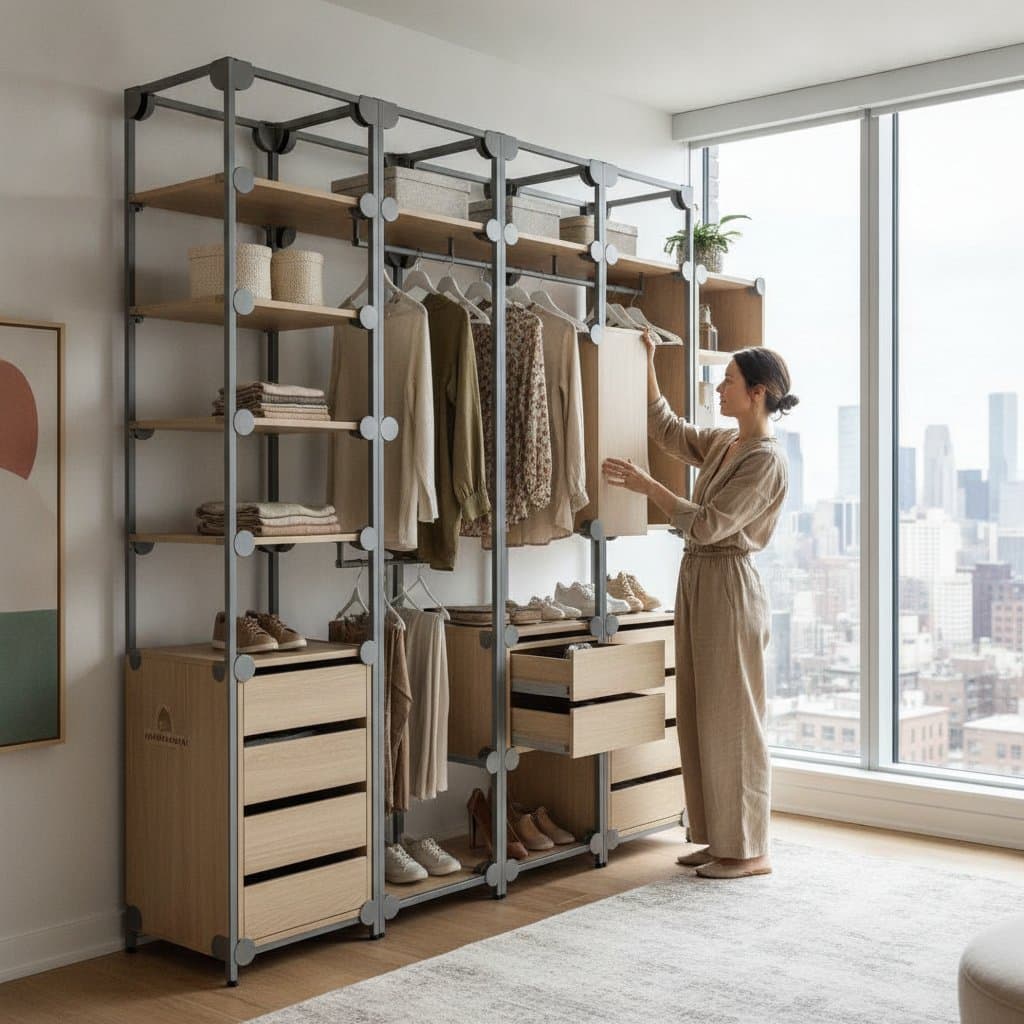
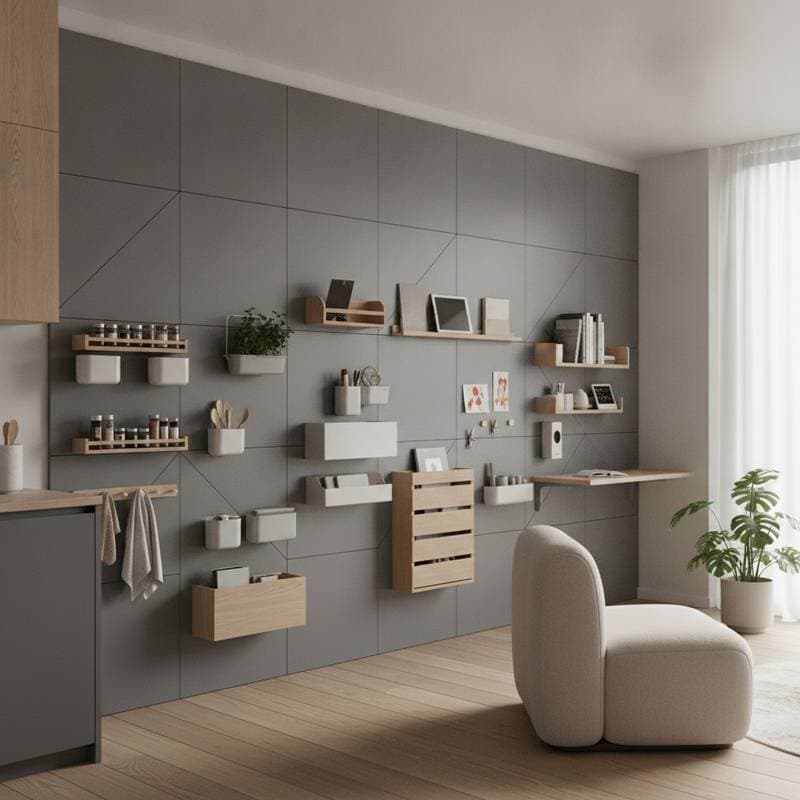
Hidden compartments expand storage capacity without introducing visible clutter. Furniture and decorative items can mask daily essentials to maintain a streamlined appearance. Custom installations enable compact areas to perform like expansive ones. Concealed spaces provide inherent security for valuables. Experts advise combining functional organization with aesthetic balance for enduring appeal.
Key Benefits of Hidden Compartments
- They optimize space by integrating storage into existing structures.
- Designs disguise necessities to promote a minimalist visual.
- Tailored solutions adapt to unique room dimensions and needs.
- Secure hiding spots protect sensitive items from view.
- Integration fosters harmony between utility and elegance.
Cultural Shift Toward Concealed Organization
Minimalism has evolved from reducing possessions to intelligent management. Hidden compartments embody this progression by enabling discreet containment. The prevalence of compact residences, dedicated home offices, and open floor plans renders conventional storage obtrusive. These solutions integrate seamlessly into furnishings and built environments to resolve such challenges.
Media platforms have propelled this movement forward. Design programs, online influencers, and organization specialists highlight innovative features. Once exclusive to high-end estates, concealed storage now graces urban studios and family dwellings. Celebrities unveil mirrored cabinets, while creators demonstrate retractable kitchen organizers, inspiring broad adoption among those seeking sophistication and subtlety.
This trend addresses modern lifestyles where space constraints demand versatility. Homeowners appreciate how dual-purpose elements preserve openness without sacrificing functionality. As urban density increases, the demand for invisible organization continues to grow, influencing both new constructions and renovations.
The Psychology Behind Hidden Storage
Hidden compartments extend beyond spatial efficiency to foster emotional comfort. Clear surfaces reduce mental overload. Research in environmental psychology indicates that visible disorder elevates stress levels and impairs concentration. Concealing disorder promotes a perception of order that supports cognitive well-being.
Secret spaces evoke a primal sense of security. From youthful hiding spots to private journals, concealed areas symbolize autonomy. In contemporary settings, this manifests as quiet confidence in one's organized domain. Individuals gain reassurance knowing items remain accessible yet unseen.
Professionals term this phenomenon visual tranquility. Minimal visible elements allow the gaze to relax amid surroundings. Hidden storage achieves this without altering preferred styles, blending practicality with psychological benefits for sustained harmony.
Blending Hidden Storage with Style
Effective hidden compartments integrate without drawing attention. Superior designs align with the room's overall narrative.
Select coordinated colors to ensure compartments harmonize with adjacent pieces. Maintain uniform materials, such as pairing wood tones to avoid discordant inserts like plastic or metal. Prioritize user-friendly mechanisms, including magnetic closures or gentle gliding drawers, to facilitate routine access.
Incorporate ambient lighting, like soft LEDs within enclosures, to enhance usability in dim areas such as closets. Customize features to reflect individual tastes, such as a discreet wine holder behind cabinetry or a built-in device charger beneath a tabletop. These touches elevate everyday utility into personalized elegance.
Balance innovation with subtlety to avoid gimmickry. Test accessibility during installation to confirm seamless operation. Such thoughtful integration ensures storage enhances rather than disrupts the environment.
Everyday Uses You Might Not Have Considered
Subtle hidden compartments often prove most practical. They repurpose overlooked areas without major alterations.
Install shallow drawers within kitchen baseboards to store flatware like baking sheets or cutting boards. Position narrow shelves behind bed headboards for nighttime essentials, freeing bedside tables. Utilize the hollow interior of ottomans for stowing toys, periodicals, or spare pillows.
Construct storage under window benches to accommodate bins for linens or holiday decorations. Mount artwork on hinges to reveal vaults or files, serving dual roles as decor and safeguard. These adaptations boost capacity while preserving architectural integrity.
Explore vertical spaces, such as behind doors, for slim organizers holding cleaning supplies. In bathrooms, integrate compartments within vanity mirrors for toiletries. Such innovations transform routine areas into efficient havens.
Implementing Hidden Storage Solutions
Begin by assessing your space to identify underutilized zones. Measure dimensions accurately to select fitting installations. Consult professionals for custom builds if standard options fall short.
Budget for quality materials that withstand frequent use. Start small with modular pieces like lidded benches before tackling integrated features. Track improvements in daily flow to refine future additions.
Ultimately, hidden compartments cultivate lasting order. They liberate surfaces for enjoyment, reduce maintenance efforts, and infuse homes with refined poise. Embrace these designs to experience decluttering as an seamless extension of sophisticated living.