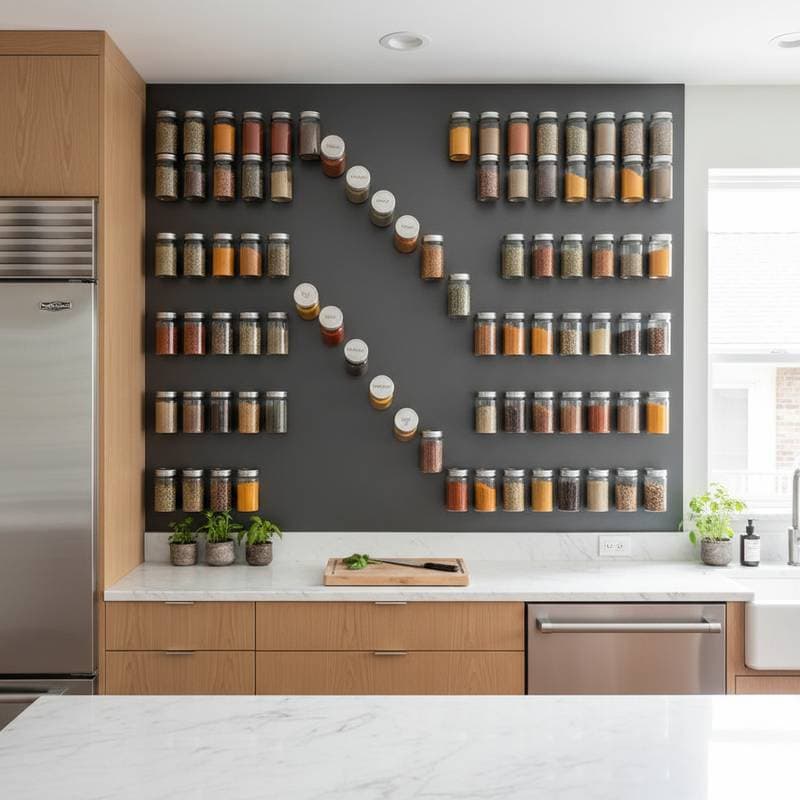
The Rise of Invisible Walls: Concealing Clutter with Architectural Precision
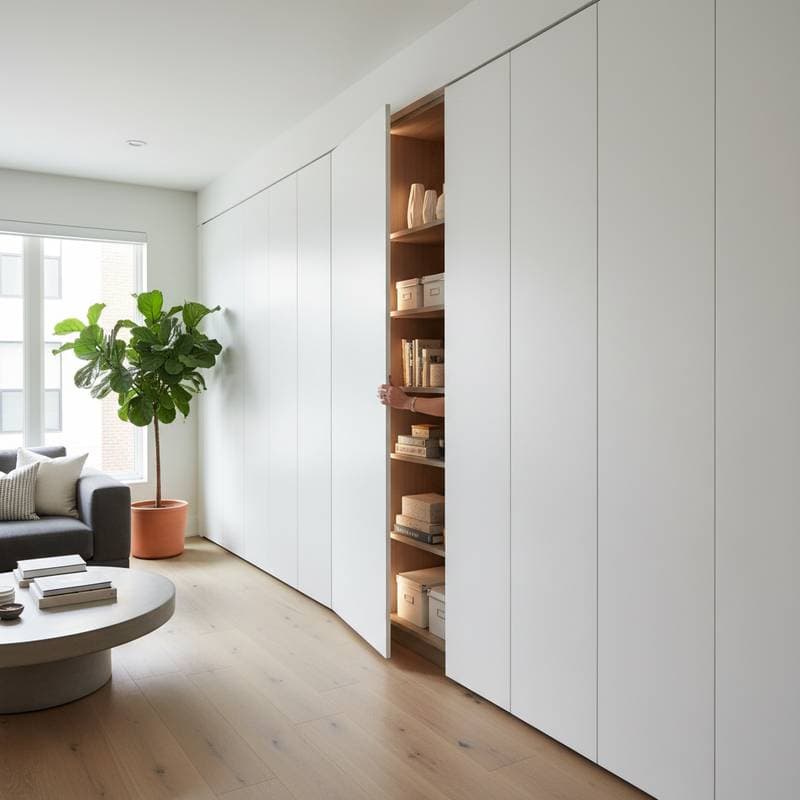
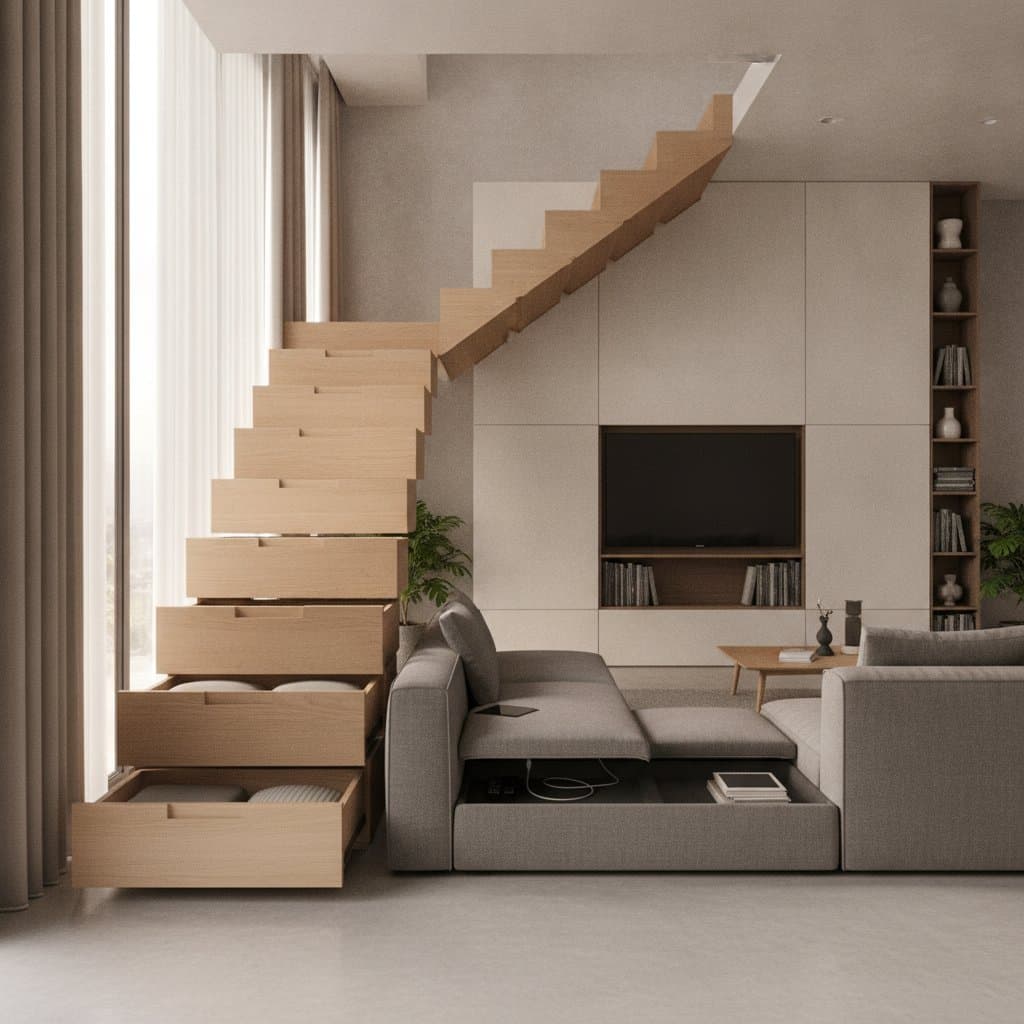
Homeowners often face persistent clutter from daily activities, such as shoes accumulating near entrances, appliances crowding kitchen surfaces, and bottles multiplying in bathrooms. The emerging trend of invisible walls addresses these issues by integrating storage solutions that vanish into the room's structure, eliminating the need for obtrusive cabinets. Drawing from extensive experience in home remodeling, this approach proves effective when executed with attention to detail, enhancing both functionality and aesthetics.
Limitations of Conventional Storage Options
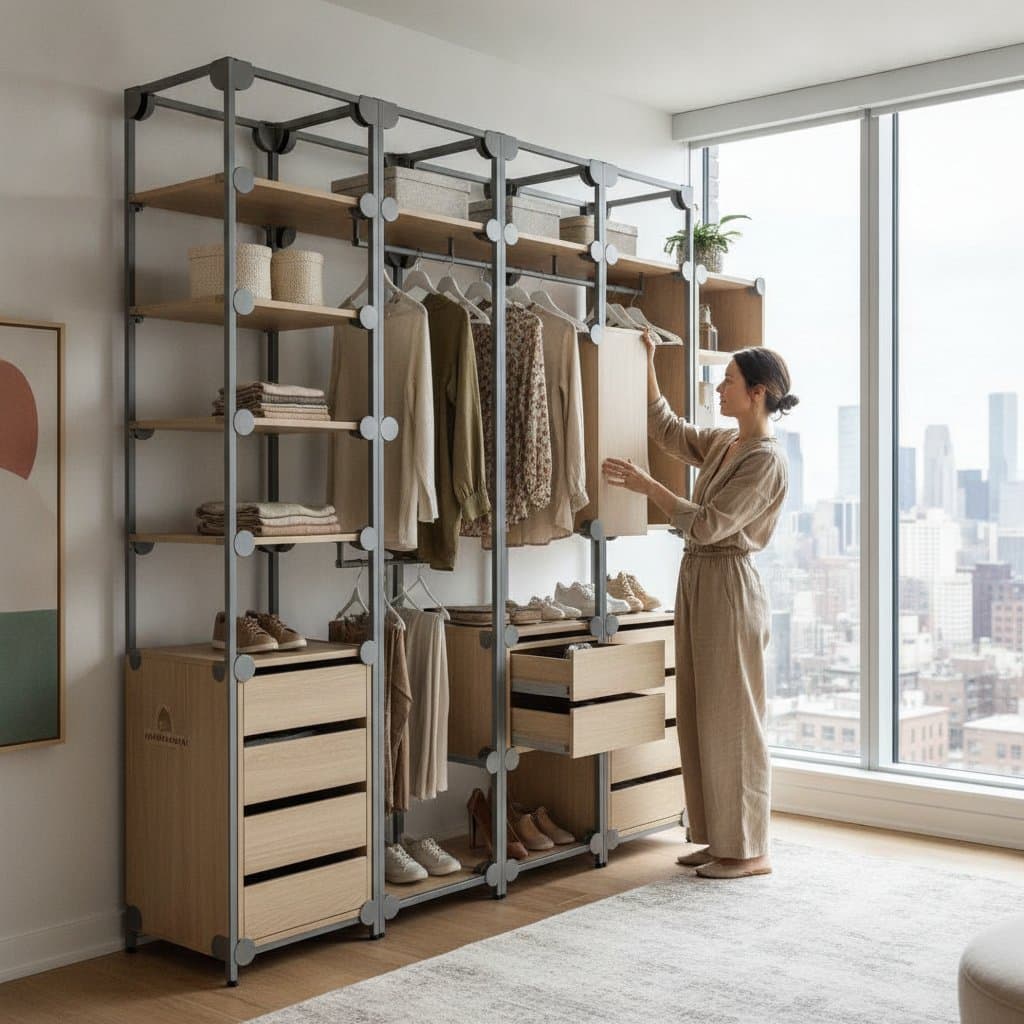
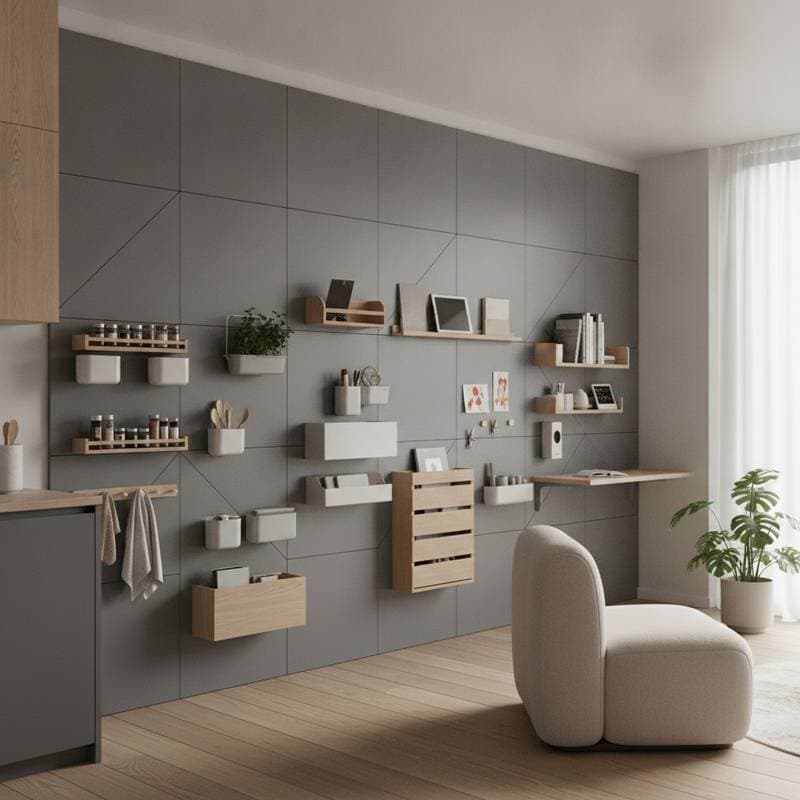
Many individuals resist additional cabinets or shelves because such additions diminish perceived space. Traditional methods frequently appear as makeshift fixes rather than cohesive elements. Homeowners commonly exacerbate disarray by relying on stacked bins or cumbersome furniture, which draw attention to the disorder. In contrast, invisible walls embed storage within the building's framework, preserving spatial harmony while effectively managing mess.
Understanding Invisible Wall Systems
Essential Preparations for Hidden Storage Projects
Evaluate your expertise before embarking on such endeavors, as they demand carpentry proficiency, aesthetic judgment, and perseverance. Required tools include a circular saw, drill, level, stud finder, and measuring tape for construction, plus a sanding block, paintbrushes, putty knife, and caulk gun for refinement. Select plywood or medium-density fiberboard panels, concealed hinges, magnetic touch latches, and paint that coordinates with existing walls.
Allocate a stable workspace and sufficient time for thorough finishing. Hasty application of paint or trim often undermines the illusion of invisibility.
Constructing a Basic Recessed Wall Cabinet: Step-by-Step Guide
Begin with a modest installation between wall studs to familiarize yourself with the process without overhauling an entire area.
-
Locate and mark the site: Select a wall segment free of wiring or pipes. Employ a stud finder to identify framing, then delineate the cabinet's boundaries with precise measurements.
-
Execute the cut: Employ a drywall saw to follow your lines methodically. Inspect the cavity periodically to sidestep unforeseen obstacles like conduits.
-
Assemble the frame: Fashion plywood or medium-density fiberboard components to fit tightly between studs. Join them into a rectangular enclosure using wood glue and screws, verifying squareness at each joint.
-
Mount the enclosure: Fasten the assembly into the aperture via screws driven through side panels into the studs. Confirm plumb and level alignment prior to final securing.
-
Fit the access panel: Shape a complementary piece from medium-density fiberboard or drywall for the door. Install invisible hinges or magnetic latches to ensure an unadorned exterior.
-
Achieve seamless blending: Spread joint compound over edges, sand to a uniform plane, and apply paint that replicates the wall's hue and texture. Upon curing, the feature integrates indistinguishably.
This endeavor suits a weekend timeline and imparts core skills in finish matching, edge alignment, and surface flushness.
Scenarios Requiring Expert Assistance
For expansive implementations spanning several walls or incorporating features like internal illumination or automated mechanisms, engage specialists. Intricate setups necessitate bespoke woodworking, proprietary fittings, and exact tolerances beyond novice capabilities. Skilled carpenters or cabinetmakers can realize conceptual drawings as durable, regulation-adhering installations that retain flawless concealment.
Projects integrating electricity, such as embedded receptacles or lights within compartments, demand a certified electrician's involvement. Adhering to safety standards prevents risks, prioritizing compliance over visual appeal.
Troubleshooting Frequent Issues in Invisible Wall Installations
Challenges arise despite diligence, but most yield to targeted remedies:
-
Uneven panel alignment: Should the door protrude or recede, modify hinge positioning or insert slender shims at the frame's rear.
-
Apparent joints: Omitting primer or uneven compound application causes edges to show. Lightly abrade and layer a minimal additional coat.
-
Color discrepancies: Procure paint from the identical batch for consistency; variances in gloss alone can betray the boundary.
-
Latch failures: Inferior magnets wear rapidly. Opt for robust, cabinet-grade hardware suited to sustained use.
Methodical correction through abrasion, recoating, or component tweaks resolves nearly all setbacks.
The Dual Benefits of Invisible Storage Integration
These solutions excel by simultaneously eradicating visible disorder and upholding minimalist purity. Clean profiles define contemporary interiors, and hidden compartments sustain this while providing utility. Moreover, such enhancements boost property appeal, as prospective buyers value purposeful, integrated organization over ad-hoc arrangements.
Observations from numerous renovations reveal profound shifts: kitchens, baths, and lounges gain efficiency, freeing residents from constant tidying to savor their environments.
Strategies for Enduring Results
Insights from professional practice highlight practices that distinguish triumphs from trials:
-
Measure meticulously before any incision; accuracy proves paramount.
-
Replicate surrounding treatments precisely, from primer to final sheen.
-
Limit contents to non-heavy items, including sundries, documents, or devices.
-
Ensure unobstructed door swing, accounting for nearby obstacles.
-
Design for future upkeep, allowing panel detachment sans wall impairment.
These principles elevate transient novelties to lasting architectural assets.