Enzyme Strategies for Eliminating Persistent Bathroom Stains
Homeowners often struggle with recurring bathroom stains because standard cleaners merely disguise the issue rather than addressing its root cause. Enzyme cleaners offer a superior alternative by digesting organic matter directly. These biological agents provide a safe, effective method to maintain a clean bathroom without the risks associated with harsh chemicals.
Limitations of Conventional Cleaners
Commercial bathroom products typically contain bleach, acids, or ammonia. These substances whiten surfaces temporarily but fail to dismantle the proteins, fats, and minerals responsible for persistent stains. Organic residues such as soap scum, mildew, and urine deposits require targeted breakdown to prevent rapid reappearance.
Frequent use of aggressive chemicals also leads to surface degradation. Porcelain etches, chrome dulls, and grout erodes over time. Enzyme cleaners avoid such damage by operating selectively on stains while preserving underlying materials.
Mechanisms of Enzyme Cleaners
- Protease enzymes, which degrade proteins in body oils, mildew, and urine.
- Amylase enzymes, which dissolve starches from soaps and toothpaste.
- Lipase enzymes, which break down fats in greasy accumulations on sinks and tubs.
Activation occurs upon contact with water, initiating a non-abrasive process ideal for sensitive surfaces like natural stone or fiberglass.
Preparation for Enzyme Application
Clear loose debris from the target area to ensure enzymes reach the stain. Consult product instructions, as many require a contact period of several minutes for optimal activity. Essential tools include:
- A spray bottle or foam applicator for even distribution.
- A soft-bristle brush or spare toothbrush for agitation.
- Microfiber cloths for residue removal.
- Warm water for final rinsing.
Never combine enzyme cleaners with bleach or ammonia, as these neutralize enzymatic action.
Application Guide for Key Bathroom Surfaces
Grout and Tile Joints
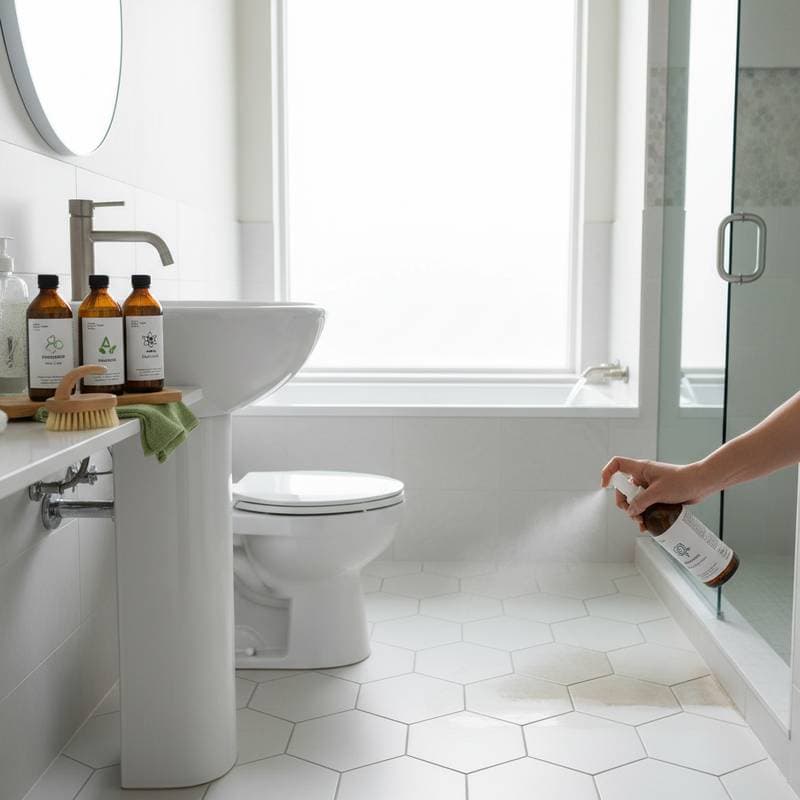
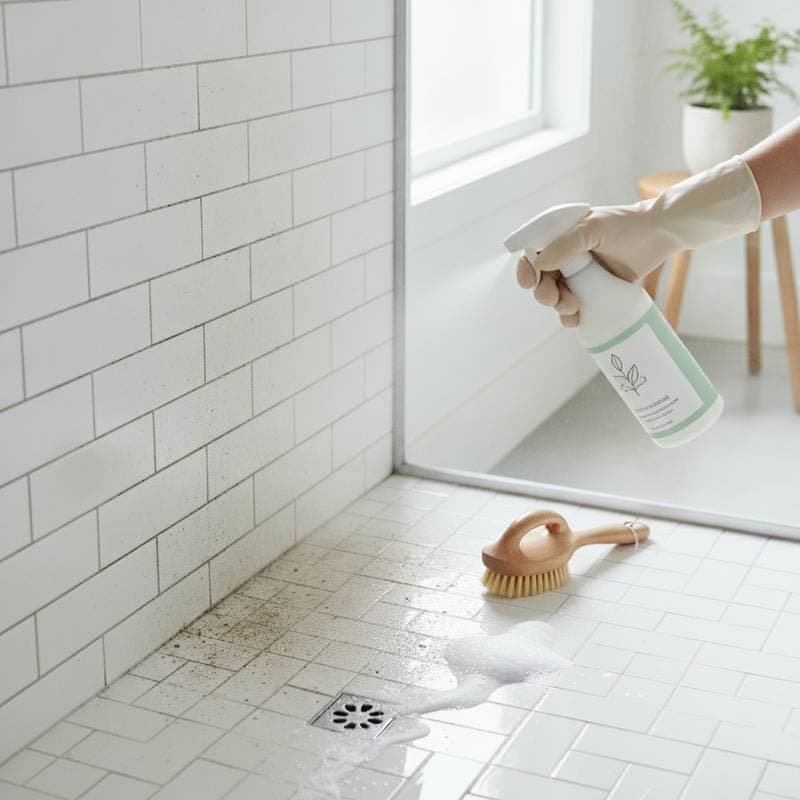
Apply enzyme cleaner directly to grout lines and allow ten minutes of dwell time. Gently agitate with a brush, then rinse with warm water. For severe accumulations, reapply and leave overnight; enzymes remain active in moist conditions.
Toilet Bowl Deposits
Distribute cleaner around the rim and below the waterline. Permit fifteen to twenty minutes of contact before light scrubbing with a dedicated brush. Address mineral rings by alternating enzyme treatments with vinegar soaks over multiple sessions to target both organic and inorganic layers.
Shower Doors and Hardware
Soap scum on glass and chrome stems from combined fats and minerals. Coat surfaces evenly with enzyme spray, then wipe using a damp microfiber cloth. Rinse with warm water and dry to eliminate residue and prevent filming.
Sink Drains and Traps
Introduce a blend of enzyme cleaner and warm water into the drain, then allow overnight action. This process digests internal organic matter, minimizing odors and blockages. Unlike chemical drain treatments, enzymes pose no threat to pipe integrity.
Addressing Application Challenges
Expect gradual results with enzyme cleaners, particularly on longstanding stains with multiple layers. Maintain moisture by periodic spritzing to sustain activity. Consistent application yields visible improvements over time.
Indicators for Professional Intervention
Enzyme cleaners excel at organic stains but may not suffice for structural issues like cracked tiles or severe mold infestations. Persistent problems despite repeated treatments signal the need for a plumber or restoration specialist. Early professional assessment prevents escalation.
Optimization Techniques
- Store enzyme products in cool, dark locations to preserve potency, as heat diminishes effectiveness.
- Integrate enzyme applications into weekly routines to inhibit buildup.
- Schedule overnight treatments during low-use periods for maximum dwell time.
- Designate separate tools for enzyme use to prevent chemical interference.
Sustaining Long-Term Cleanliness
Enzyme cleaners promote enduring bathroom hygiene through biological efficiency. They eliminate odors and residues without surface harm or lingering chemical scents. Begin with targeted applications on problem areas, then expand to routine maintenance for a consistently fresh environment.